Reminiscences of a Journey to Lithuania
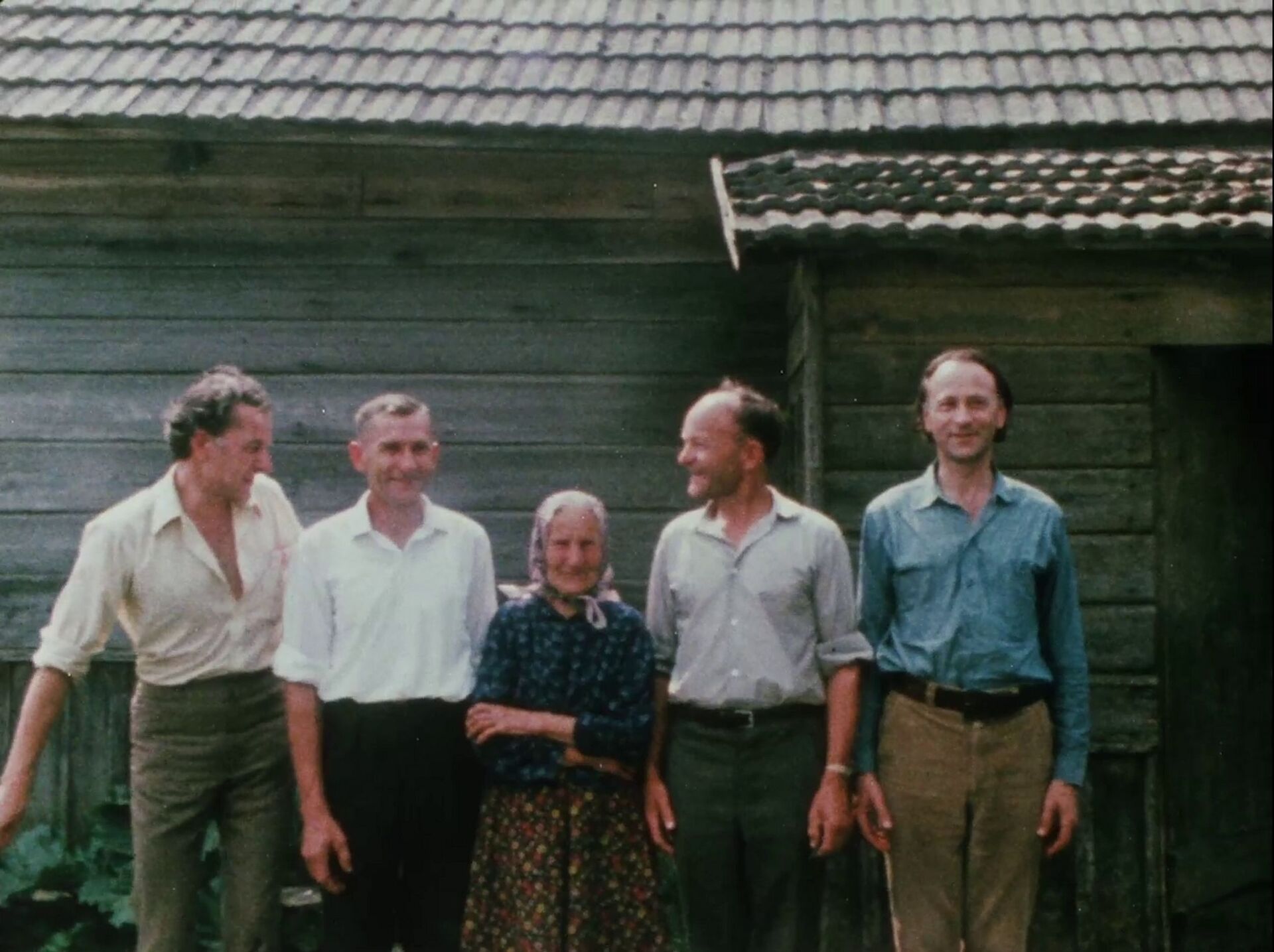
Film critic Louis-Jean Decazes has curated this program to give viewers a chance to reconnect with the fundamentals of cinema, that window onto the world. Most of the films in this series explore themes of disorientation and a sense of being out of sync. With sought-after and rare films from Straub-Huillet, Akerman, Ivens...
Presented by Ara Osterweil, Professor at McGill University
Born in Lithuania, which they left in 1944, Jonas Mekas and his brother Adolfas Mekas went into exile in the United States in 1949. More than 25 years later, they returned to their homeland for a long-awaited family reunion.
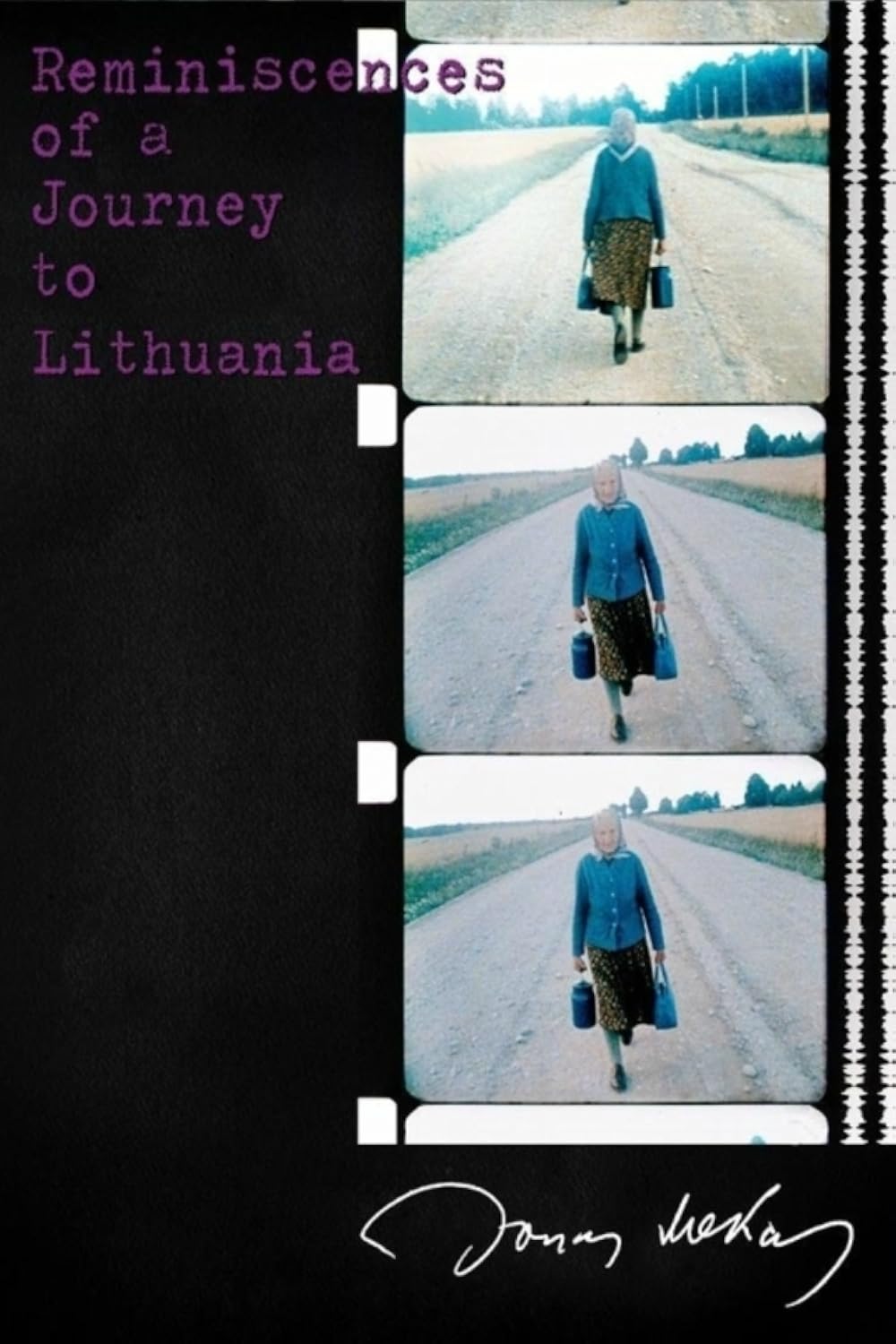
Jonas Mekas
Jonas Mekas was a Lithuanian-American filmmaker, poet, and artist who has been called "the godfather of American avant-garde cinema". His work has been exhibited in museums and at festivals worldwide. He was active in New York City, where he co-founded Anthology Film Archives, The Film-Makers' Cooperative, and the journal Film Culture. He was also the first film critic for The Village Voice. In the 1960s, Mekas launched anti-censorship campaigns in defense of the LGBTQ-themed films of Jean Genet and Jack Smith, garnering support from cultural figures including Jean-Paul Sartre and Simone de Beauvoir. He mentored and supported many prominent artists and filmmakers, including Chantal Akerman, John Waters, and Martin Scorsese. His major films include The Brig (1964), Walden: Diaries Notes and Sketches (1968), and Reminiscences of a Journey to Lithuania (1972)
On our blog
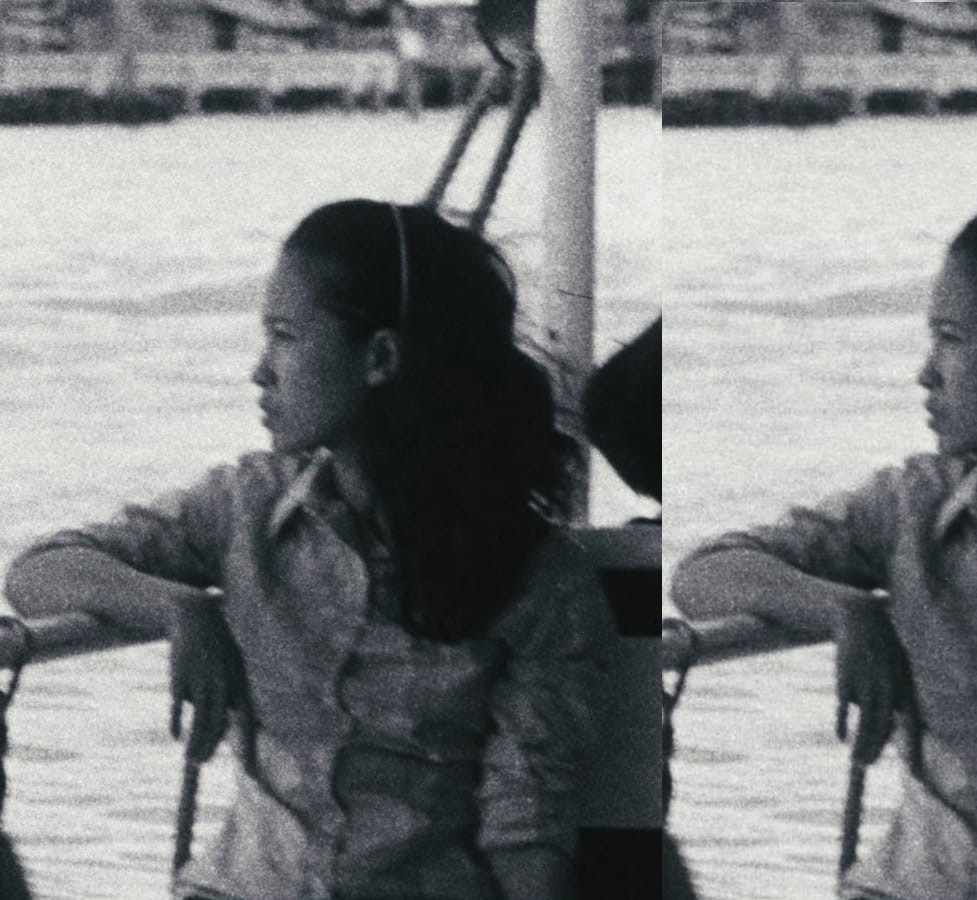
Travelogues, images en errance
Dès les origines du cinéma, la curiosité du regard occidental s’empare de ce nouvel outil, la caméra, pour explorer l’ailleurs. À l’orée du XXe siècle, les travelogues – ces documentaires de voyage mêlant découverte et exotisme – émergent dans le sillage de l’invention des frères Lumière. Munis de leurs appareils, opérateurs, ethnographes et explorateurs capturent des images du lointain avec une ambition d’objectivité, offrant au public une fenêtre inédite sur des cultures étrangères, souvent fantasmées.


.jpg)