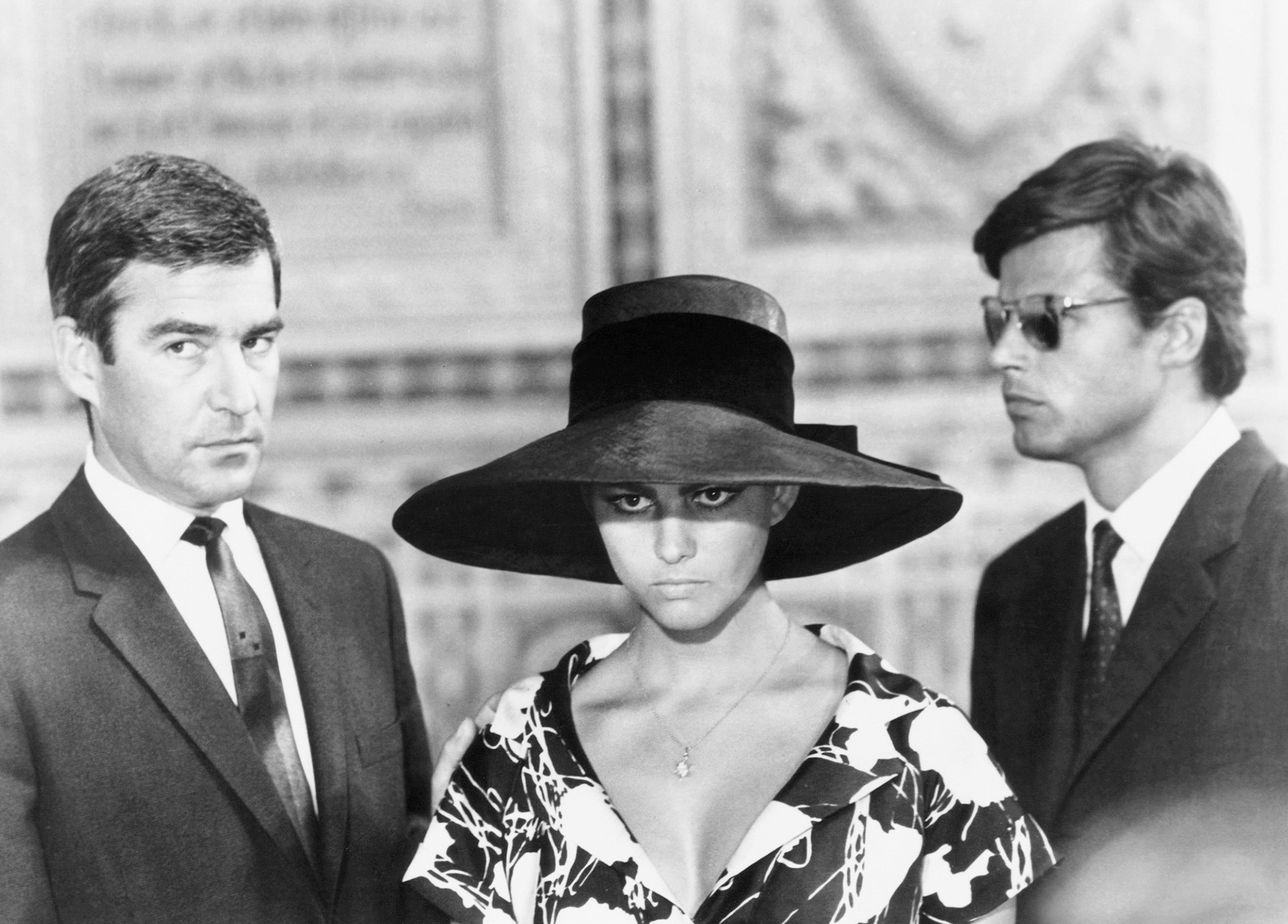
An icon of Italian cinema, Claudia Cardinale was not strictly Italian, having grown up in Tunis in a family that spoke French and Sicilian. This composite identity undoubtedly allowed her to navigate effortlessly from one cinematography to another. This program attests to this, bringing together some of her most memorable roles in Italy, forays into popular French cinema, and a memorable appearance in a Herzog film. These examples highlight her radiant screen presence and her wide acting range, from whimsical to serious roles.
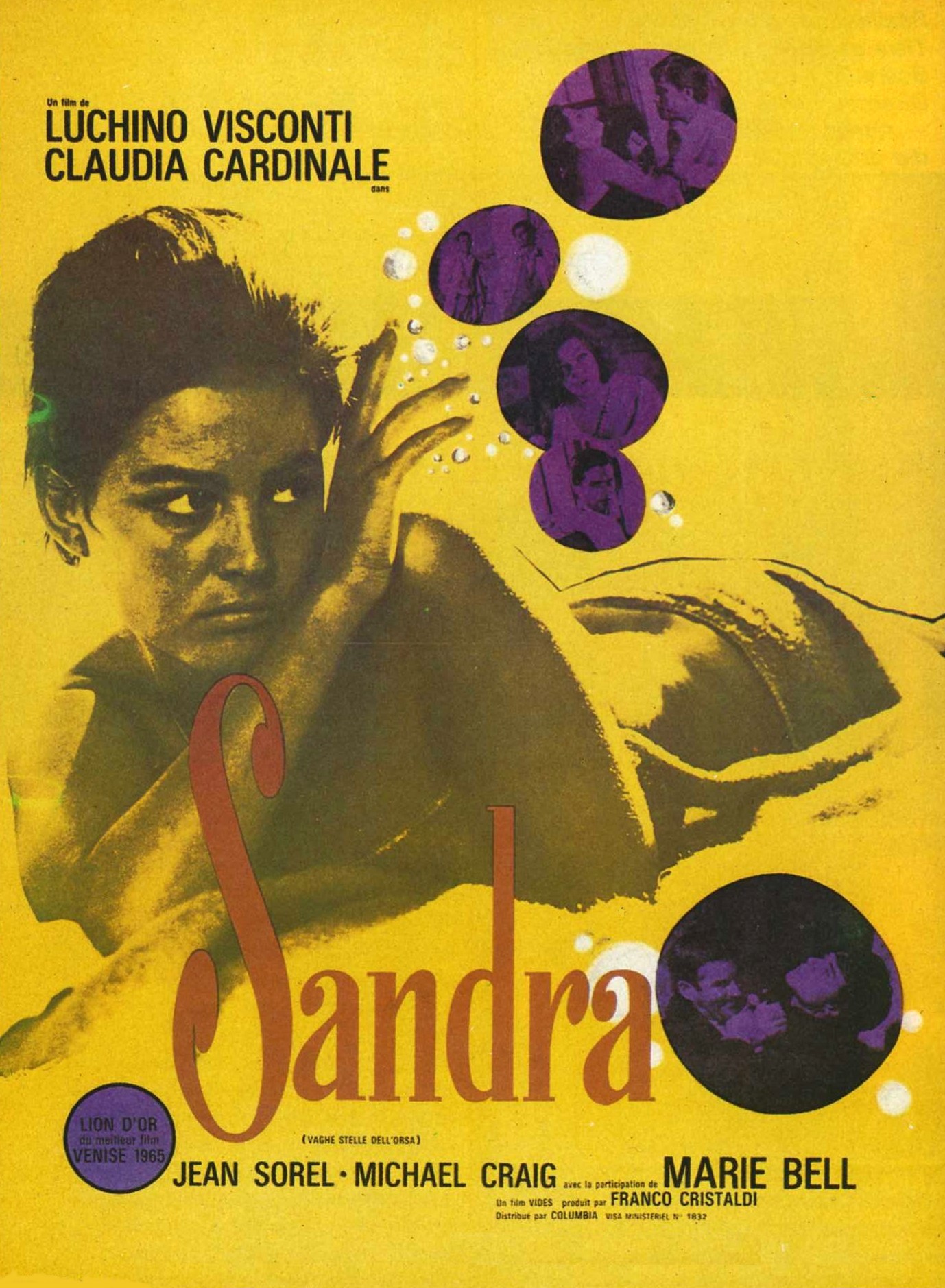
Winner of the Golden Lion, 1965 Venice International Film Festival
Accompanied by her American husband, Sandra returns to Volterra, her hometown, to commemorate the death of her father, who died in the Auschwitz concentration camp. There she reunites with her mother, who is now remarried to Gilardini, and her brother Gianni, to whom she is strangely very close. The family's past will come back to haunt this family reunion.
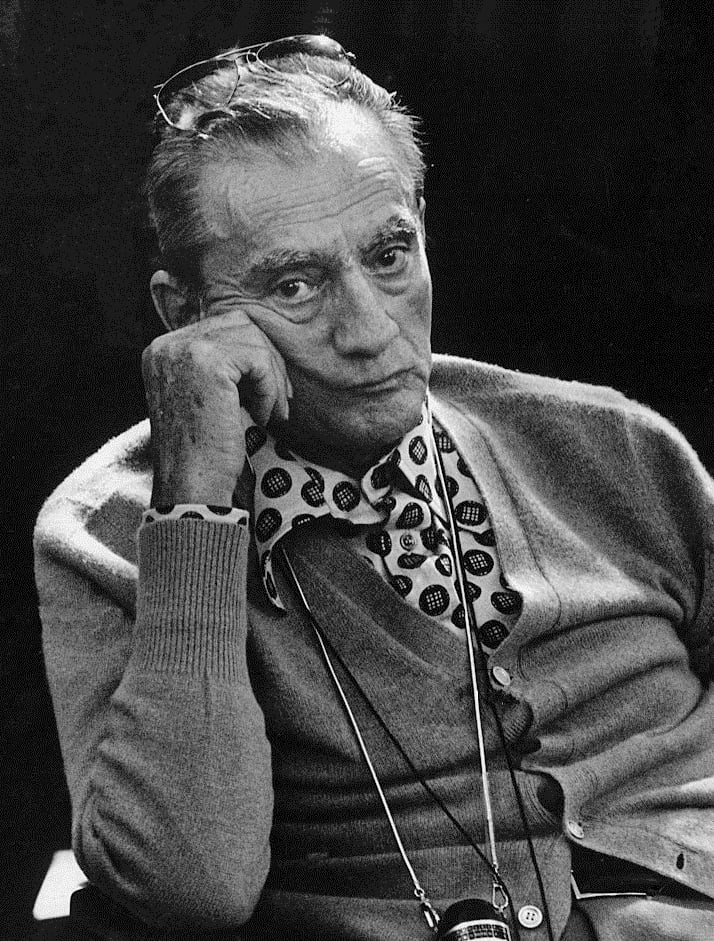
Luchino Visconti
Luchino Visconti was an Italian filmmaker, stage director, and screenwriter. A descendant of the noble Visconti family, he is widely regarded as one of the most significant filmmakers in European cinema. He was one of the fathers of cinematic neorealism in the 40s, but later moved towards luxurious, sweeping epics dealing with themes of beauty, decadence, death, and European history, especially the decay of the nobility and the bourgeoisie. He received many accolades, including the Palme d'or (The Leopard, 1963) and the Golden Lion (Sandra, 1965). Many of his works are regarded as highly-influential to future generations of filmmakers, including Francis Ford Coppola and Martin Scorsese.
Explore
Presented in collaboration with