Sans soleil
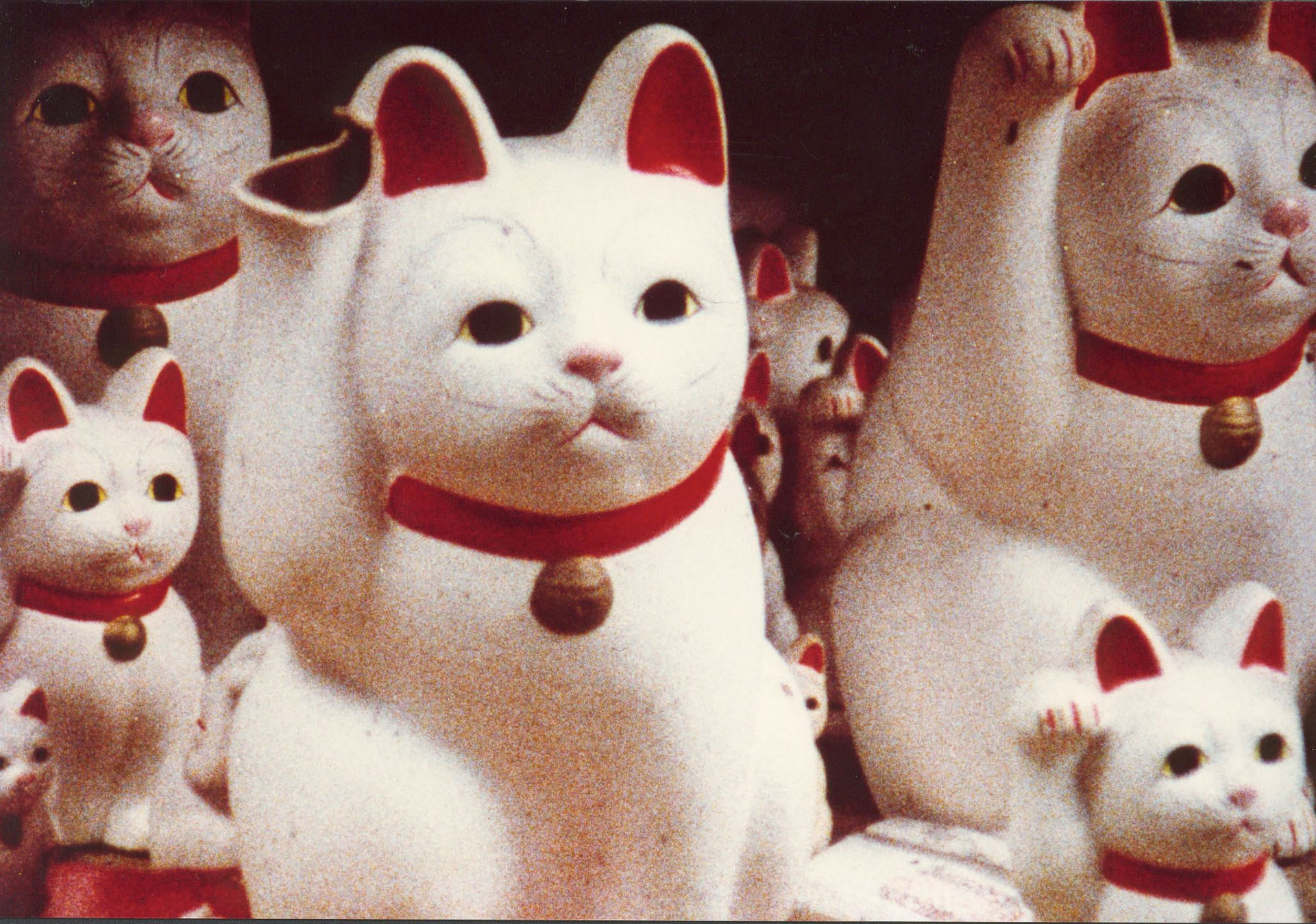
Film critic Louis-Jean Decazes has curated this program to give viewers a chance to reconnect with the fundamentals of cinema, that window onto the world. Most of the films in this series explore themes of disorientation and a sense of being out of sync. With sought-after and rare films from Straub-Huillet, Akerman, Ivens...
Presented by Louis-Jean Decazes, guest programmer
A woman reads letters written by a cameraman. Traveling to Japan, Guinea-Bissau, and Cape Verde, the cameraman recounts his wanderings and discoveries.
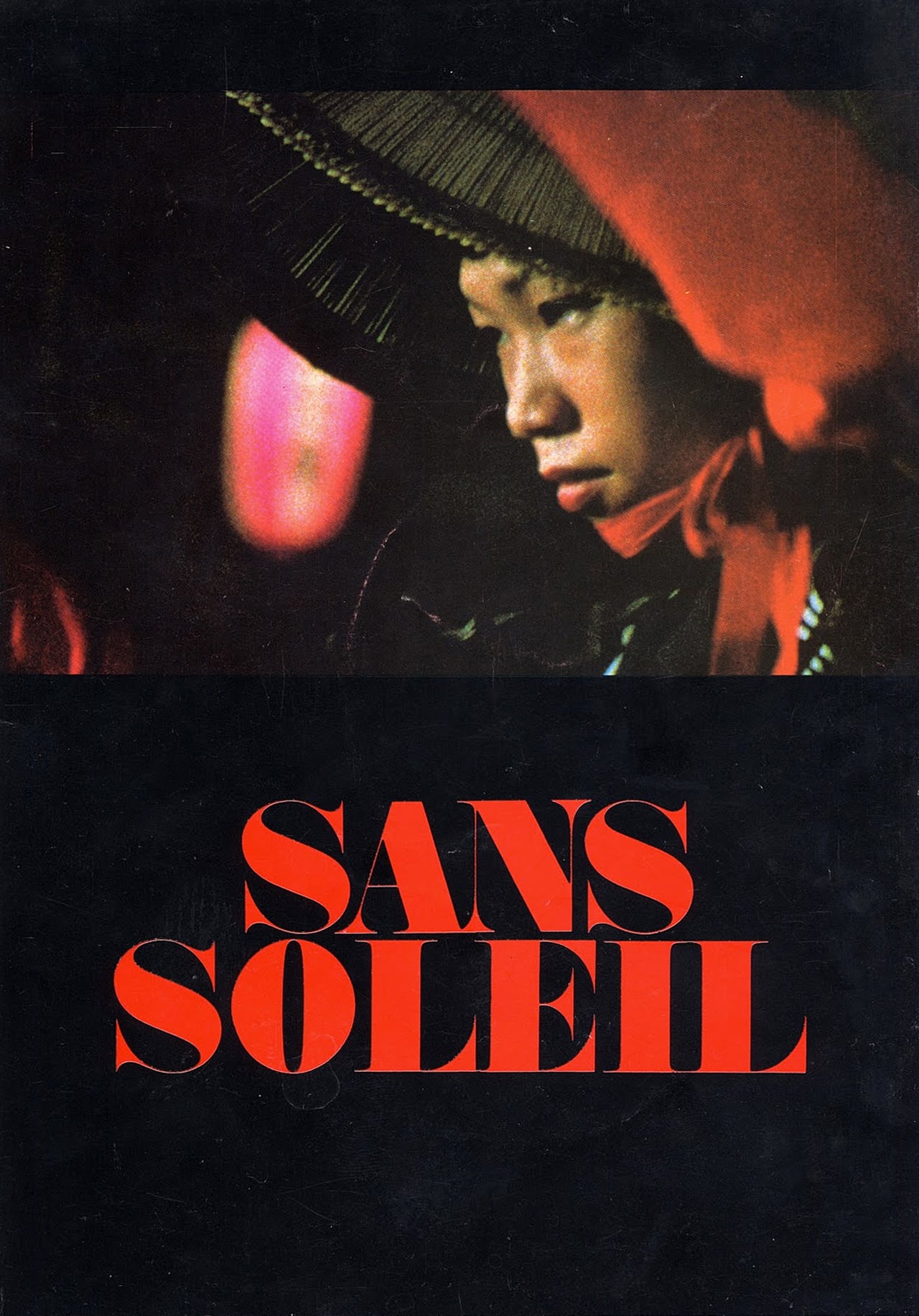
Chris Marker
Christian Bouche-Villeneuve, known as Chris Marker, was a French filmmaker, writer, illustrator, photographer, editor, philosopher, essayist, critic, poet, and film producer. His work is best known through his major films: La jetée, Sans soleil, Le joli mai, Le fond de l'air est rouge, and Chats perchés. According to André Bazin, his films are essentially documentaries defined as "cinematographic essays" from the outset. However, his work was not limited to cinema. He actively collaborated with numerous filmmakers, writers, actors, artists, and workers, including Costa-Gavras, Yves Montand, Alain Resnais, Akira Kurosawa, and Patricio Guzmán, among others. He also supported young artists, notably the Kourtrajmé collective and Isild Le Besco, in whom he saw “a new French New Wave.” Throughout his career, Chris Marker observed the vicissitudes of both world and personal history with curiosity and discernment, poetry and wonder, irony and amusement—sometimes even with anger. At the heart of his work lies a deep reflection on memory, recollection, and nostalgia for a reinvented past, forever lost.
On our blog
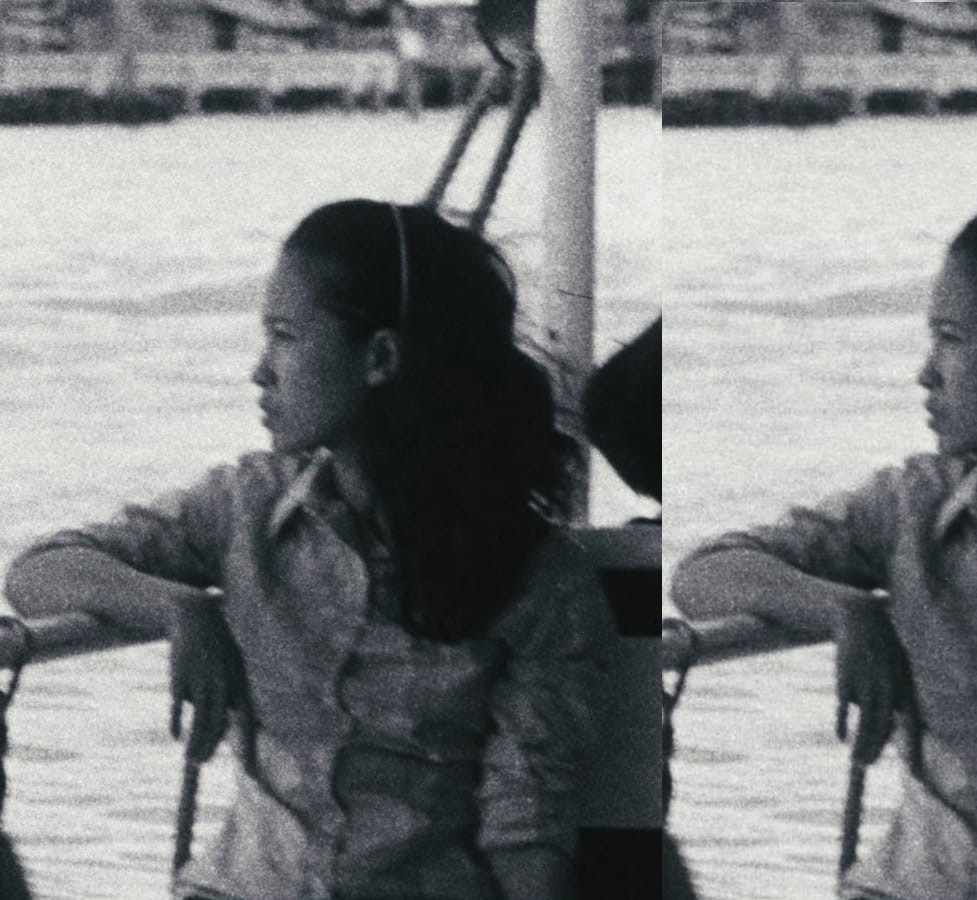
Travelogues, images en errance
Dès les origines du cinéma, la curiosité du regard occidental s’empare de ce nouvel outil, la caméra, pour explorer l’ailleurs. À l’orée du XXe siècle, les travelogues – ces documentaires de voyage mêlant découverte et exotisme – émergent dans le sillage de l’invention des frères Lumière. Munis de leurs appareils, opérateurs, ethnographes et explorateurs capturent des images du lointain avec une ambition d’objectivité, offrant au public une fenêtre inédite sur des cultures étrangères, souvent fantasmées.