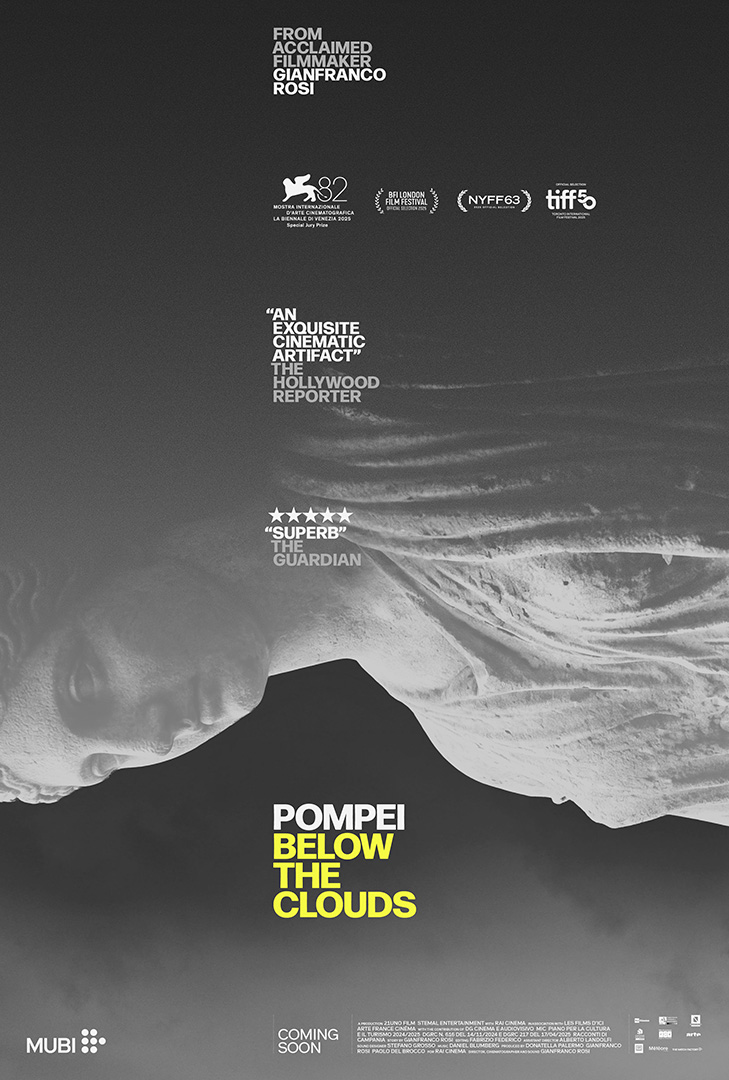
Select Works II
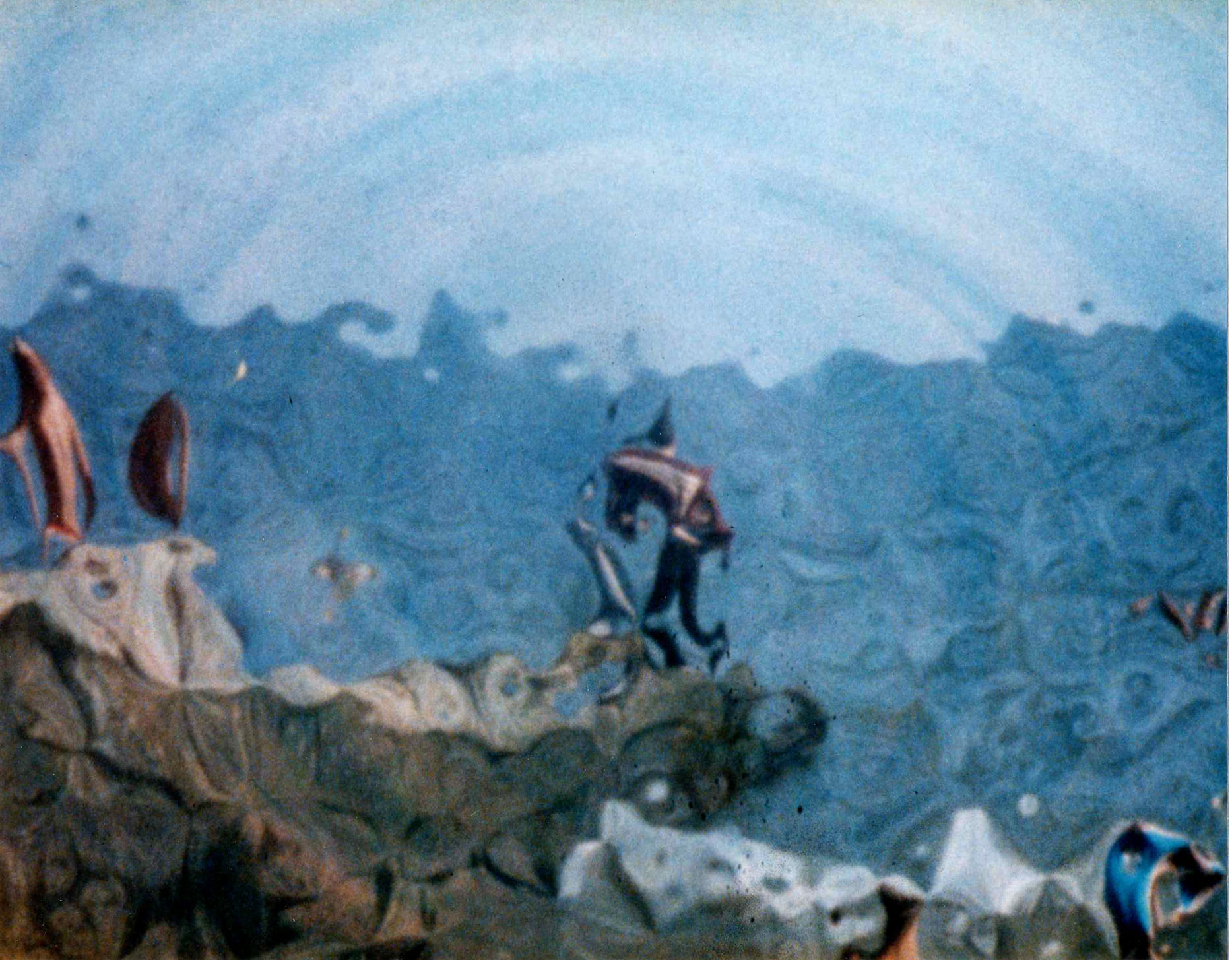
A singular voice in the world of experimental cinema, Patrick Bokanowski's work exists at the crossroads of animation, moving photography, and filmed poetry. Most of his films are gathered here, offering viewers a chance to fully grasp an unconventional artistic journey that deserves a presentation worthy of the project. Therefore, the artist will be on hand to discuss his work with at every screening, accompanied by Michèle Bokanowski, whose electroacoustic music helps shape these incomparable, dreamy films.
In the presence of the filmmaker, and composer Michèle Bokanowski
The crazy nature of some daily gestures. Live-action footage re-filmed with special effects.
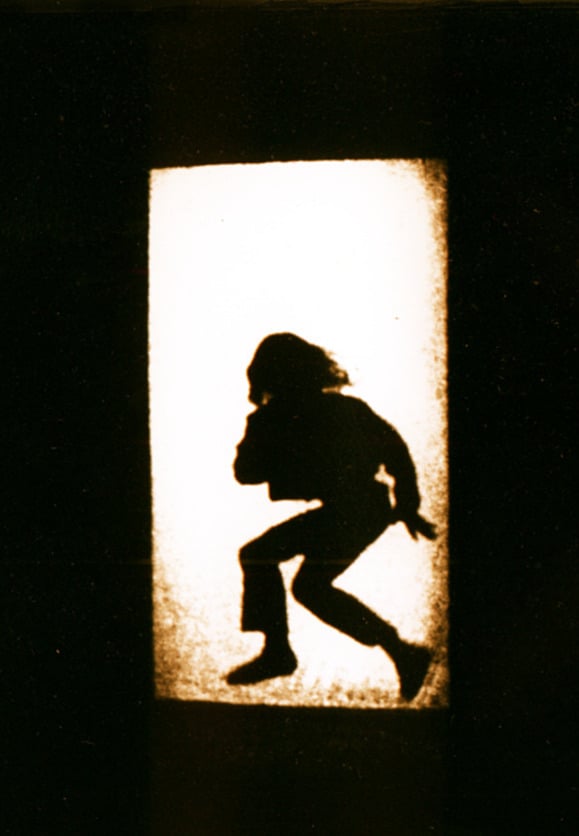
Composed of four chapters depicting optical modulations of scenes from a day at the beach, this film illustrates Bokanowski's continued fascination (and experimentation) with the chromic, refractive, and reflective properties of glass to create films that redefine the materiality of celluloid and explore the plasticity of surfaces to transform everyday objects into work of art.
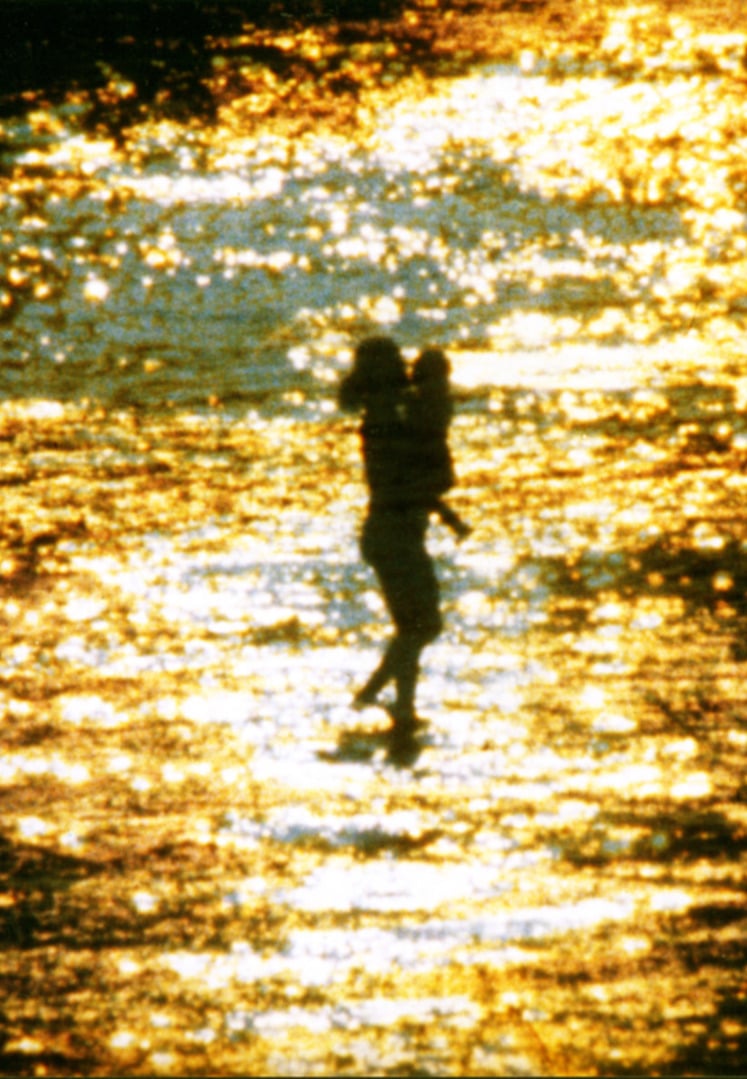
Memories split in the space.
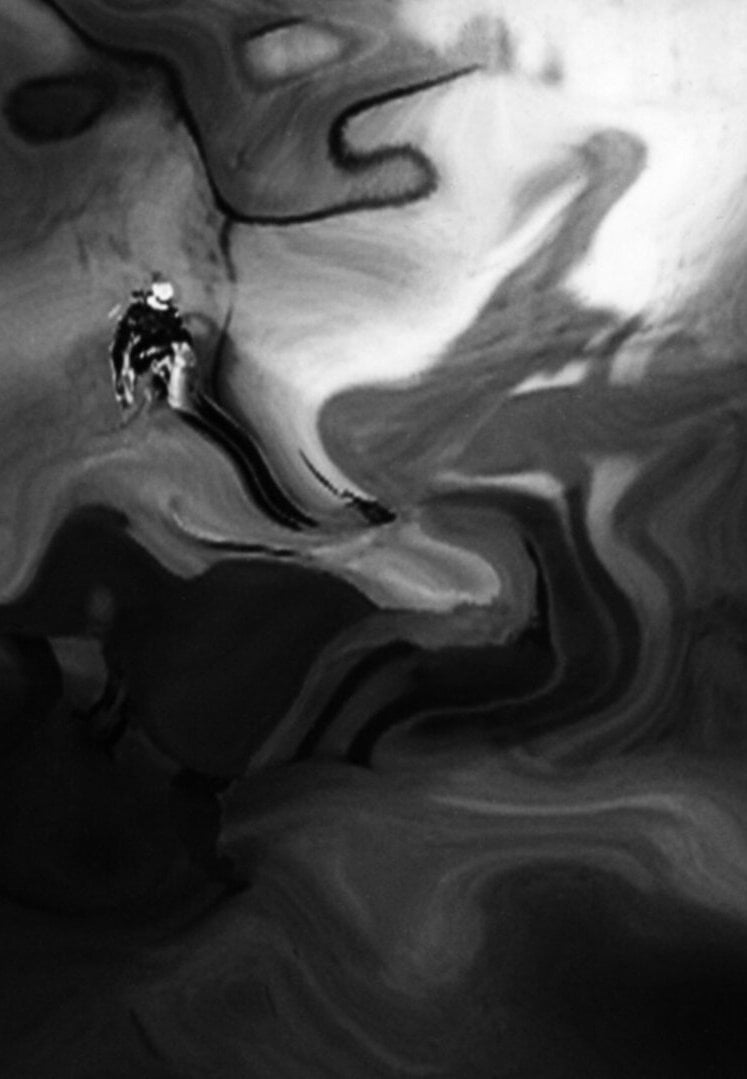
A film based on the play Orphéon, directed by François Tanguy and performed by the Théâtre du Radeau.
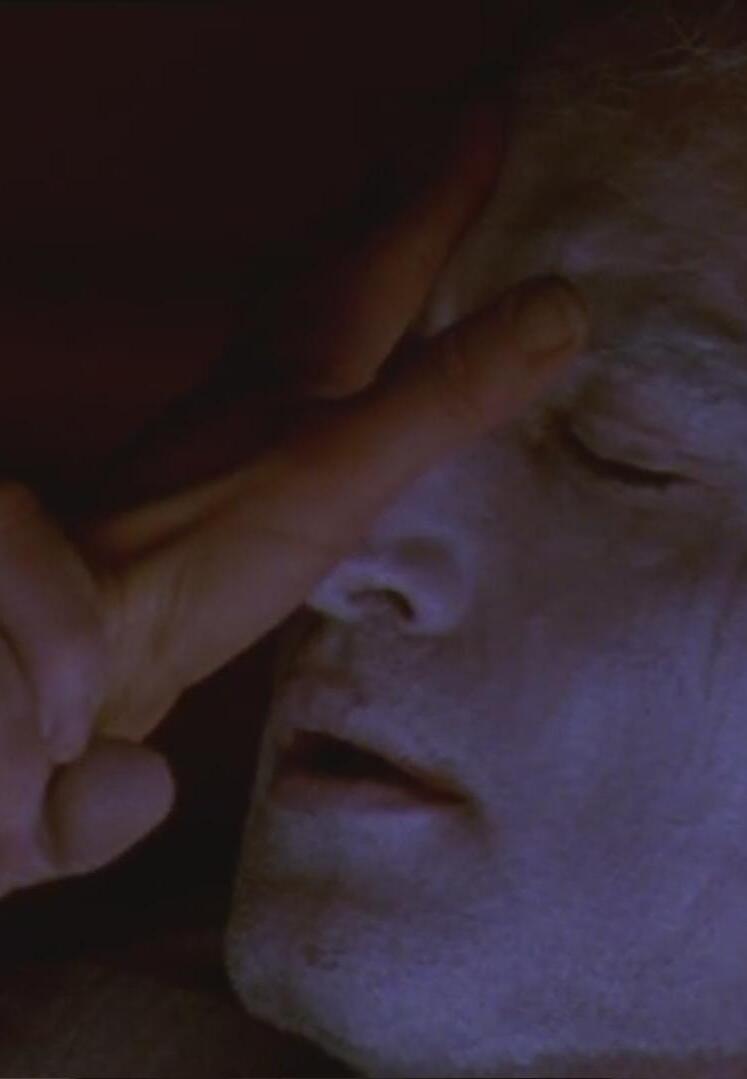
Fantastic ride.
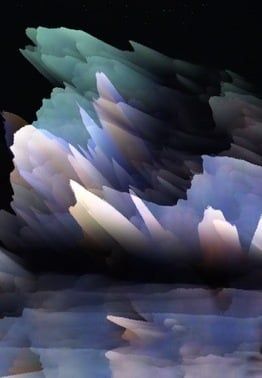
A painter in his studio: his pencils, brushes, tubes, table, easel and drawings set themselves in motion in an explosion of colors and flares of light.
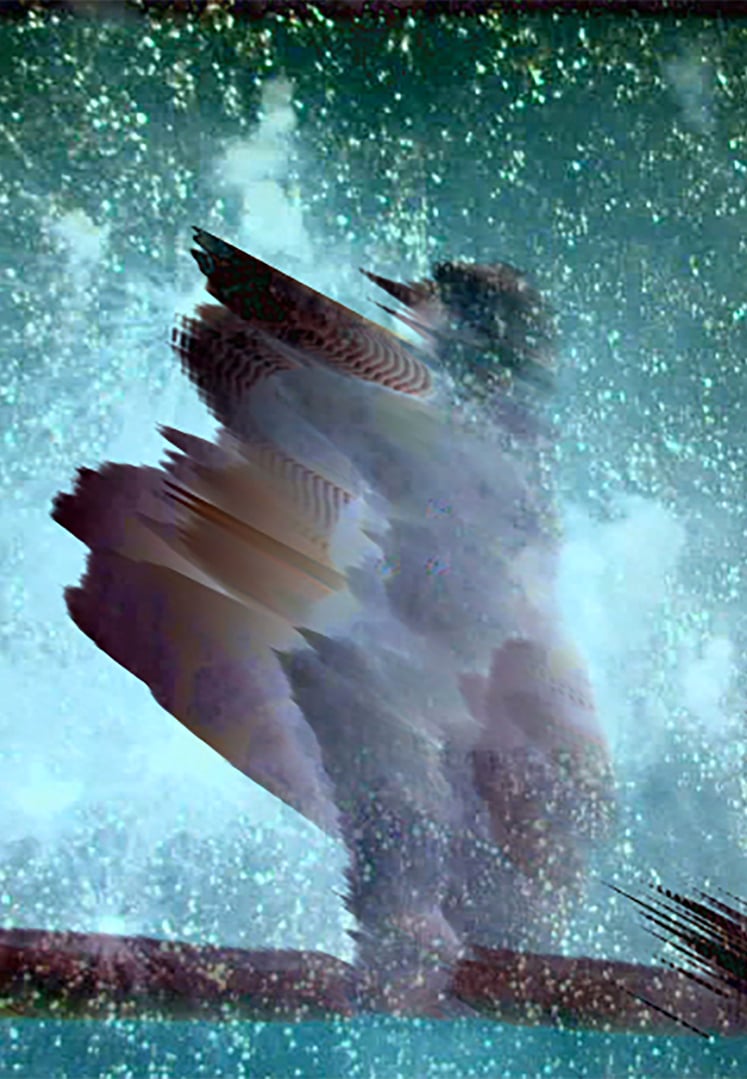
"The blue gallop of remembrance..." (Apollinaire)
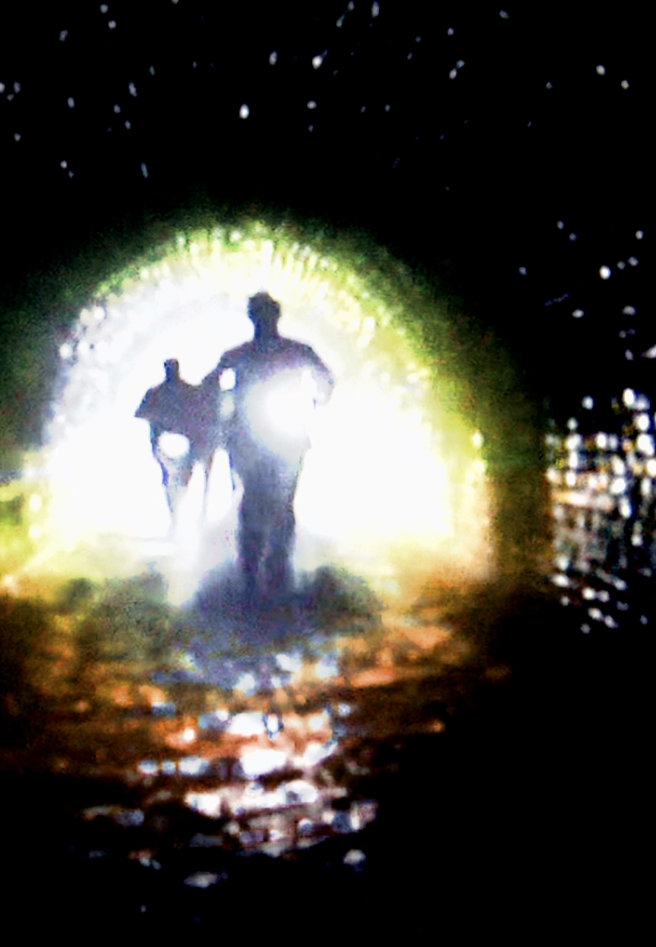
Crossing through darkness towards the light.
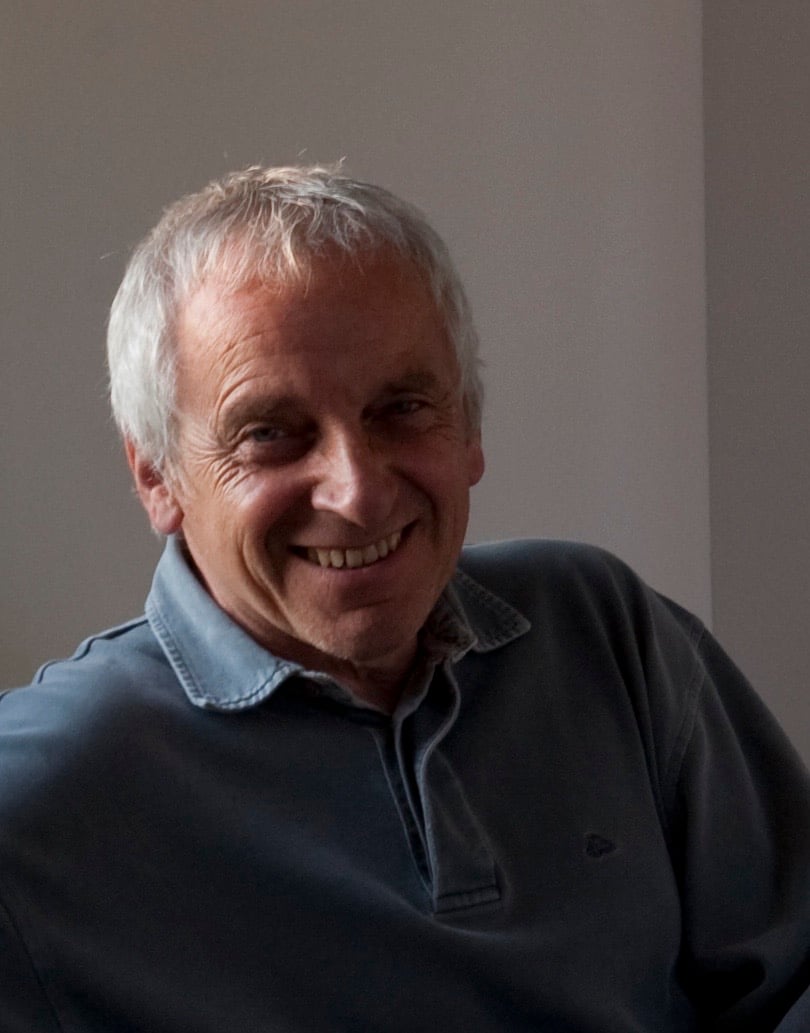
Patrick Bokanowski
Patrick Bokanowski is a French filmmaker who makes films between the traditional cinematographic genres: short film, experimental film, and animation. His treatment of the filmic material exists at the frontier of optical and visual arts, operating in a perpetual "in-between" to create. He calls into question the idea that cinema's essence is to reproduce reality, that is, our habits of thinking and feeling. His films contradict the "objectivity" of photography that is essential to most of the global film production. Bokanowski's experiments testify to purely mental visions that ignore conventional representations, affecting reality, transforming it, and giving viewers new perceptual adventures. His most notable work is L’ange (1982).