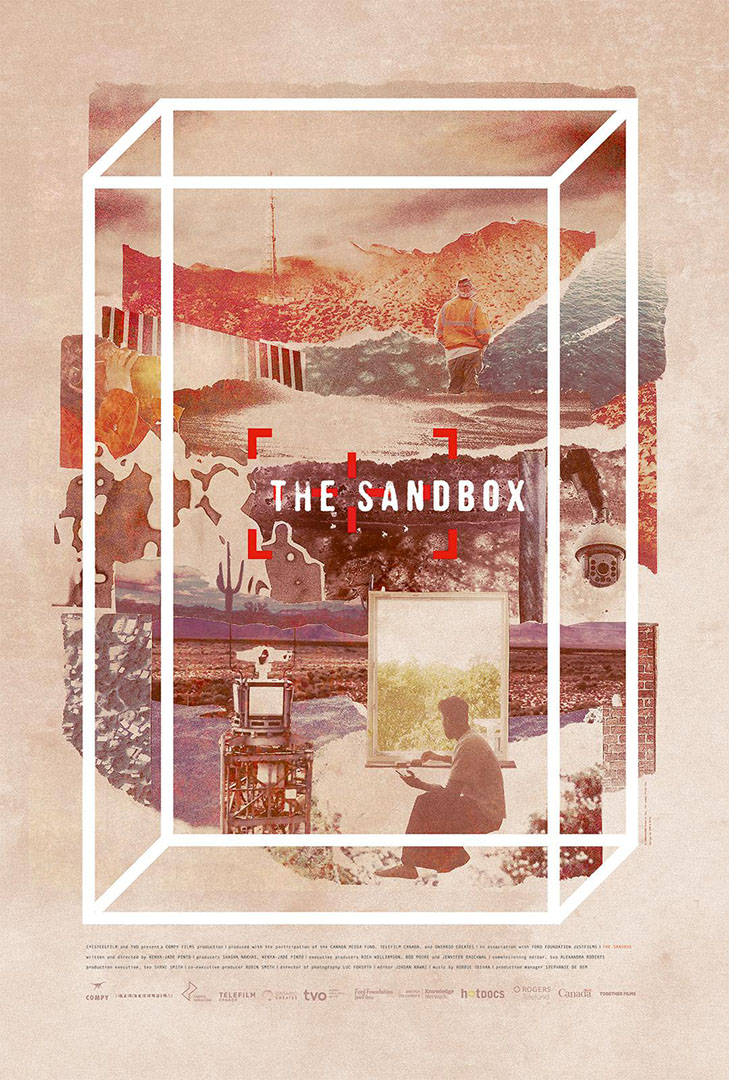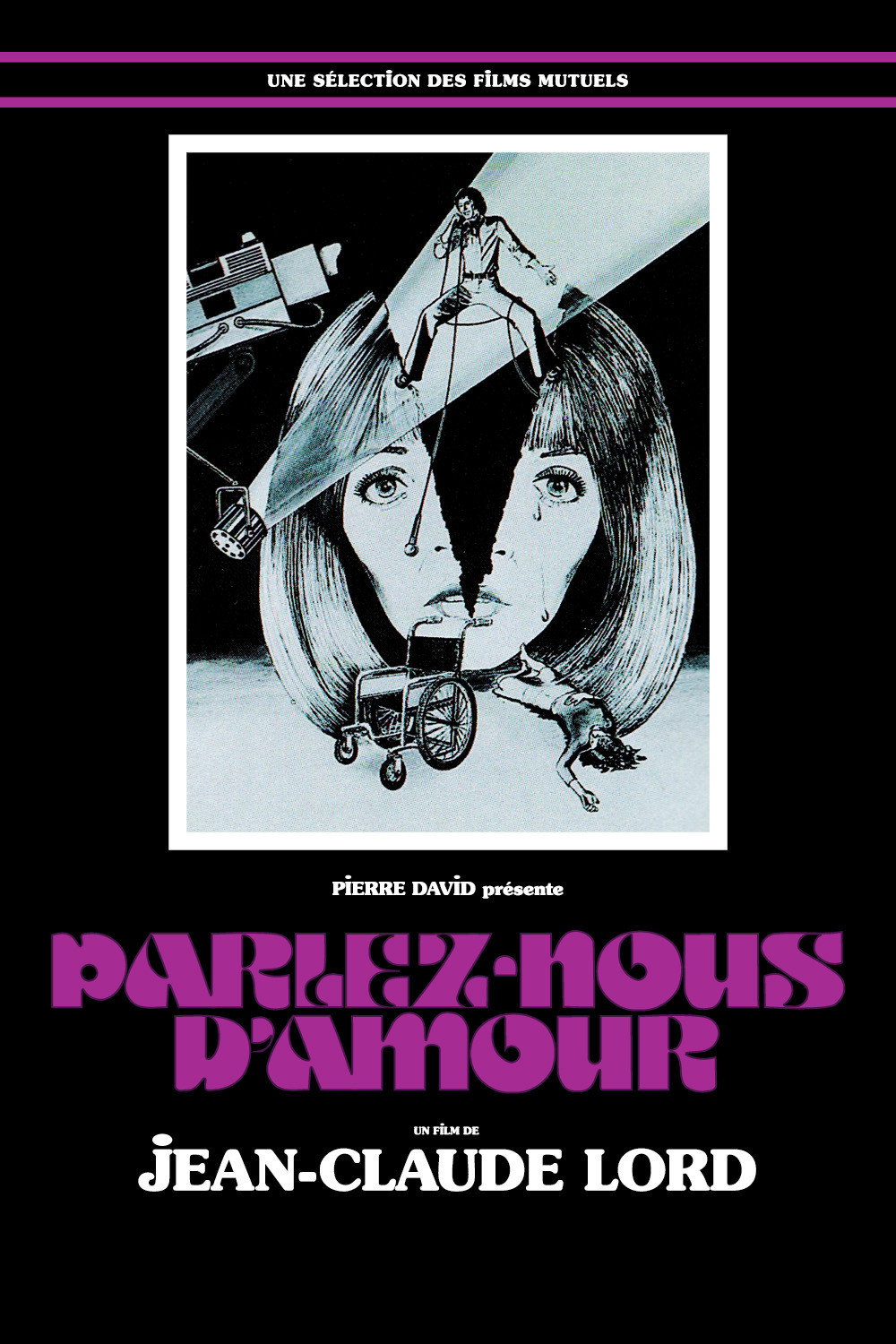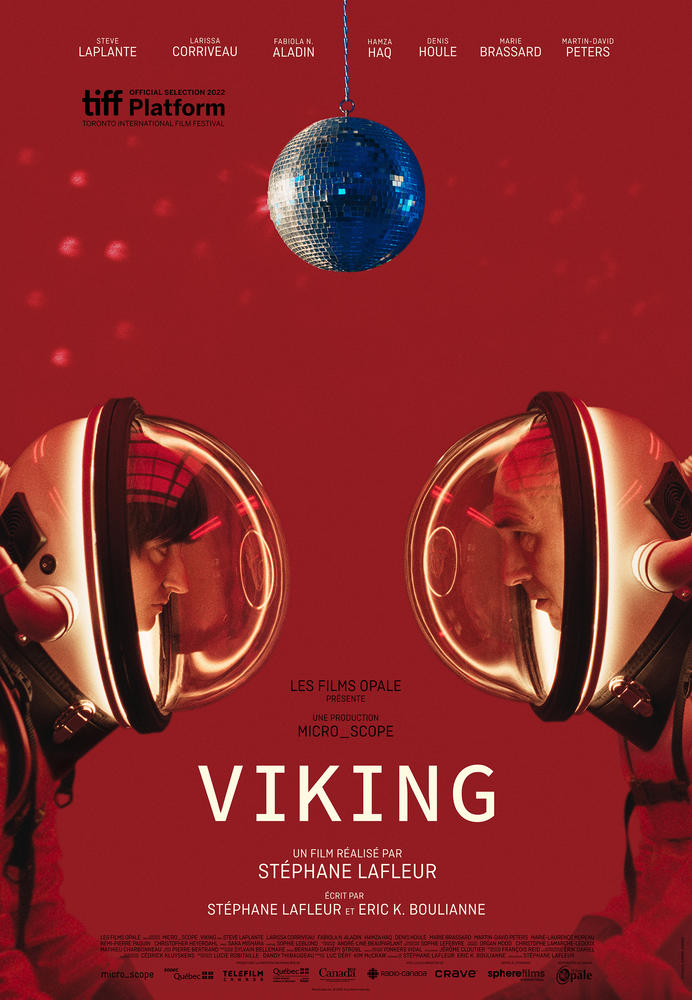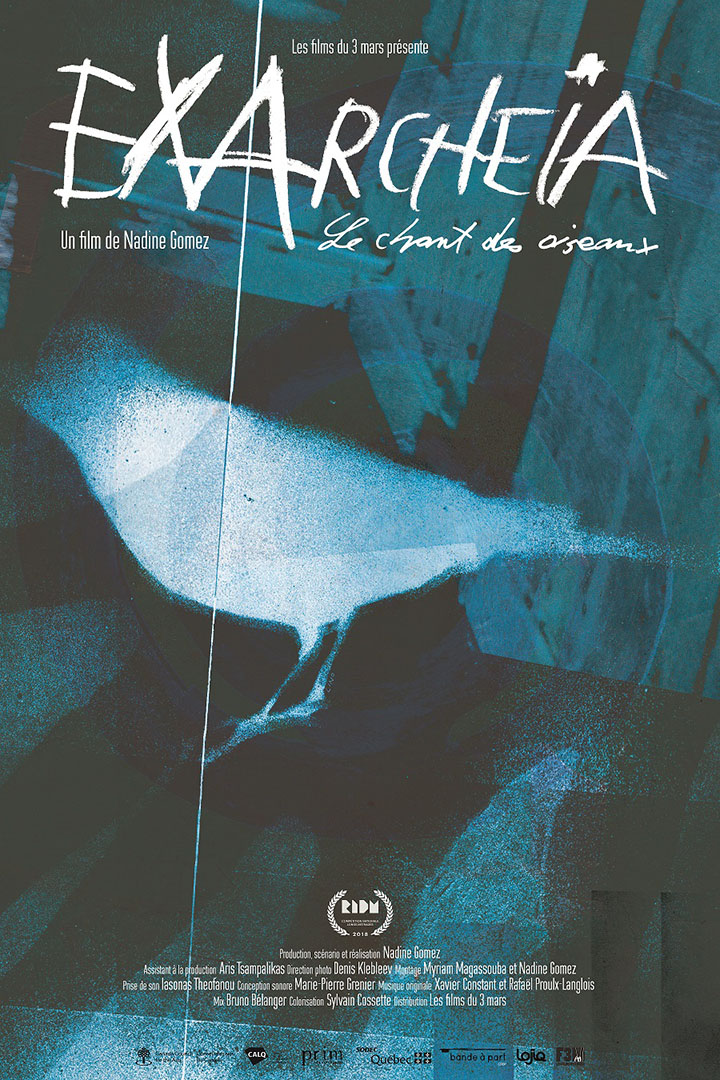
In collaboration with Terres en vues, this program serves as a reminder that cinema can be a vessel for peace and make it the subject of its narratives. At the same time, it commemorates the Great Peace of Montreal, signed by the French and 39 First Nations in Montreal in 1701.
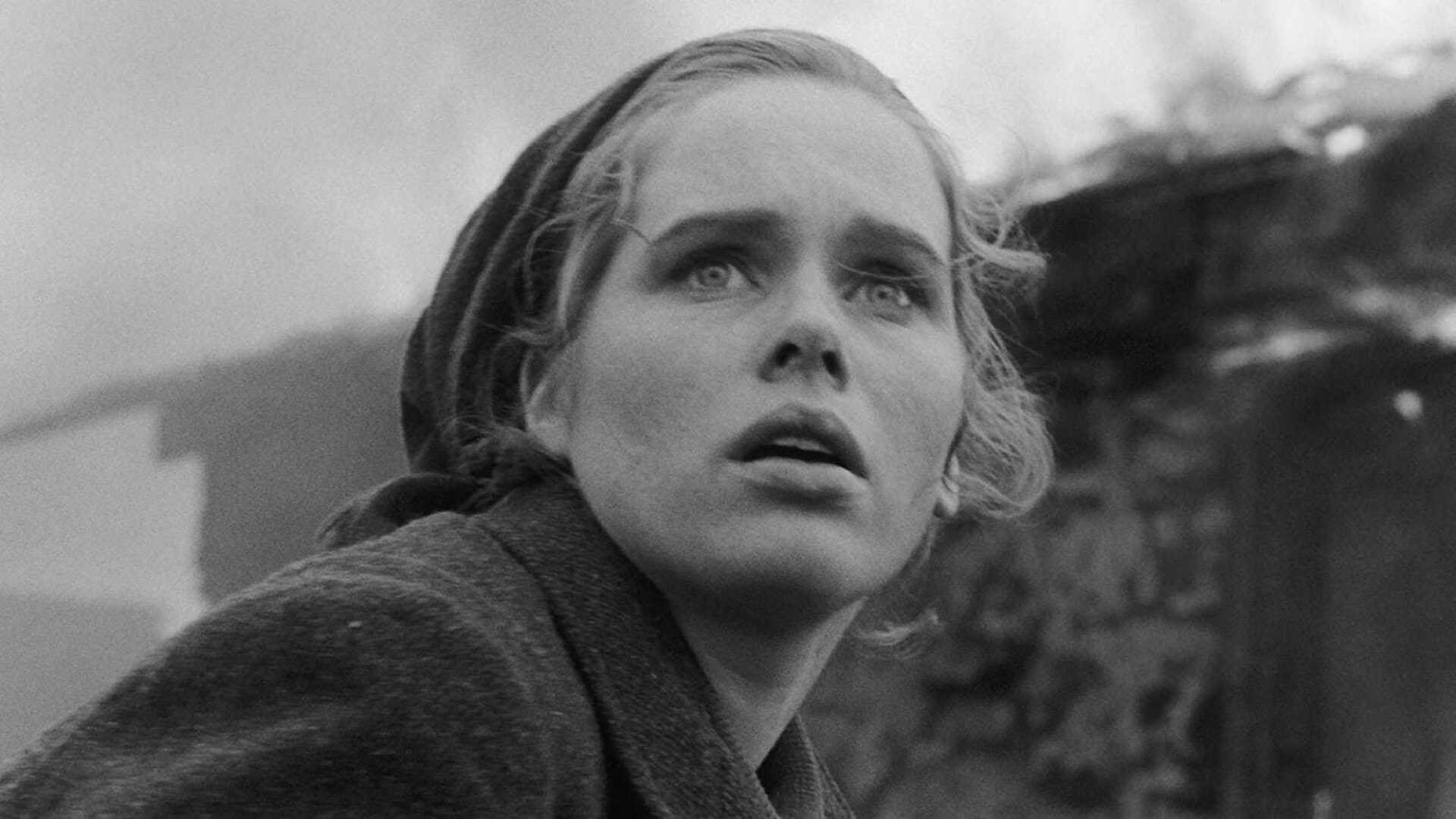
Living selfishly, oblivious to the world around them, a man and a woman see their lives turned upside down when war breaks out all around them.
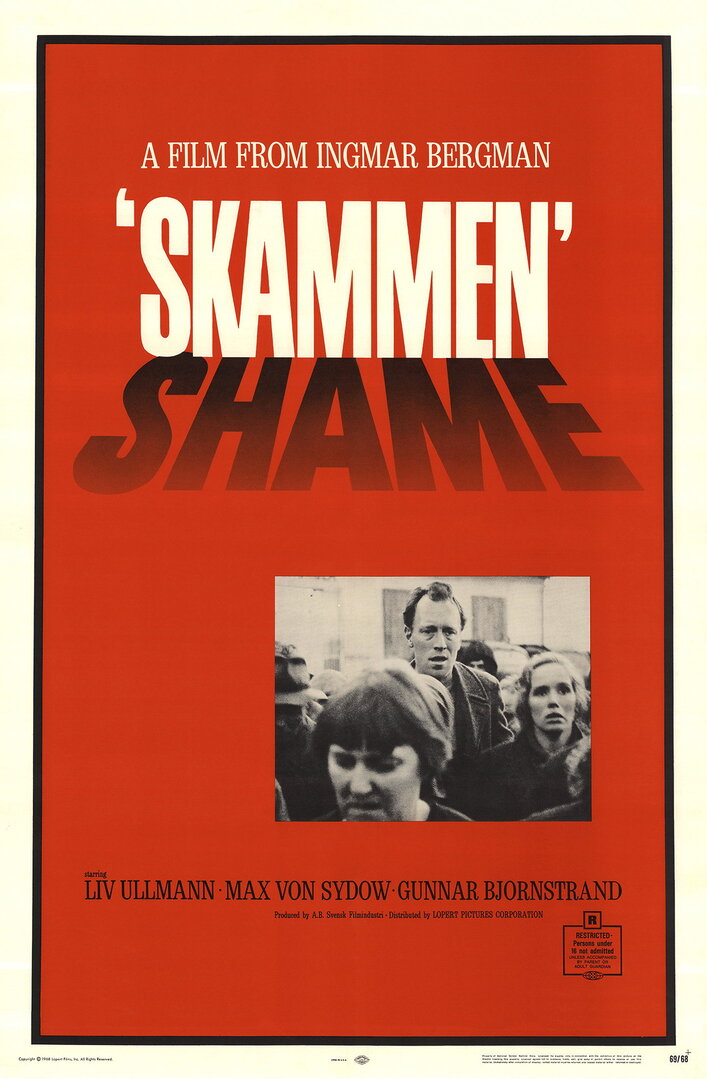
Ingmar Bergman
Born in 1918 in Uppsala, Sweden, Ingmar Bergman grew up in a strict Lutheran household. Cinema became a refuge for him, offering solace from his father's austere upbringing as a pastor. He pursued studies in history, literature, and theater, eventually embarking on a career in theater before transitioning to film. He began writing screenplays for Svensk Filmindustri. Starting with Crisis in 1946, he ventured into directing his own films. By the mid-1950s, works like The Seventh Seal and Wild Strawberries earned him international acclaim. In 1986, with the production of Fanny and Alexander, Bergman decided to end his illustrious career as a filmmaker for the big screen. However, he remained active in theater and television filmmaking until Sarabande in 2004. In his later years, he retired to the island of Fårö, a place deeply intertwined with his cinematic legacy and personal history.
Explore
Presented in collaboration with