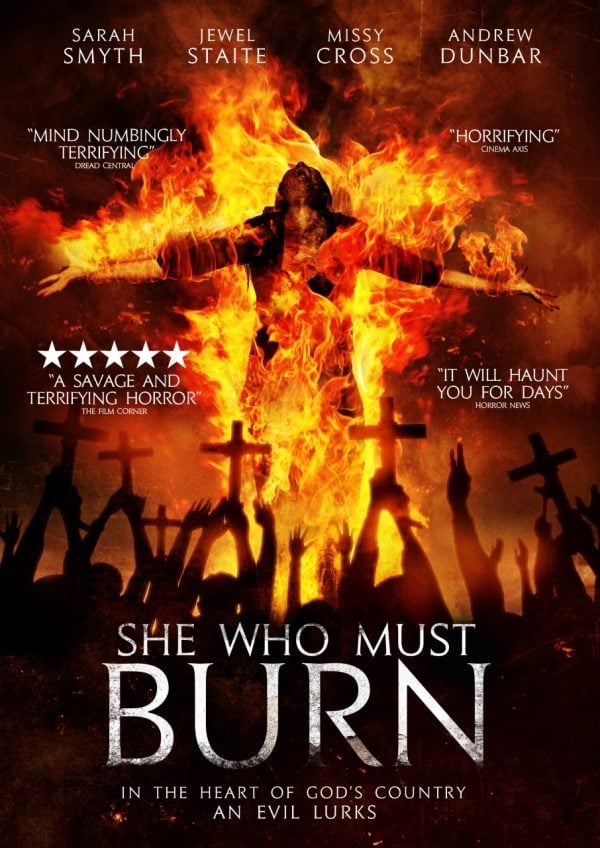
She Who Must Burn
As a pioneer of Canadian independent cinema, Larry Kent began making a series of audacious, sulphurous films in the 1960s, against a backdrop of counterculture and in parallel with the new European waves. Through an unclassifiable approach combining passionate drama, social reflection and stylistic provocation, he continued over the decades to bring new life into Canadian cinema, while always remaining on its edges. In collaboration with Fantasia, we present a few highlights of this underground work that has acquired a cult over the years.
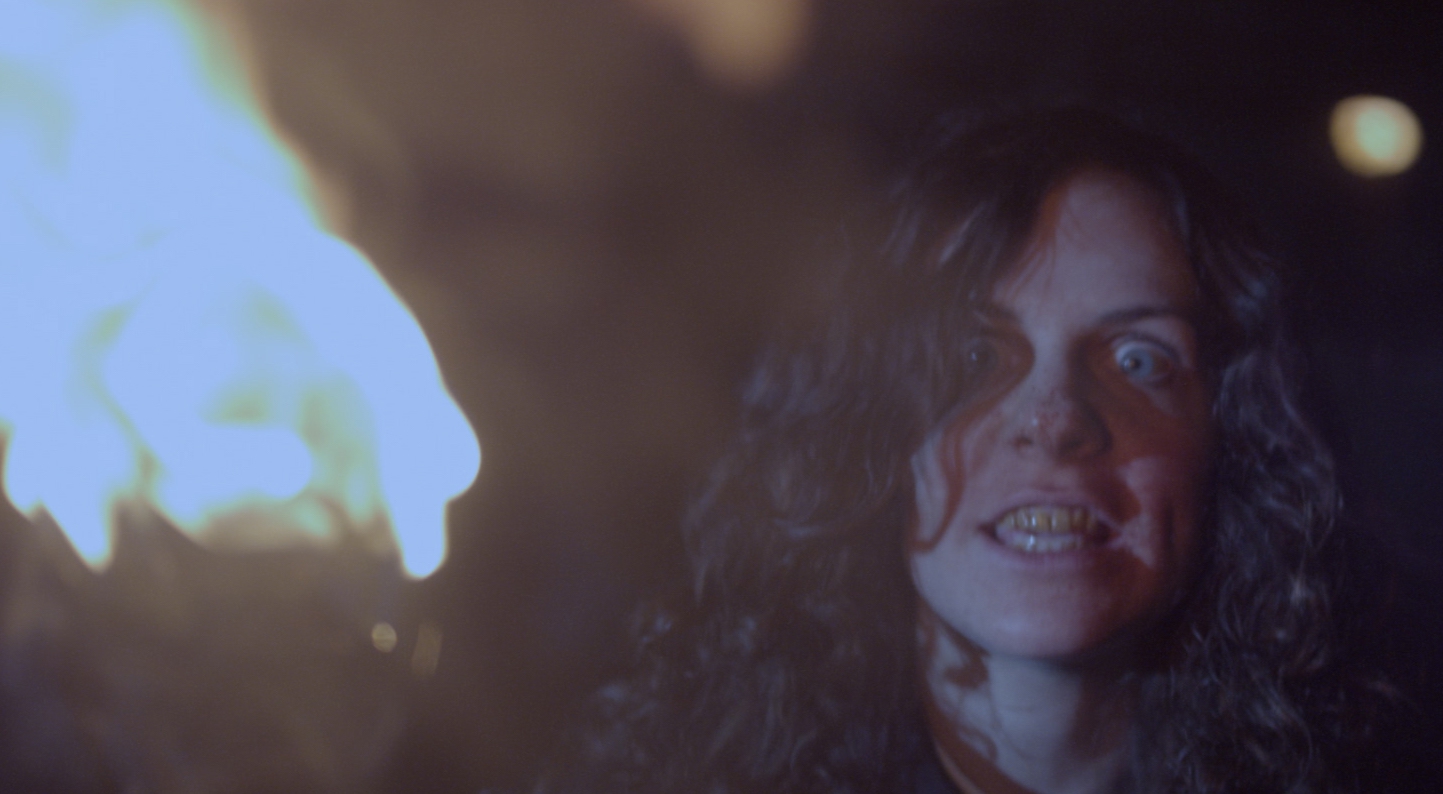
Angela refuses to leave her Planned Parenthood clinic after the state shuts it down, and a fanatical evangelical family vows to make her pay.
Larry Kent
Larry Kent a devout film buff and scholar, made the transition from stage to screen in the early 1960s. Kent wrote and directed the existential Canadian indie, post-beatnik, pre-hippie classic The Bitter Ash in 1962, and shot it relentlessly despite the controversy it generated across the country. Filled with profanity and brief scenes of nudity, the film was produced on a shoestring, shot in silent with later audio dubbing and jazz music. His next film, Sweet Substitute, made money in the U.S., a first for a Canadian independent. Kent moved to Montreal in the late 1960s and worked briefly for the National Film Board of Canada before resigning to make films that exemplified the wild spirit of the drug-driven counterculture. His film High (1967) was scheduled to premiere at the Festival international du film de Montréal, but was banned by the Commission de censure du Québec at the last minute.
Explore
Presented in collaboration with