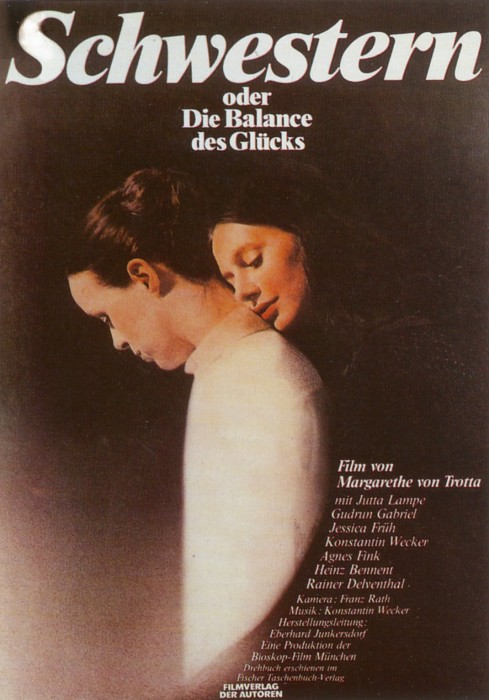
Sisters, or the Balance of Happiness
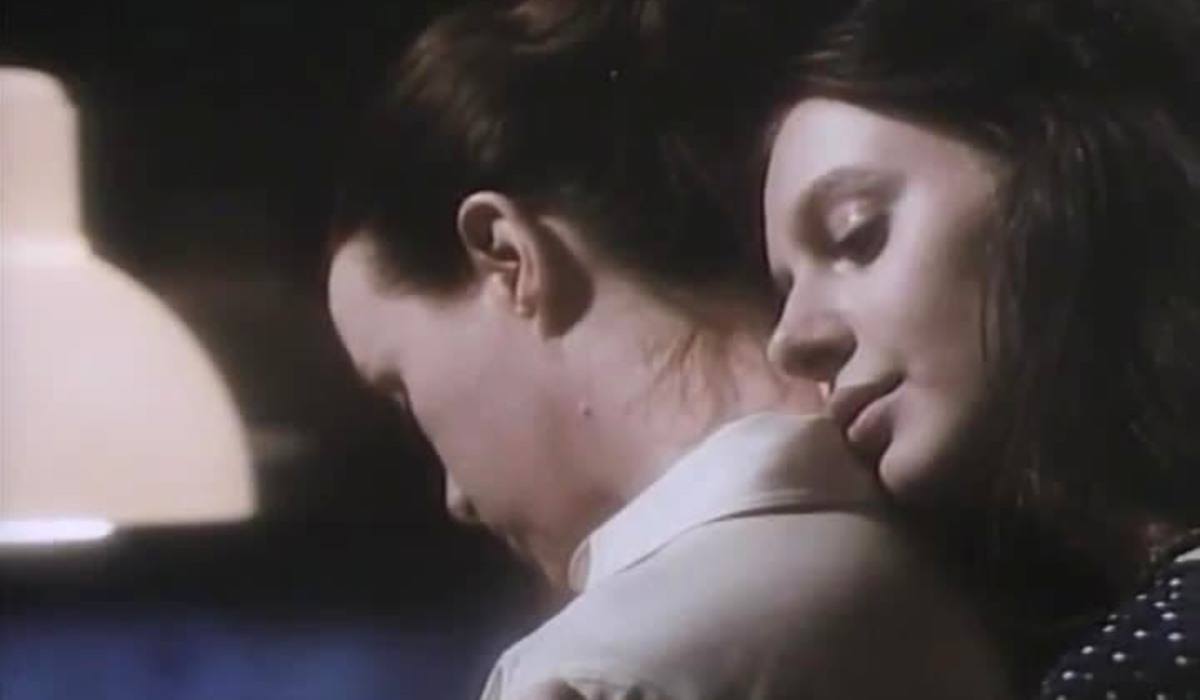
German filmmaker Margarethe von Trotta was a major figure in the New German Cinema of the 1960s-70s. She went on to embody the emancipatory Frauenfilm movement, characterized by female directors portraying strong female characters. An approach she has pursued with coherence and inspiration right up to the present day, with an ever-renewed filmography tackling the intimacy to better speak of politics, through fighting women plunged into the heart of history. In collaboration with the Goethe-Institut Montréal, we present ten of her films, including her latest, Ingeborg Bachmann.
Two sisters, Maria and Anna, live in the same apartment. The former is very efficient as an executive secretary, while her sister is depressed, thinking of quitting university and withdrawing into her diary. Two lives entwined in a common destiny.
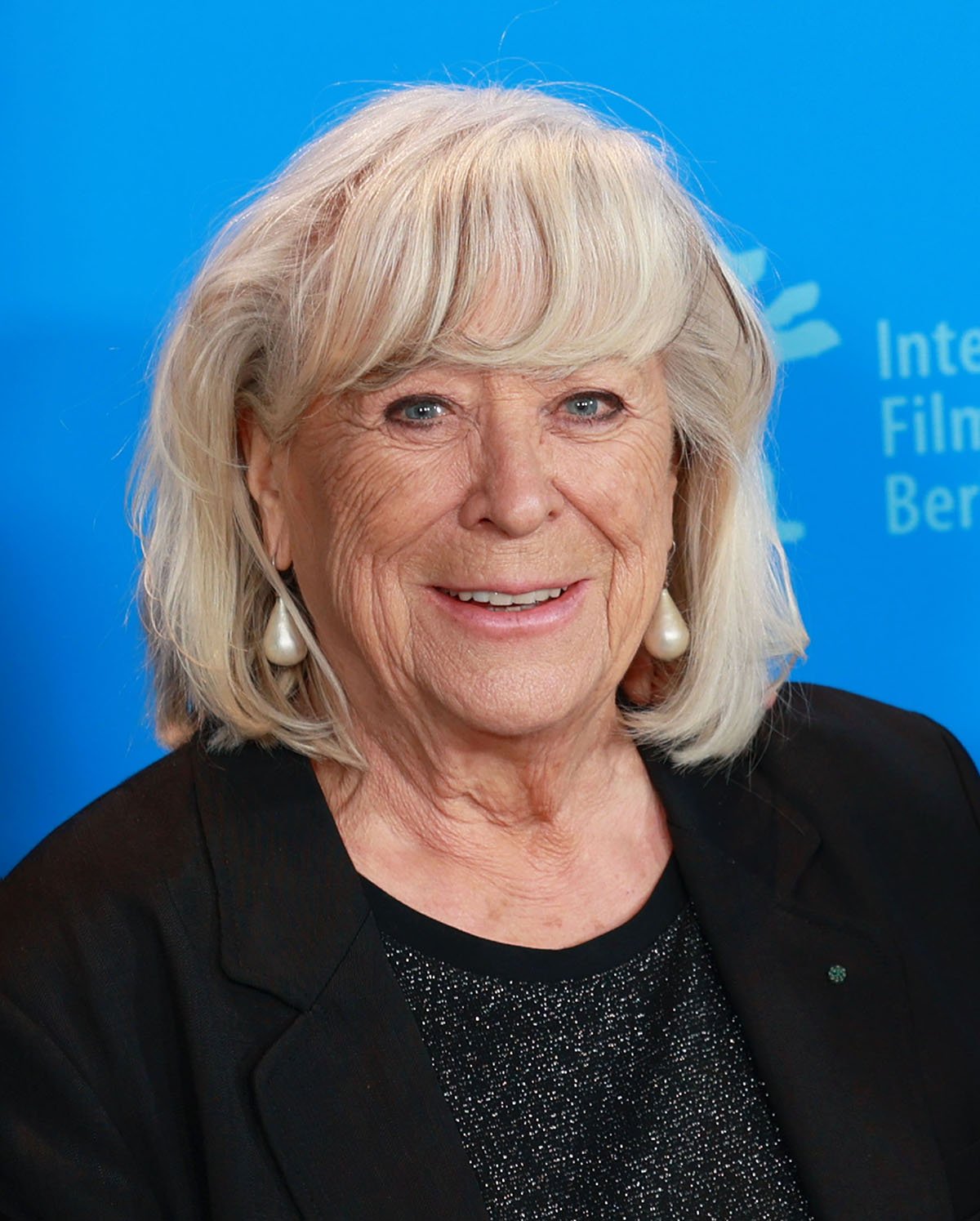
Margarethe von Trotta
Margarethe von Trotta was born in Berlin in 1942, before moving to Düsseldorf with her mother at the end of the war. In the early 1960s, she moved to Paris, where she discovered the films of Ingmar Bergman and the French New Wave, and became involved in film collectives and the production of short films. She then became an actress, notably in films by Rainer Werner Fassbinder and Volker Schlöndorff. With Schlöndorff, she co-directed The Lost Honor of Katharina Blum, before pursuing her career as a solo filmmaker. She then signed The Second Awakening of Christa Klages, in which she affirmed themes that would continue to appear throughout her work, in particular those of solidarity between women, political commitment and the emergence of violence.
Explore
Presented in collaboration with