Stagecoach
Action! If there’s one word associated with cinema, the tension of movie sets, and the focus of attention, it’s this one. Action is very often at the heart of popular cinema: Harold Lloyd hanging from the clock hands in Safety Last! (1923), Cary Grant threatened and strafed by a plane in North by Northwest (1959), Franka Potente gasping for air in Run Lola Run (1998)... Westerns, swashbuckler films, martial arts or adventure flicks, thrillers, all these genres rely on action—sometimes frenetic, sometimes meticulously measured.
From movies by Sergei Eisenstein to Gilles Carle, from John Ford to John Boorman and Werner Herzog, via Paul Verhoeven, Kathryn Bigelow, Park Chan-wook, Érik Canuel, and Nicolas Winding Refn, this series will take you through the full range of emotions, from laughter to thrills, from fear to satisfaction.
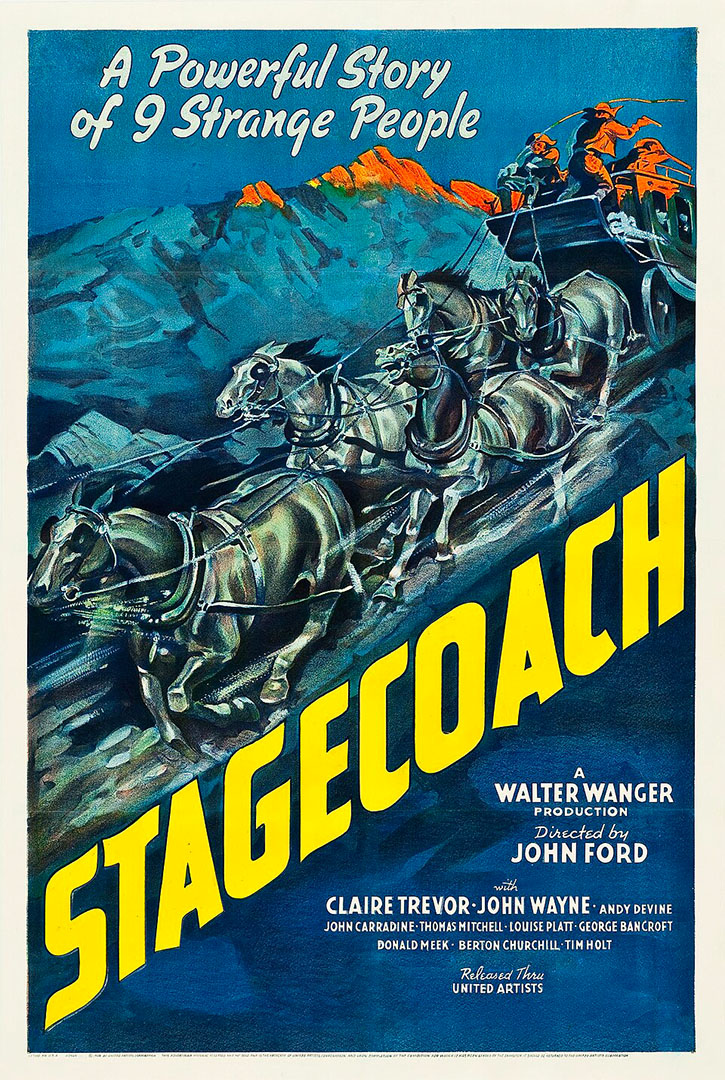
Winner of two Academy Awards in 1940
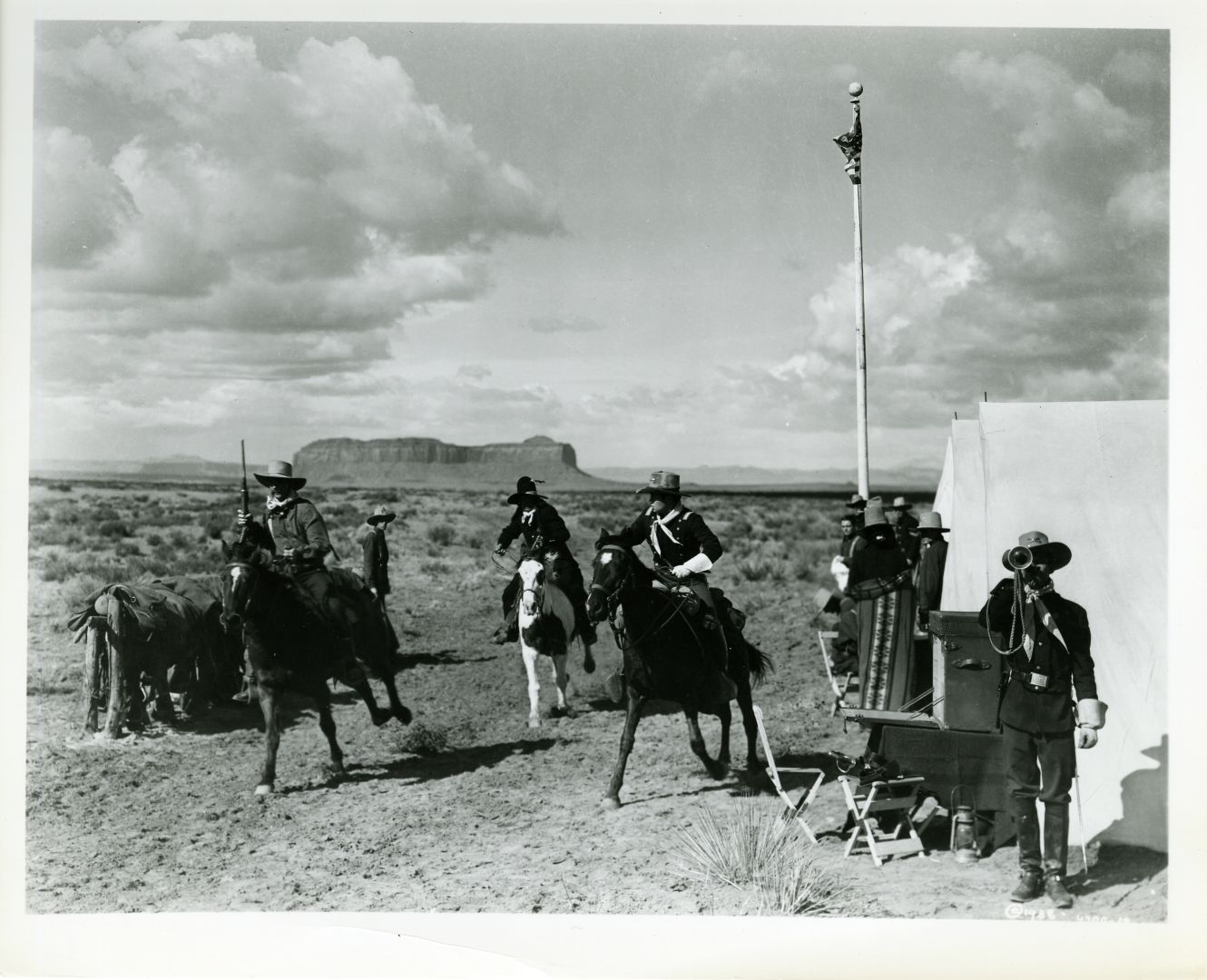
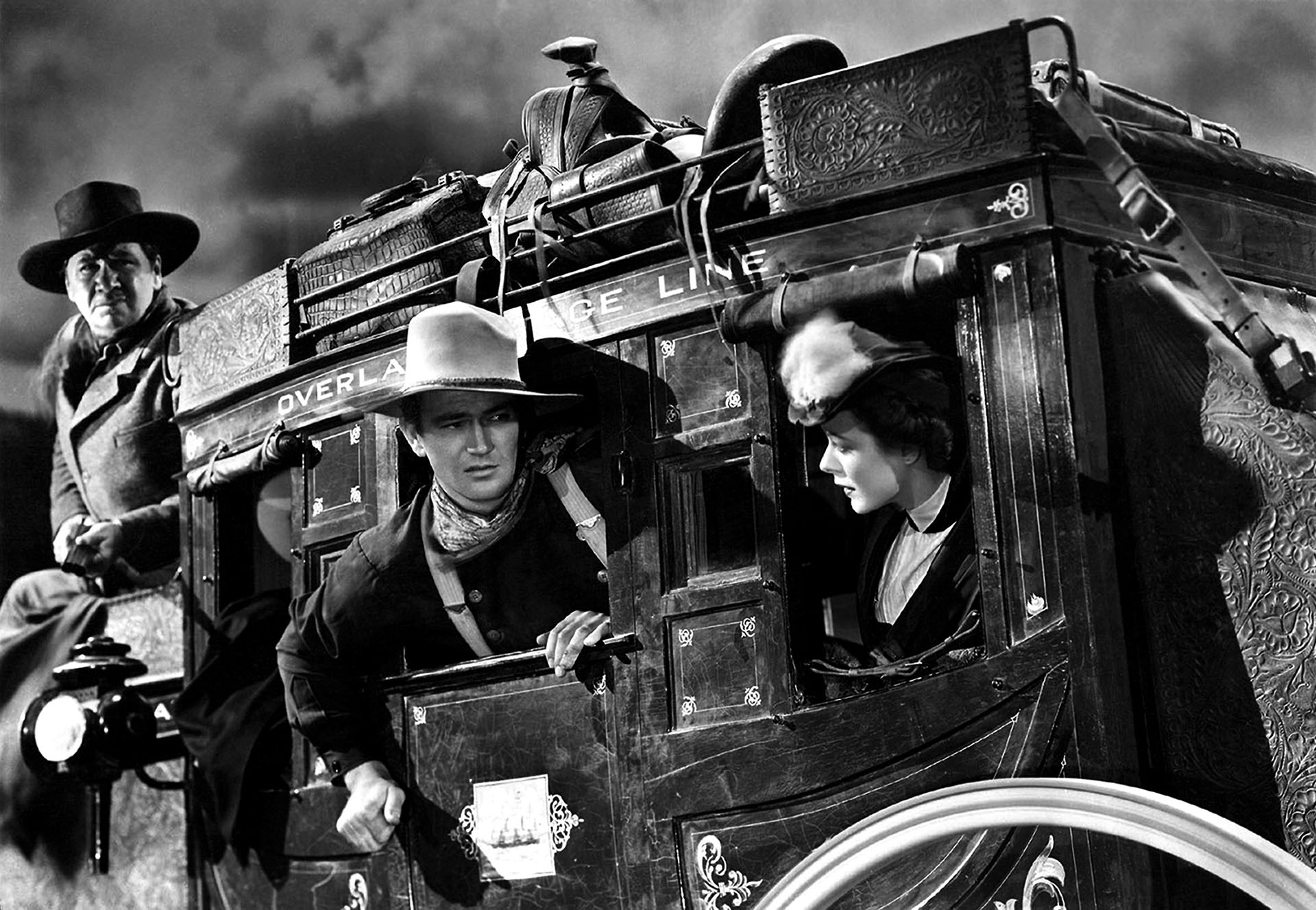
In 1885, with the Apaches threatening the camp of Tonto, Arizona, a group of civilians is evacuated by stagecoach. Ringo Kid, an outlaw who has just escaped from prison, will join them.
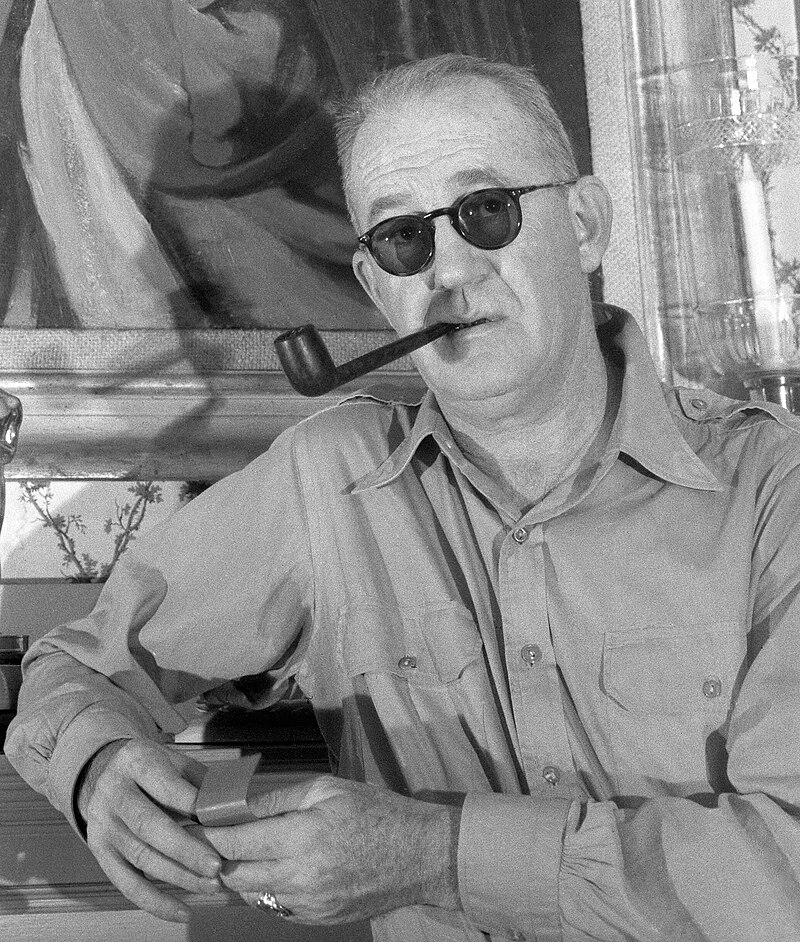
John Ford
The son of Irish immigrants, John Ford was born John Feeney in Maine in 1894. In 1914, he moved to California, where he began a career as an actor alongside his brother, the actor and director Francis Ford, from whom he took his professional name. Over the next few years, he trained on the sets as an assistant director and cameraman before moving into directing. After making dozens of silent films, many of which have since been lost, he confirmed his success with the transition to talkies and co-founded the Screen Directors Guild in 1935. Starting with Stagecoach in 1939, he created a series of classics and became famous for his Westerns. During the Second World War, Ford created the Field Photographic Branch, using Hollywood talent to document the fighting (he lost an eye), the D-Day landing, the death camps, and the Nuremberg trials. After the war, he returned to making fiction films while opposing McCarthyism. He continued to direct at a steady pace until the 1960s, creating masterpieces with an increasingly humanistic tone.