Stranger Than Paradise
We've long wanted to do a retrospective of Jim Jarmusch’s work. Over time, his cinema, which began alongside New York’s no-wave movement and a very hip and aesthetic form of American underground, has gradually ventured into more extravagant territory. An acid-fueled western (Dead Man), a samurai film in New York (Ghost Dog: The Way of the Samurai), a disillusioned vampire film (Only Lovers Left Alive), all between various strolls and wild chases of all kind (Down by Law; Night on Earth; The Limits of Control)... And then, a recent masterpiece, Paterson.
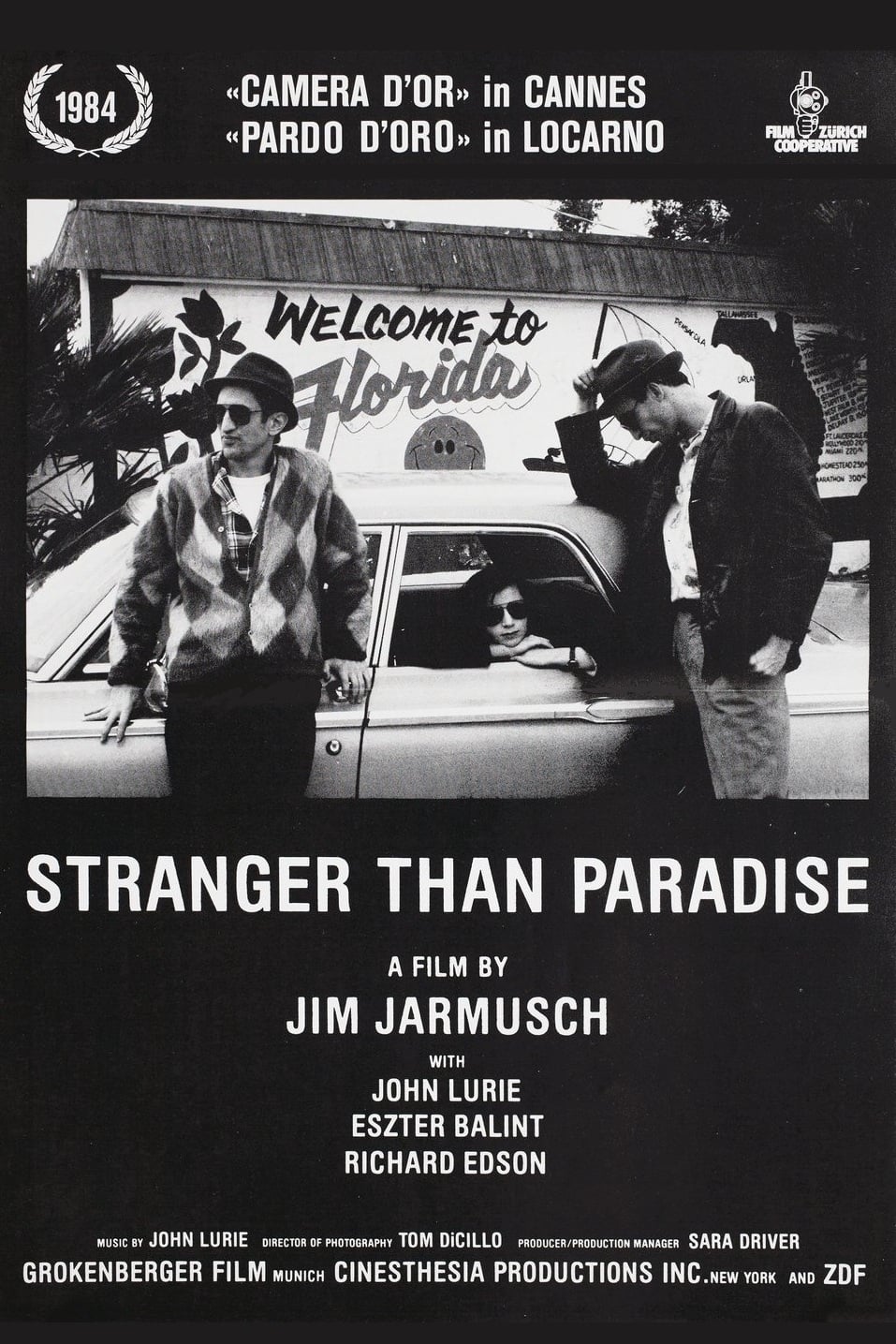
Winner of the Caméra d'or, 1984 Cannes Film Festival
Winner of the Golden Leopard, 1984 Locarno Film Festival
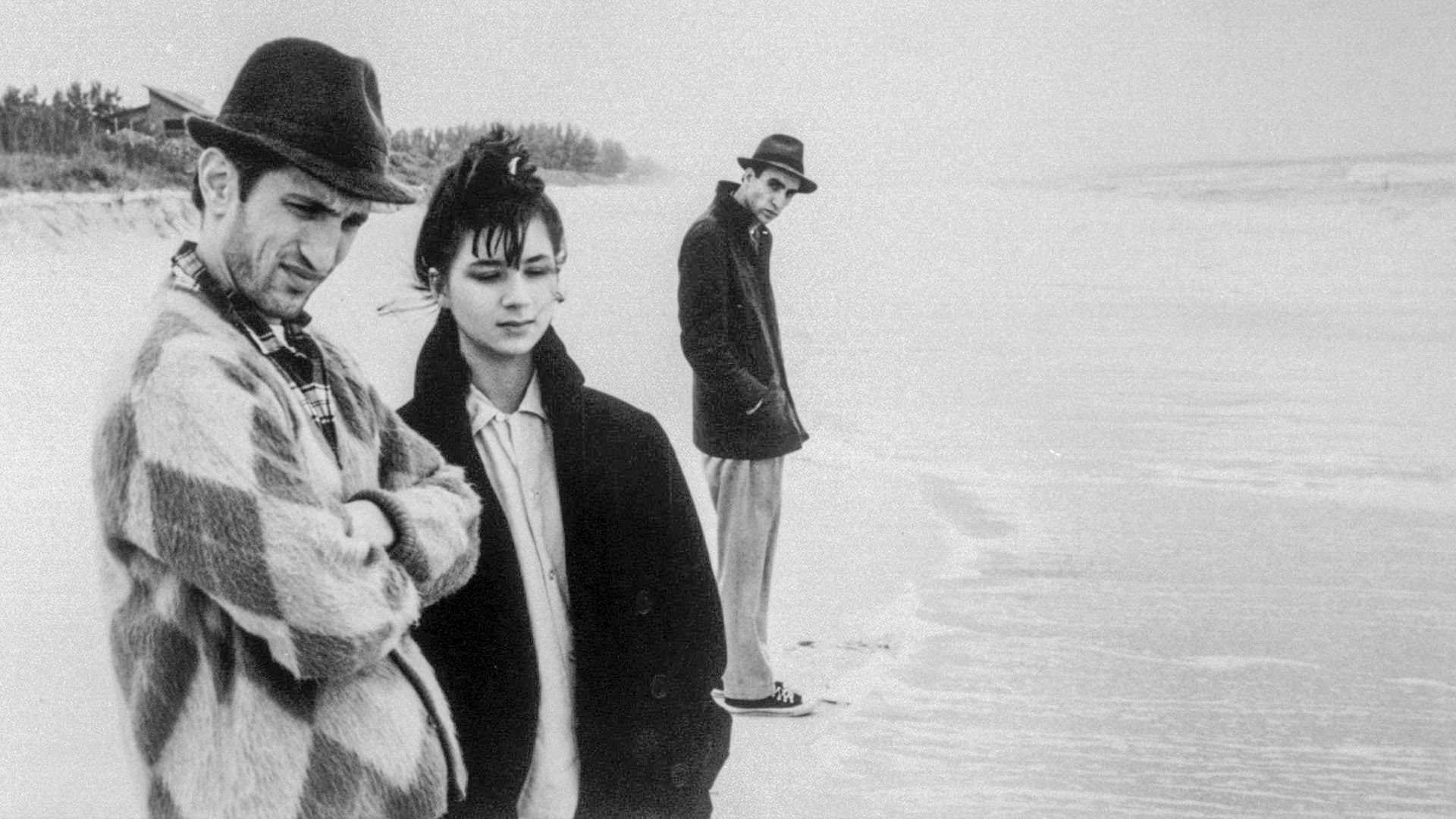
In New York, Willie welcomes Eva, his Hungarian cousin. Later, with his friend Eddie, he decides to visit her in Cleveland at old Aunt Lottie's where she's settled. From there, the trio head for Florida in search of a hypothetical paradise.
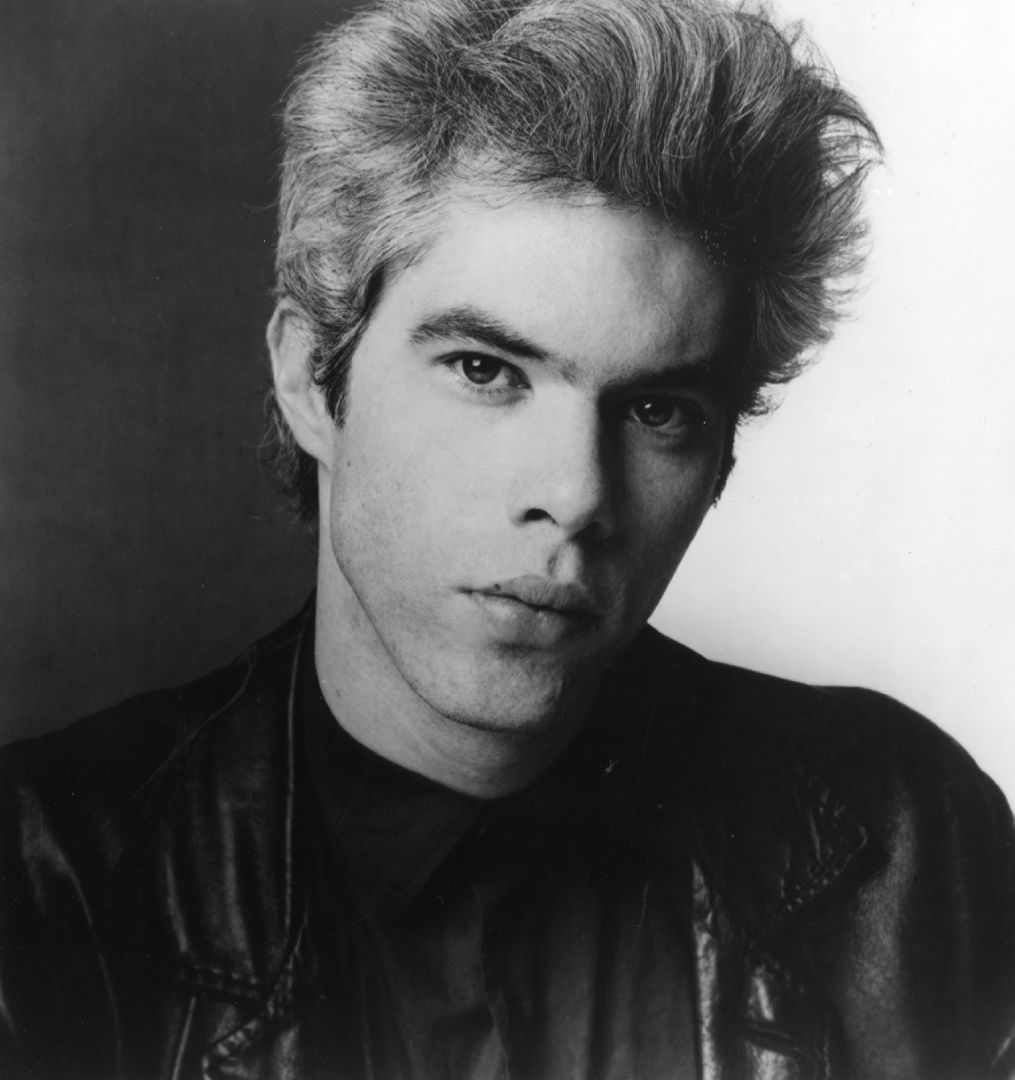
Jim Jarmusch
Jim Jarmusch was introduced to cinema by his mother, who would drop him off at the local movie theater while she went shopping. Influenced by Antonioni, Mizoguchi, and Ozu, whom he discovered at the Cinémathèque française, he enrolled in New York University to study cinema. His graduation film, Permanent Vacation, was featured in numerous festivals in 1980. The characteristics that would define Jarmusch's style and screenplays were already there: disillusioned dandyism of anti-heroes, work in asceticism, penchant for outsiders, tendency to portray a strange, offbeat daily life. He then went on to direct films such as Stranger Than Paradise (1984), winner of the Caméra d’or at the Cannes Film Festival and the Golden Leopard at the Locarno Film Festival, Down by Law (1986), Ghost Dog: The Way of the Samurai (1999), Broken Flowers (2005), winner of the Grand Prix at the Cannes Film Festival, Only Lovers Left Alive (2013), and Paterson (2016).
Photo: Véro Boncompagni | Collections de la Cinémathèque québécoise