Surreal Estate
Giants, fairies, magicians, ghosts, dragons, and monsters of all kinds… Here’s what your Cinémathèque has in store this summer! Since Méliès, filmmakers have embraced the fanstastic potential of cinema, creating infinite phantasmagorias and extraordinary spectacles where the unreal becomes real. Step into a world of fantasy and boundless imagination: whatever your generation, the monsters and wonders that once filled your childhood dreams are back this summer 2025!
Please note that this 35 mm print shows signs of wear, such as scratches and a slight red tint.
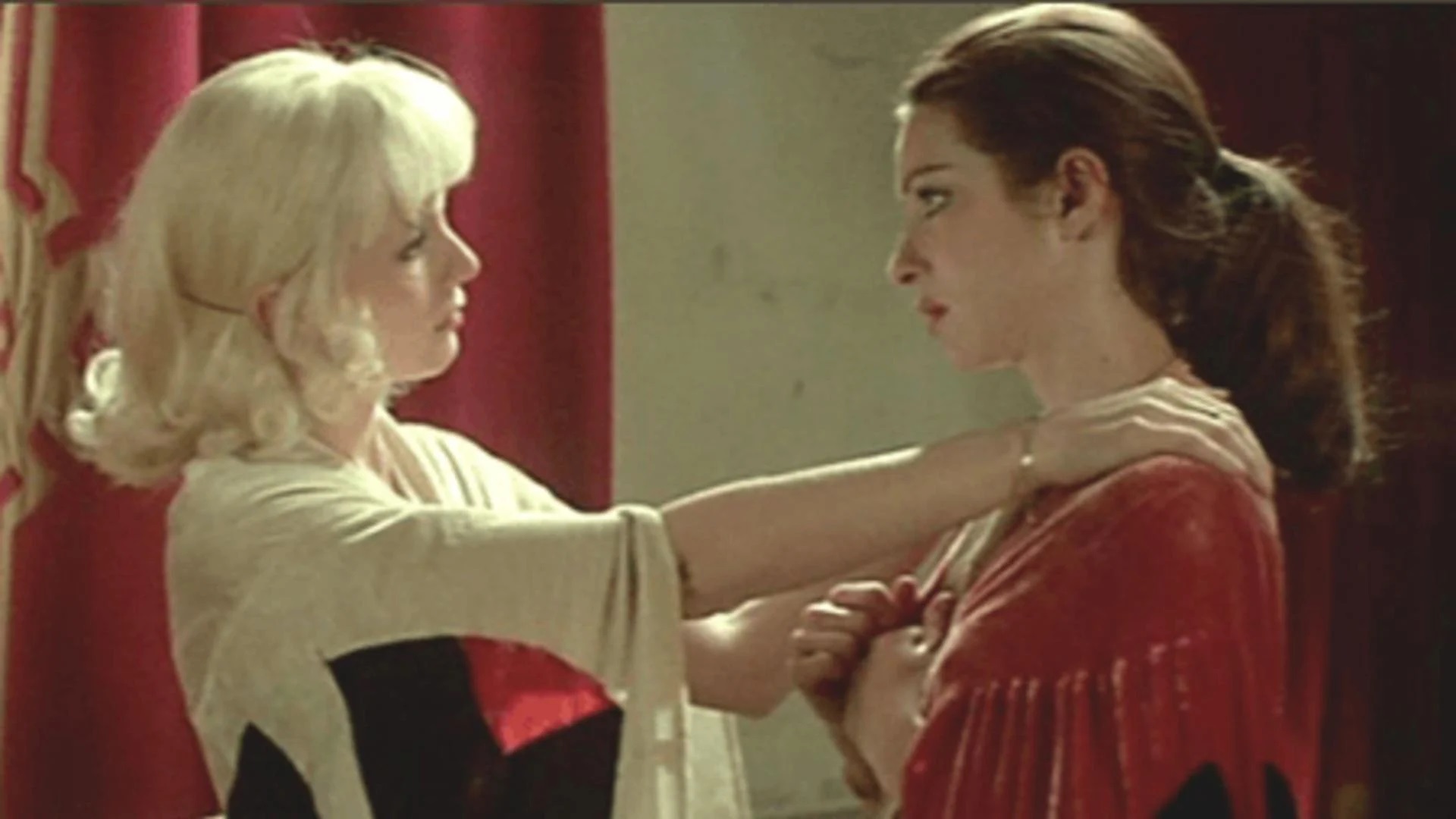
British novelist Eric Sange plans to buy a house in the French countryside. After visiting a huge old house, he finds himself completely fascinated by the three women who live there, but the attraction of the place overcomes all logic.
Eduardo de Gregorio
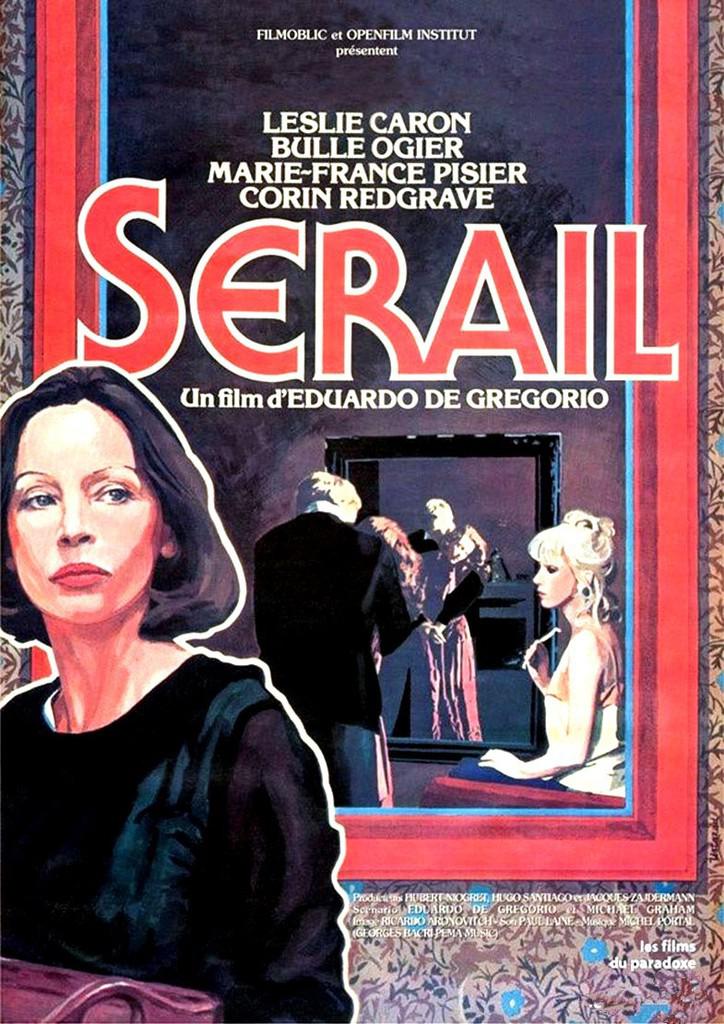
Eduardo de Gregorio is an Argentinian film director, screenwriter, dialogue writer, and teacher. He studied philosophy and literature in Argentina, which he left in 1966 shortly after General Juan Carlos Onganía's coup d'état, due to the stifling moral order. He went to London, passed through Paris, and then to Rome where he stayed until the early 1970s. There, he wrote his first screenplays for directors Maurizio Ponzi (I visionari, 1968) and Bernardo Bertolucci (The Spider's Stratagem, 1970), and acted in the film Eyes Do Not Want to Close at All Times, or Perhaps One Day Rome Will Permit Herself to Choose in Her Turn (1970) by Jean-Marie Straub and Danièle Huillet, based on Corneille's tragedy Othon. He then returned to Paris, where he settled permanently. As an adolescent, he was impressed by the films of Ingmar Bergman, Sergei Eisenstein, and Michelangelo Antonioni, but it was the profound impact of the Nouvelle Vague (French New Wave) and the Cahiers du Cinéma that inspired him to become a filmmaker. For this reason, in France, he began his career as a screenwriter for Jacques Rivette, notably for Céline and Julie Go Boating (1974) and Duelle (1976), before directing his first film: Sérail (1976). Alongside his filmmaker career, he taught at La Fémis and Université Sorbonne Nouvelle - Paris 3.