The Adventures of Robin Hood
Action! If there’s one word associated with cinema, the tension of movie sets, and the focus of attention, it’s this one. Action is very often at the heart of popular cinema: Harold Lloyd hanging from the clock hands in Safety Last! (1923), Cary Grant threatened and strafed by a plane in North by Northwest (1959), Franka Potente gasping for air in Run Lola Run (1998)... Westerns, swashbuckler films, martial arts or adventure flicks, thrillers, all these genres rely on action—sometimes frenetic, sometimes meticulously measured.
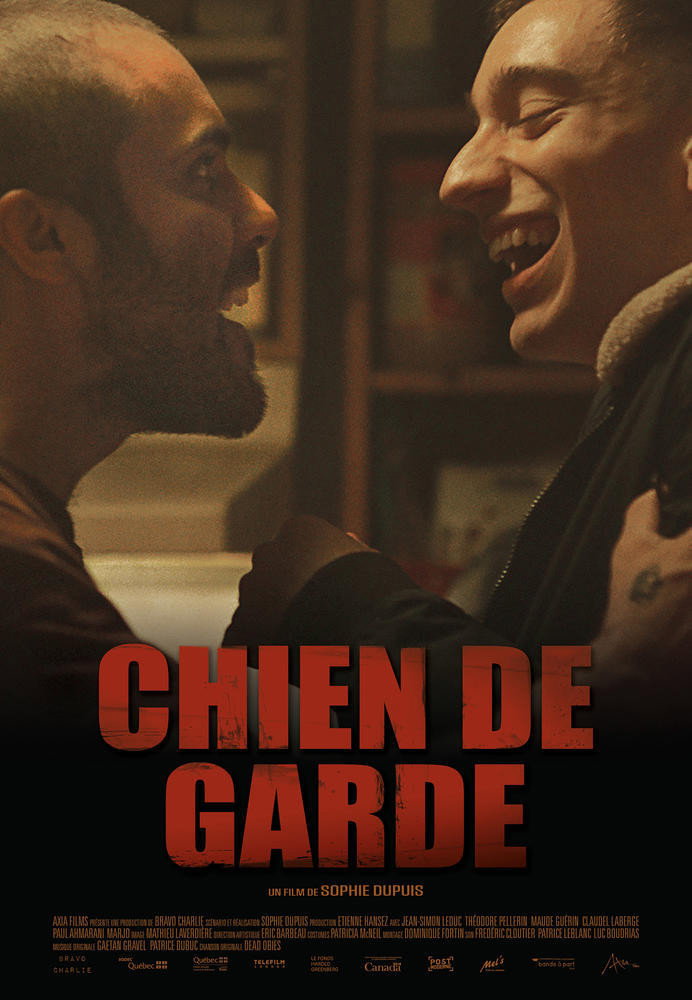
From movies by Sergei Eisenstein to Gilles Carle, from John Ford to John Boorman and Werner Herzog, via Paul Verhoeven, Kathryn Bigelow, Park Chan-wook, Érik Canuel, and Nicolas Winding Refn, this series will take you through the full range of emotions, from laughter to thrills, from fear to satisfaction.
Winner of three Academy Awards in 1939
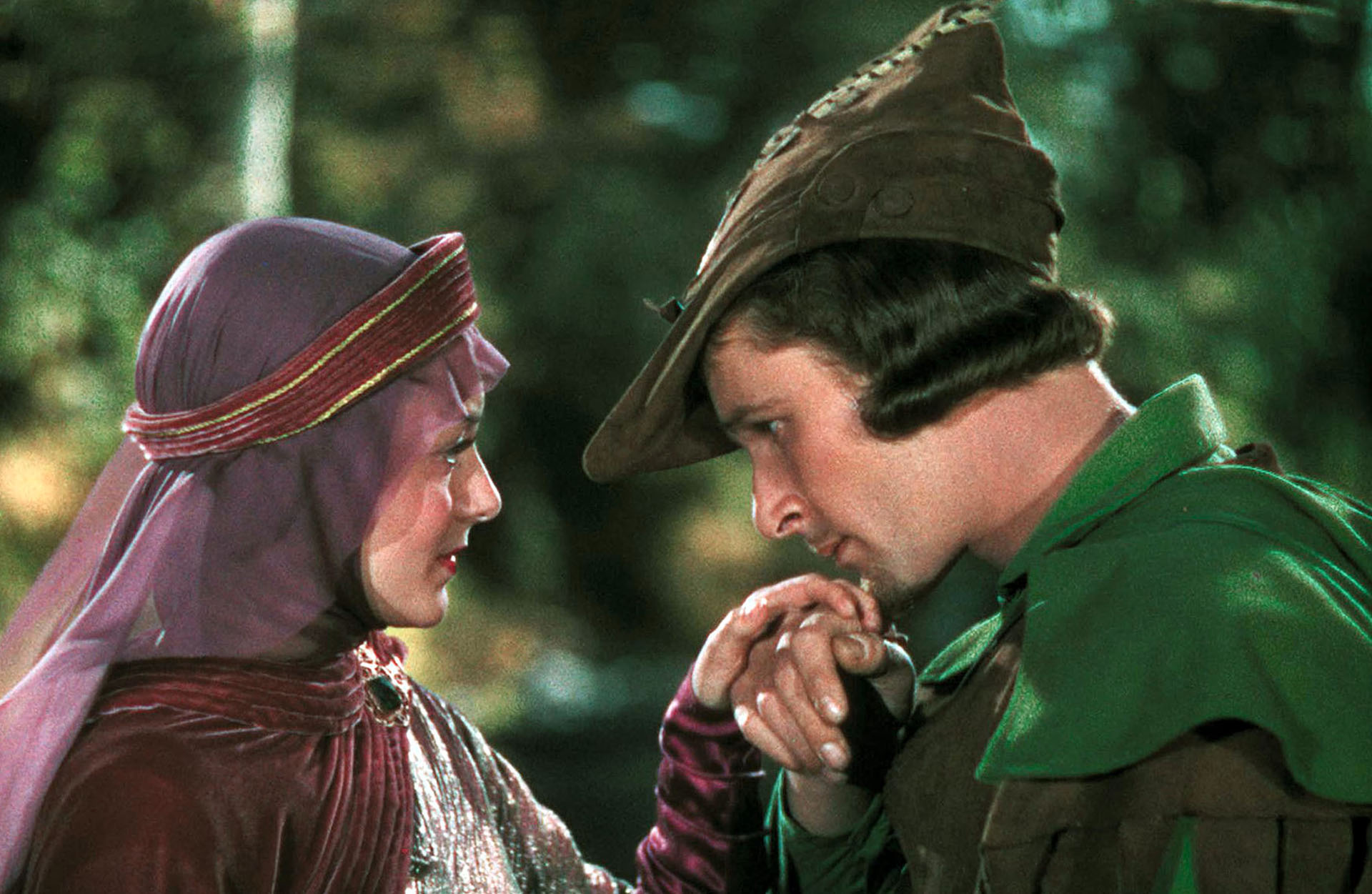
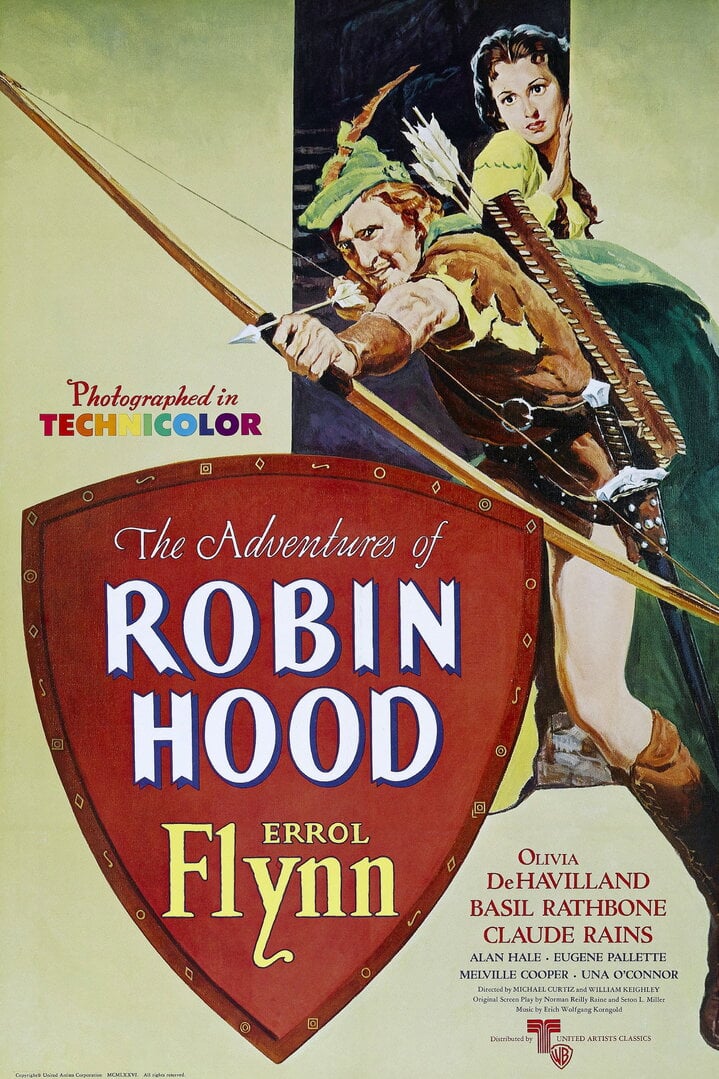
King Richard the Lionheart, having left for the Crusades, finds his throne usurped by his brother, Prince John. Robin Hood rebels against the new king and organizes the resistance. One of Errol Flynn’s greatest roles, in one of the first films shot in three-color Technicolor.
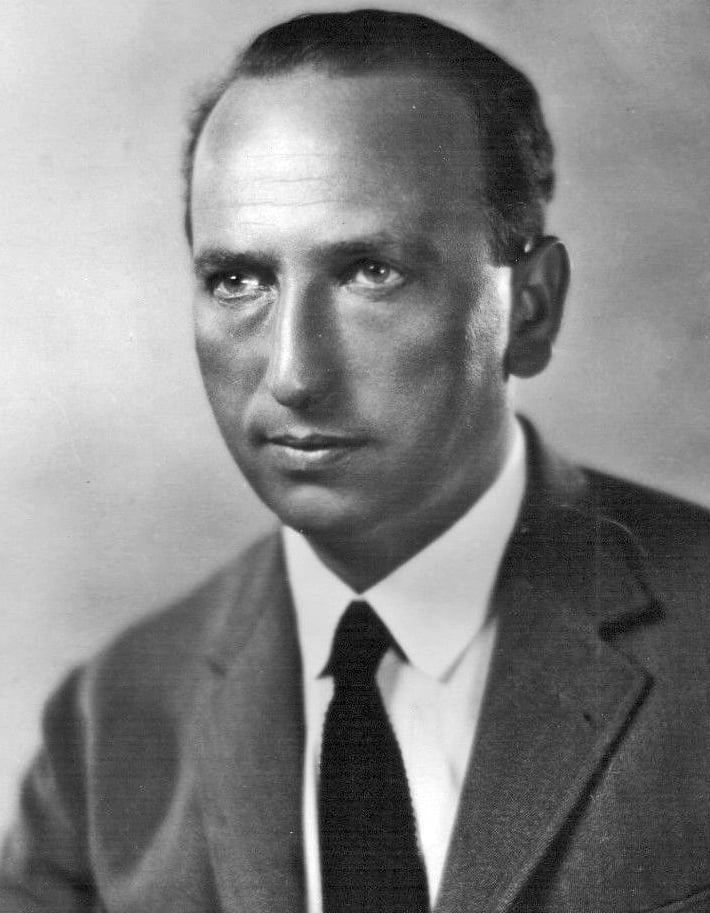
Michael Curtiz
Michael Curtiz was a Hungarian and American film director, recognized as one of the most prolific directors in history. He directed classic films from the silent era and from Hollywood's Golden Age, when the studio system was prevalent. Curtiz was already a well-known director in Europe when Warner Bros. invited him to Hollywood in 1926, when he was 39 years of age. He had already directed 64 films in Europe, and soon helped Warner Bros. become the fastest-growing movie studio. He directed 102 films during his Hollywood career, mostly at Warners, where he directed ten actors to Academy Awards nominations. He himself was nominated five times, and won twice, once for Best Short Subject for Sons of Liberty (1939) and once as Best Director for Casablanca (1942). He was among those who introduced to Hollywood a visual style using artistic lighting, extensive and fluid camera movement, high crane shots, and unusual camera angles. He was versatile, and could handle any film genre. He always paid attention to the human-interest aspect of every story, stating that the "human and fundamental problems of real people" were the basis of all good drama. Curtiz helped popularize the classic swashbuckler, with films such as Captain Blood (1935) and The Adventures of Robin Hood (1938).