The Amusement Park
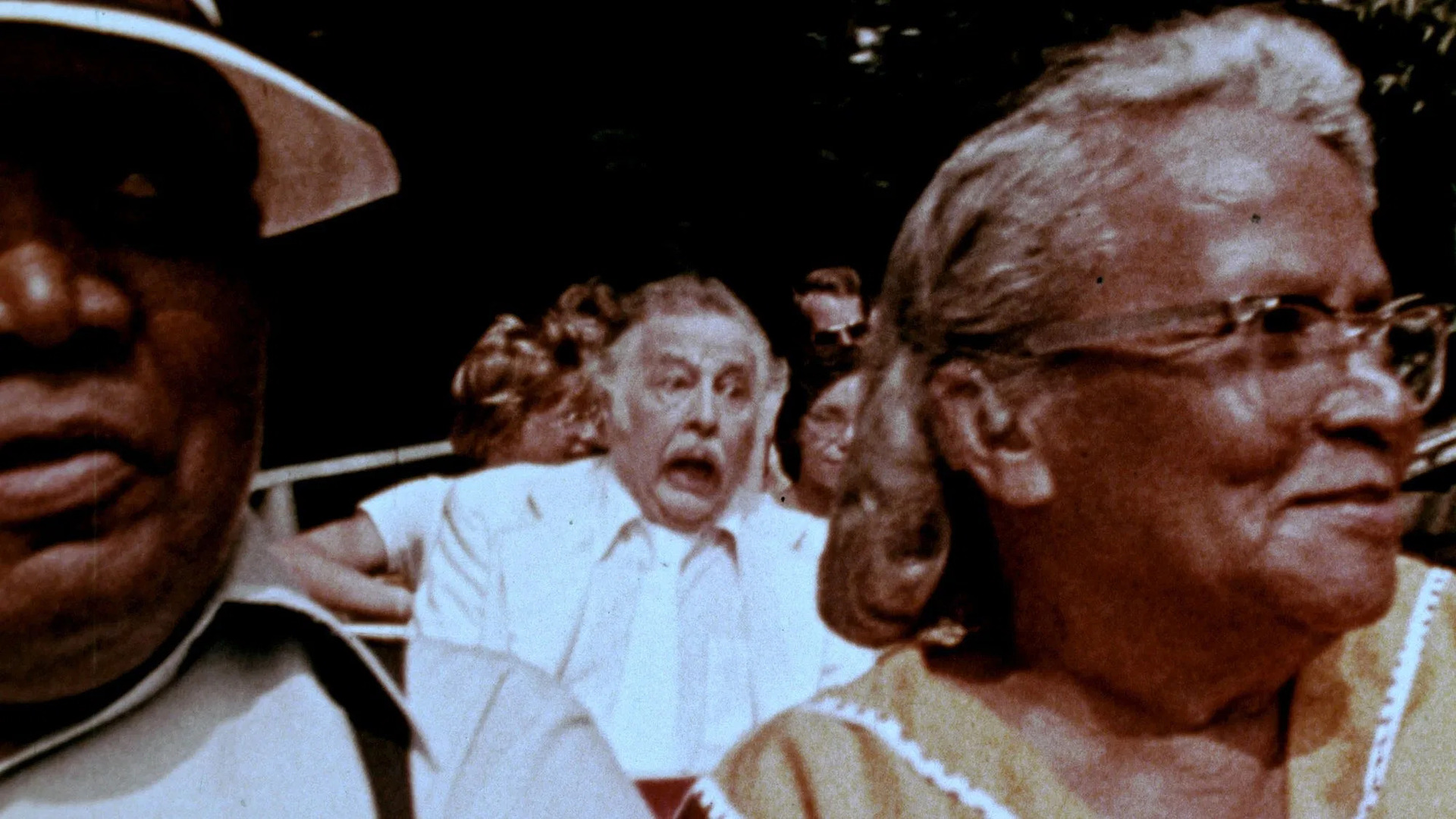
Ambiguous places, halfway between euphoria and terror, haunted by visions of the past and the future alike, amusement parks are a common backdrop in many films. Their shimmering lights, joyful crowds, and exhilarating rides often serve as a stage for contrast, where they reflect, in turn, a desire for illusion, breathless consumerism, melancholic solitude, and buried anxieties.
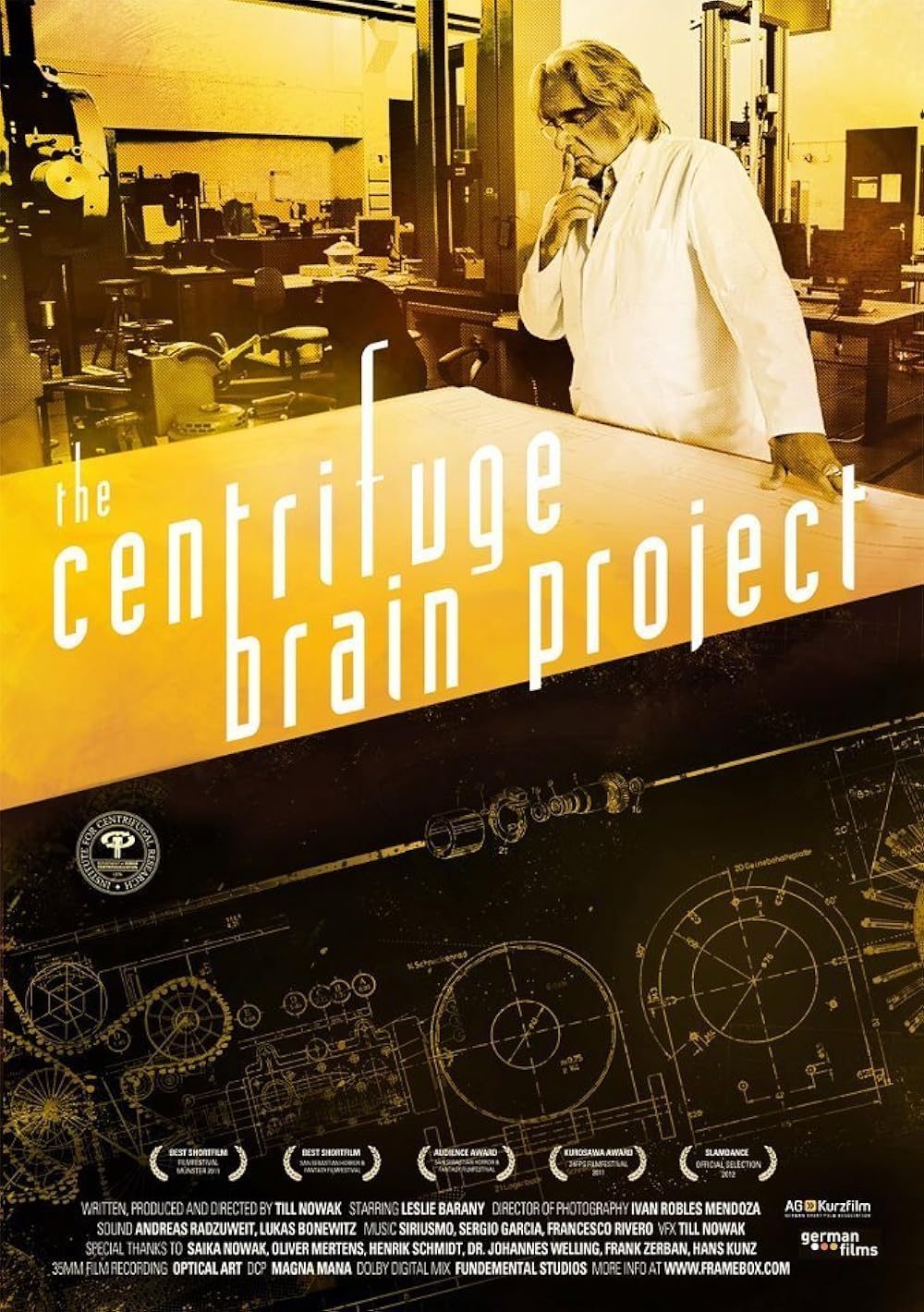
Preceded by Till Nowak's short film, The Centrifuge Brain Project
The Centrifuge Brain Project gives an insight on scientific experiments with amusement park rides. It is about our sometimes mislead search for happiness - in the crazy world we live in.
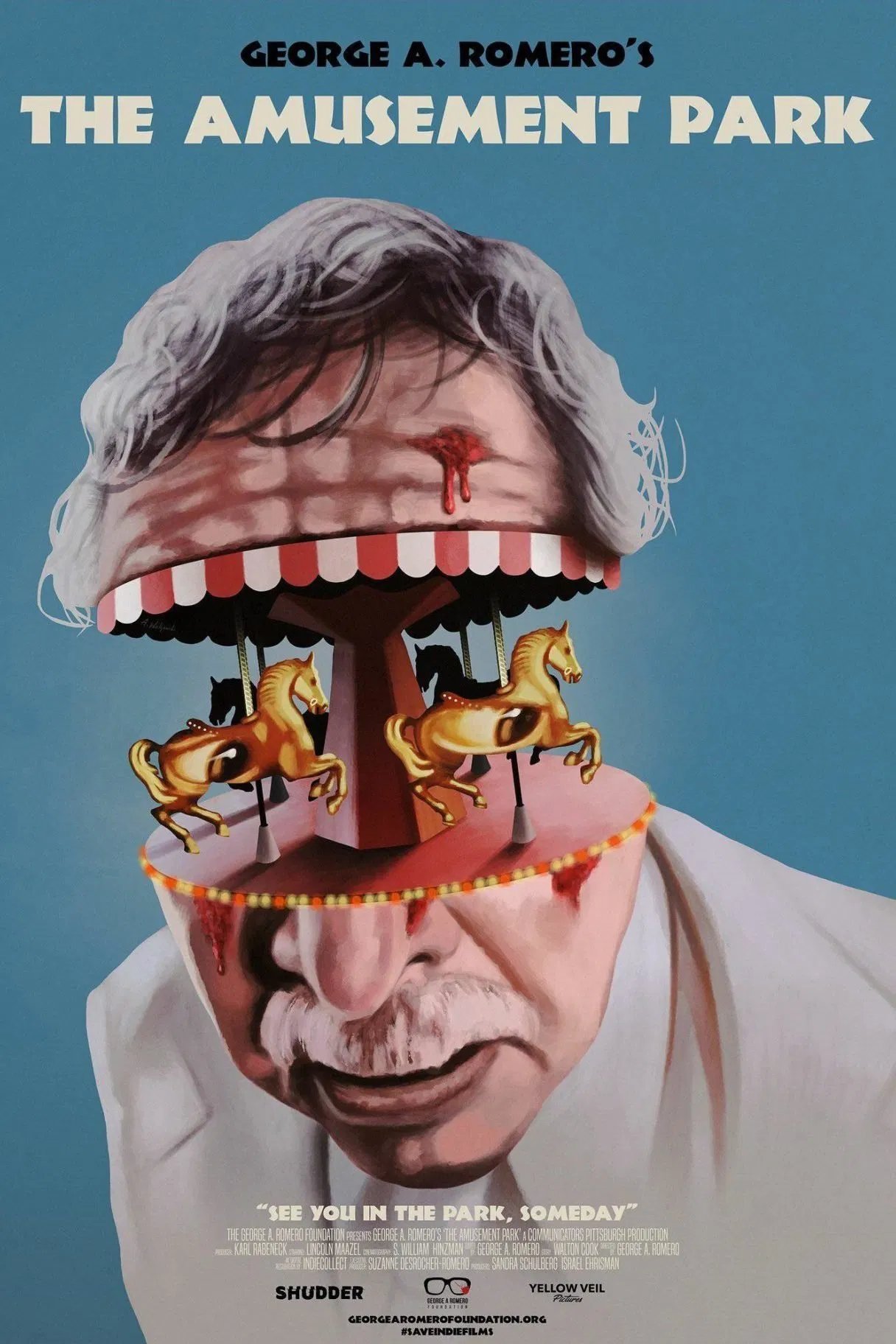
An elderly man goes to an amusement park where he believes he will have a wonderful day. He has no idea that he is about to experience a terrifying nightmare. Shot in 1973, this film was commissioned by a religious association that wanted to raise awareness about the sad fate that sometimes faces elderly people in society. The film shocked the association so much that it was never released. The film was rediscovered in 2018.
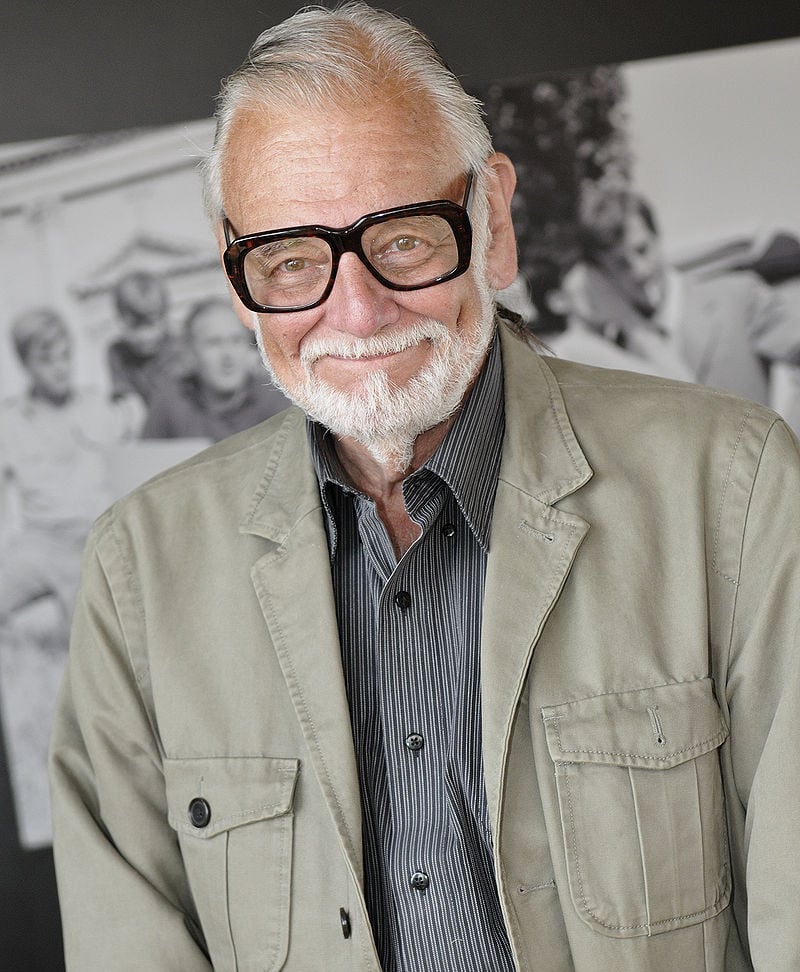
George A. Romero
George A. Romero was an American-Canadian film director, writer, editor and actor. He is regarded as an influential pioneer of the horror film genre, particularly zombie films, for which he has been called an "icon." The first half of his Night of the Living Dead series — Night of the Living Dead (1968), Dawn of the Dead (1978), and Day of the Dead (1985) — are considered three of the best and most influential horror films ever made, and were major contributors to the image of the zombie in modern culture. Noted for his frequent social commentary, Romero had a prolific career outside of zombie films, albeit mostly still within horror: The Crazies (1973), The Amusement Park (1975), Martin (1977), Creepshow (1982) and Monkey Shines (1988) are regarded as minor cult works, as is his anthology television series Tales from the Darkside (1983-1988). His ventures outside horror include the feminist drama Season of the Witch (1972) and the action film Knightriders (1981), while his final three films form the second half of his Night of the Living Dead franchise.
.jpg)