The Autobiography of Nicolae Ceaușescu
In its latest issue, the film magazine 24 images dedicates a special feature to the theme of our symposium, Film Archives Beget Films, to be held on April 28-29. In conjunction with this editorial coverage, and just ahead of the symposium, we are presenting a program entirely focused on this theme; the re-use of archival film footage in films. While not aiming to be exhaustive, the program highlights the diversity of practices from an aesthetic and historical perspective.
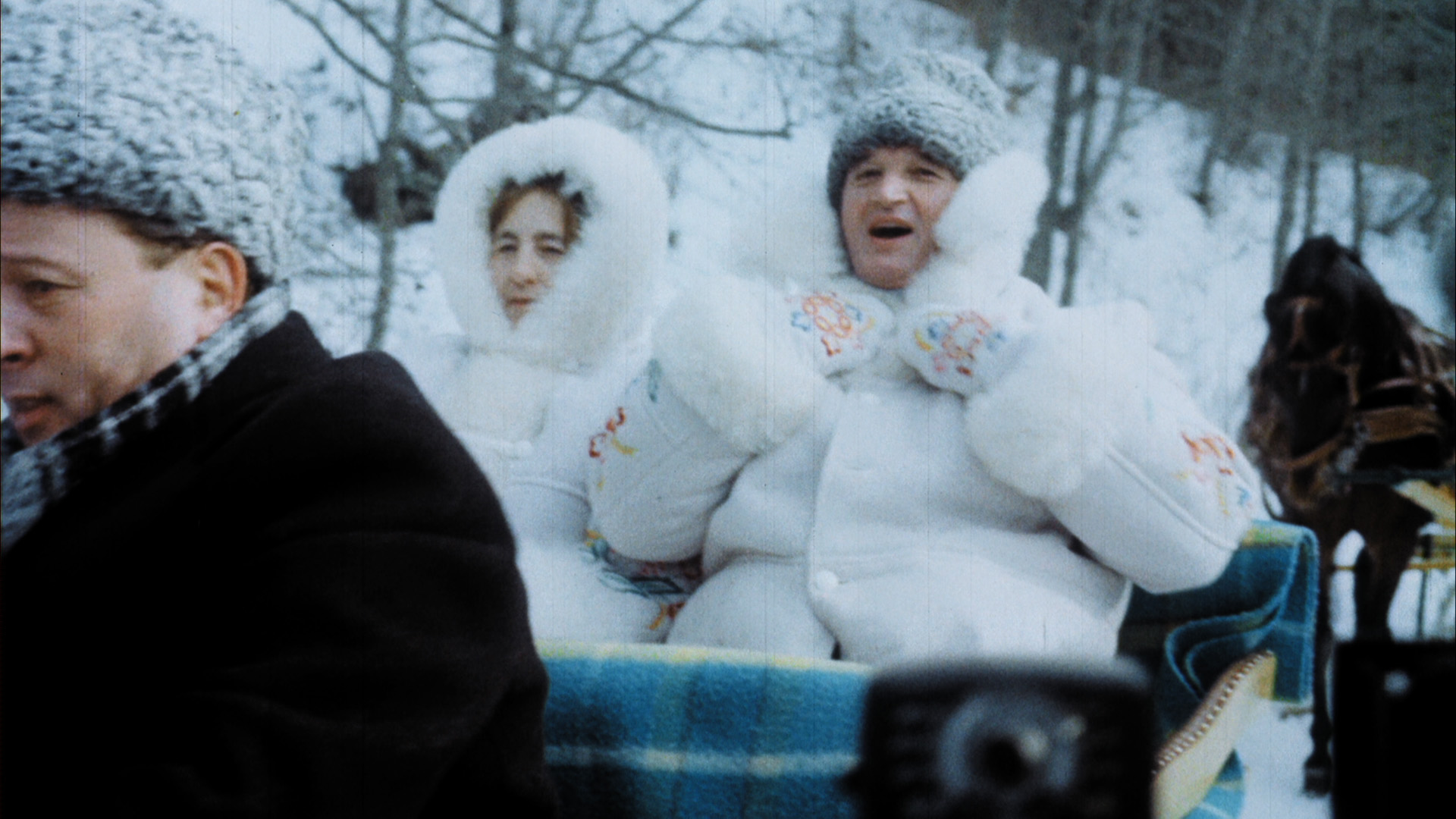
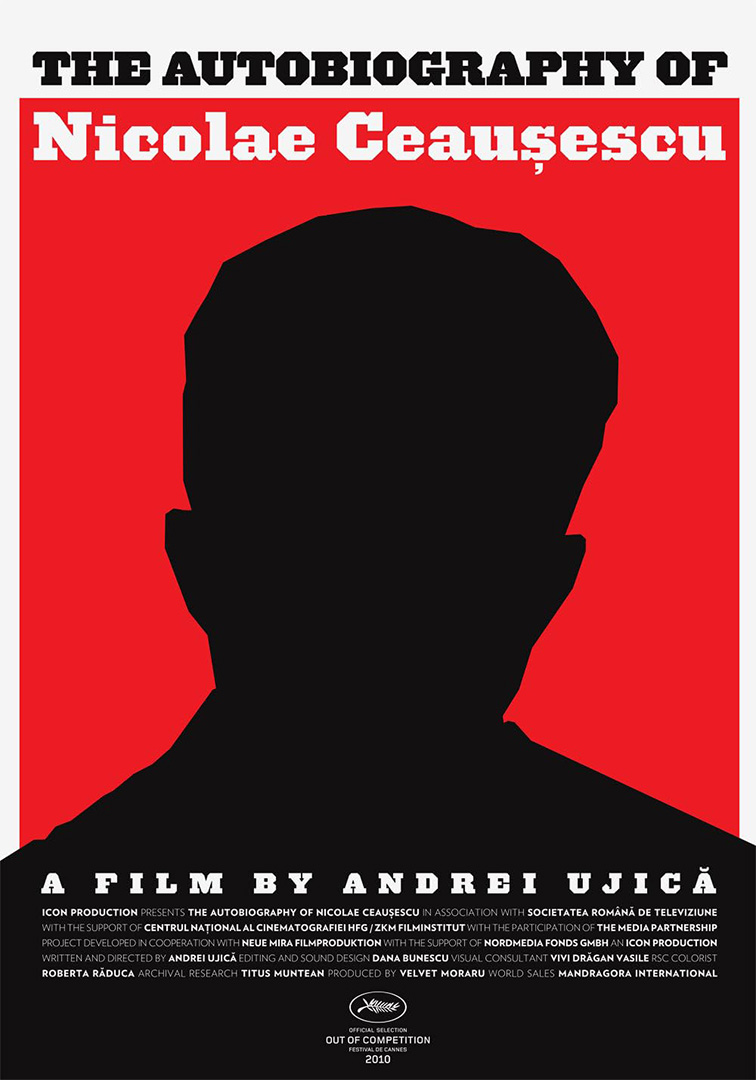
Made exclusively from archival material pieced together without any clarifying directorial intervention, The Autobiography of Nicolae Ceaușescu offers the key to interpretation right from the title – the construction based on official footage, not strictly chronologically ordered, retraces Nicolae Ceaușescu’s memories of the last 25 years of his life, from his rise in the Romanian Communist Party to the 1989 Revolution.
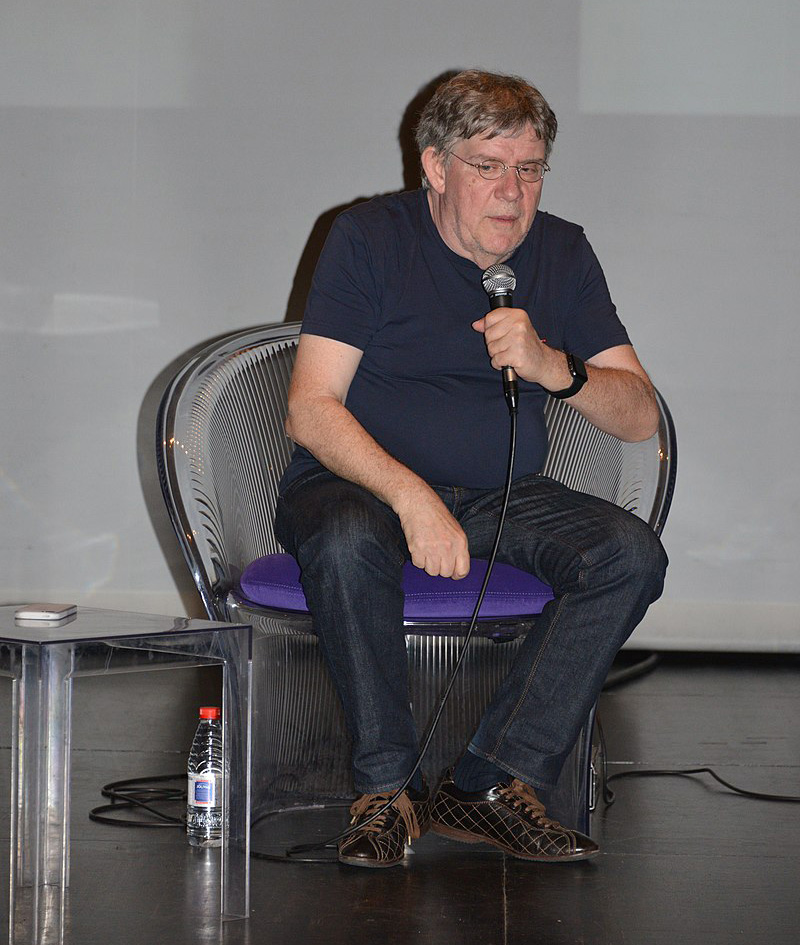
Andrei Ujică
Andrei Ujică is a Romanian screenwriter and director. He began making films in 1990. Together with Harun Farocki, he created Videograms of a Revolution (1992), a film which has become a standard work in Europe when referring to relationships between political power and the media, and the end of the Cold War. It was listed by the magazine Cahiers du Cinéma as one of the top 10 subversive films of all time. His next work, Out of the Present (1995), told the story of the cosmonaut Sergei Krikalyov who spent 10 months on board Mir, while back on Earth, the Soviet Union collapsed. The film has been compared to classics such as 2001: A Space Odyssey and Solaris and is considered one of the non-fiction cult films of the 1990s. In 2001, Ujică became a film professor at the Karlsruhe University of Arts and Design. He founded the ZKM Film Institute in 2002 and is its director. In 2010, he directed The Autobiography of Nicolae Ceaușescu.
.JPG)