The Elf King
Giants, fairies, magicians, ghosts, dragons, and monsters of all kinds… Here’s what your Cinémathèque has in store this summer! Since Méliès, filmmakers have embraced the fanstastic potential of cinema, creating infinite phantasmagorias and extraordinary spectacles where the unreal becomes real. Step into a world of fantasy and boundless imagination: whatever your generation, the monsters and wonders that once filled your childhood dreams are back this summer 2025!
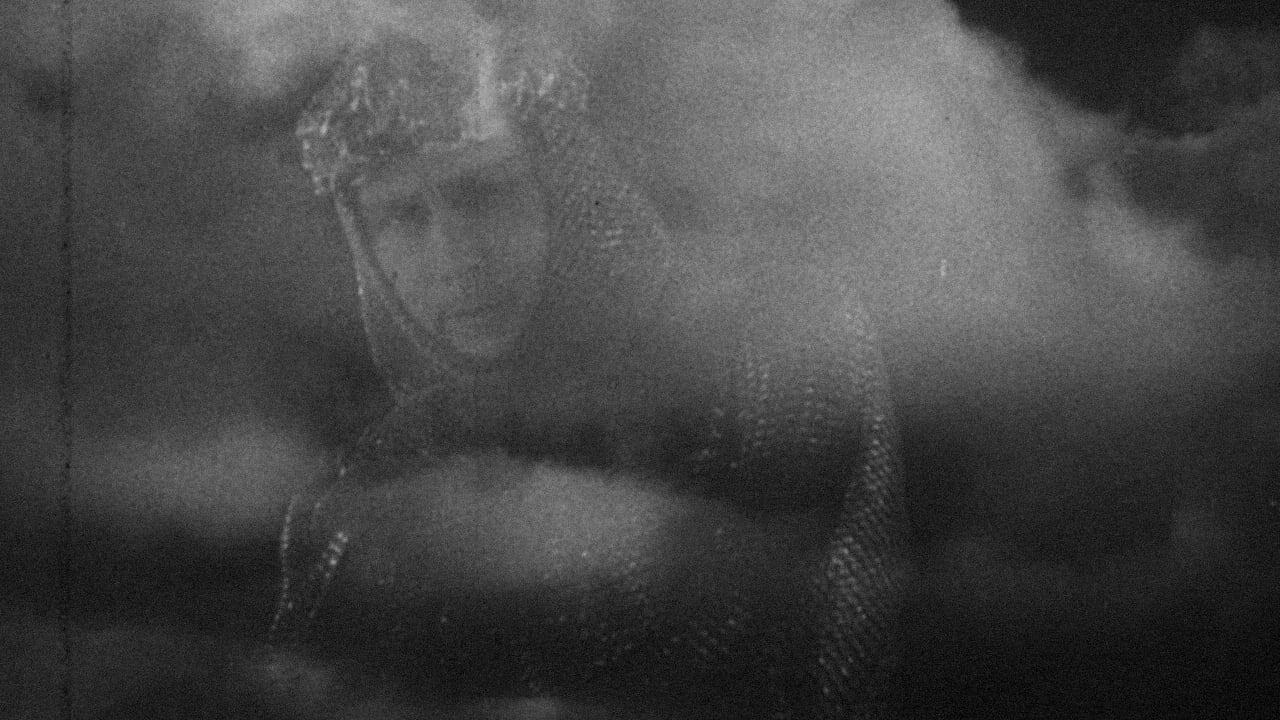
As a young father carries his ailing son to their lodgings on horseback, the child repeatedly hears Death, whom he sees as the Erl-King, calling to him. The Erl-King features in a number of German poems and ballads as an evil being who haunts forests and lures travellers to their deaths. The film is based on a poem by Goethe.
Marie-Louise Iribe
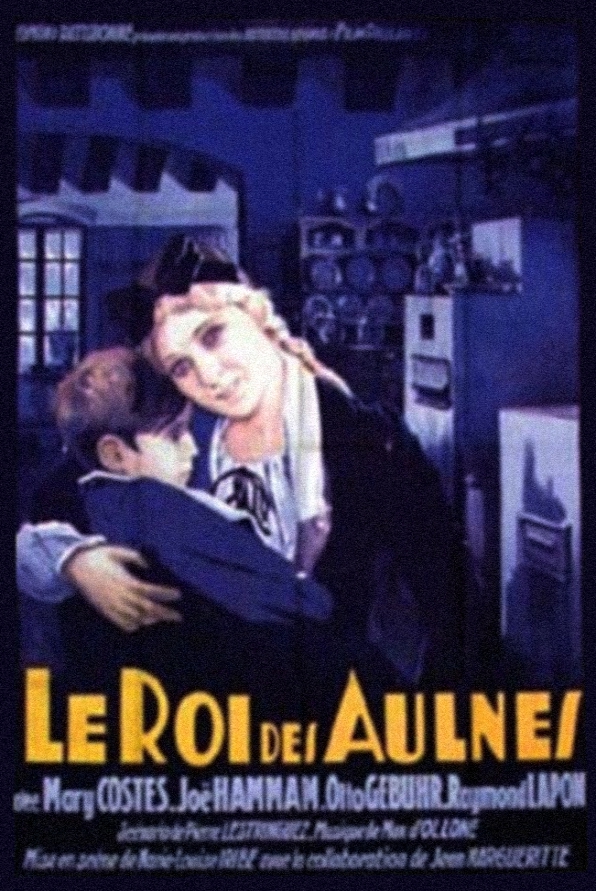
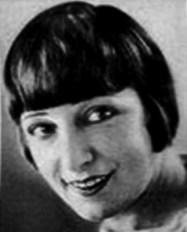
Marie-Louise Iribe was an actress, film director, and producer. After studying at the Conservatoire de Paris and spending some time on stage, she made her film debut in 1912 in Fleur fanée, cœur aimé by René Le Somptier. She went on to appear in 17 silent films and one talkie. Her greatest success came in 1921 with L'Atlantide, directed by Jacques Feyder. In 1925, she began producing films through her company, Les artistes réunis. She produced Jean Renoir's Marquitta, in which she also played the title role. She also produced Henri Debain's Chantage, in 1927. She succeeded Debain as director of the 1928 film Hara-Kiri. In 1930, she also directed, produced and starred in her final film, her only talkie, The Elf King, based on the ballad by Goethe, for which she also shot a German version.
Explore
Présenté en collaboration avec