The Flying Ace
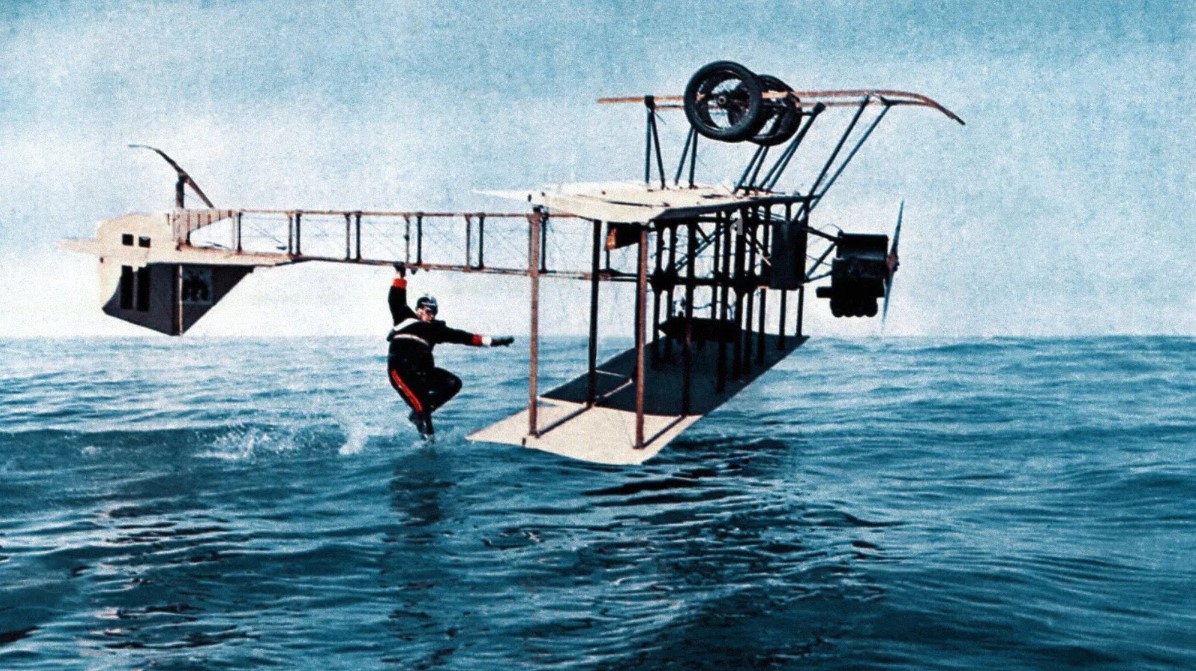
Cinema and aviation took their first steps and took off around the same time. In their own way, the marvelous modern machines that are cameras and airplanes brought humans closer to their dreams. It’s no surprise then that filmmakers became fascinated with aerial feats and those bold enough to conquer the skies.
Guest programmer : John Harbour
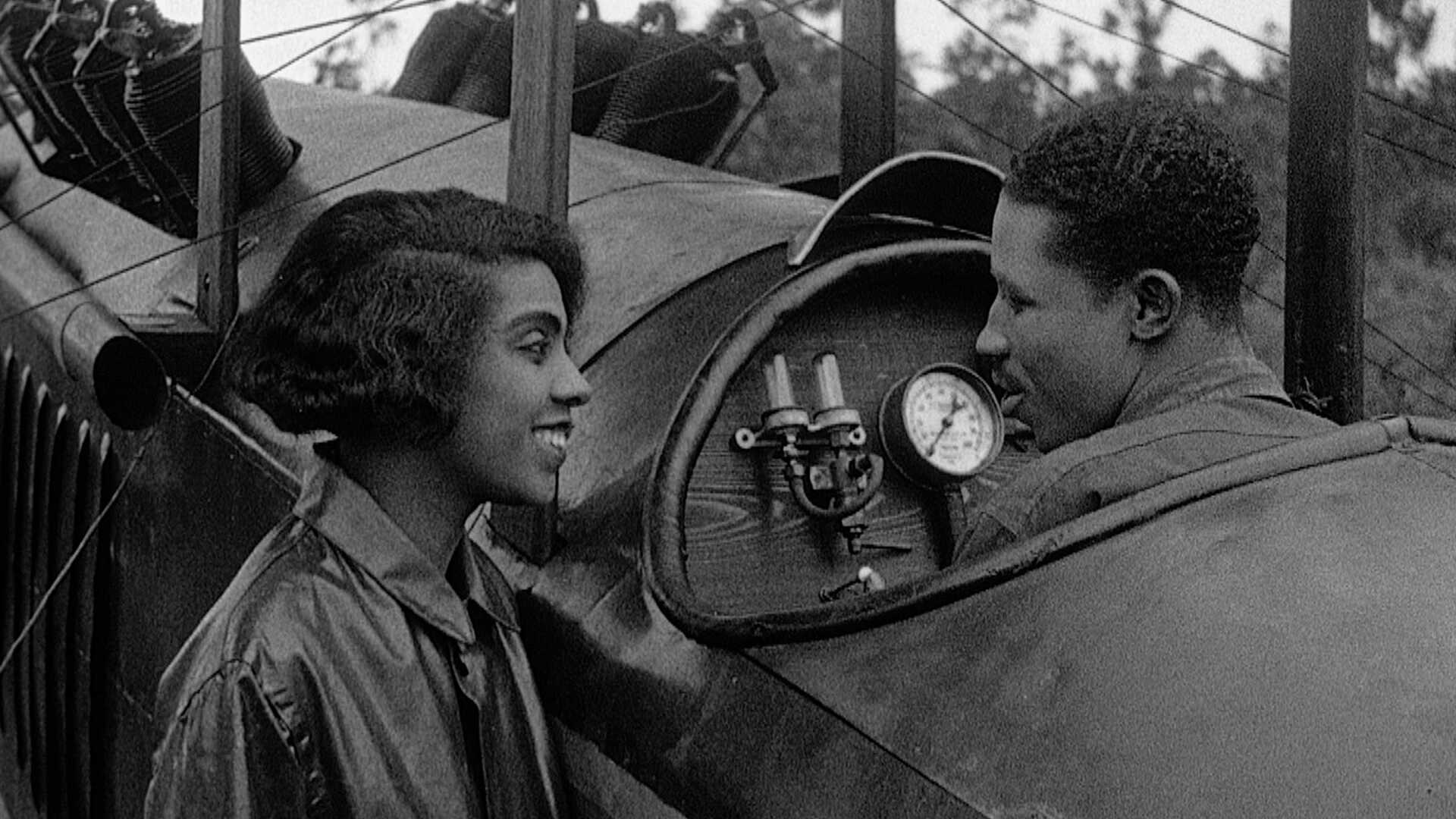
When a railroad paymaster and the money he was carrying go missing, Billy Stokes, a former World War I pilot known as Flying Ace, is put on the case.
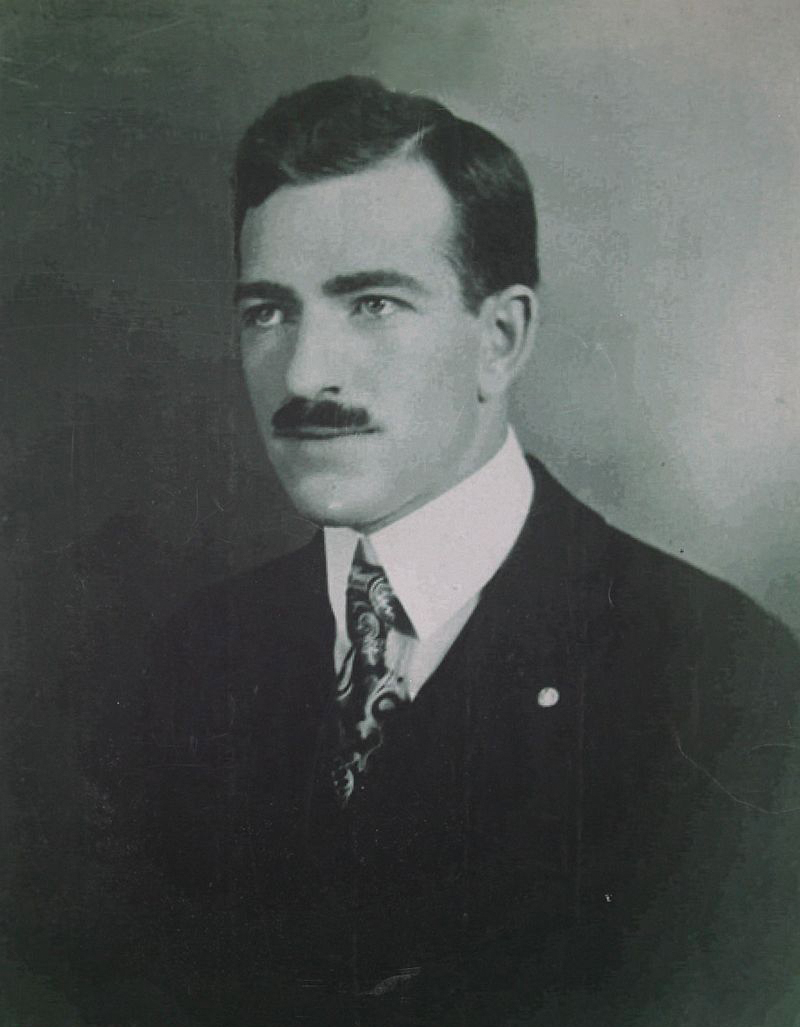
Richard E. Norman
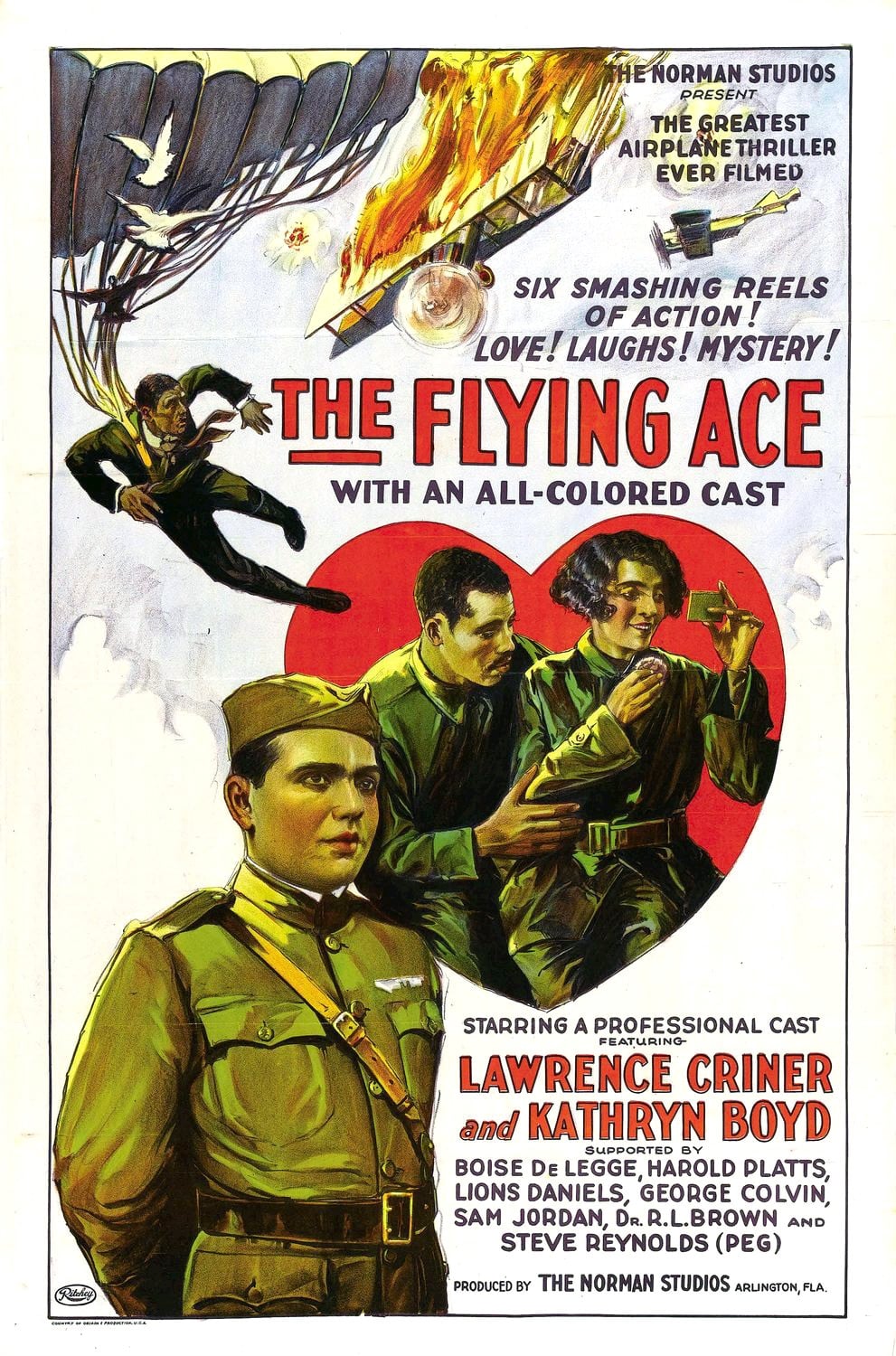
Richard E. Norman started his film career in the Midwest. His early work was a series of home talent films, in which he would travel to various towns with stock footage and a basic script, recruiting local celebrities for minor roles. They would film a small portion of footage over the course of a few days, and then process the films at Norman's laboratory in Chicago. These films, including The Wrecker and Sleepy Sam, the Sleuth, would be screened and any funds raised would be split between Norman and the town. He moved to Jacksonville during the height of the film industry and bought what would become Norman Studios in 1920 at the age of 29. One of the most prominent studios creating films for black audiences in the silent era, Norman's films featured all-black casts with protagonists in positive roles. His first silent film with an all-black cast was The Green-Eyed Monster (1919), which drew on early racial stereotypes and was adapted from his earlier home talent film The Wrecker. During its run, the studio produced eight feature films and numerous shorts with only one surviving film: The Flying Ace (1926), restored by the Library of Congress.
On our blog
Aventures aériennes
John Harbour, programmateur invité du cycle Aventures aériennes, nous partage sa passion pour l'aviation et ses réflexions sur la façon dont elle a fait rêver l'humanité comme le cinéma.