The Funhouse
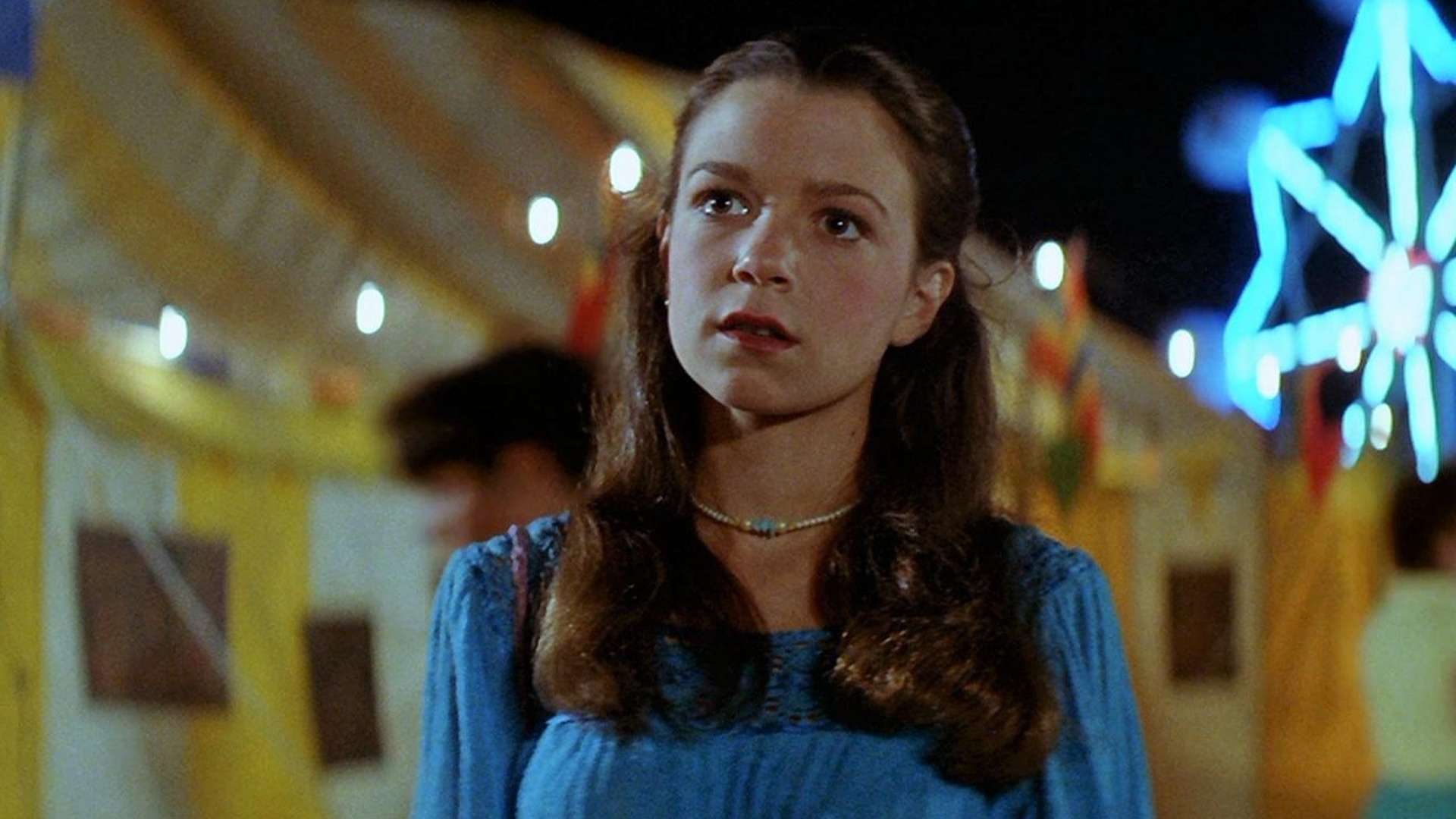
Ambiguous places, halfway between euphoria and terror, haunted by visions of the past and the future alike, amusement parks are a common backdrop in many films. Their shimmering lights, joyful crowds, and exhilarating rides often serve as a stage for contrast, where they reflect, in turn, a desire for illusion, breathless consumerism, melancholic solitude, and buried anxieties.
Four teenagers out at a fair decide to stay after closing time to spend the night in a mysterious dark ride...

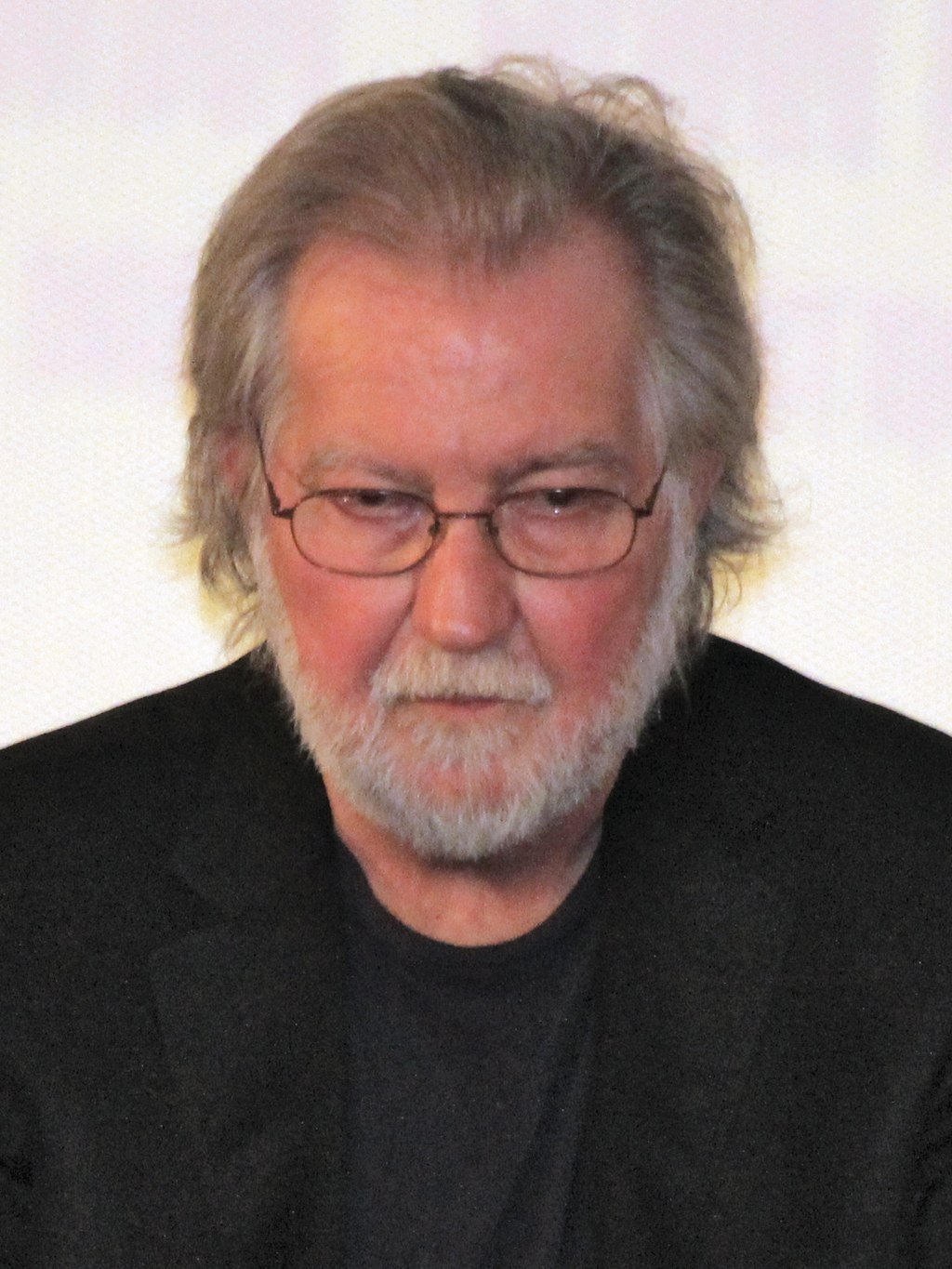
Tobe Hooper
Tobe Hooper was an American filmmaker, best known for his work in the horror genre. The British Film Institute cited Hooper as one of the most influential horror filmmakers of all time. Born in Austin, Texas, his feature film debut was the independent Eggshells (1969), which he co-wrote with Kim Henkel. The two reunited to co-write The Texas Chain Saw Massacre (1974), which Hooper also directed. The film went on to become a classic of the genre, and is often described as one of the most influential horror films ever made. He subsequently directed film Eaten Alive (1976), followed by the 1979 miniseries Salem's Lot, an adaptation of the novel by Stephen King. He then signed on to direct The Funhouse (1981), a major studio slasher film distributed by Universal Pictures. The following year, he directed the supernatural horror Poltergeist, produced by Steven Spielberg. In the mid-1980s, he directed two science fiction horror films: Lifeforce (1985) and Invaders from Mars (1986), followed by The Texas Chainsaw Massacre 2 (1986), a big-budget sequel to his original film. The following years saw Hooper directing various horror and sci-fi projects until 2013, when he made his final film.

.jpg)