The Grapes of Wrath
Making lists is an activity moviegoers are fond of. Every year, the same ritual: compilation of the ten best films, with comparative analyses, debates, heated discussions. But what about the ultimate list of the most outstanding films in the history of cinema? That is to say, those films that must be seen, those that have forever transformed the art of cinema, but also our way of seeing a culture, of understanding the world as well as our own lives? This program aims to tackle this challenge with nearly eighty films, produced between 1916 and 1960, while waiting for your lists!
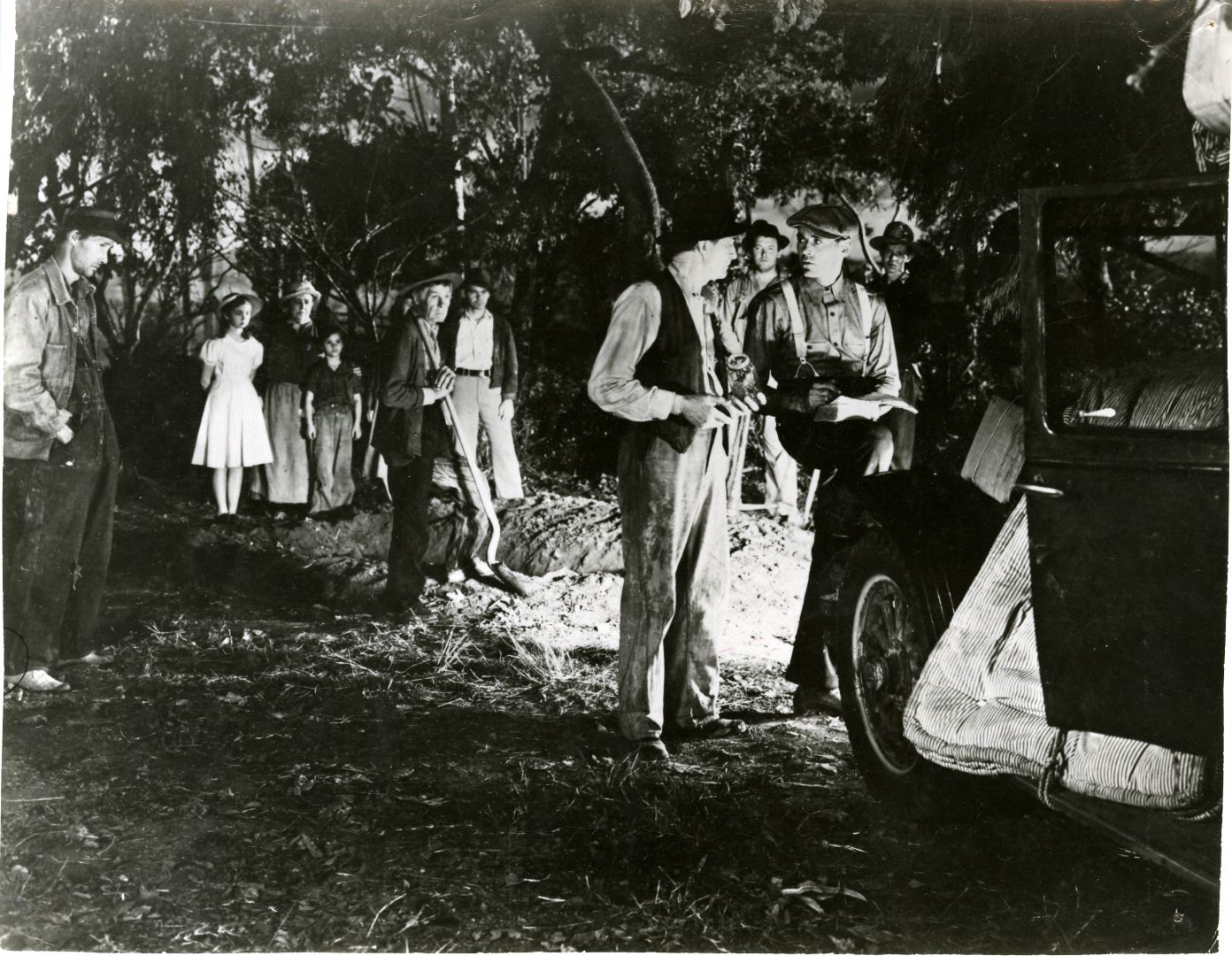
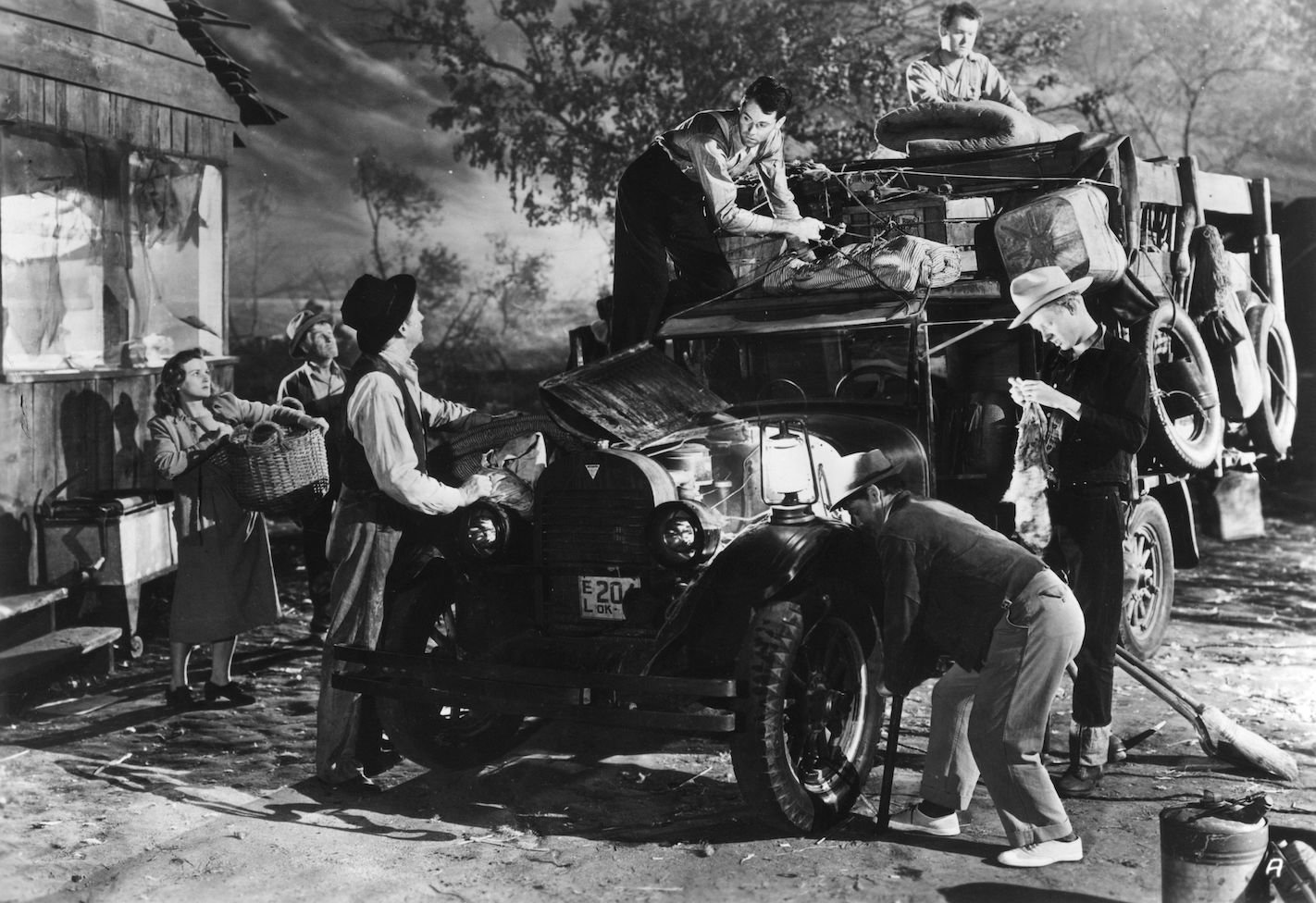
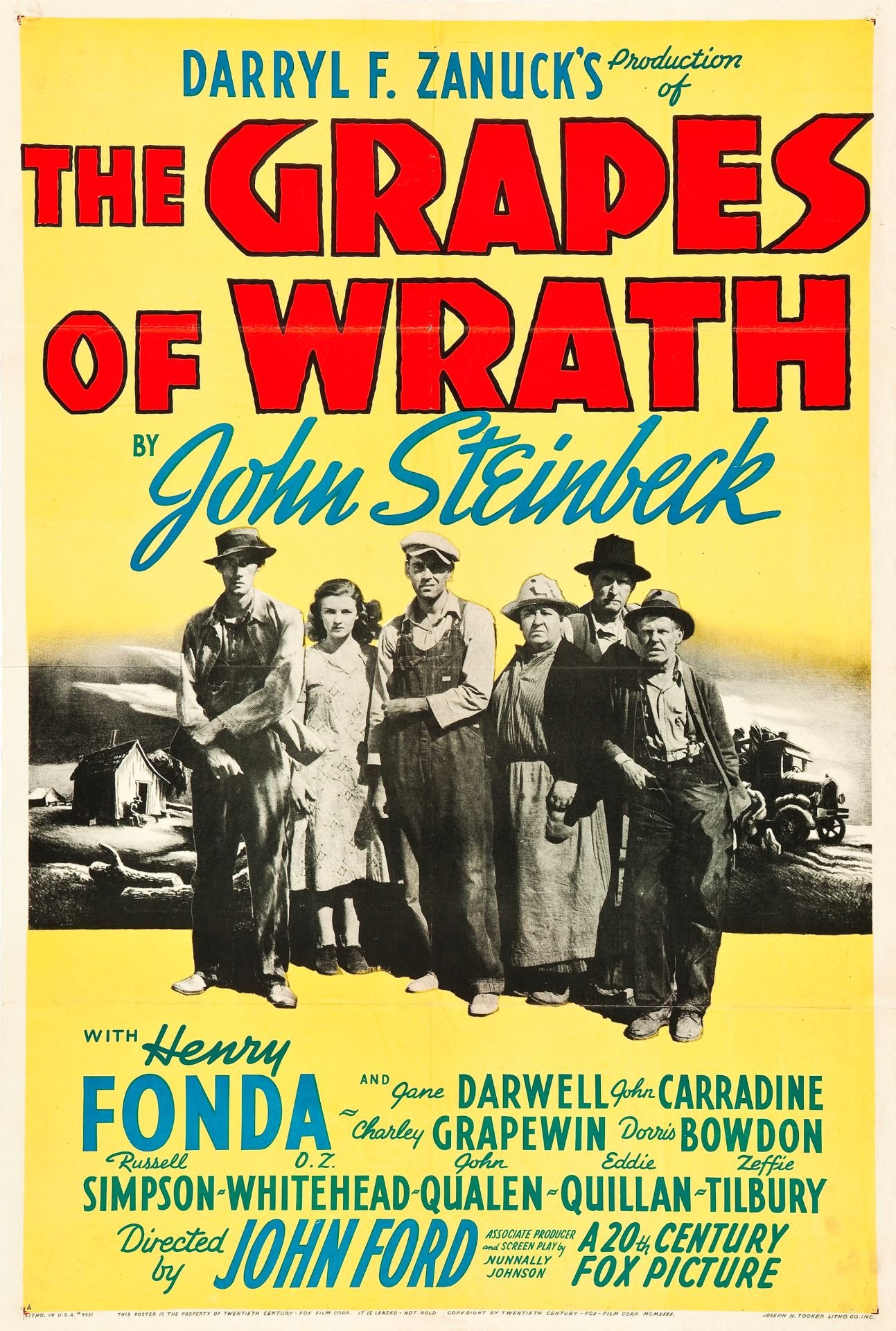
The daily life and exploitation of farm workers in California. This masterpiece adapted from the famous Steinbeck novel allows Ford to depict a human condition that touches him deeply.
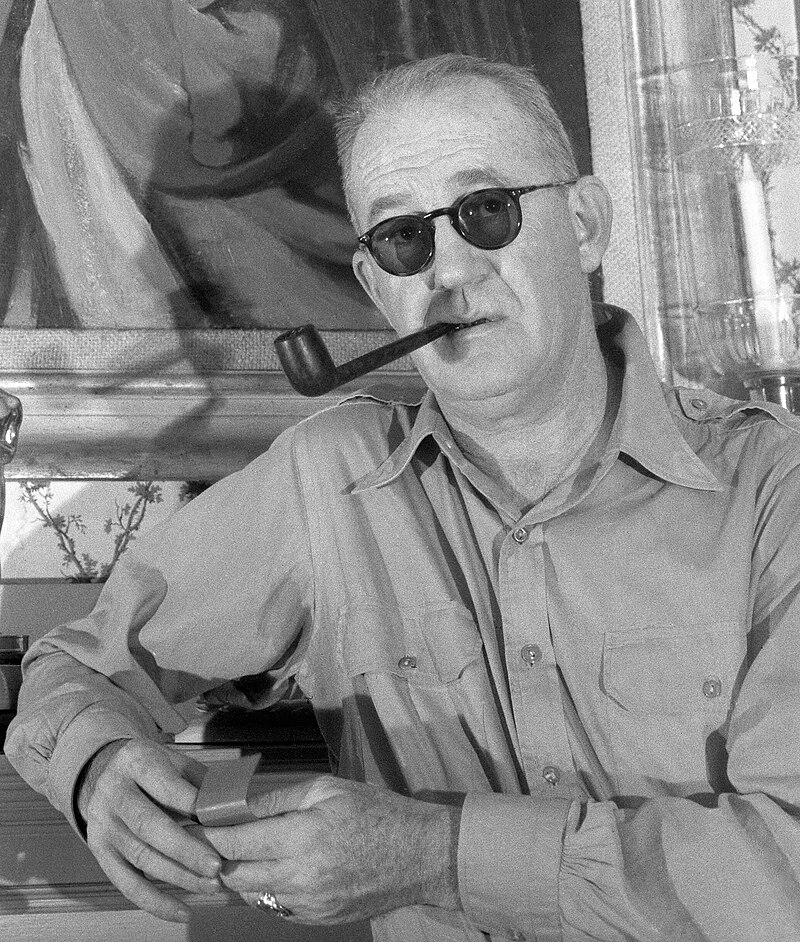
John Ford
The son of Irish immigrants, John Ford was born John Feeney in Maine in 1894. In 1914, he moved to California, where he began a career as an actor alongside his brother, the actor and director Francis Ford, from whom he took his professional name. Over the next few years, he trained on the sets as an assistant director and cameraman before moving into directing. After making dozens of silent films, many of which have since been lost, he confirmed his success with the transition to talkies and co-founded the Screen Directors Guild in 1935. Starting with Stagecoach in 1939, he created a series of classics and became famous for his Westerns. During the Second World War, Ford created the Field Photographic Branch, using Hollywood talent to document the fighting (he lost an eye), the D-Day landing, the death camps, and the Nuremberg trials. After the war, he returned to making fiction films while opposing McCarthyism. He continued to direct at a steady pace until the 1960s, creating masterpieces with an increasingly humanistic tone.