The Magnificent Seven
Action! If there’s one word associated with cinema, the tension of movie sets, and the focus of attention, it’s this one. Action is very often at the heart of popular cinema: Harold Lloyd hanging from the clock hands in Safety Last! (1923), Cary Grant threatened and strafed by a plane in North by Northwest (1959), Franka Potente gasping for air in Run Lola Run (1998)... Westerns, swashbuckler films, martial arts or adventure flicks, thrillers, all these genres rely on action—sometimes frenetic, sometimes meticulously measured.
From movies by Sergei Eisenstein to Gilles Carle, from John Ford to John Boorman and Werner Herzog, via Paul Verhoeven, Kathryn Bigelow, Park Chan-wook, Érik Canuel, and Nicolas Winding Refn, this series will take you through the full range of emotions, from laughter to thrills, from fear to satisfaction.
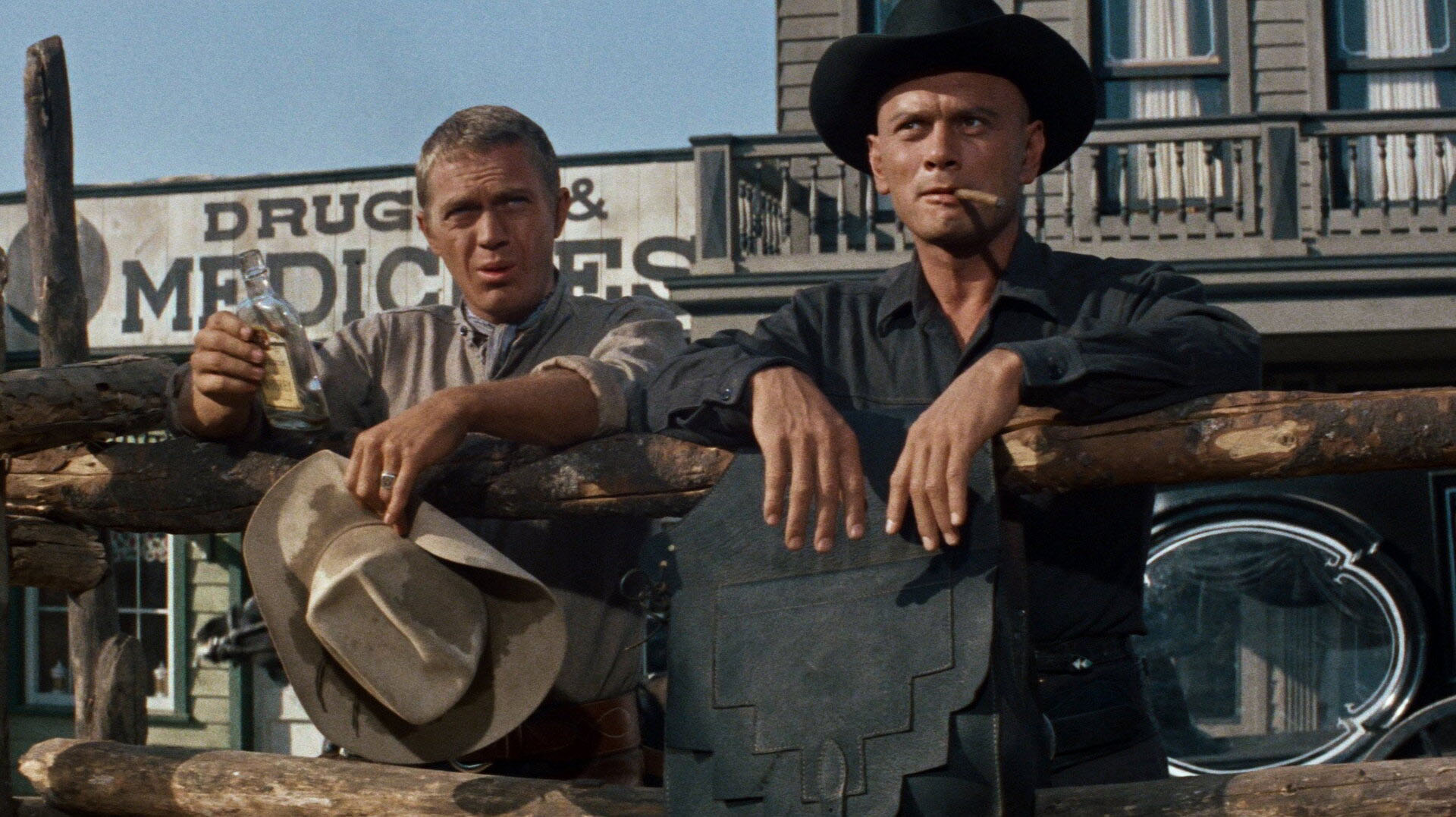
A village of Mexican farmers hires mercenaries to protect themselves from a band of bandits who frequently raid them. This monumental Western by John Sturges, a remake of Akira Kurosawa’s Seven Samurai, represents a turning point in the history of the genre, as its classic era was coming to an end. Focusing on a group of iconic and complex characters, all deeply human, the film features a memorable cast.

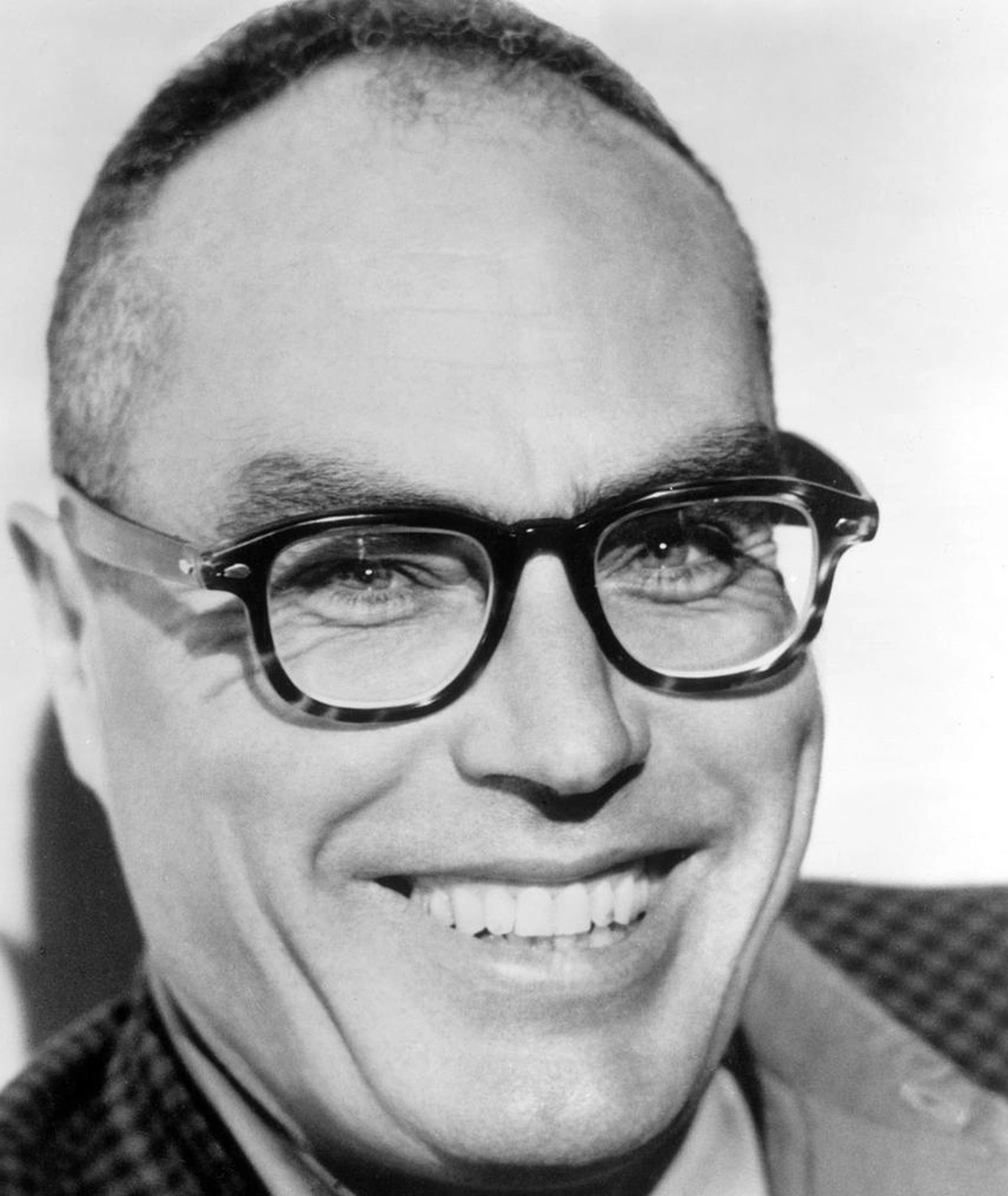
John Sturges
John Sturges is an American director and producer. He began his career in Hollywood as an editor in 1932. During World War II, he directed documentaries and training films as a captain in the United States Army Air Forces First Motion Picture Unit. His true cinematic career took off in 1946 when he directed the first of several B-movies: The Man Who Dared. Highly active from the 1950s to the 1970s, he directed numerous westerns including Bad Day at Black Rock (1955), which earned him a nomination for the Academy Award for Best Director, Gunfight at the O.K. Corral (1957), and The Magnificent Seven (1960) — an adaptation of Kurosawa's film Seven Samurai — both of which were selected for preservation in the United States National Film Registry for their cultural, historical, and aesthetic significance. Sturges reunited with McQueen, Coburn, and Bronson in 1963 for another international triumph, one of his most popular films, The Great Escape.