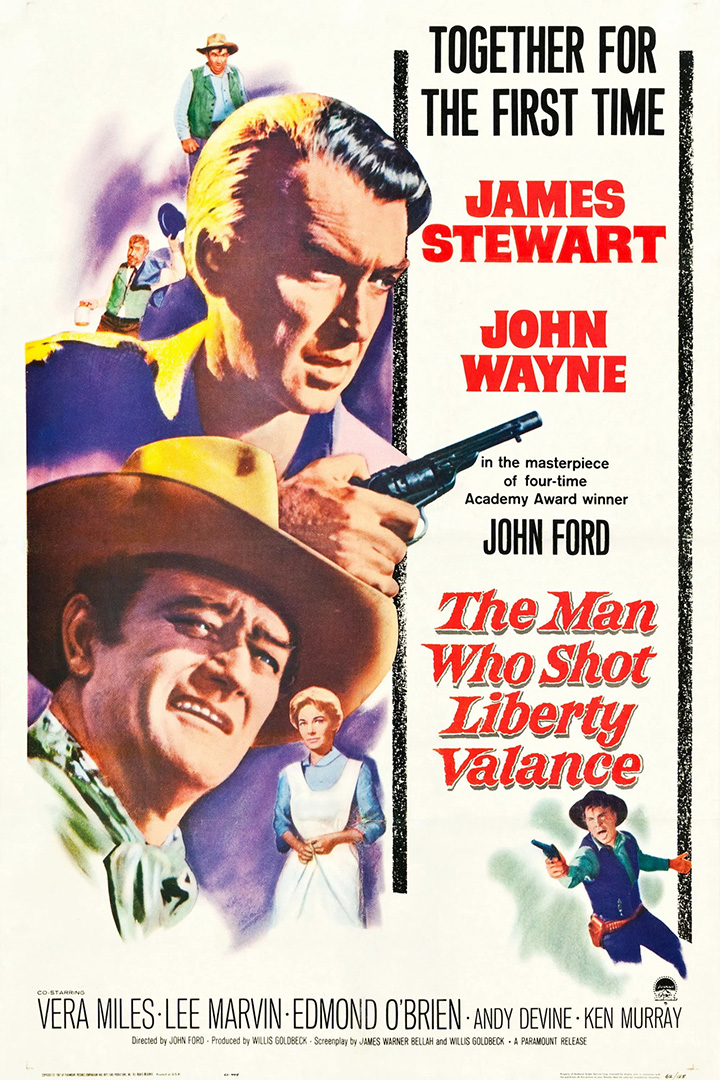
The Man Who Shot Liberty Valance
This recurring cycle is an opportunity to watch or re-watch classics from cinema history, or films representative of certain national cinematographies, trends or eras, on the big screen.
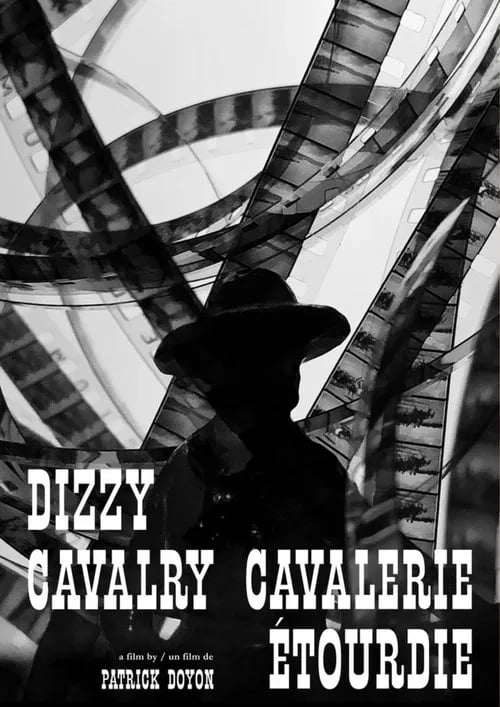
Preceded by Patrick Doyon's short film, Dizzy Cavalry
An 8mm reel of a Hollywood western flickers to life once more. As the first call of the bugle rings out, the cavalry charges—swift and chaotic—while the film strains to keep pace. It ripples, trembles and tangles, caught in the chaos of gunfire and the thunder of galloping hooves.
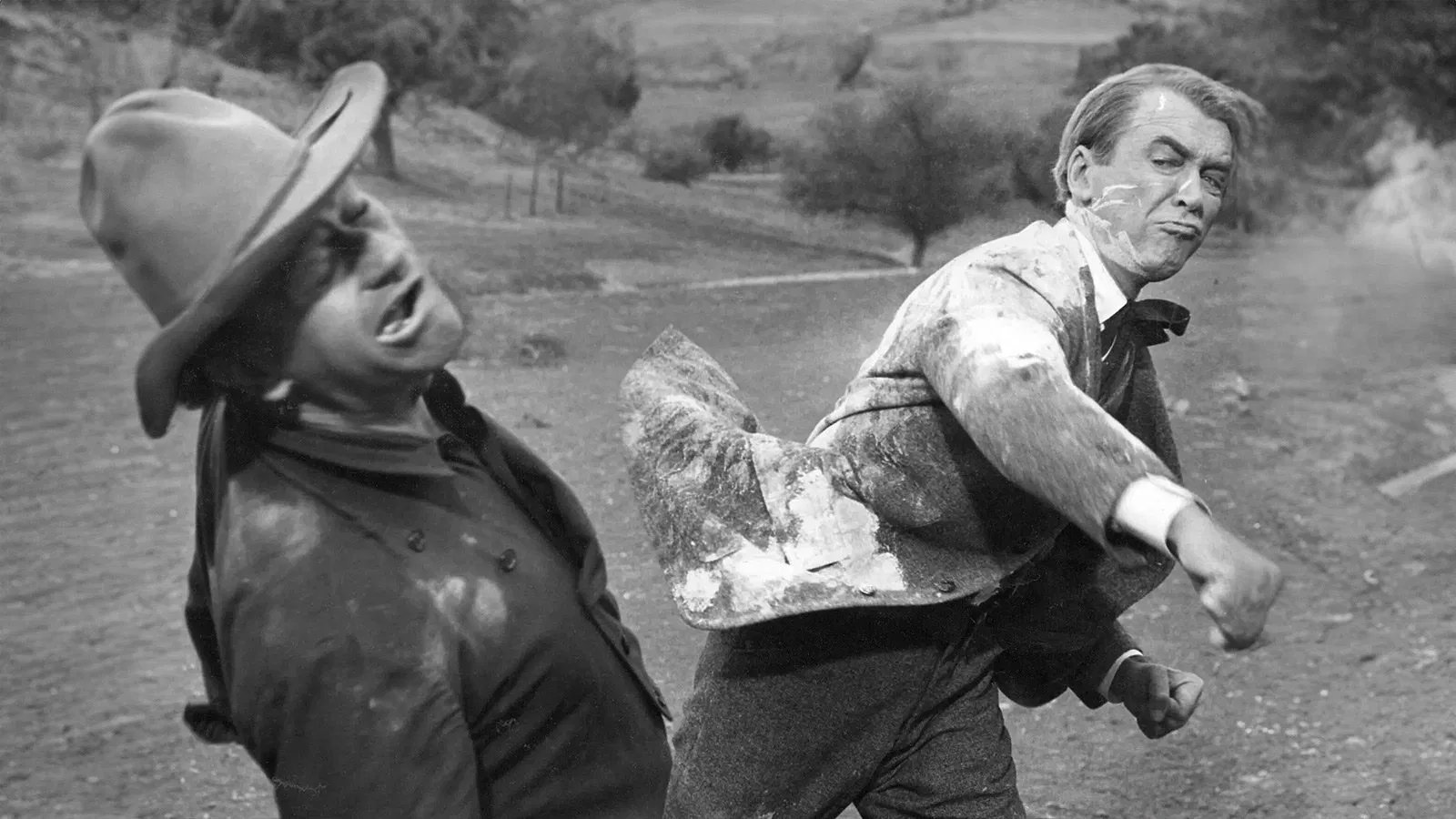
Senator Stoddard is surprised by a journalist at the funeral of an unknown cowboy. During their conversation, Stoddard recounts his arrival in the West and his conflicts with the notorious bandit Liberty Valance. A showdown between two legends: John Wayne and James Stewart.
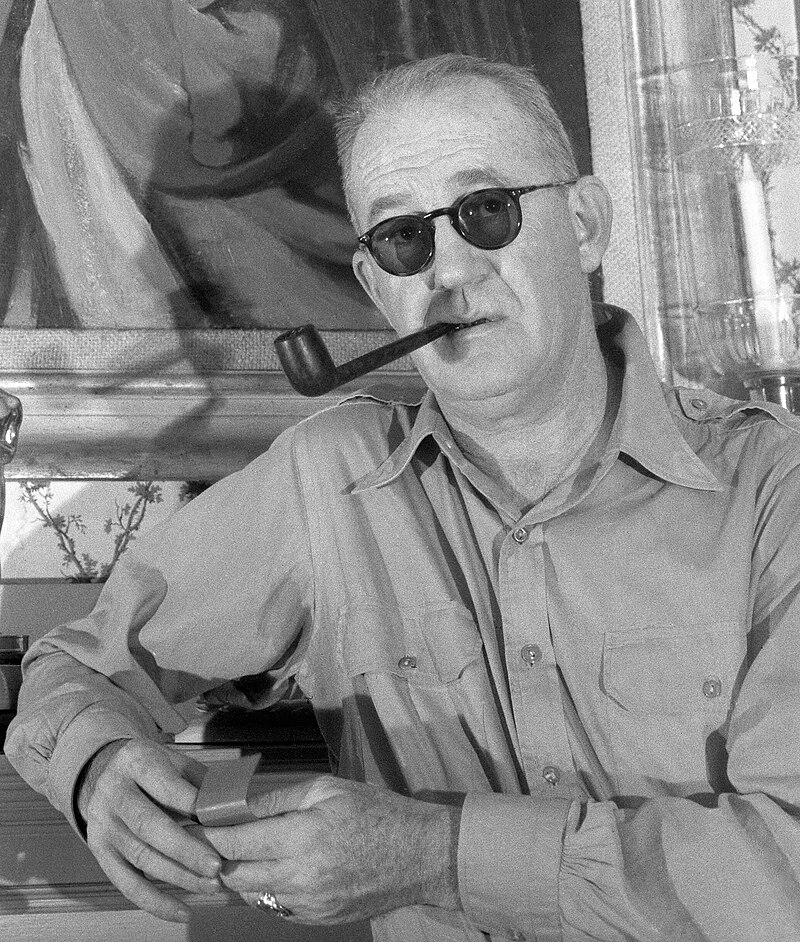
John Ford
The son of Irish immigrants, John Ford was born John Feeney in Maine in 1894. In 1914, he moved to California, where he began a career as an actor alongside his brother, the actor and director Francis Ford, from whom he took his professional name. Over the next few years, he trained on the sets as an assistant director and cameraman before moving into directing. After making dozens of silent films, many of which have since been lost, he confirmed his success with the transition to talkies and co-founded the Screen Directors Guild in 1935. Starting with Stagecoach in 1939, he created a series of classics and became famous for his Westerns. During the Second World War, Ford created the Field Photographic Branch, using Hollywood talent to document the fighting (he lost an eye), the D-Day landing, the death camps, and the Nuremberg trials. After the war, he returned to making fiction films while opposing McCarthyism. He continued to direct at a steady pace until the 1960s, creating masterpieces with an increasingly humanistic tone.