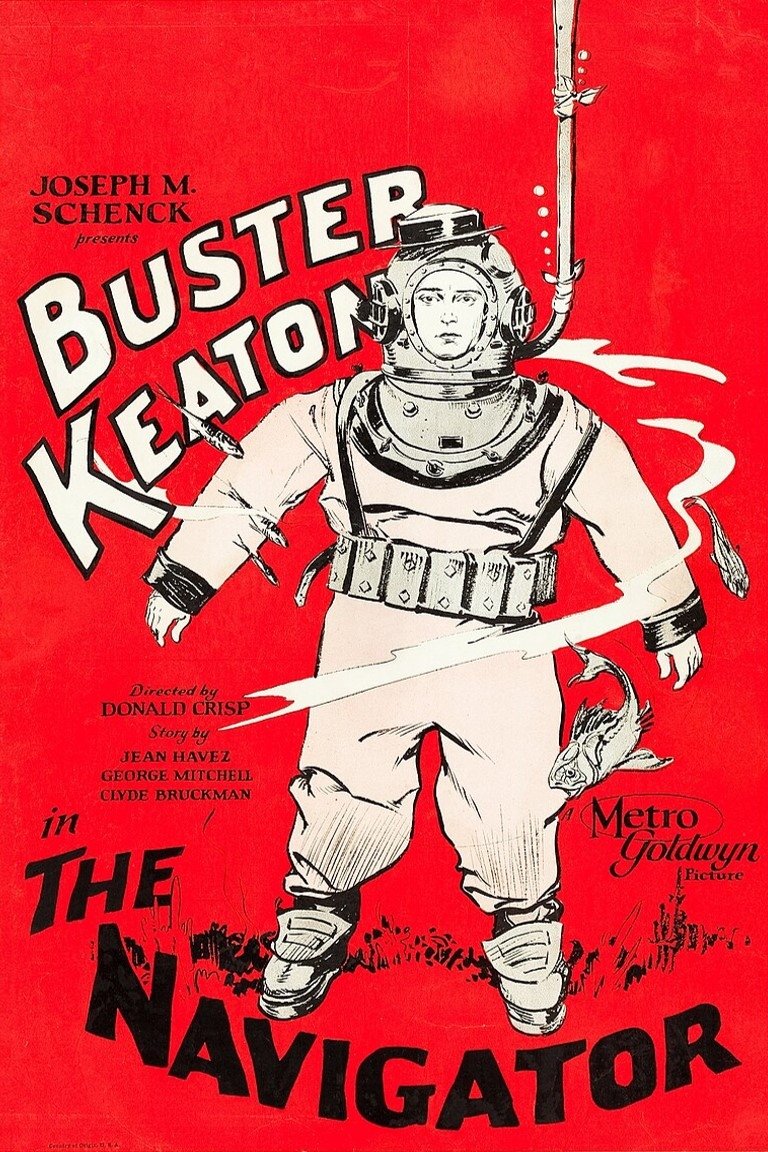
The Navigator
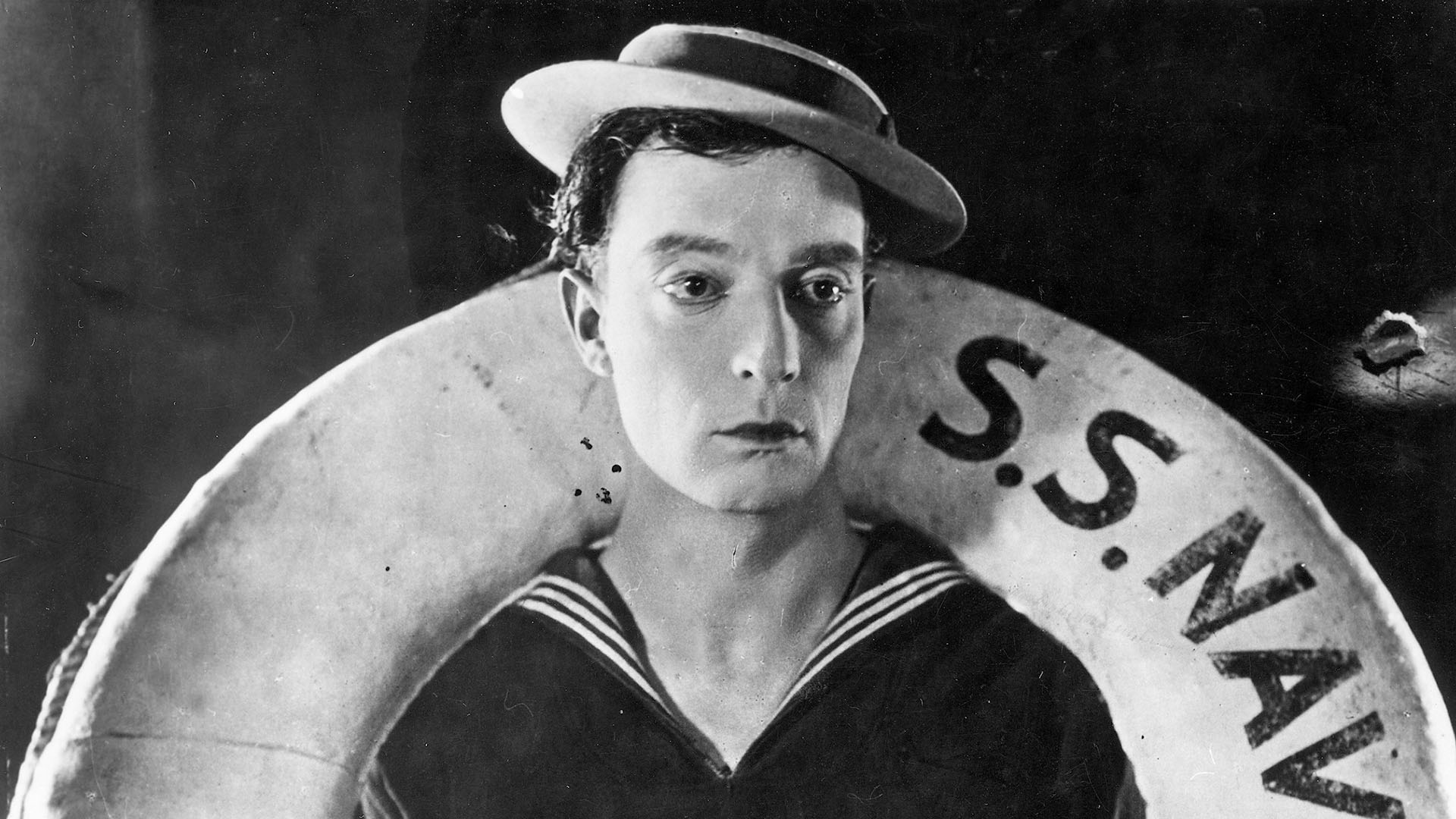
Keeping silent cinema alive, by offering audiences a chance to rediscover films from the era with the accompaniment of talented pianists, is an essential component of the Cinémathèque's programming. As digital technology continues to invent new ways of creating images, it is more relevant than ever to remember how eloquent the images from the so-called silent era of film history truly were. It's fascinating to see how much these works and filmmakers contributed to modern cinema – not to mention that it is always a pleasure to return, for a few hours, to the era of images that speak for themselves.
Accompanied on the piano by Gabriel Thibaudeau
Preserved in our collections
The aristocrat Rollo Treadway wanted to marry Betsy O'Brien, but she refused his proposal. The two find themselves stranded together on a drifting ship and must cooperate to survive.
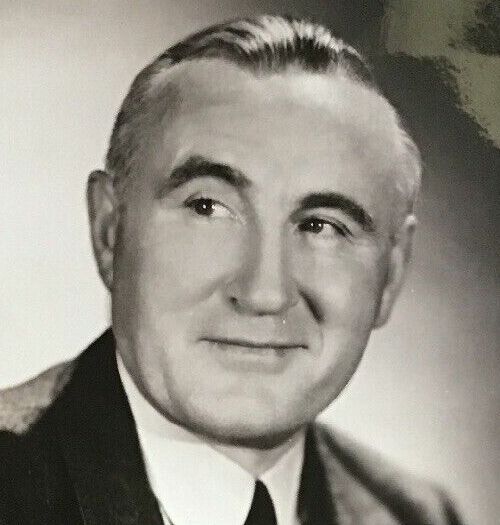
Donald Crisp
Donald Crisp was an English film actor as well as an early producer, director and screenwriter. His career lasted from the early silent film era into the 1960s. He won an Academy Award for Best Supporting Actor in 1942 for his performance in How Green Was My Valley. He worked for several years as an assistant to D. W. Griffith, an early master of film storytelling who was influential in advancing a number of early techniques in his films. This experience fostered a similar passion in Crisp to become a director in his own right. His first directing credit was Little Country Mouse (1914). Many directors would find themselves turning out a dozen or more films in a single year at this time. Over the next fifteen years, Crisp directed some 70 films in all, most notably The Navigator (1924) with Buster Keaton and Don Q, Son of Zorro (1925) with Douglas Fairbanks.
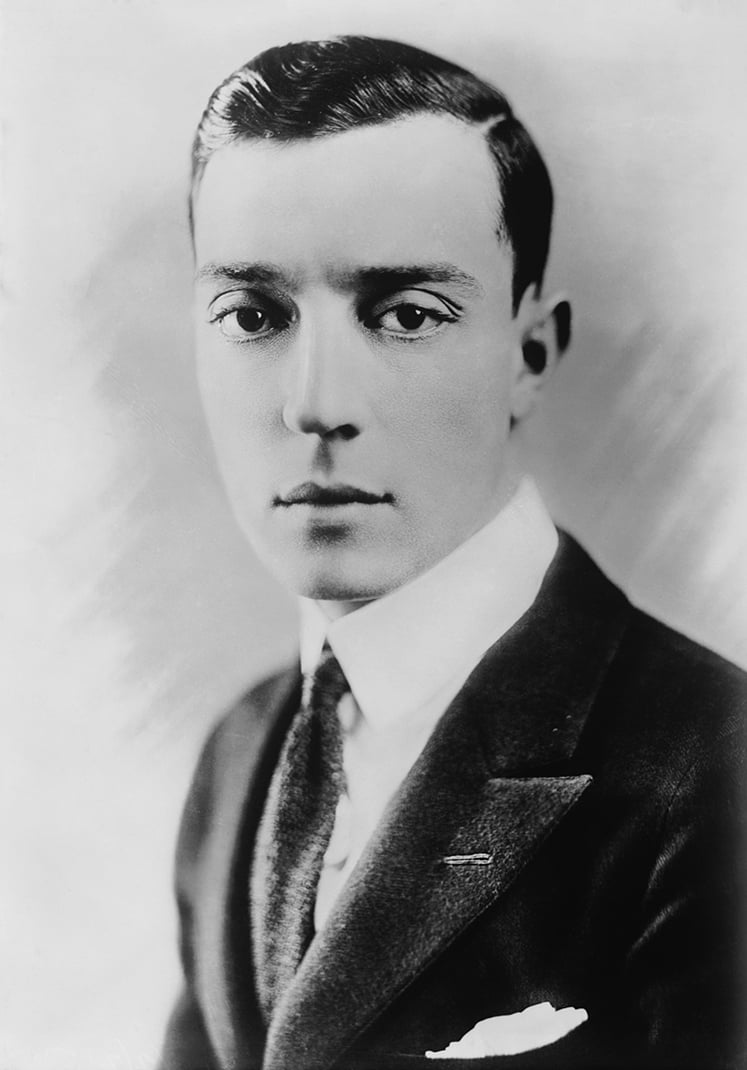
Buster Keaton
Buster Keaton was an American actor, comedian and filmmaker. He is best known for his silent films during the 1920s, in which he performed physical comedy and inventive stunts. He frequently maintained a stoic, deadpan facial expression that became his trademark and earned him the nickname "The Great Stone Face". As a child vaudeville star, he was performing as part of his family's traveling act. As an adult, he began working with independent producer Joseph M. Schenck and filmmaker Edward F. Cline, with whom he made a series of successful two-reel comedies in the early 1920s. He then moved to feature films such as Sherlock Jr. (1924), The General (1926), Steamboat Bill, Jr. (1928), and The Cameraman (1928), remain highly regarded. The General is perhaps his most acclaimed work; Orson Welles considered it "the greatest comedy ever made... and perhaps the greatest film ever made". Critic Roger Ebert wrote of Keaton's "extraordinary period from 1920 to 1929" when he "worked without interruption" as having made him "the greatest actor-director in the history of the movies". He earned an Academy Honorary Award in 1959.
_vintage_photo_(cropped).jpg)
