The Power of Emotion
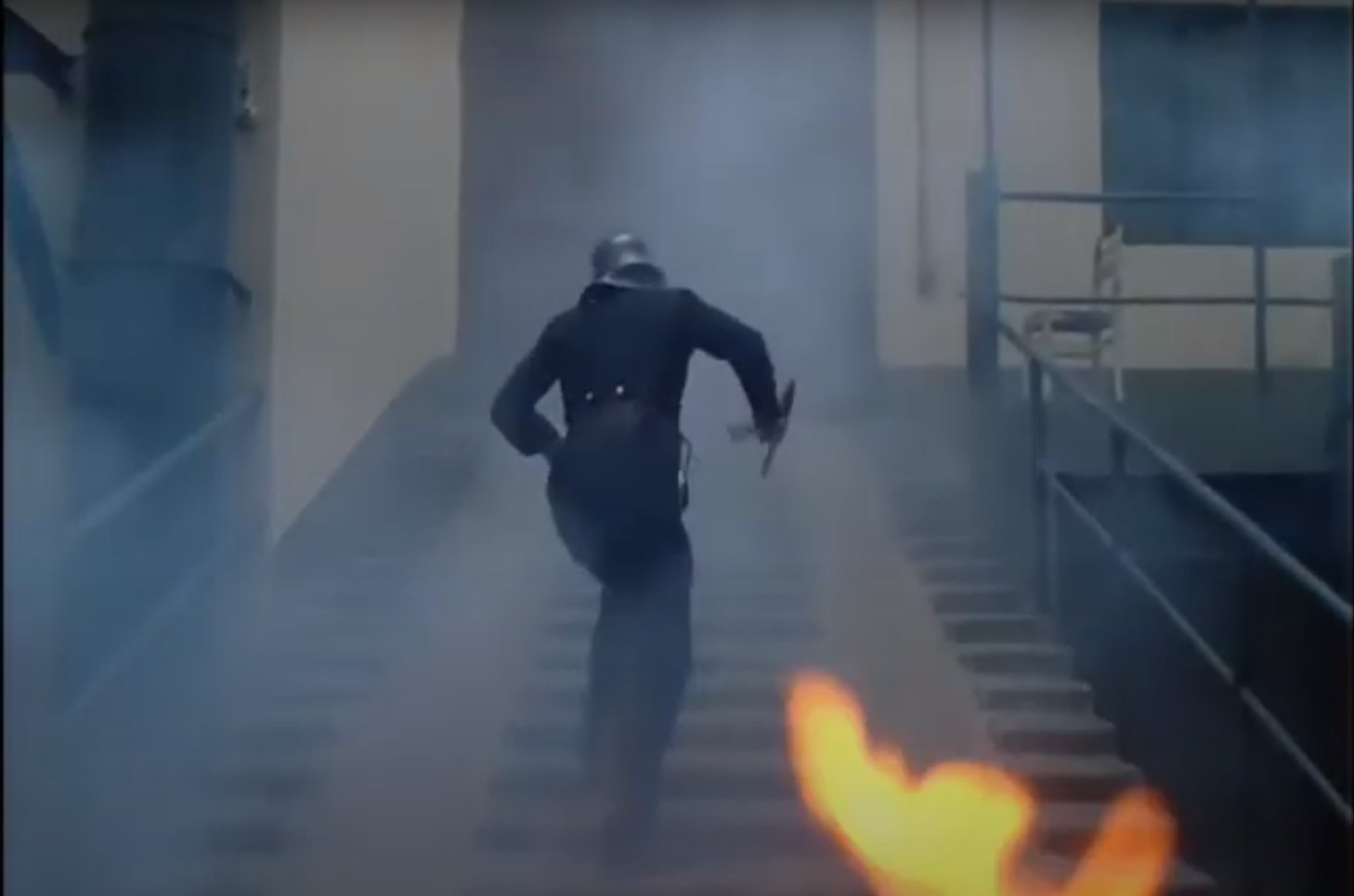
To celebrate the 60th anniversary of the Cinémathèque québécoise, we wanted to highlight our long-term collaboration with the Goethe-Institut. The diffusion of German cinema within our walls has often been set up in collaboration with this cultural organization. This has led to the donation of many films from their collections, which are featured in this program.
Vignettes, visual aphorisms, parables and sketches question the power of feelings. Kluge studies feelings like a poetic physicist. He tests their durability and watches for their explosion.

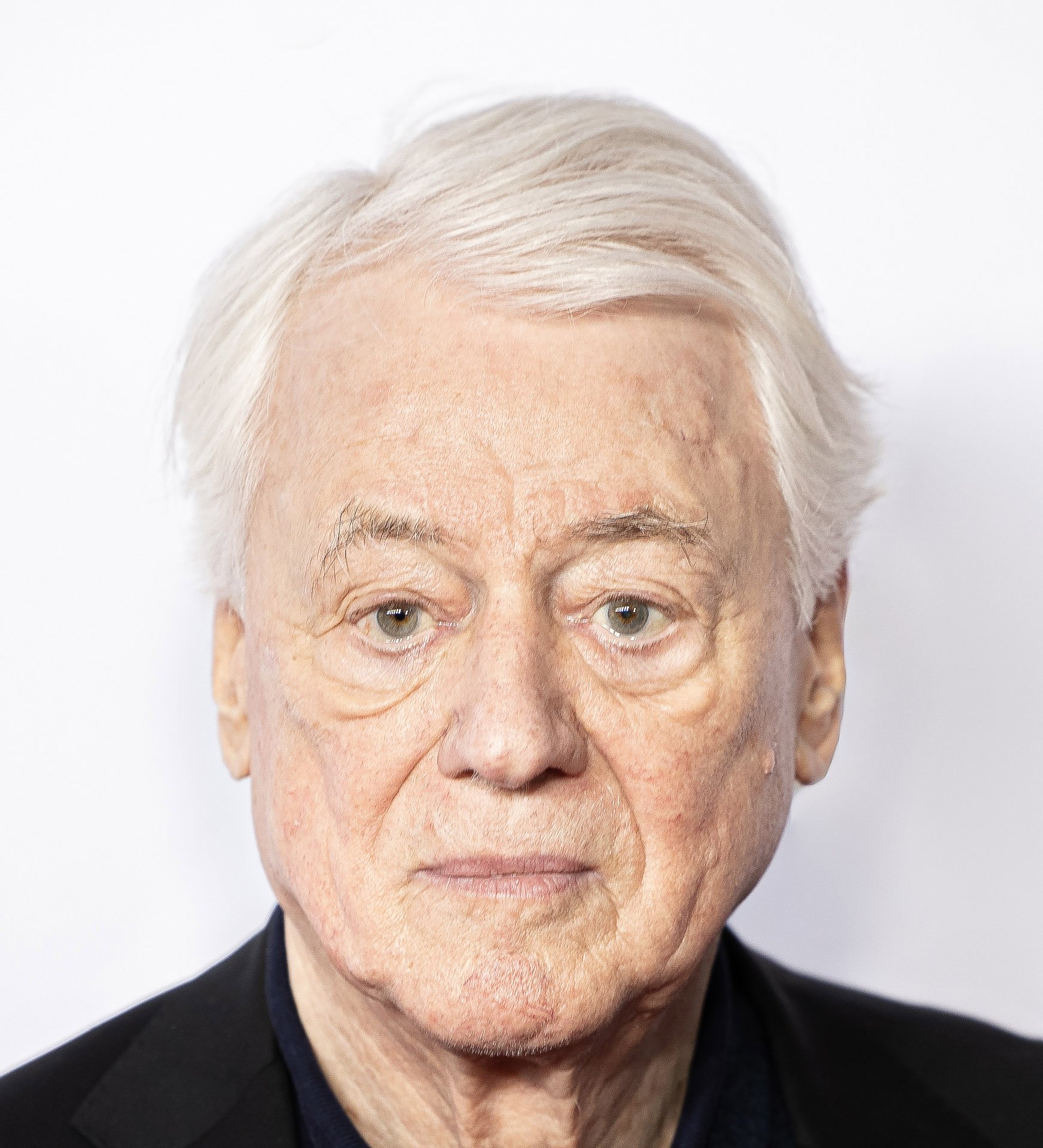
Alexander Kluge
Kluge was born in Halberstadt, Province of Saxony (now Saxony-Anhalt), Germany. After growing up during World War II, he studied history, law and music at the University of Marburg Germany, and the Johann Wolfgang Goethe University. He received his doctorate in law in 1956. While studying in Frankfurt, Kluge befriended the philosopher Theodor W. Adorno. Kluge served as a legal counsel for the Institute, and began writing his earliest stories during this period. At Adorno's suggestion, he also began to investigate filmmaking, and in 1958, Adorno introduced him to German filmmaker Fritz Lang, for whom Kluge worked as an assistant on the making of The Tiger of Eschnapur.
Explore
Presented in collaboration with


.jpg)