The Price of Betrayal + A Man There Was
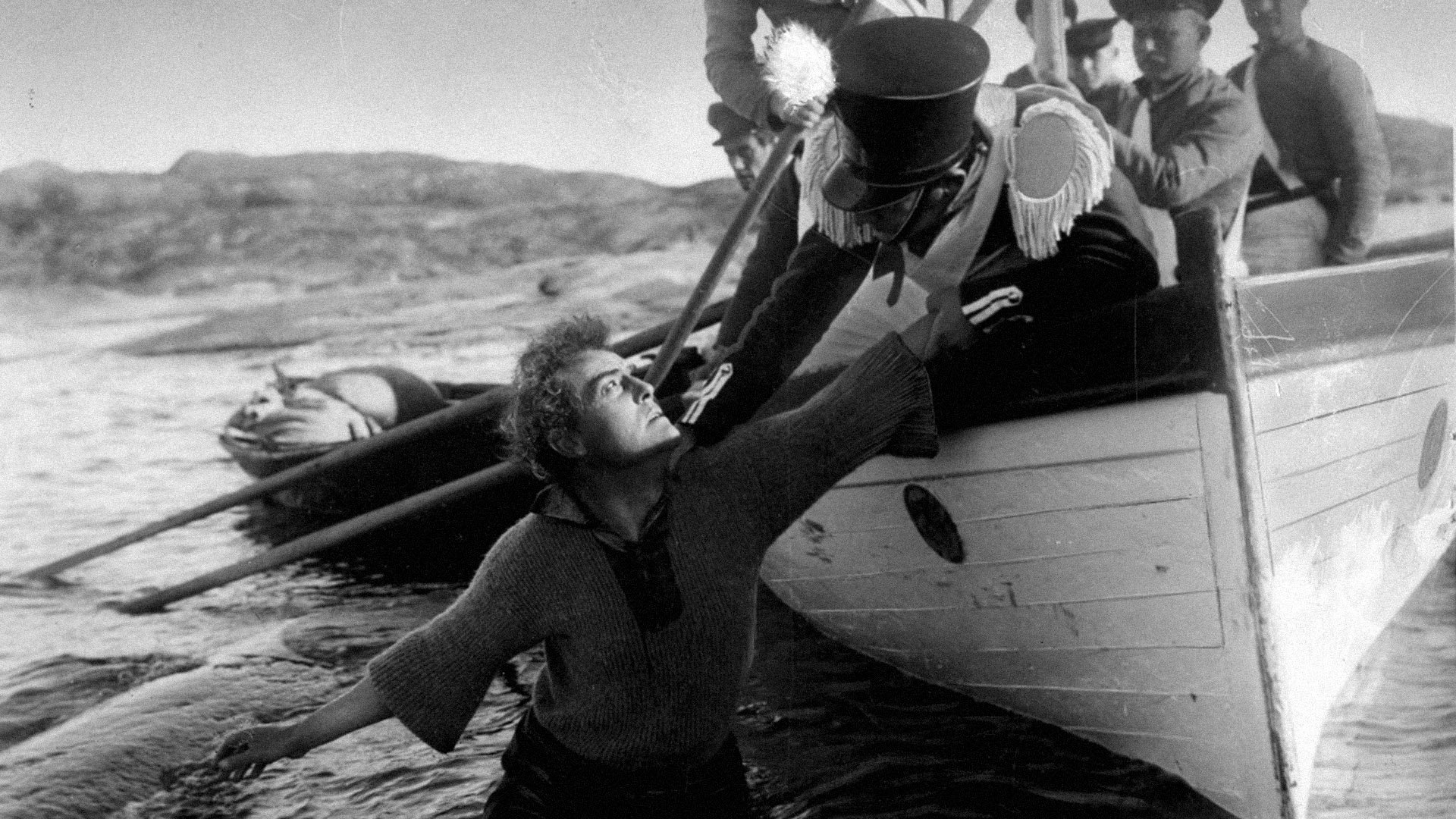
A pioneer in cinema history and a founding figure of Swedish cinema, Victor Sjöström excelled both as a filmmaker and an actor, directing masterpieces in his native Scandinavia as well as in Hollywood. This three-month program presents a selection of his greatest silent films, all accompanied by live piano, along with some of his most significant contributions to Swedish cinema as an actor.
Accompanied on the piano by Roman Zavada
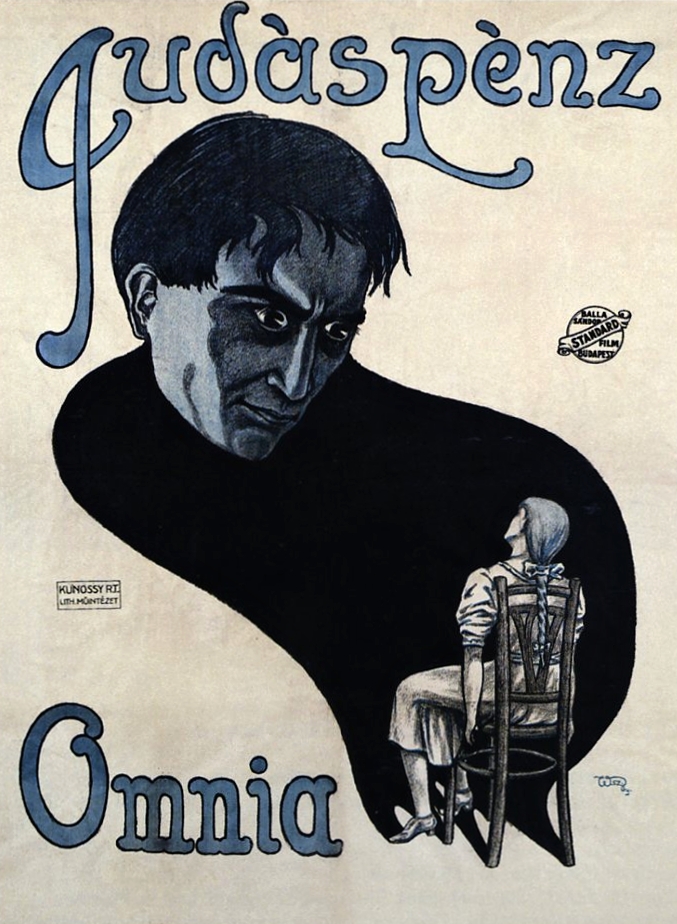
An unemployed man struggles to support his family while his wife is gravely ill. While poaching with a friend on land they don't own, he unintentionally kills a local gamekeeper. He has to figure out how to get out of this mess.
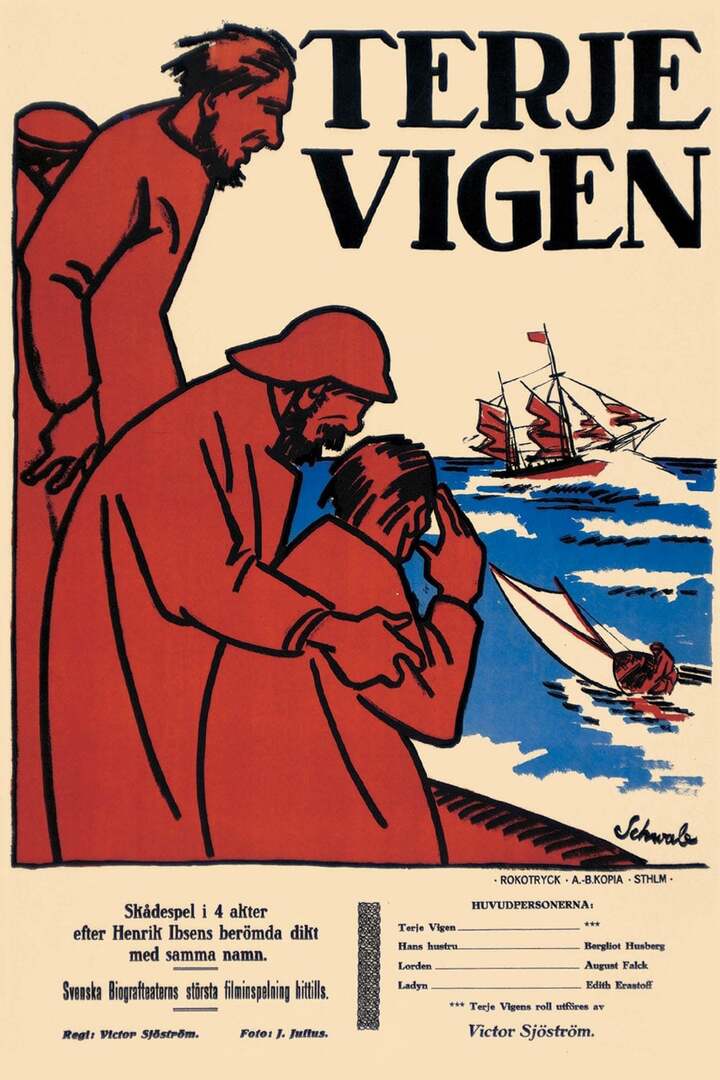
During the Napoleonic Wars, despite a blockade by the British navy, Terje Vigen, a Norwegian fisherman, tries to procure food for his starving family. His boat is sunk by a British warship and he is taken prisoner. When he is freed, he returns home to find that his family has not survived the famine. Will he be able to take revenge?
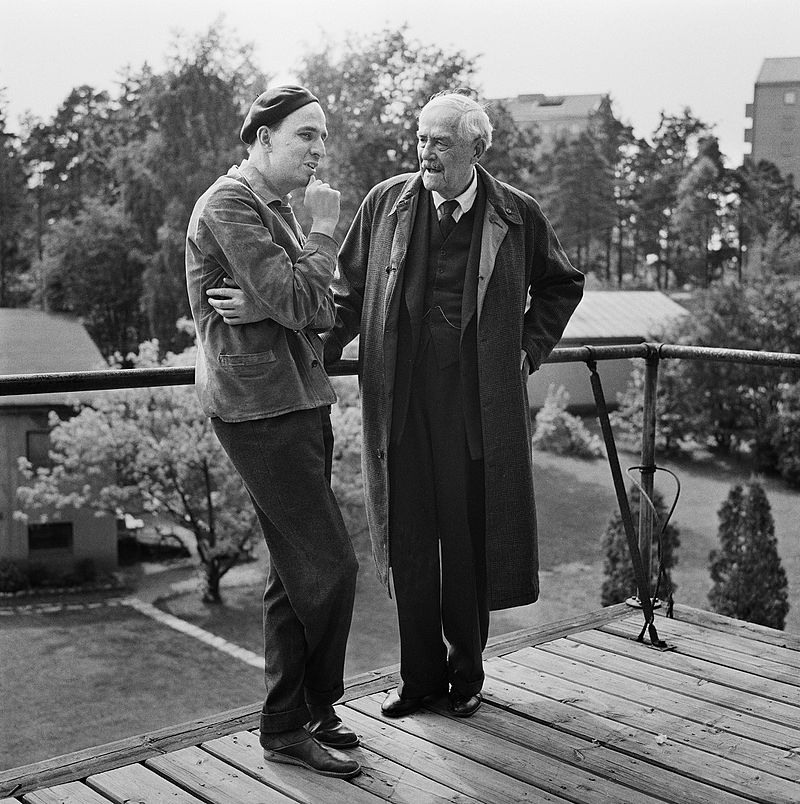
Victor Sjöström
Victor Sjöström was a Swedish film director, screenwriter, and actor. He is regarded as both a founding father of the Swedish school and a pioneer of cinematic art. Sjöström began his career in Sweden before moving to Hollywood in 1924. He worked primarily during the silent era, with some of his most renowned films including The Phantom Carriage (1921), He Who Gets Slapped (1924), and The Wind (1928). Sjöström was Sweden's most prominent director in the "Golden Age of Silent Film" in Europe. Later in life, he played the lead role in Ingmar Bergman's Wild Strawberries (1957).