The Shimmering Beast
This program showcases seminal works and sometimes lesser-known gems from Québec's cinematic heritage.
This screening will be presented with French subtitles adapted for people who are deaf and hard of hearing
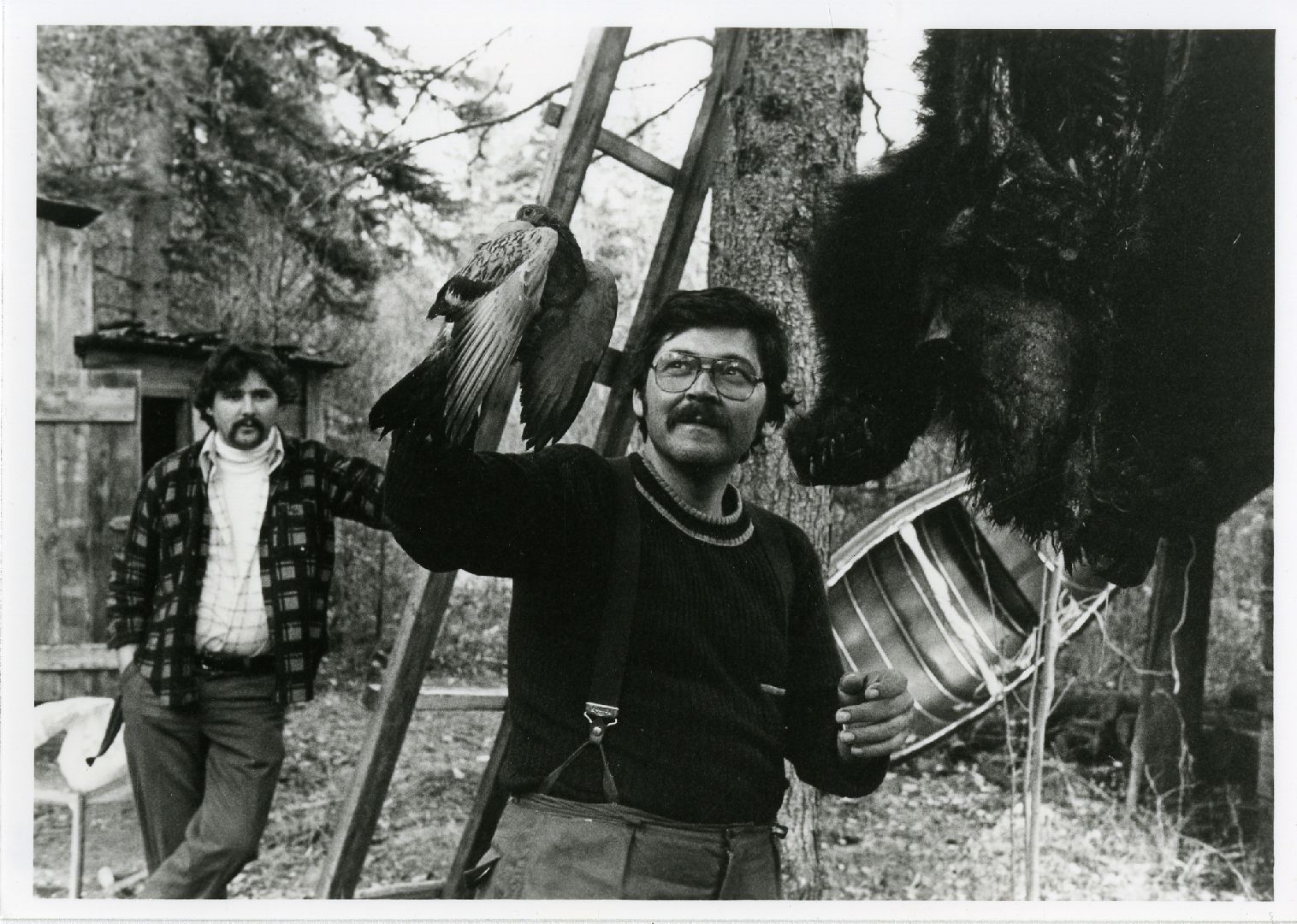
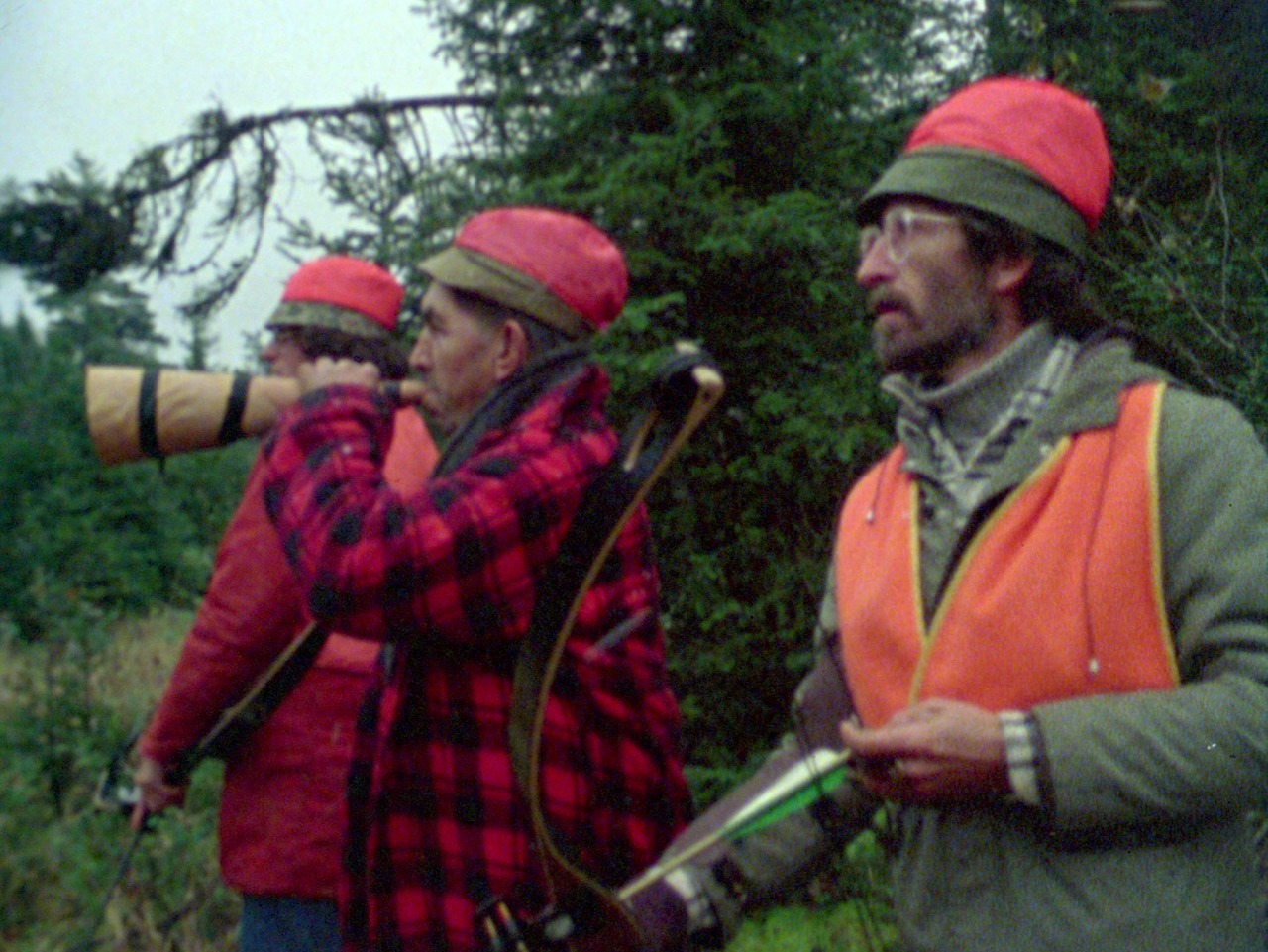
A moose hunt is the pretext for this film. Nine men and their guide withdraw to the wilderness to spend one week together away from their daily routines. The film charts the social dynamics of this diverse group, how they relate to one another—alternately revealing and disguising their feelings. A rich mix of personalities lends relief to the human topography in this documentary about an annual event that brings out the best and worst in men. The filmmaker chose not to embellish what the camera recorded.
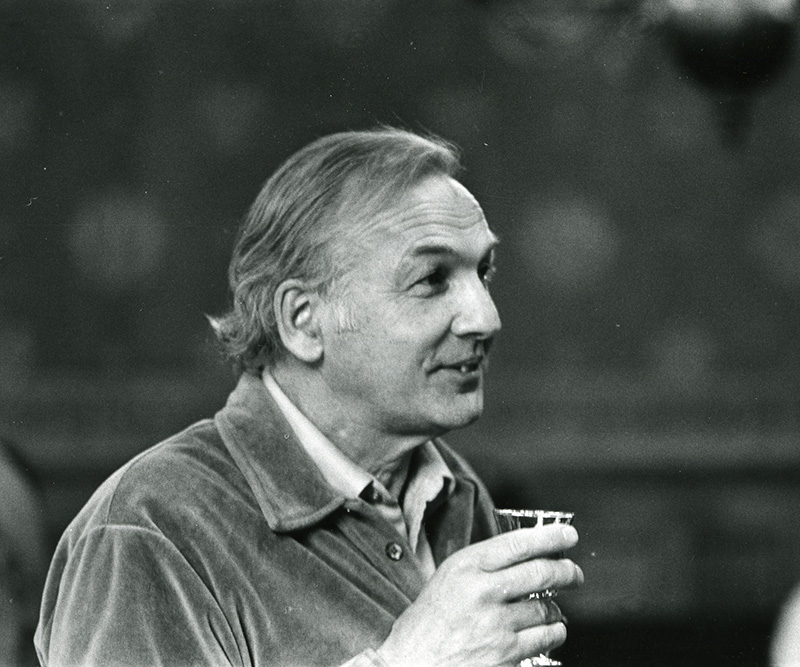
Pierre Perrault
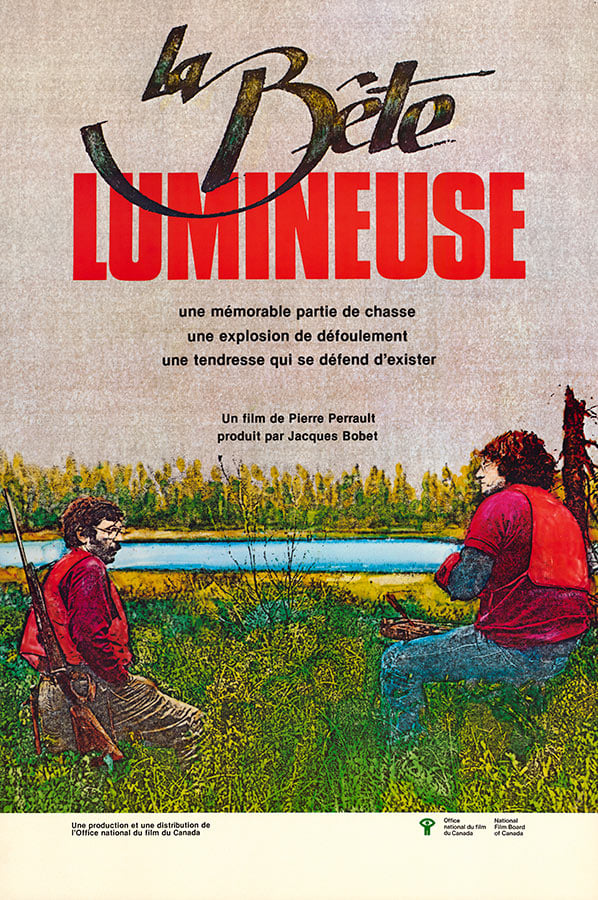
Born in 1927, Pierre Perrault was a Quebecois filmmaker, essayist, writer, poet, and playwright. He is one of the pioneers of direct cinema. In 1955, he started to work as a writer for Radio-Canada. During a trip to Charlevoix the following year, he began recording local music and interviewing residents of the region accompanied by his wife and collaborator Yolande Simard. This material inspired a radio and a television series of the same name: Au pays de Neufve-France. This series led Perrault to take a greater interest in cinema. He proposed to the National Film Board to make a film about beluga whale hunting with Michel Brault whom he met at that time. Pour la suite du monde (1963) was screened at the Cannes Film Festival, a first for a Canadian feature film. He made a short film and two other feature films on L'Isle-aux-Coudres. He then directed more political works, such as Un pays sans bon sens (1970), a departure from direct cinema. However, he immediately returned to this form in his next work, L'Acadie, l’Acadie ?!? (1971), co-directed by Brault. He stayed politically engaged as he continued his career as a filmmaker with documentaries in Abitibi and Northern Quebec, and even attempted to trace the discovery of the province of Quebec.
Photo: Collections de la Cinémathèque québécoise