Time and Tide
Action! If there’s one word associated with cinema, the tension of movie sets, and the focus of attention, it’s this one. Action is very often at the heart of popular cinema: Harold Lloyd hanging from the clock hands in Safety Last! (1923), Cary Grant threatened and strafed by a plane in North by Northwest (1959), Franka Potente gasping for air in Run Lola Run (1998)... Westerns, swashbuckler films, martial arts or adventure flicks, thrillers, all these genres rely on action—sometimes frenetic, sometimes meticulously measured.
From movies by Sergei Eisenstein to Gilles Carle, from John Ford to John Boorman and Werner Herzog, via Paul Verhoeven, Kathryn Bigelow, Park Chan-wook, Érik Canuel, and Nicolas Winding Refn, this series will take you through the full range of emotions, from laughter to thrills, from fear to satisfaction.
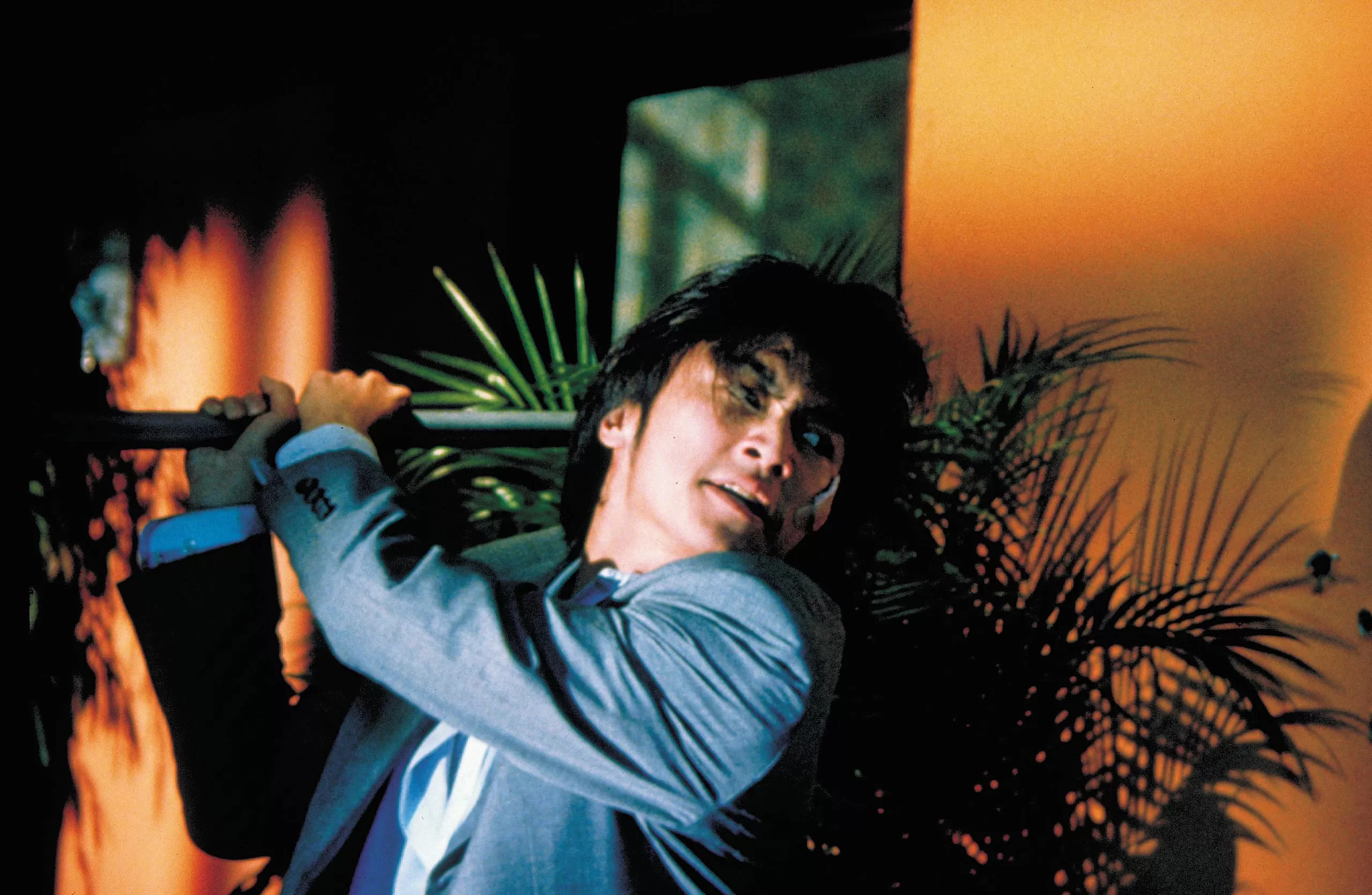
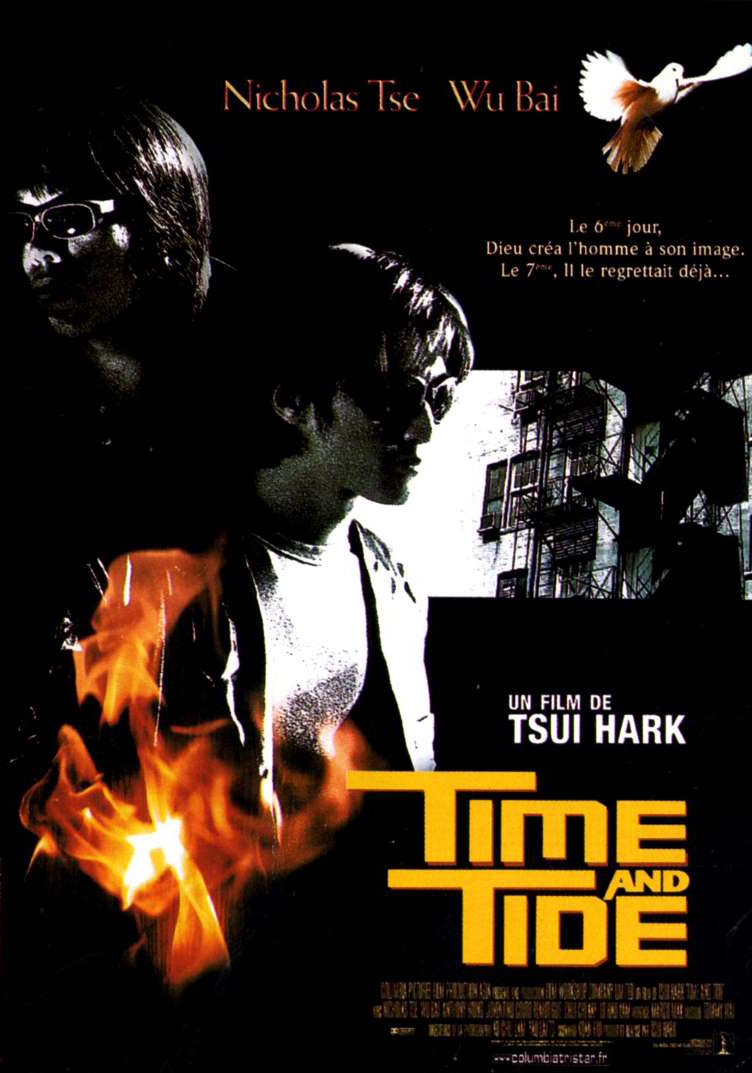
Driven by a sense of direction that is a true hallmark of early 2000s Hong Kong action cinema, the film tells the story of the friendship between a bodyguard and a mercenary, set against the backdrop of a gang war in the heart of Hong Kong.
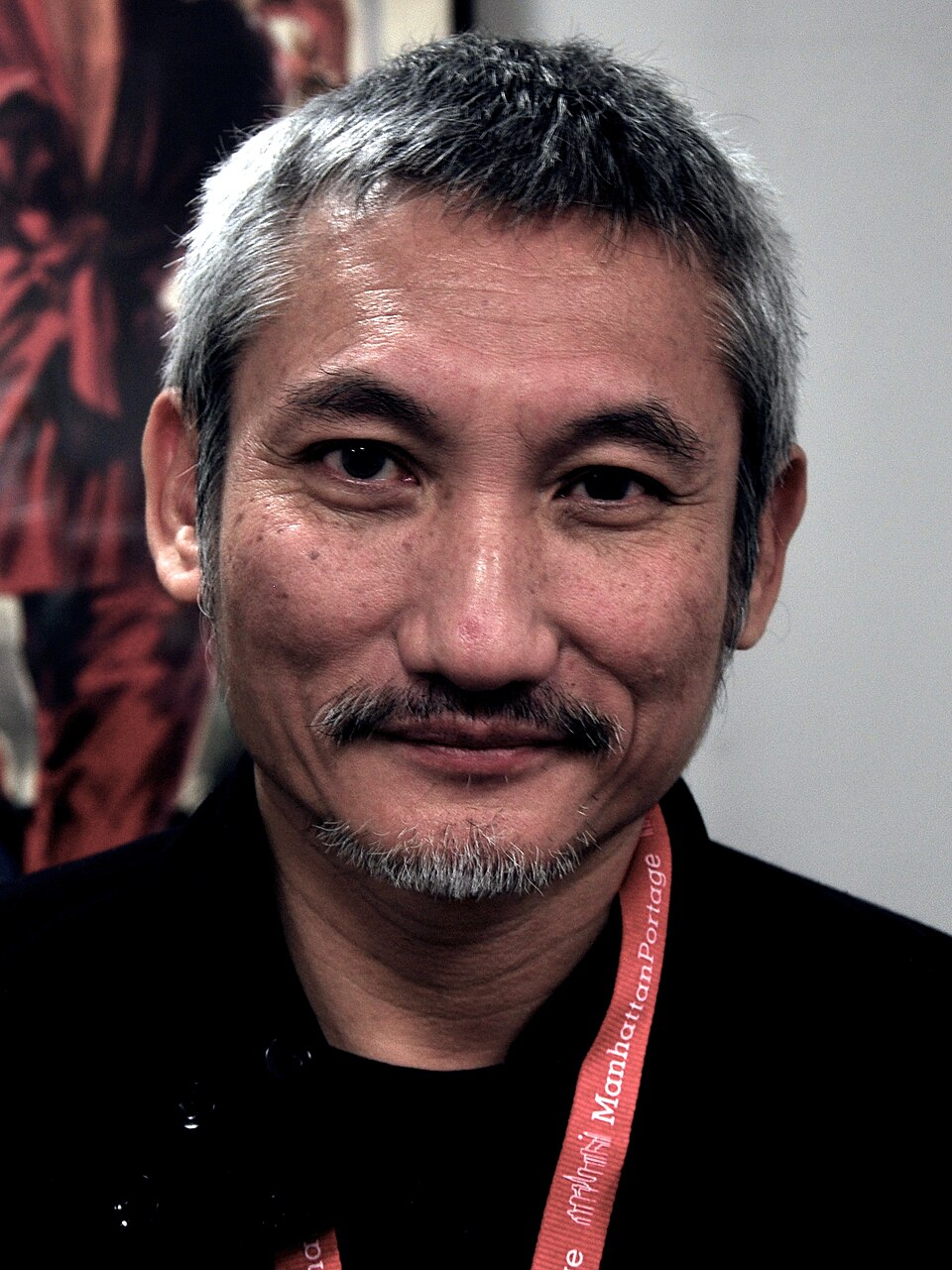
Tsui Hark
Tsui Hark is a Hong Kong filmmaker. A major figure in the Golden Age of Hong Kong cinema, he gained critical and commercial success with films such as Zu Warriors from the Magic Mountain (1983), the Once Upon a Time in China film series (1991–1997), Green Snake (1993), The Lovers (1994), and The Blade (1995). His credits as a writer and producer include A Better Tomorrow (1986), A Chinese Ghost Story (1987), and The Killer (1989). Amid the Hong Kong handover, Tsui briefly pursued a career in the United States, directing the Jean-Claude Van Damme-led films Double Team (1997) and Knock Off (1998), before returning to Hong Kong. Since the early 2000s, he has shifted to Mainland-Hong Kong co-productions and found success with blockbusters such as The Battle at Lake Changjin (2021).
.jpg)