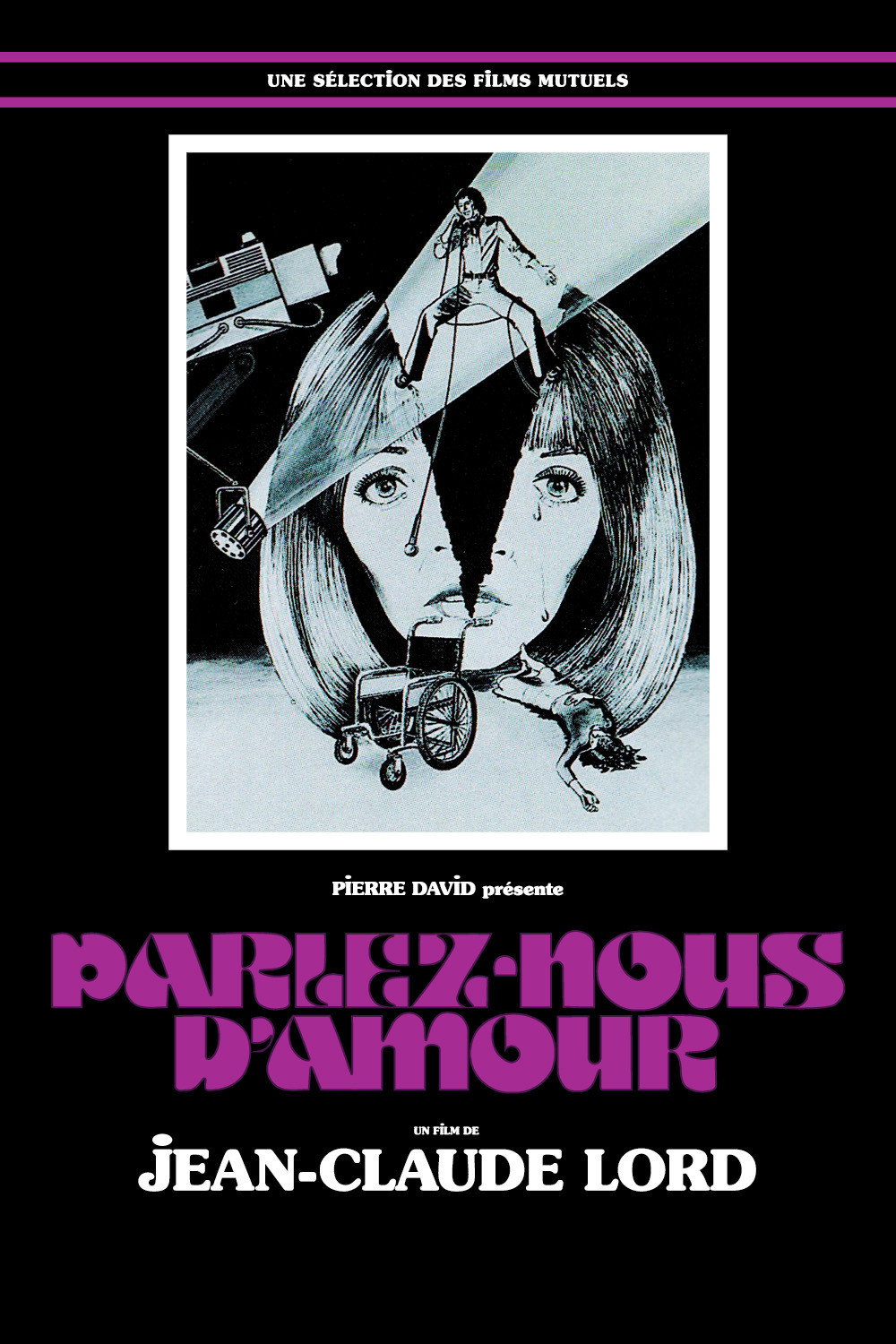
Videodrome + The Table
Cinema is a screen onto which we can project our fears, torments and the monstrosities of the world. The screen protects us from what we see, but cinema has also permanently anchored our nightmares around a few powerful images (empty houses, hostile attics and basements, demonic masks, bloodcurdling grimaces, disturbing postures). Throughout the summer, the Cinémathèque québécoise will be presenting a series of films encompassing more than one hundred and twenty years of horror, reminding us that what scares us most is to make the deepest of our fears tangible and credible.
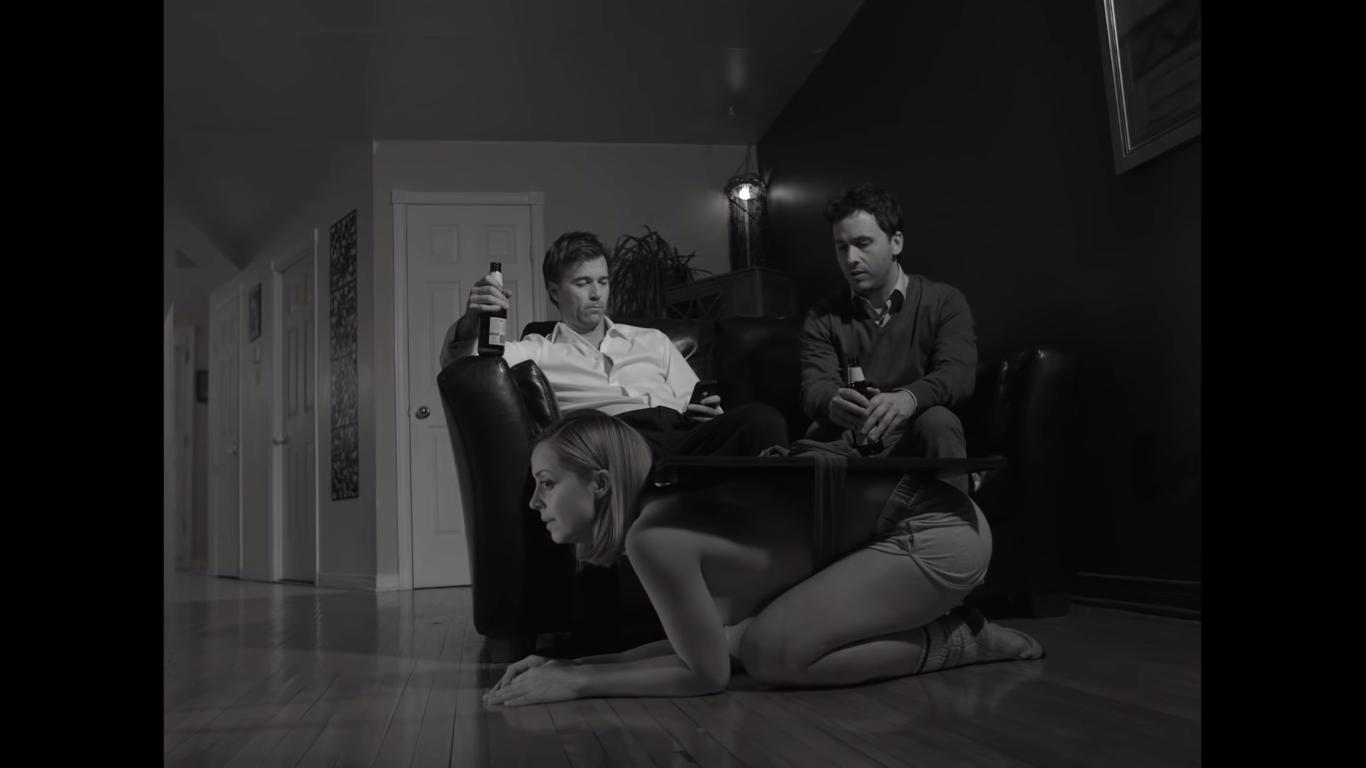
A man goes to a potential employer’s house one evening, only to find out that the job started as soon as he got in the house…

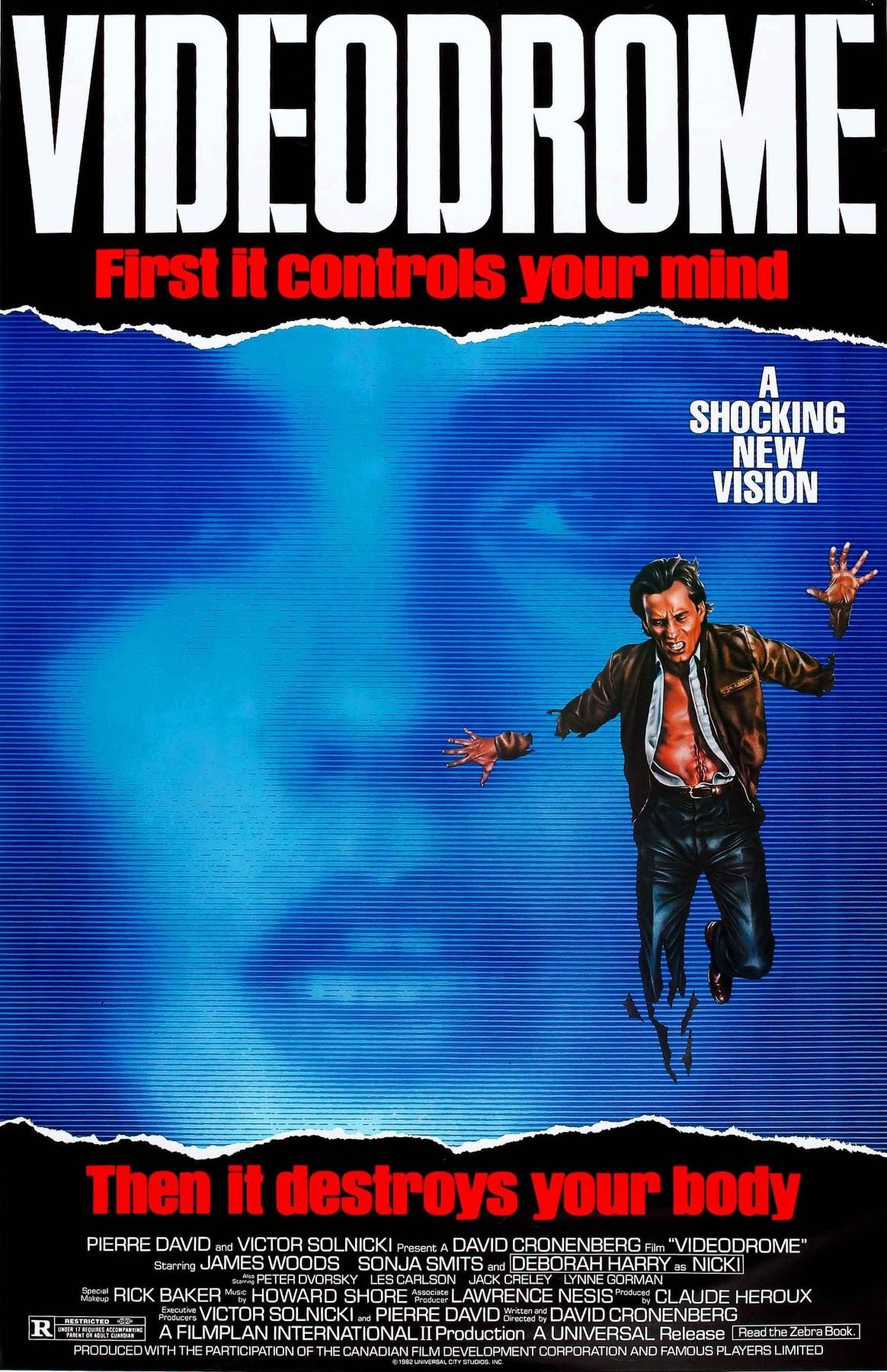
Fascinated by the television show Videodrome, a programmer at a TV station that specializes in adult entertainment experiences a physical and sensory transformation.
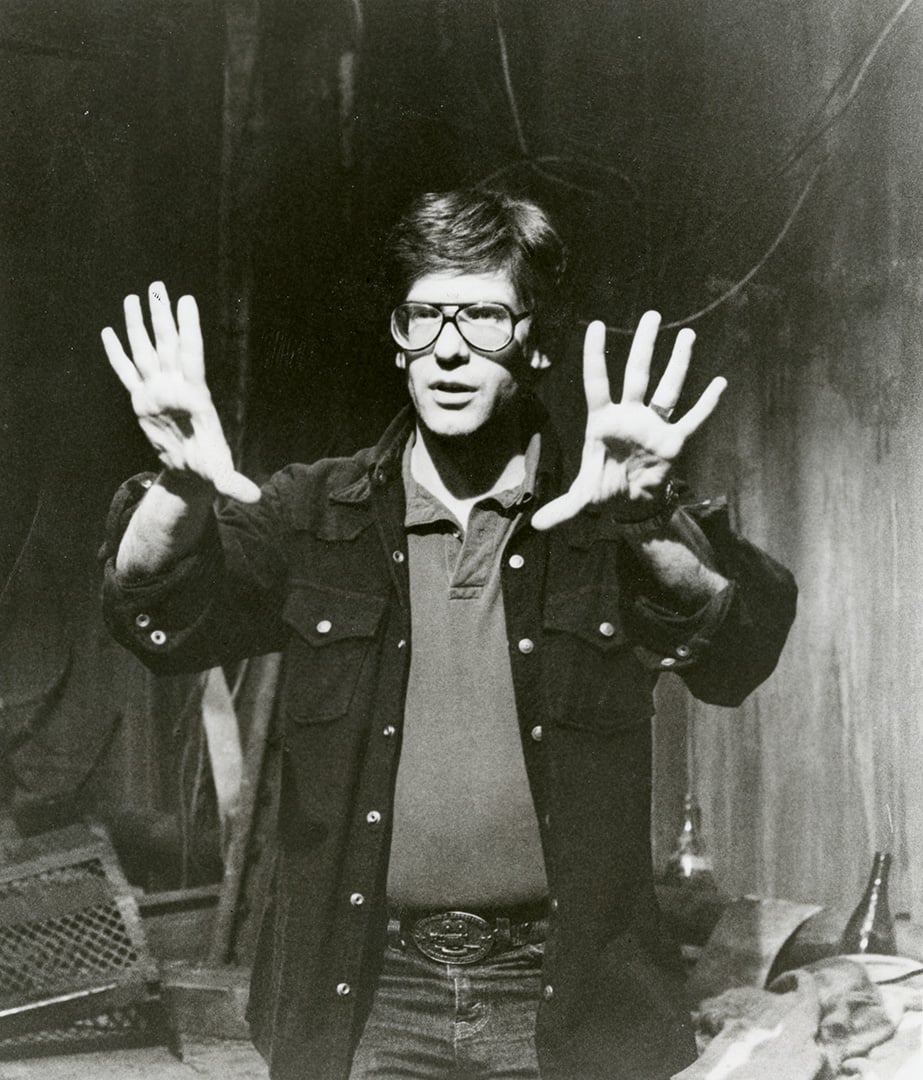
David Cronenberg
David Cronenberg is a Canadian film director, actor, producer, and screenwriter. He is one of the main originators of the body horror genre, with his films exploring visceral bodily transformation, infectious diseases, and the intertwining of the psychological, physical, and technological. In the first third of his career, he explored these themes mostly through sci-fi horror films such as Scanners (1981) and Videodrome (1983), although his work has since expanded beyond these genres. Cronenberg's films have polarized critics and audiences alike; he has earned critical acclaim and has sparked controversy for his depictions of gore and violence. His films have won numerous awards, including the Special Jury Prize for Crash at the 1996 Cannes Film Festival, a unique award that is distinct from the Jury Prize as it is not given annually, but only at the request of the official jury, who in this case gave the award "for its originality, daring, and audacity". From the 2000s to the 2020s, he collaborated on several films with Viggo Mortensen, including one of his most recent offering, Crimes of the Future (2022).