Welcome to Marwen
What better time than the holiday season to dive into the wonderful world of toys? Cinema has always loved to use its magic to fulfill an eternal childhood dream: seeing toys come to life. Naturally showcasing animated films, this series takes us at the frontiers of imagination, fantasy, and dreams through movies where toys are very well alive, albeit in different ways. By turns strange, amusing, wonderful, or unsettling, these toy stories inevitably lead us to reflect on our own humanity, while always managing to strike a chord deep within us.
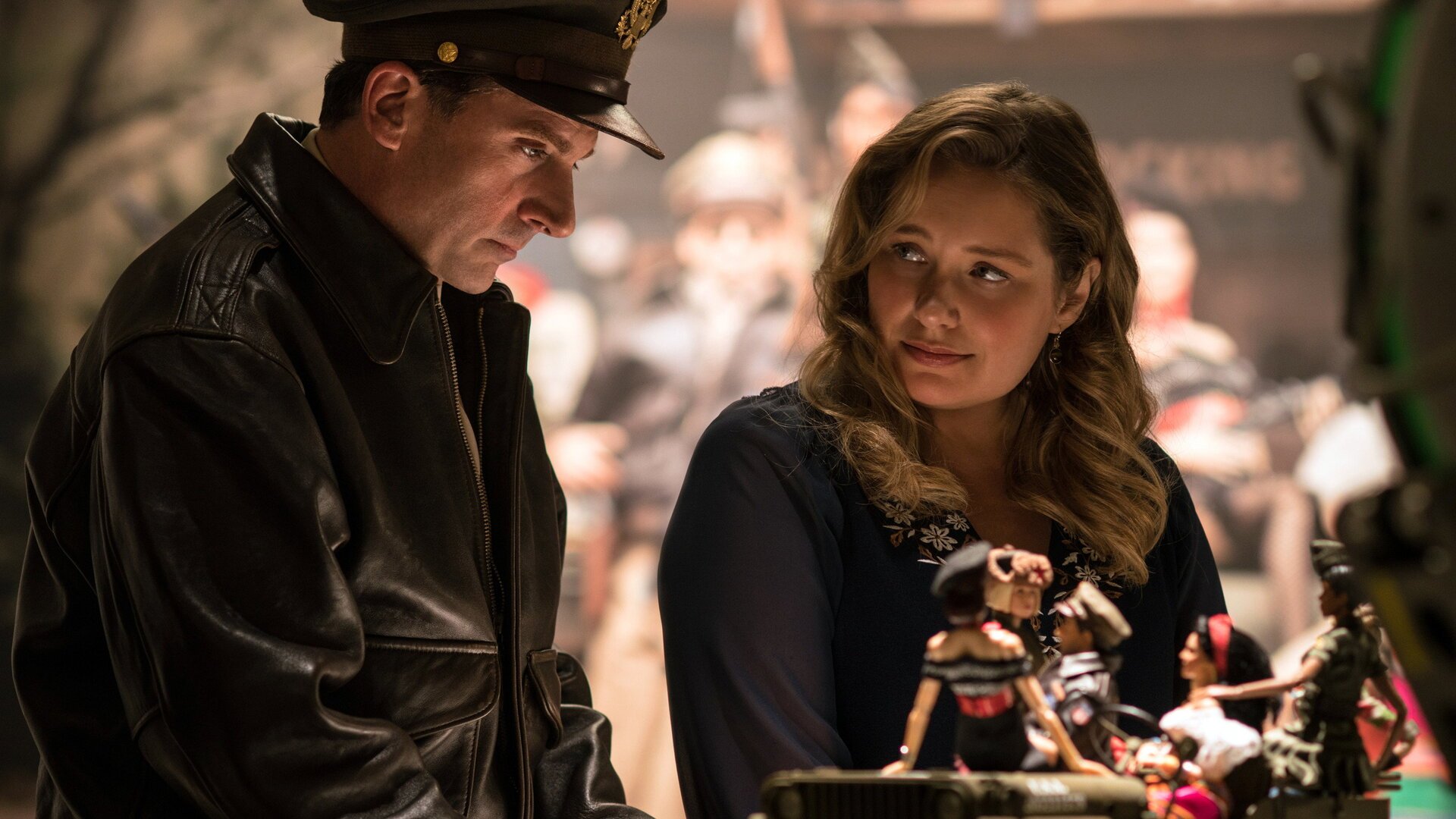
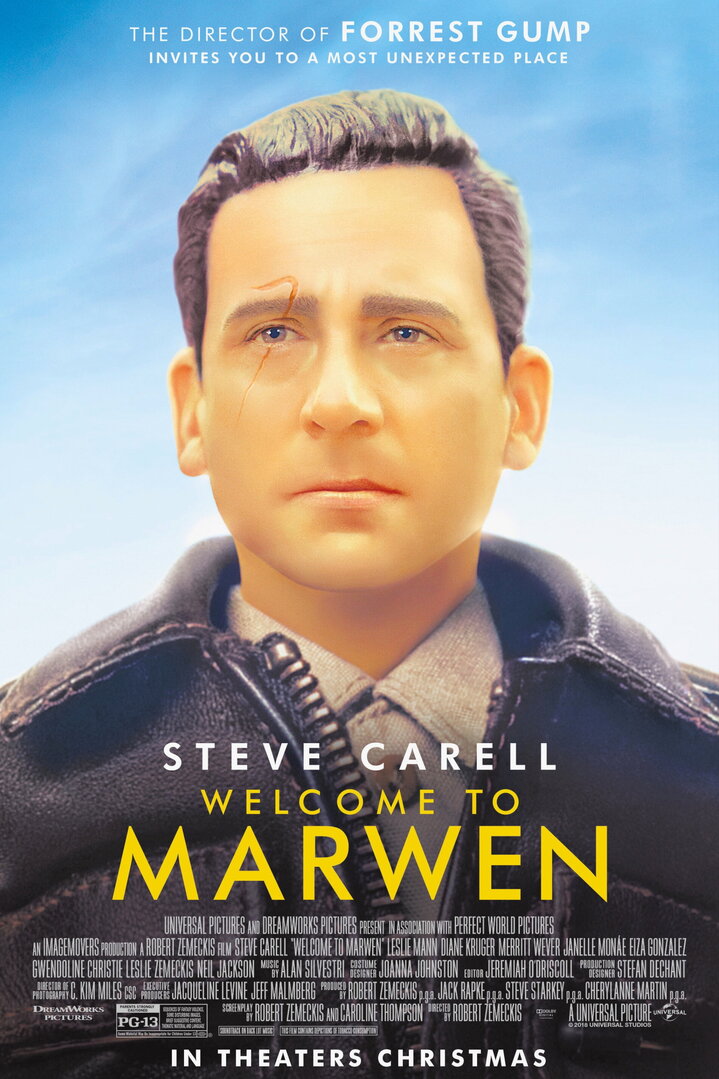
A man suffering from post-traumatic stress disorder following an assault creates an imaginary village, Marwen, populated by dolls whose adventures serve as a shield to help him cope with his memories. The arrival of a new neighbor forces him to bridge the gap between his fantasies and the real world, setting him on a path toward healing.
Robert Zemeckis
Robert Zemeckis is an American director, producer, and screenwriter. After winning a Student Academy Award for his short film A Field of Honor, he caught the attention of Steven Spielberg, who produced his first two films. He gained wider recognition with the adventure film Romancing the Stone, where he collaborated with composer Alan Silvestri, who provided the score for all of his subsequent films. This success propelled him to direct the Back to the Future trilogy (1985-1990) and the groundbreaking Who Framed Roger Rabbit (1988), where he perfected a technique blending animation with live-action shots, earning the film four Academy Awards. In 1994, Zemeckis triumphed again at the ceremony with Forrest Gump, winning Best Director. The film ultimately received 6 Academy Awards, including Best Picture. Following another hit with Tom Hanks in Cast Away (2000), he pioneered a new motion capture technique, radically changing by freeing them from the constraints of reality. He directed films like The Polar Express (2004), Beowulf (2007), and A Christmas Carol (2009) using this technology before returning to more traditional filmmaking.