You Can't Take It with You
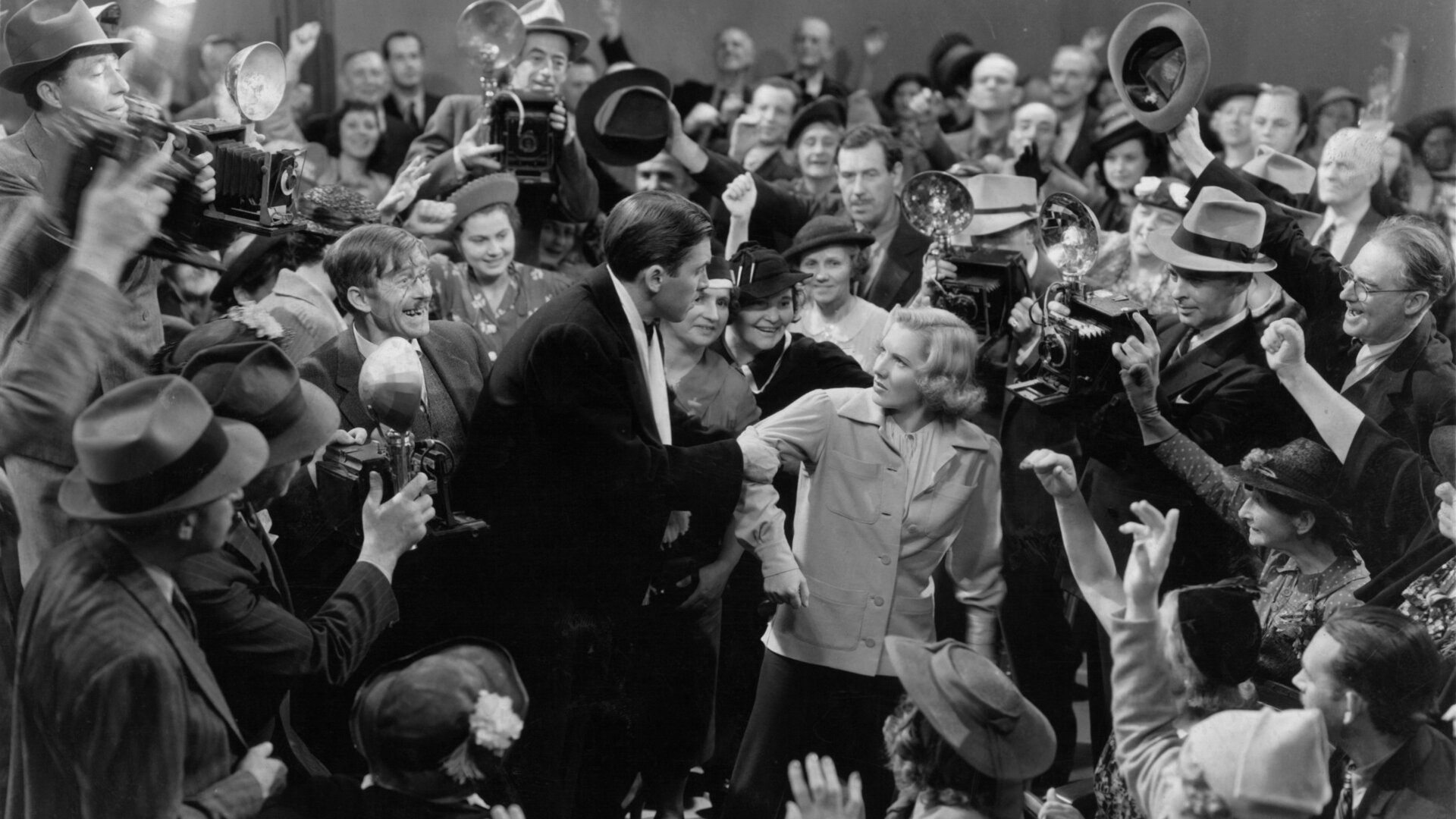
For the holiday season, we are presenting three films that will put a smile on your face, while bringing a delightful breath of anarchy and impertinence. To be enjoyed individually or together: You Can't Take It with You, Frank Capra’s wonderful fable where solidarity and nonconformity triumph over the powerful; A Night at the Opera, the Marx Brothers’ hilarious adventure, which sweeps away all traces of proper conduct and snobbery; and the black comedy Santa Claus is a Stinker, in which every line has become a cult classic.
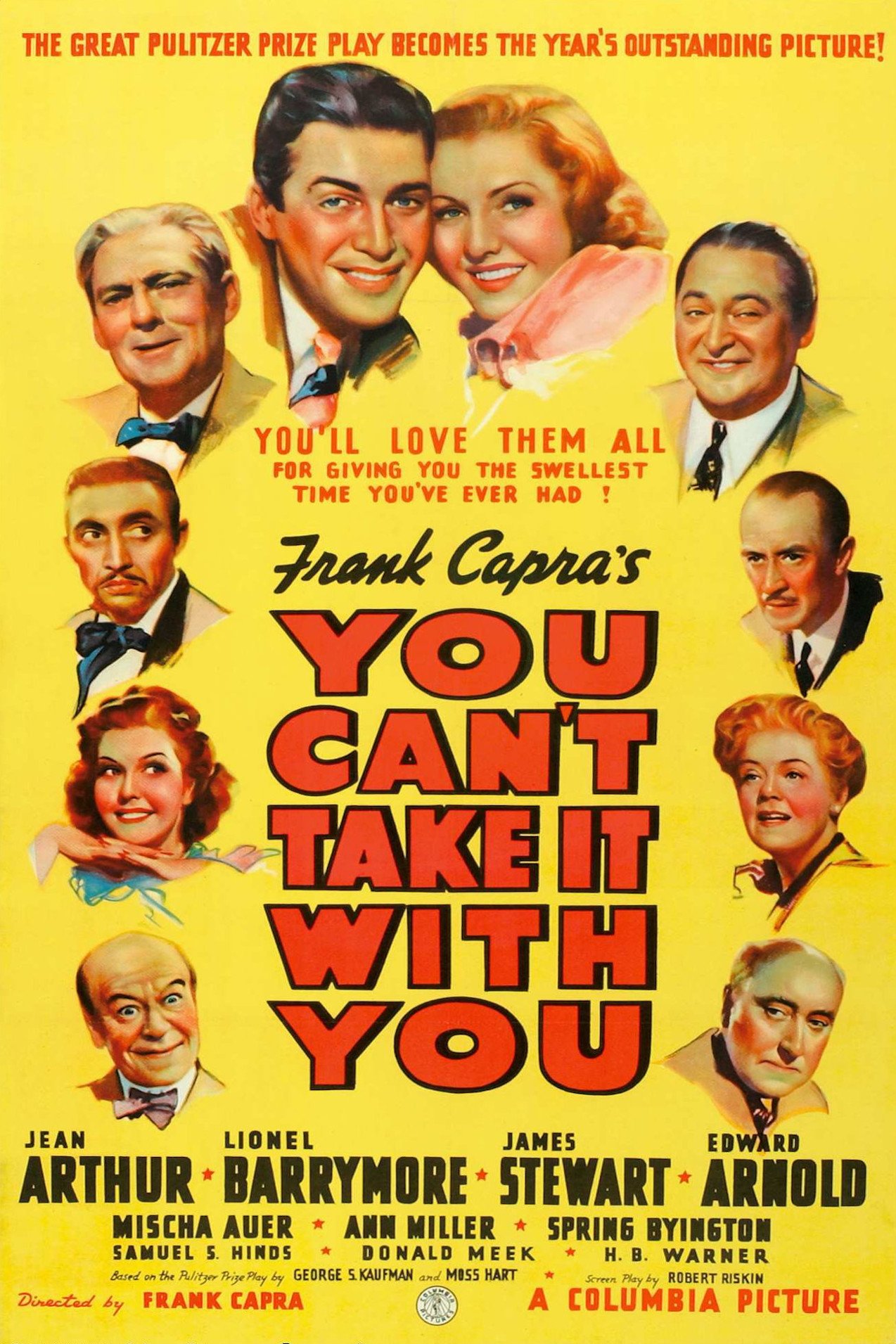
Winner of the Academy Awards for Best Picture and Best Director in 1939
The son of a businessman falls in love with a young woman from a modest and eccentric family. How can they reconcile the radically different worldviews of their respective backgrounds?
Frank Capra
Frank Capra was an American director, screenwriter, and producer of Italian descent. Born to Italian immigrant parents, he entered the world of cinema almost by chance, honing his skills under Mack Sennett as a gag writer before transitioning to directing. His collaboration with producer Harry Cohn helped elevate Columbia Pictures and cemented Capra as one of the most influential filmmakers of the 1930s, earning him three Academy Awards for Best Director. Among his enduring classics are It Happened One Night, Mr. Deeds Goes to Town, Lost Horizon, You Can’t Take It With You, Mr. Smith Goes to Washington, Meet John Doe, Arsenic and Old Lace, and It’s a Wonderful Life. During World War II, he also directed several propaganda films. Capra was one of the first Hollywood directors to enjoy significant creative freedom for many of his projects. His success helped pioneer the concept of the director as the primary creative force behind a film, paving the way for the auteur theory. A rarity at the time, Capra’s name became a recognized brand, often appearing above the title on movie posters — outshining even the biggest stars.