This recurring program is an opportunity to present films from various eras and origins, thanks to 35mm prints acquired over the years by the Cinémathèque québécoise. This month, Wim Vandekeybus’ Blush, a spellbinding exploration of the unconscious and passion, punctuated by dance numbers and inspired by the myth of Orpheus and Eurydice.
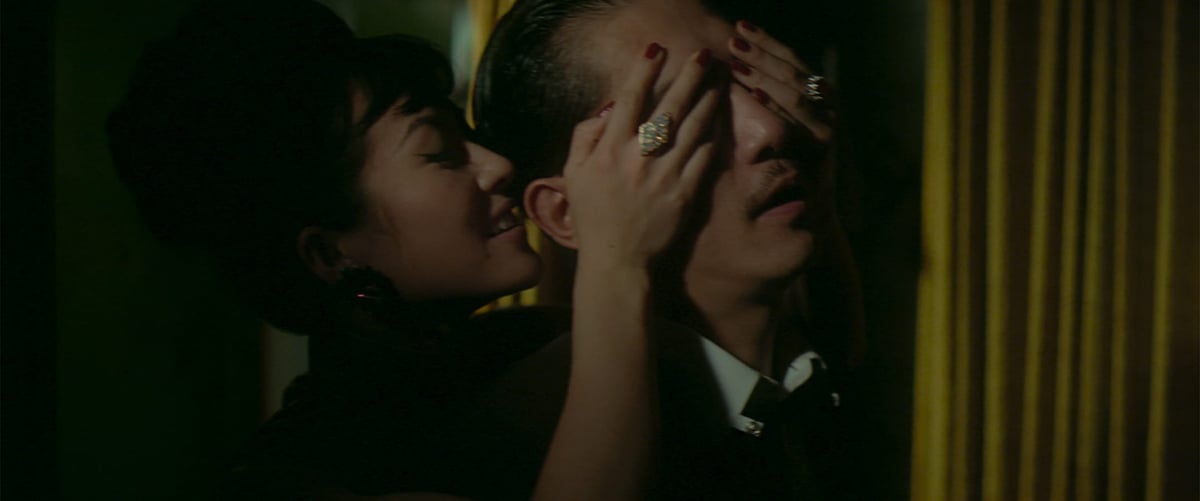
Back in Hong Kong in 1966, an ex-journalist writing a science fiction novel is haunted by a lost love.
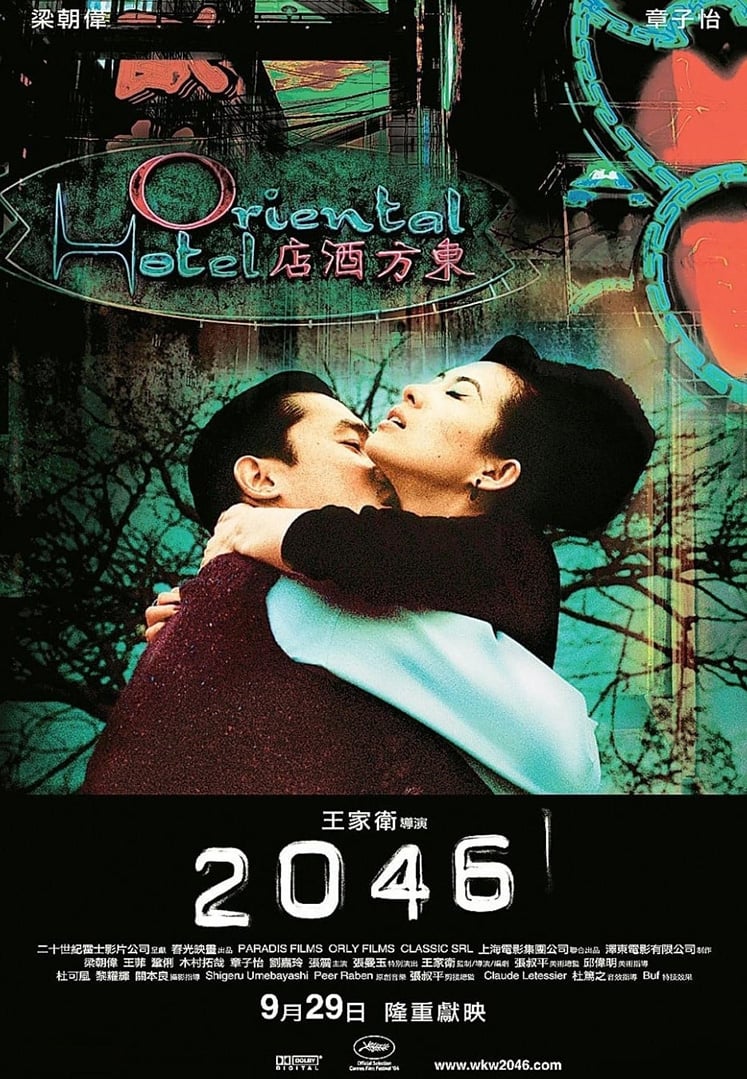
Wong Kar-wai
Born in Shanghai in 1958, Wong Kar-wai moved to Hong Kong as a child. For ten years, he was separated from his siblings, blocked in China due to the Cultural Revolution. This personal and collective upheaval undoubtedly permeated his work to come. After his studies, he became a production assistant, and a screenwriter for television. He joined Barry Wong's team, which introduced him to the film industry, and notably wrote the screenplay for Final Victory, directed by Patrick Tam, who also produced his directorial debut, As Tears Go By (1988). By the 1990s, Wong was working with some of Hong Kong's biggest stars. Exploring very different genres, he achieved both critical and popular success with films like Ashes of Time, Chungking Express, and Happy Together, cementing his place on the global stage. He solidified his reputation in the 2000s with In the Mood for Love and 2046. After a brief foray into American cinema (My Blueberry Nights), he reunited with his long-time collaborator Tony Leung, and Hong Kong history in The Grandmaster.

Explore
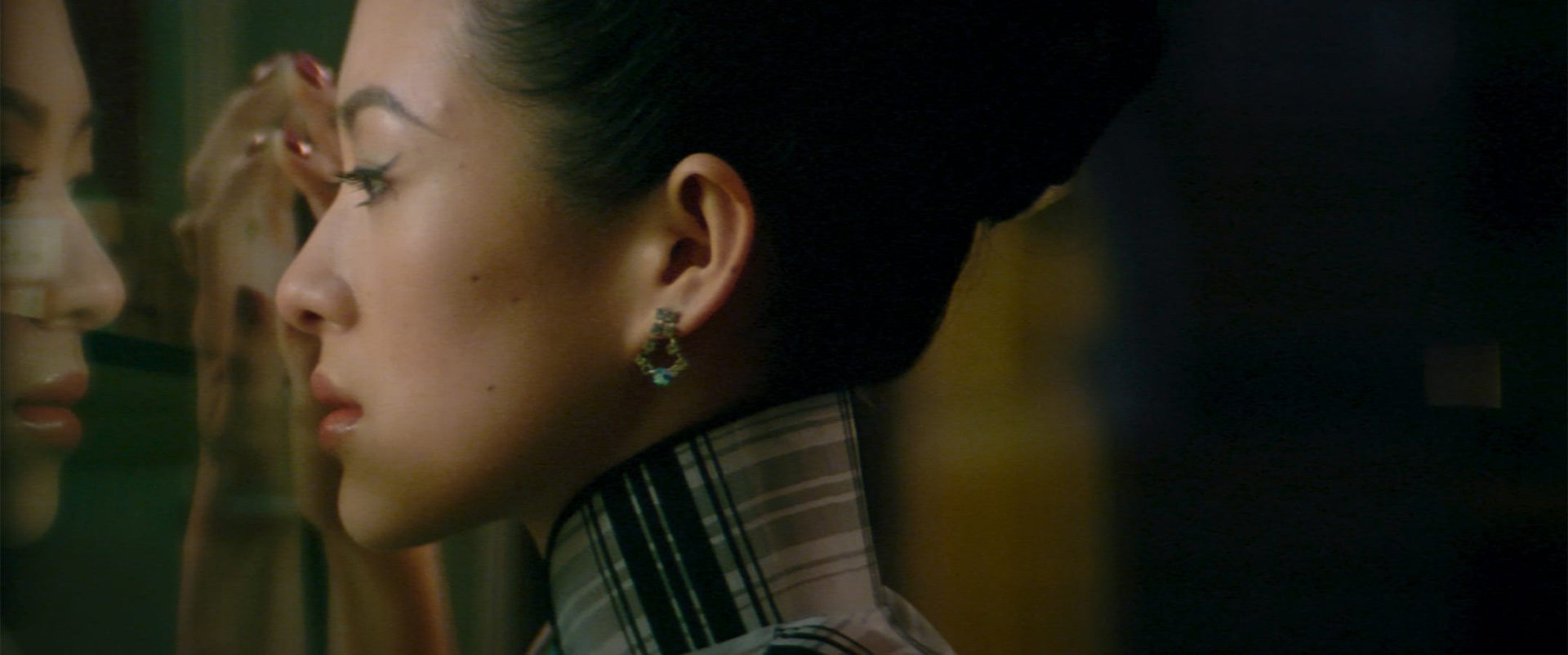
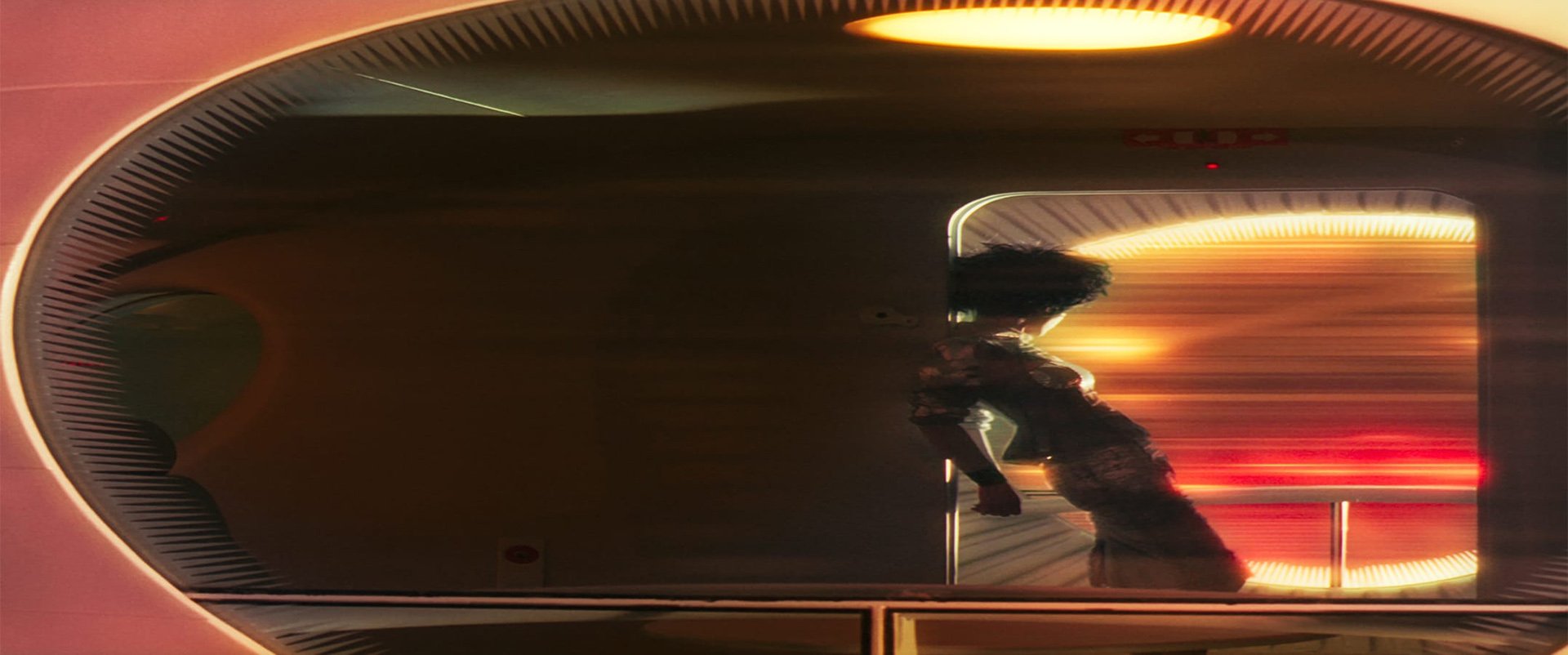

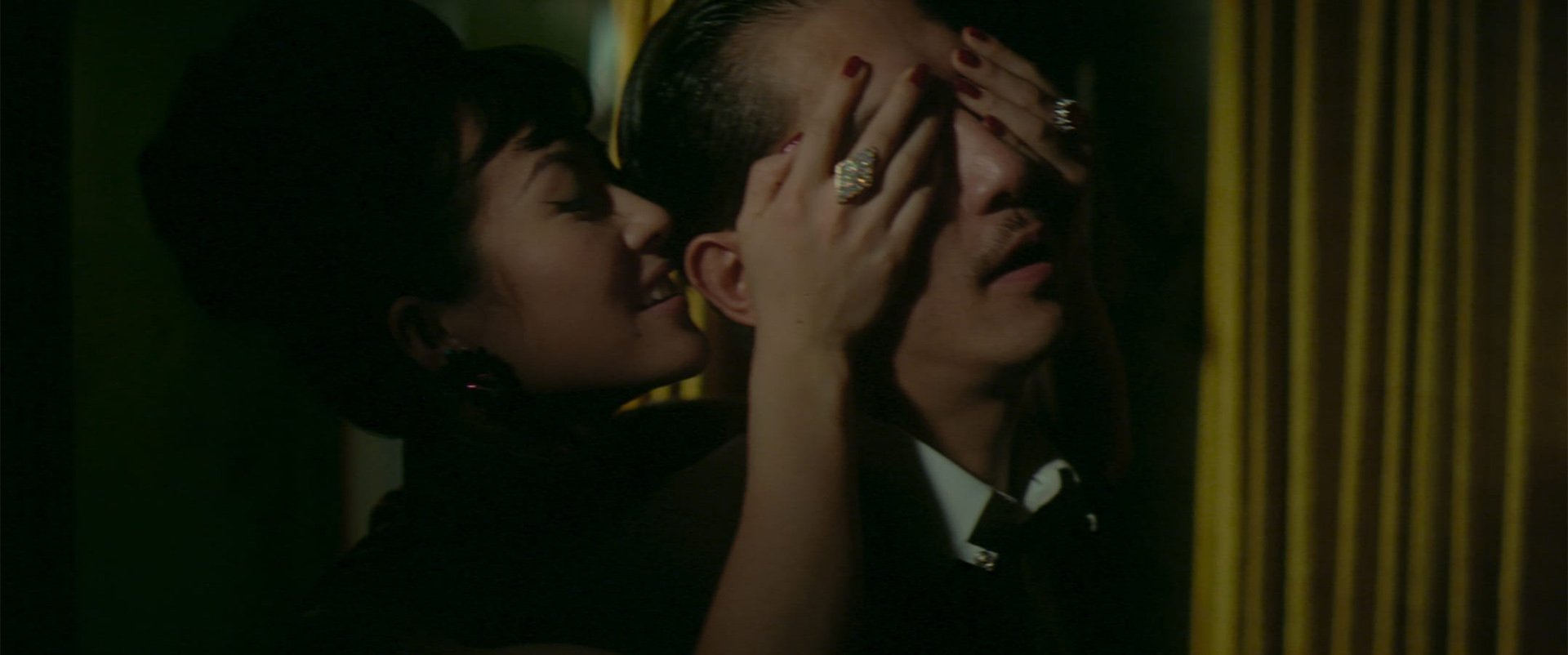
2046 by Wong Kar-wai
2046 by Wong Kar-wai
2046 by Wong Kar-wai
2046 by Wong Kar-wai

2046 by Wong Kar-wai
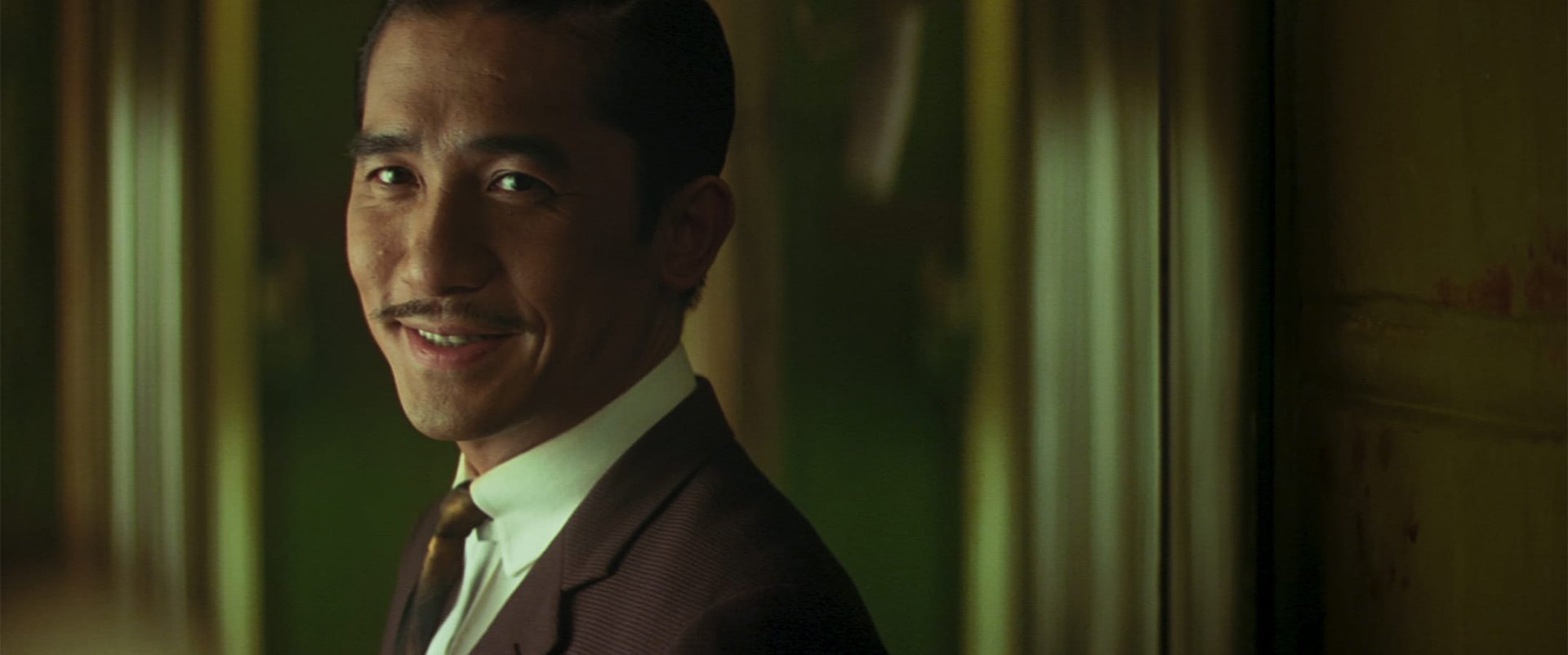
2046 by Wong Kar-wai

2046 by Wong Kar-wai
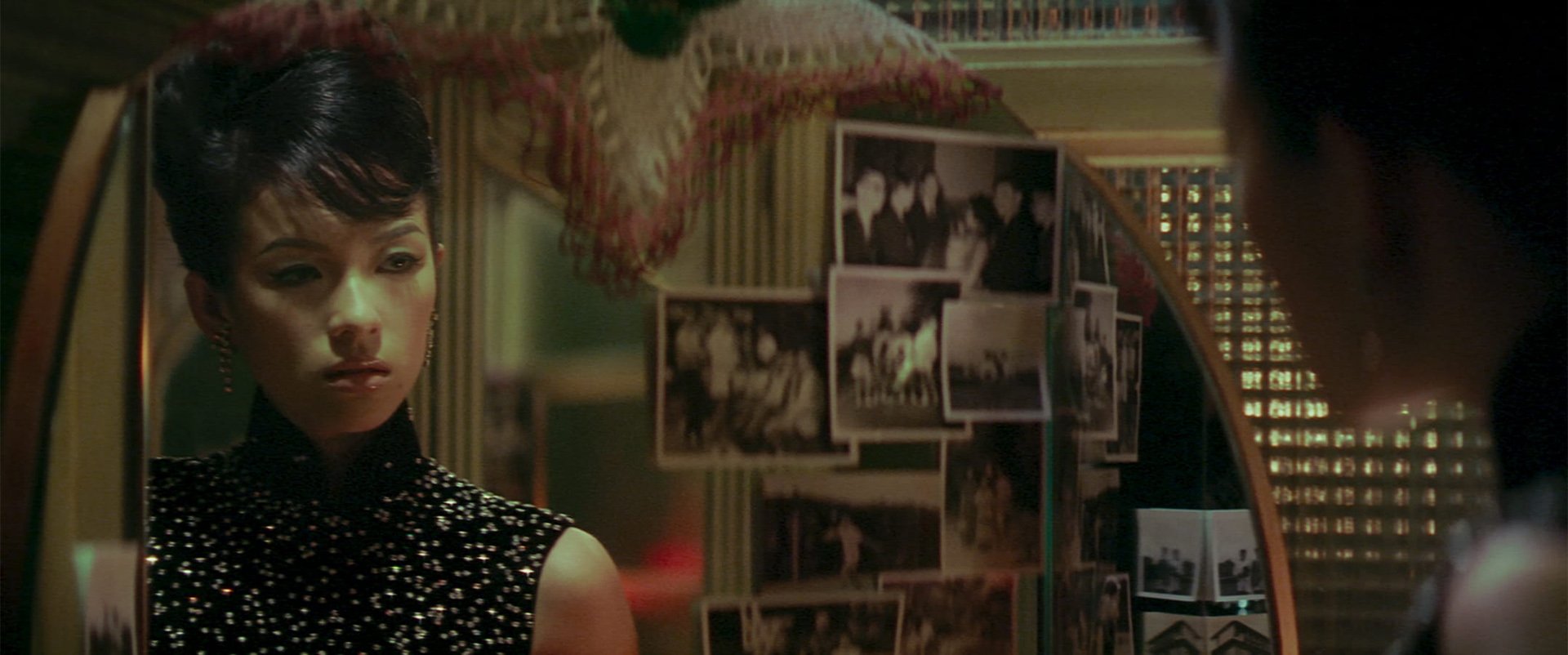
2046 by Wong Kar-wai

2046 by Wong Kar-wai
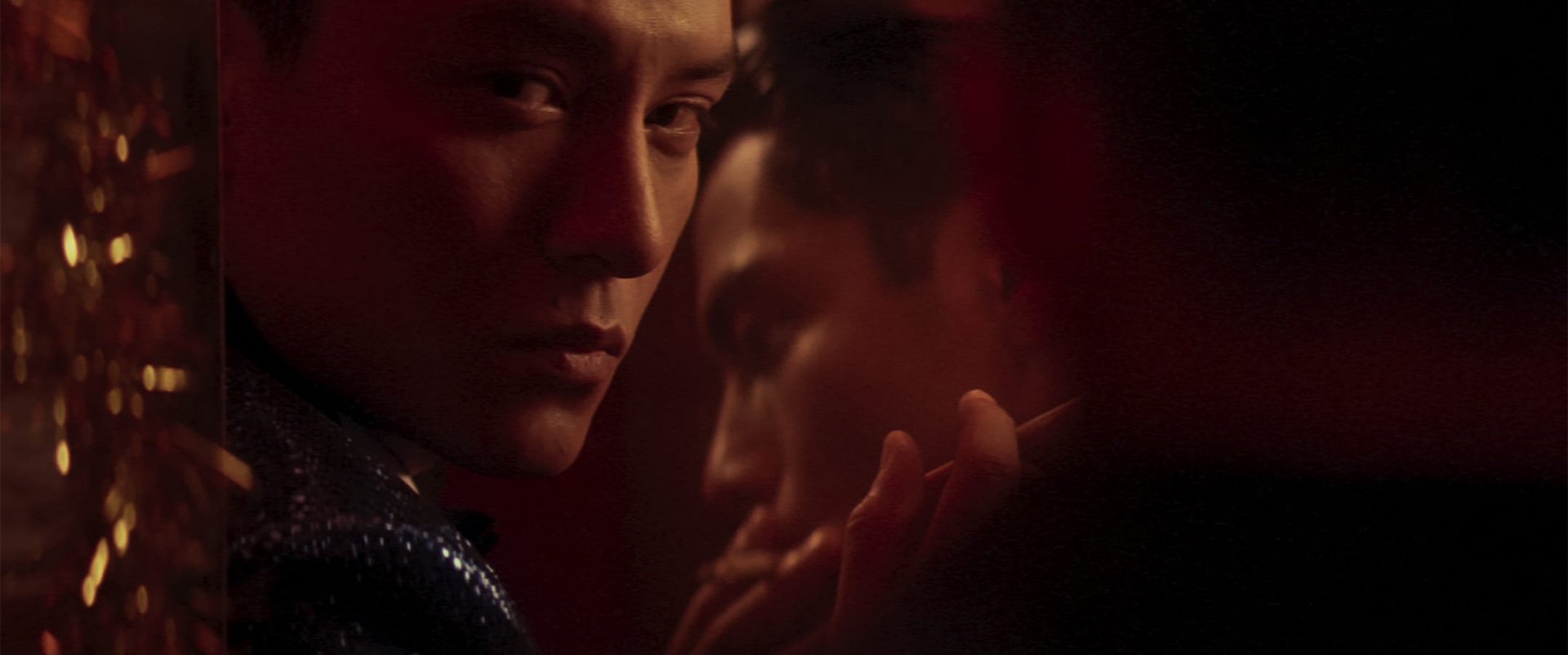
2046 by Wong Kar-wai