35 rhums
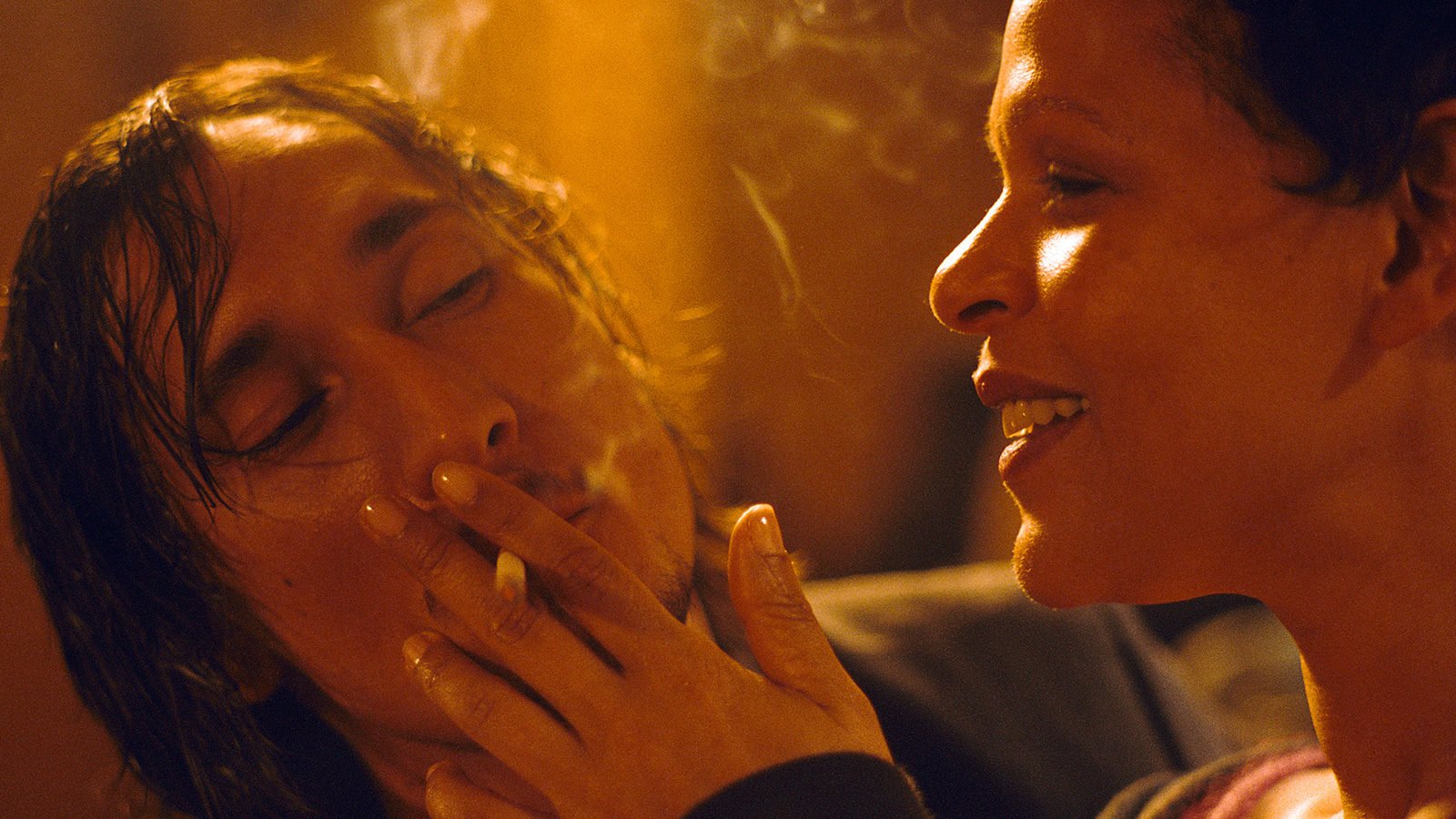
A filmmaker of the body who succeeded in creating a poetic vision of the female gaze, Claire Denis also depicted violence as it is experienced through the flesh, particularly in a post-colonial world, notably in Cameroon or Djibouti. Yet her scope is broader, encompassing social commentary as well as genre cinema, science fiction, and horror.
Winner of the Special Jury Prize, 2008 Gijón International Film Festival
Lionel is a train driver on Paris’ rapid-transit rail network. He has raised his daughter, Joséphine, alone since she was a little girl. The two are used to living alone, dependent solely on one another. But their relationship begins to change when a neighbor makes his feelings for Joséphine known.
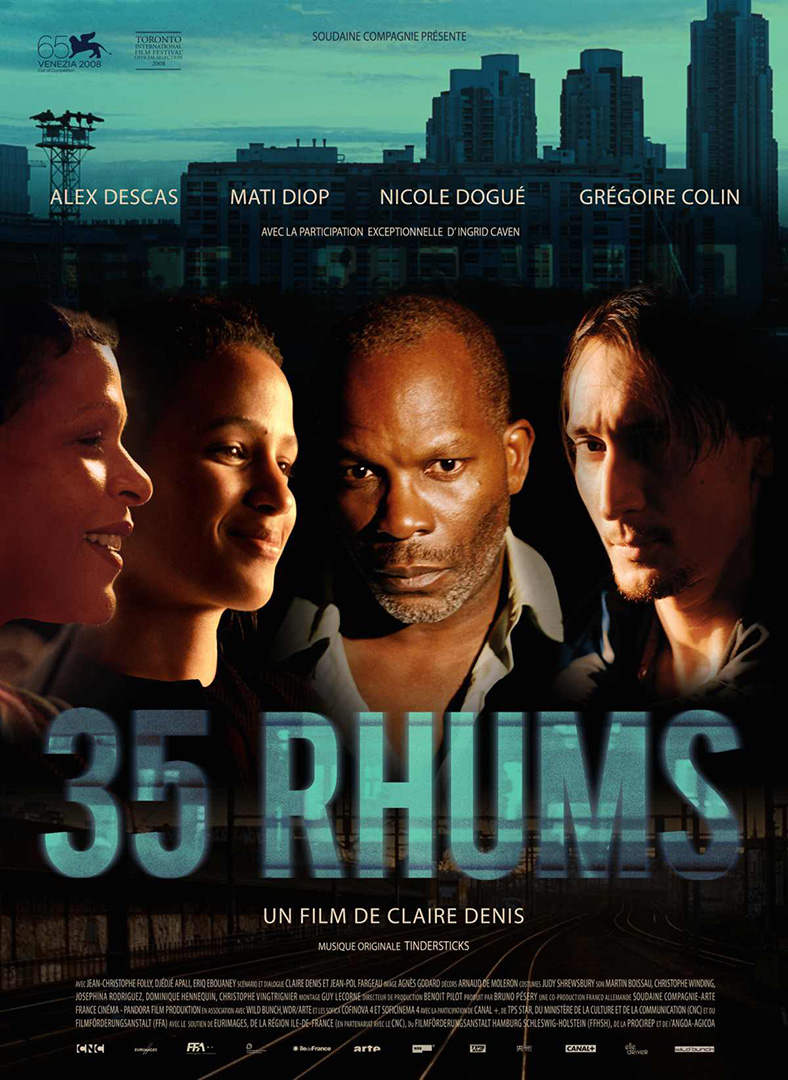
Claire Denis
Claire Denis is a French screenwriter and director. She began her career as an assistant director for several prominent filmmakers, including Jacques Rivette, Wim Wenders, and Jim Jarmusch. Inspired by these experiences and encouraged by Wenders, she wrote and directed her first film, Chocolat, in 1988. The film was nominated for the Palme d'or at the Cannes Film Festival. She established her cinematic style with her second film, No Fear, No Die (1990), characterized by a certain violence and an exploration of cinematic form and the relationship to the body. This was followed by numerous auteur films, such as Beau Travail (2000), often focusing on the depiction of desire and love in all its violence. Heavily influenced by the filmmakers she worked with, as well as Yasujirō Ozu and Hou Hsiao-hsien, she has stated that she "chose the camp of filmmakers who trust the image," emphasizing the importance of the scene and its framing. Music and unspoken elements play a crucial role in her films, with dialogue considered an additional layer.
Explore
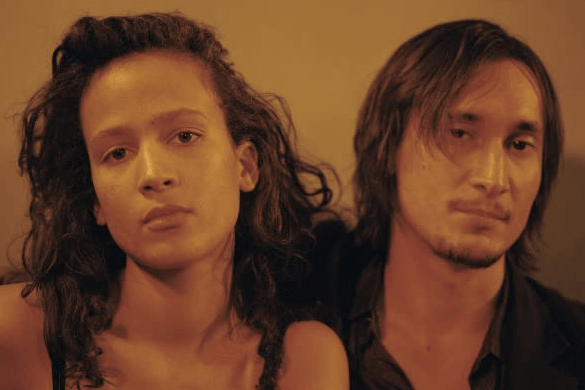
35 rhums: la vraie vie fait son cinéma
35 rhums ramène Claire Denis sur le terrain de l'évocation. Et découle d'une réflexion à caractère autobiographique. « C'est une histoire à laquelle j'ai souvent pensé au fil des ans, mais j'estimais qu'il me valait mieux attendre », expliquait la réalisatrice au cours d'une interview accordée à La Presse.

.jpg)