Bayan ko
Action! If there’s one word associated with cinema, the tension of movie sets, and the focus of attention, it’s this one. Action is very often at the heart of popular cinema: Harold Lloyd hanging from the clock hands in Safety Last! (1923), Cary Grant threatened and strafed by a plane in North by Northwest (1959), Franka Potente gasping for air in Run Lola Run (1998)... Westerns, swashbuckler films, martial arts or adventure flicks, thrillers, all these genres rely on action—sometimes frenetic, sometimes meticulously measured.
From movies by Sergei Eisenstein to Gilles Carle, from John Ford to John Boorman and Werner Herzog, via Paul Verhoeven, Kathryn Bigelow, Park Chan-wook, Érik Canuel, and Nicolas Winding Refn, this series will take you through the full range of emotions, from laughter to thrills, from fear to satisfaction.
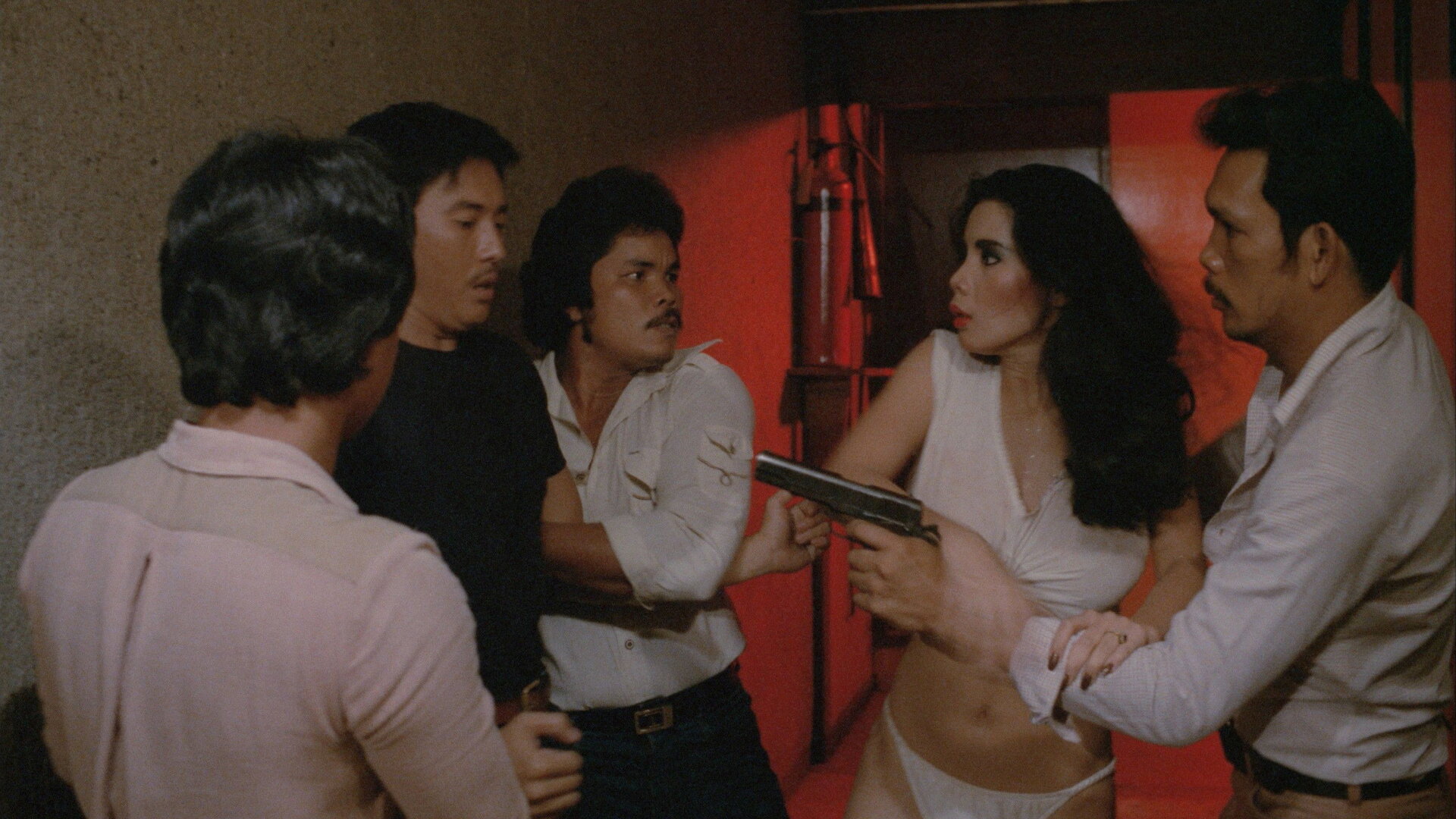
Filmed during the regime of President Ferdinand Marcos, against a backdrop of economic decline and corruption, Bayan ko was originally the title of a song that became the anthem of the opposition to Marcos. An openly politically engaged film, Bayan ko managed to be smuggled out of the Philippines to be screened at the Cannes Film Festival. Considered the most politically engaged work by its director, Lino Brocka, it is a magnificent hymn to the freedom of the Filipino people, but also a tense and incisive thriller.

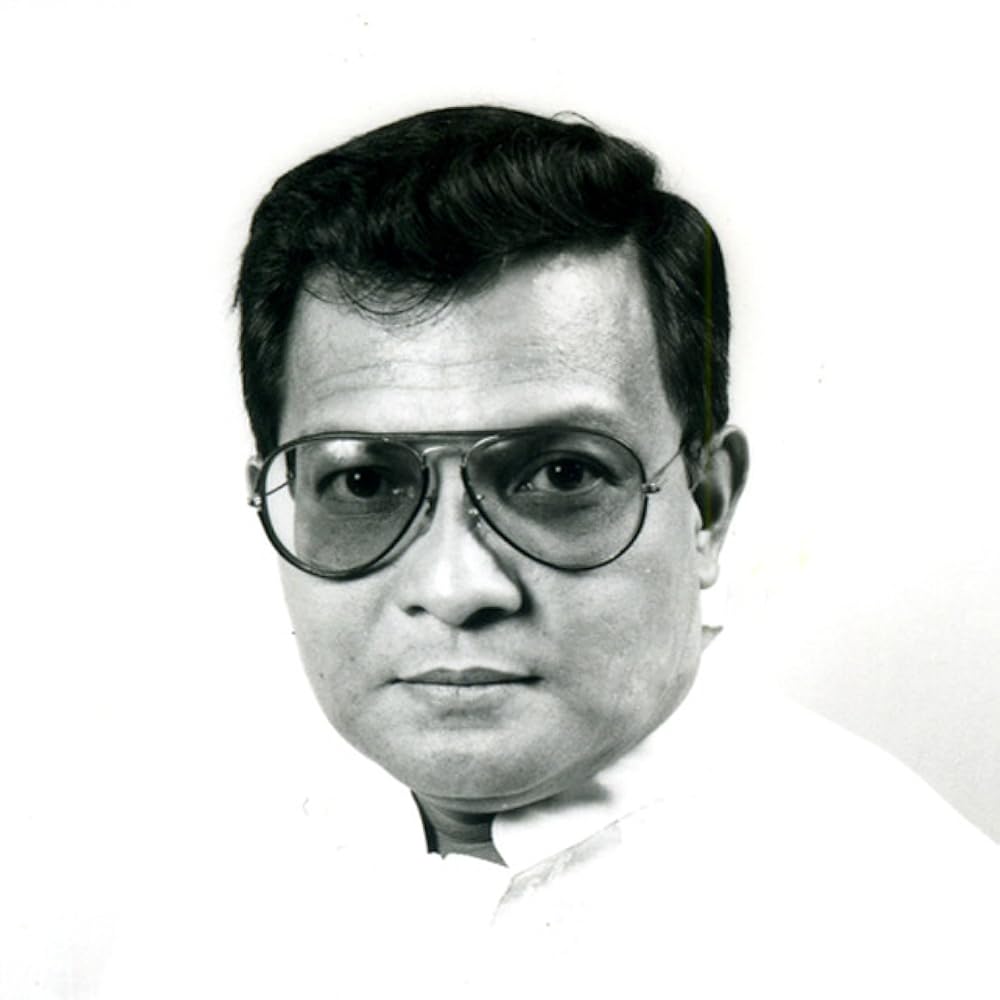
Lino Brocka
Lino Brocka was a Filipino film director. He is widely regarded as one of the most influential and significant filmmakers in the history of Philippine cinema. His filmography often addressed the country's societal issues, and despite his initial closeness with the Marcos family, his work eventually grew to have anti-authoritarian themes in opposition to the dictatorship of former President Ferdinand Marcos. He co-founded the organization Concerned Artists of the Philippines (CAP), dedicated to helping artists address issues confronting the country, and the Free the Artist Movement. He was a member of the Coalition for the Restoration of Democracy. He directed landmark films such as Weighed But Found Wanting (1974), Manila in the Claws of Light (1975), Insiang (1976), Bona (1980), Bayan ko (1984), and Fight for Us (1989). His body of work consisted of popular and political melodramas. After his death in a car accident in 1991, he was posthumously given the National Artist of the Philippines for Film award for "having made significant contributions to the development of Philippine arts."