Bitter Rice
With a stature as wide as his smile, a spectacular expressiveness, and a remarkable diction, Vittorio Gassman is one of the greatest actors cinema has ever seen. Capable of embodying a hundred different personas in a single character, switching instantly from comedy to drama, he masterfully embodied the Italian man with flamboyant irony. Simultaneously boastful and tragic, he never shied away from the grotesque side of Italian comedy, while excelling as a classical actor – he who always remained faithful to Theatre.
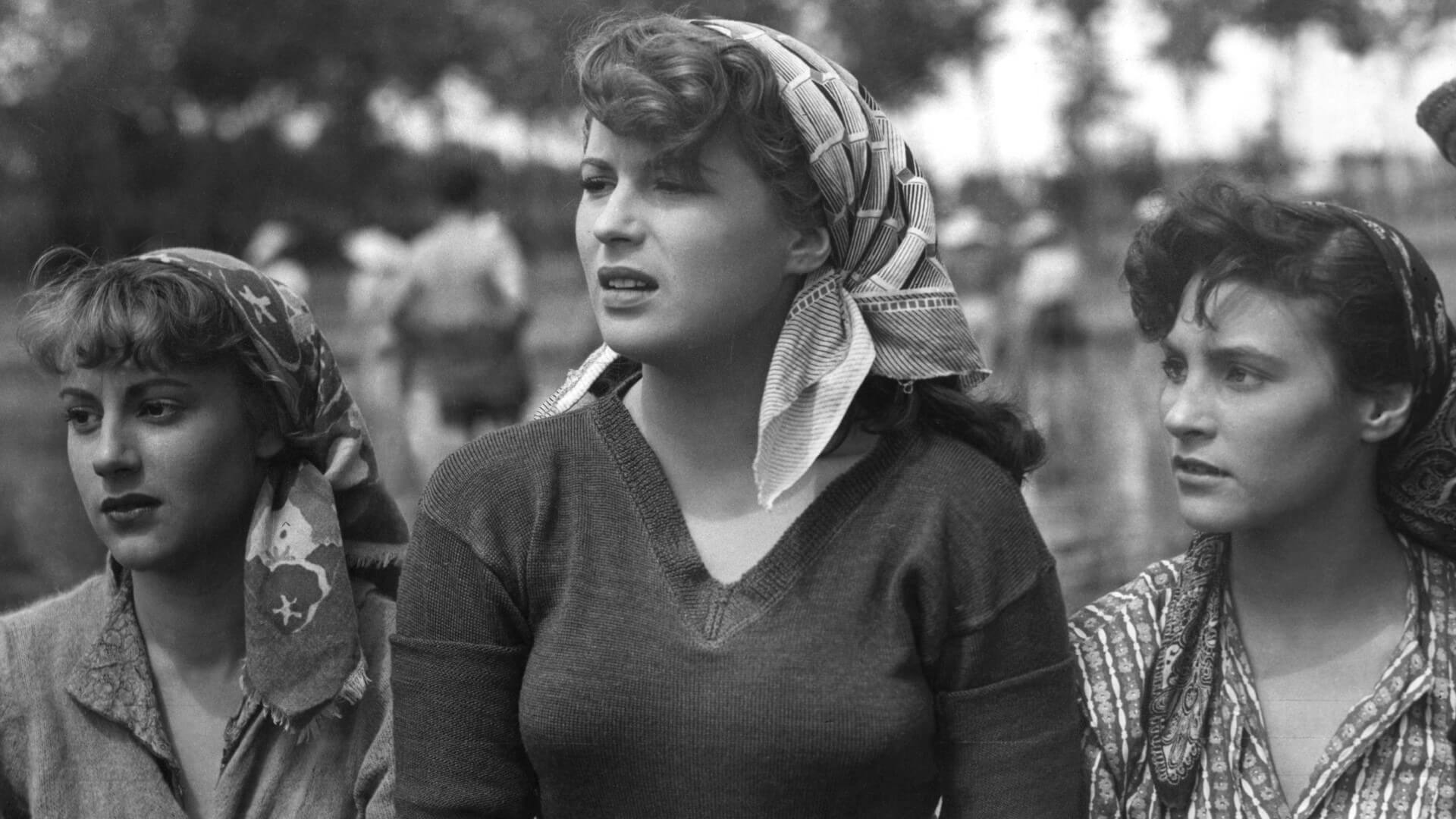
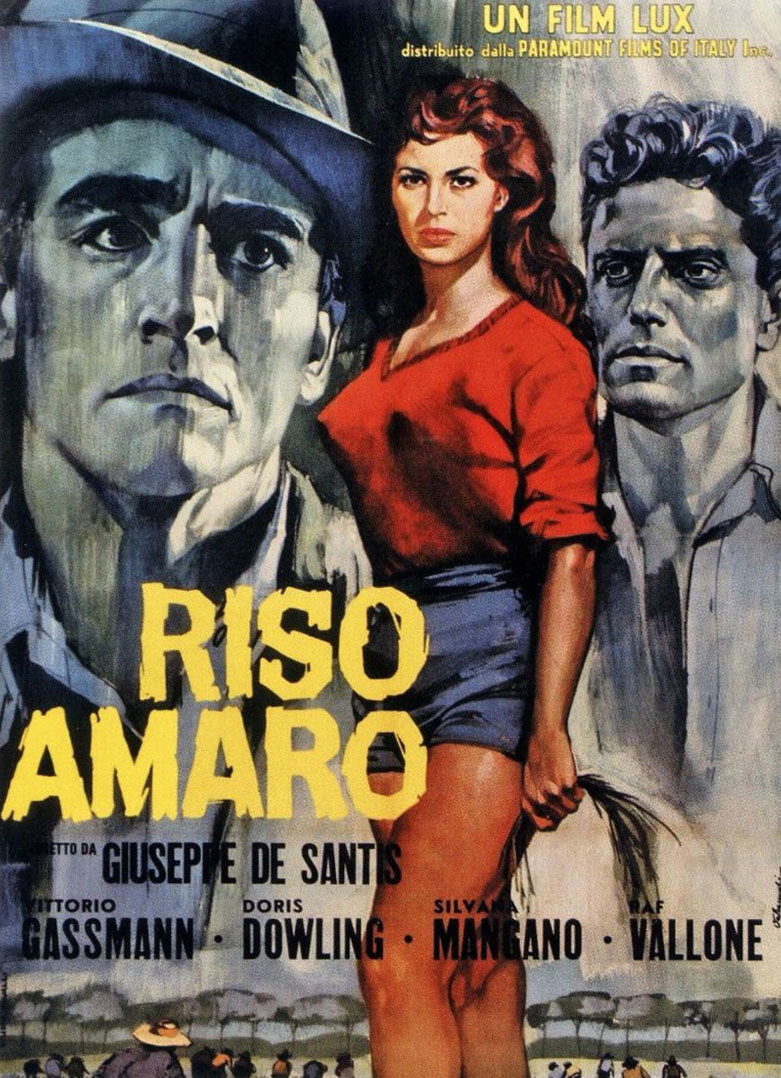
After stealing a necklace, Walter and Francesca narrowly escape the police and are forced to join a convoy of female workers heading for the rice fields. But it's not easy to remain incognito in this workplace...
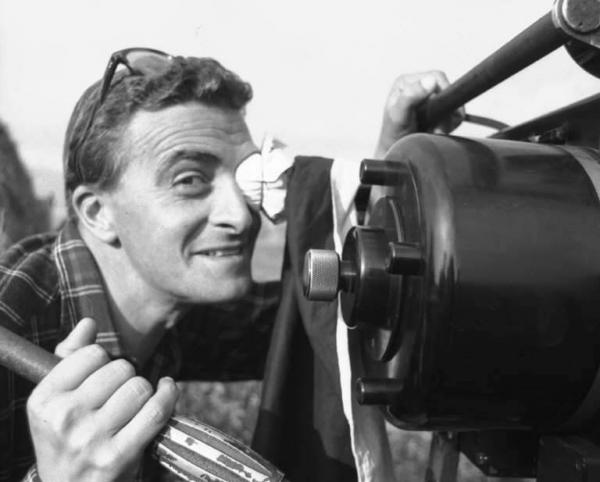
Giuseppe De Santis
Giuseppe De Santis was an Italian film director. One of the most idealistic neorealist filmmakers of the 1940s and 1950s, he wrote and directed films punctuated by ardent cries for social reform. In 1942, De Santis collaborated on the script for Ossessione, Luchino Visconti's debut film, which is usually considered one of the first neorealist films. He made his own directorial debut with Tragic Hunt in 1947. Like the two films that followed it, it was a heartfelt plea for better living conditions for the Italian working-class and agrarian workers. His third film, Bitter Rice (1950), was a landmark of the new cinematic style, made a star of Silvana Mangano, and earned him an Academy Award nomination for Best Original Story. By the early 1950s, the neorealist movement was falling out of favour with critics and audiences. New filmmakers began using dramatic stories that centered on relationships. De Santis also altered his focus, though without fully recapturing the impact of his earlier work. Nevertheless, he is unanimously regarded one of the greatest Italian directors of the 20th century.
Explore
On our blog
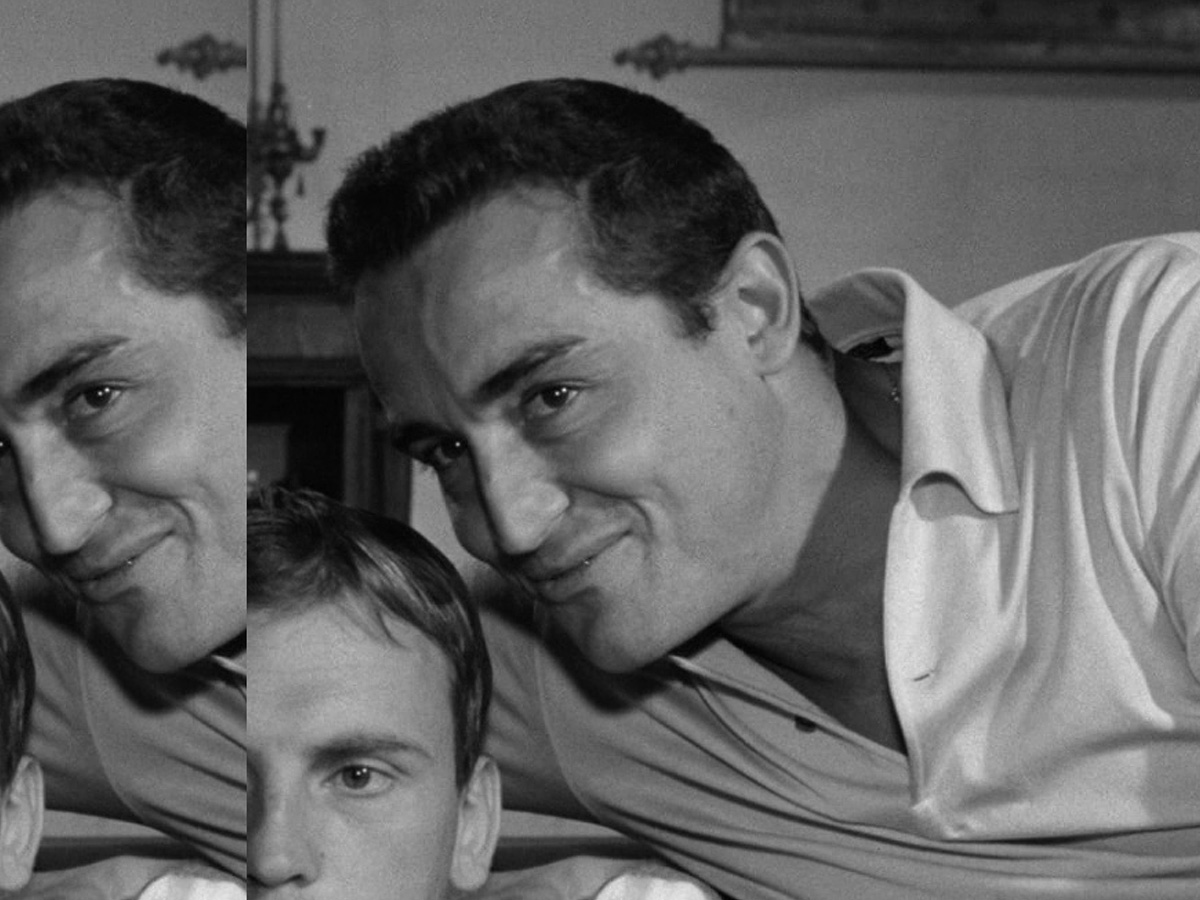
The Easy Life by Dino Risi
Vittorio Gassman, coupable et innocent
S’il a endossé au cours de sa carrière des rôles d’une grande diversité, Vittorio Gassman a particulièrement brillé dans son incarnation outrancière d’une masculinité italienne reflétant les travers et faiblesses d’une société à la croisée des chemins et en perte de repères. Et si sa filmographie est pléthorique, sa collaboration fructueuse avec Dino Risi en demeure la pierre angulaire, terrain de jeu sur mesure pour l’acteur, qui était avant tout un homme de scène et se méfiait du réalisme au cinéma.
Presented in collaboration with