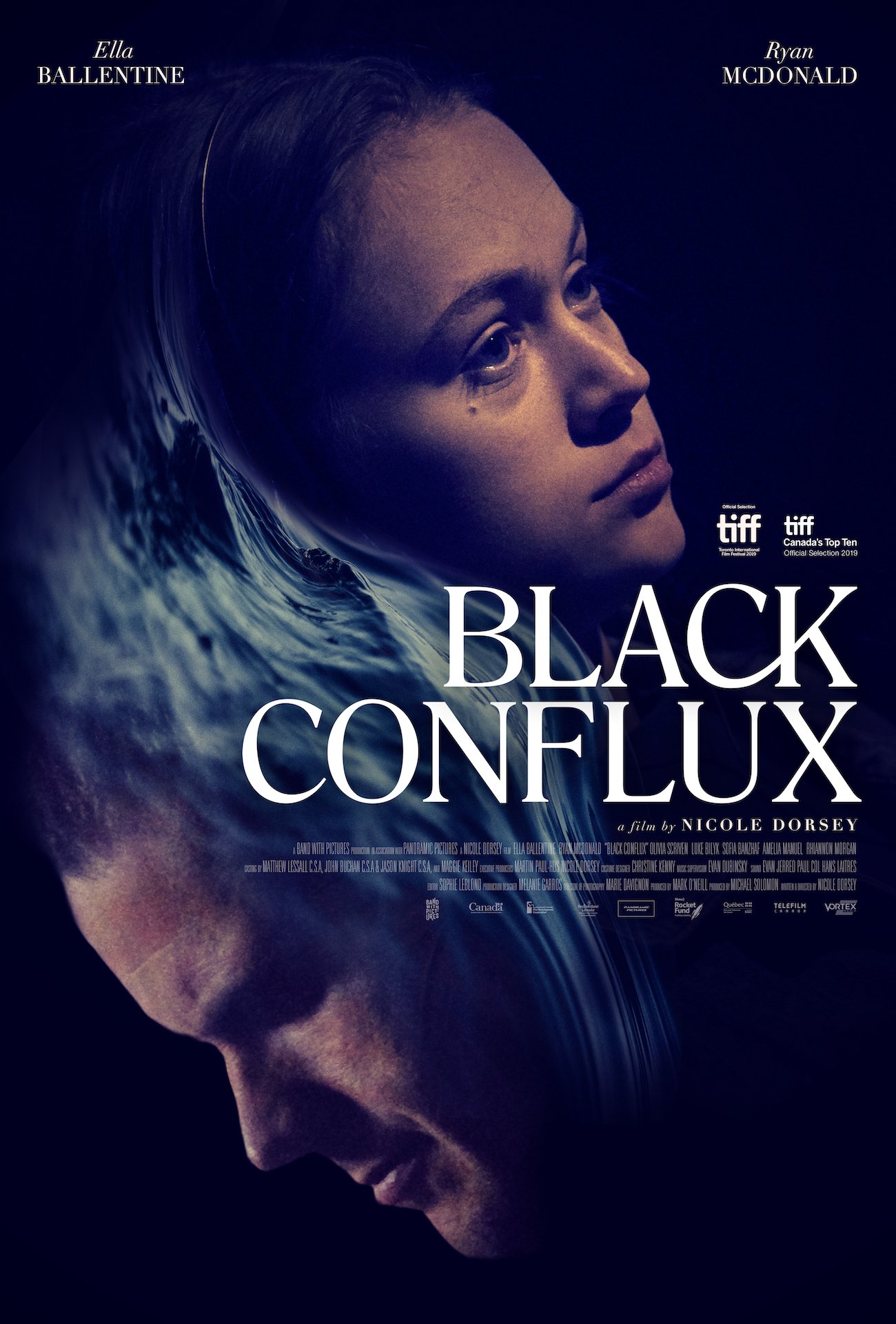
I’ve always had an interest in serial, violent crime. The idea that members of a common species can be governed by such radically aberrant morals, and moreover be driven to act in complete contradiction to such basic conventions staggers me. How does it happen? And beyond that, how do two people, from entirely different circumstances, find each other in these tragic occurrences. Why that victim? Is fate that cruel? It terrifies me. Perplexes me. So, in the summer of 2010, I traveled to Eastern Canada in search of a story. And I found one - the 1981 murder of a young female hitchhiker in Newfoundland - the utmost random (and ultimately fatalistic) meeting of two strangers. Upon returning home, I started Black Conflux, which first began as a study in determinism, then gradually morphed into an unconventional coming-of-age tale.
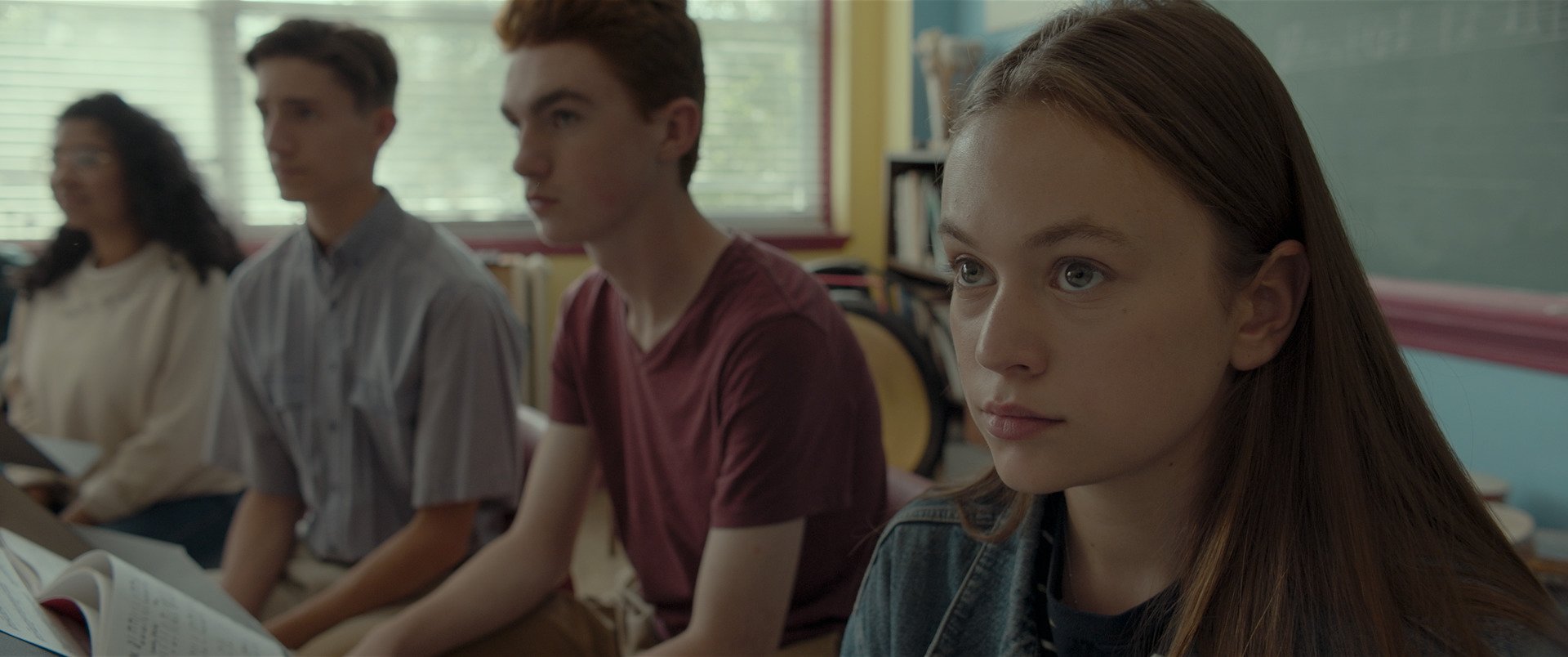
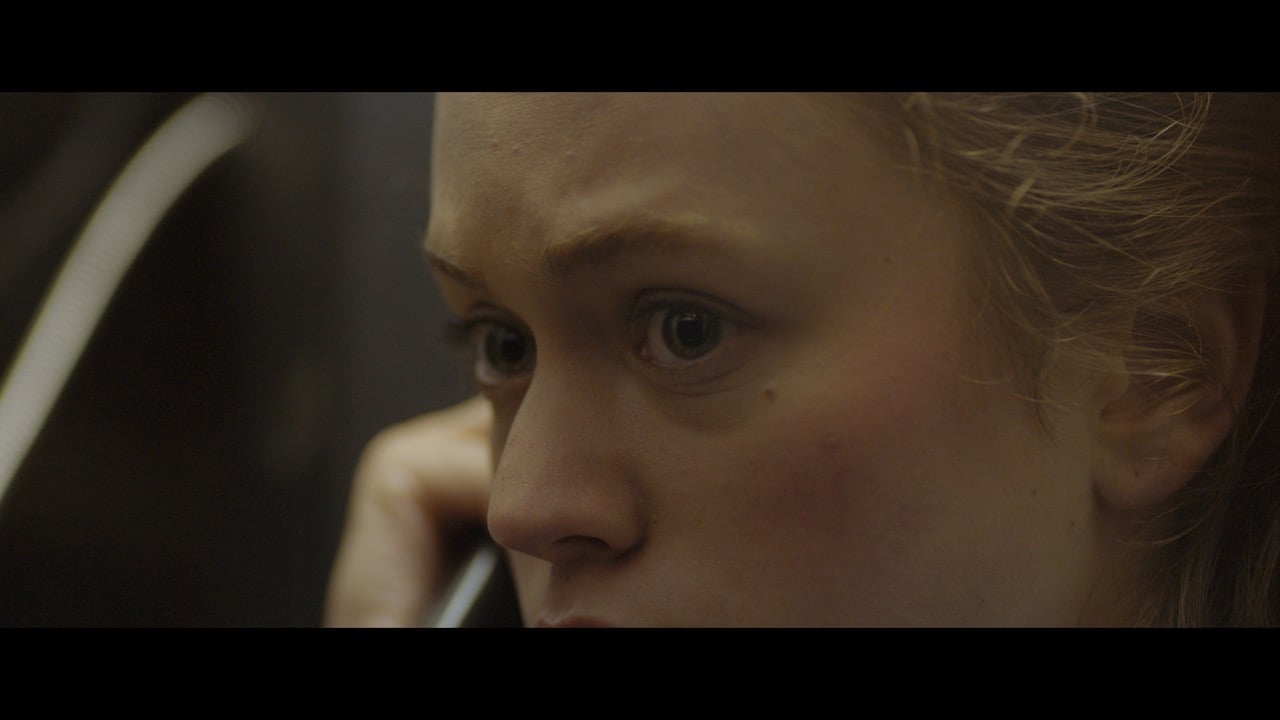
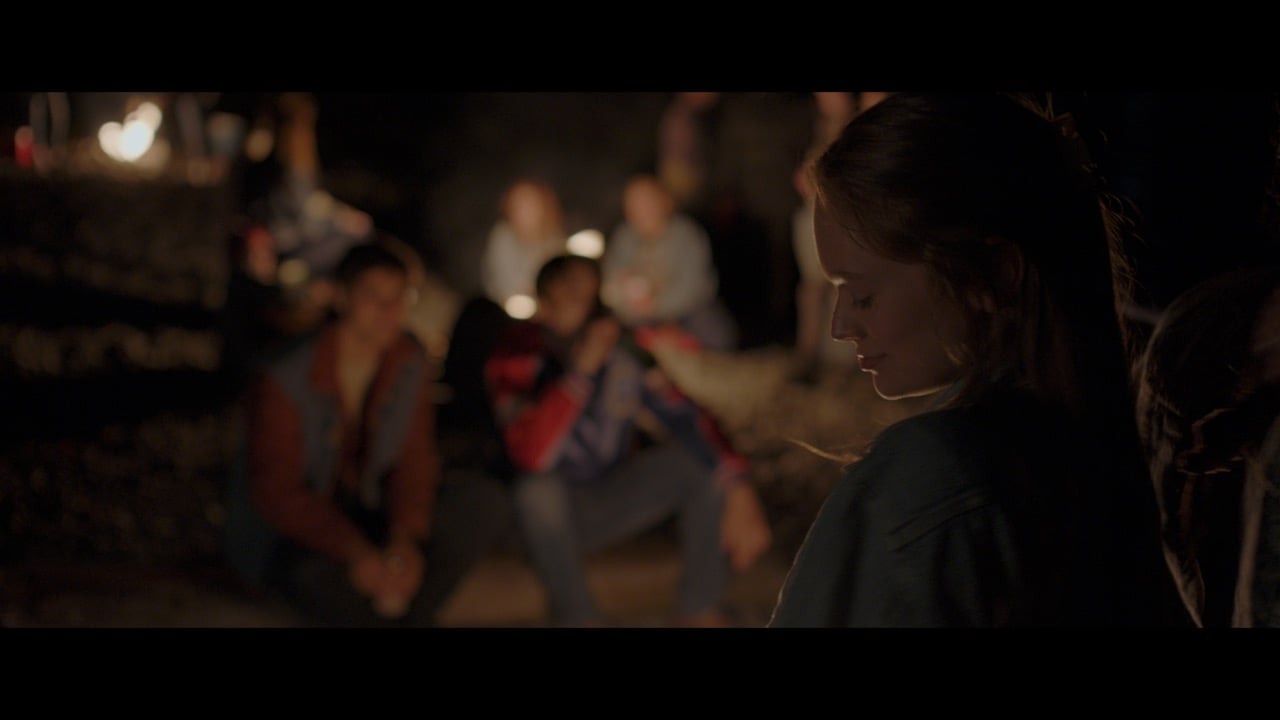
In the film, two separate lives run parallel; Jackie, a 15-year-old girl struggling with the trials of adolescence and Dennis, a man with a deepening psychosis. The narrative oscillates impartially between the two characters, charting their respective evolutions. As the film plays out, their gradual gravitation towards one another becomes apparent, leading to their inevitable meeting at the film’s end. Though the story is very purposefully crafted, it’s always been important to me that Black Conflux not only avoid the sensationalist tropes familiar to the true crime genre, but also that the story’s events play out organically. This is not a plot-based tale.
This is character driven. I wanted Jackie and Dennis to feel like real people. For their stories to feel familiar, whether personally or by proxy. Especially to those who lived in and around rural settings in the 1980s.
When writing, I had a split brain, stepping into the shoes of both characters equally. I was inspired by classics such as Taxi Driver and Smooth Talk. And also independent film festival successes, like Simon Killer and It Felt Like Love. I had to be both Dennis and Jackie at the same time. A good chunk of Jackie’s experiences are directly linked to my own adolescent struggle with sexuality, whereas Dennis required much research. I relied heavily on Elliot Leyton’s ‘Hunting Humans’; the acclaimed academic on violent serial criminals.
As I worked through the process of writing, my intentions for the film evolved. At first, it was all about the exploration of fate, set around a topic I’ve always been greatly interested in. But as I continued developing the script, I came to the realization that Jackie’s tragic story could have easily been my own. And so it came to my attention that perhaps Black Conflux is also illustrating the menacing world women are a apart of - highlighting the looming dangers we most fear, and revealing that deviants like Dennis are not only unique individuals, but also products of the culture and society we live in.