Cast Away
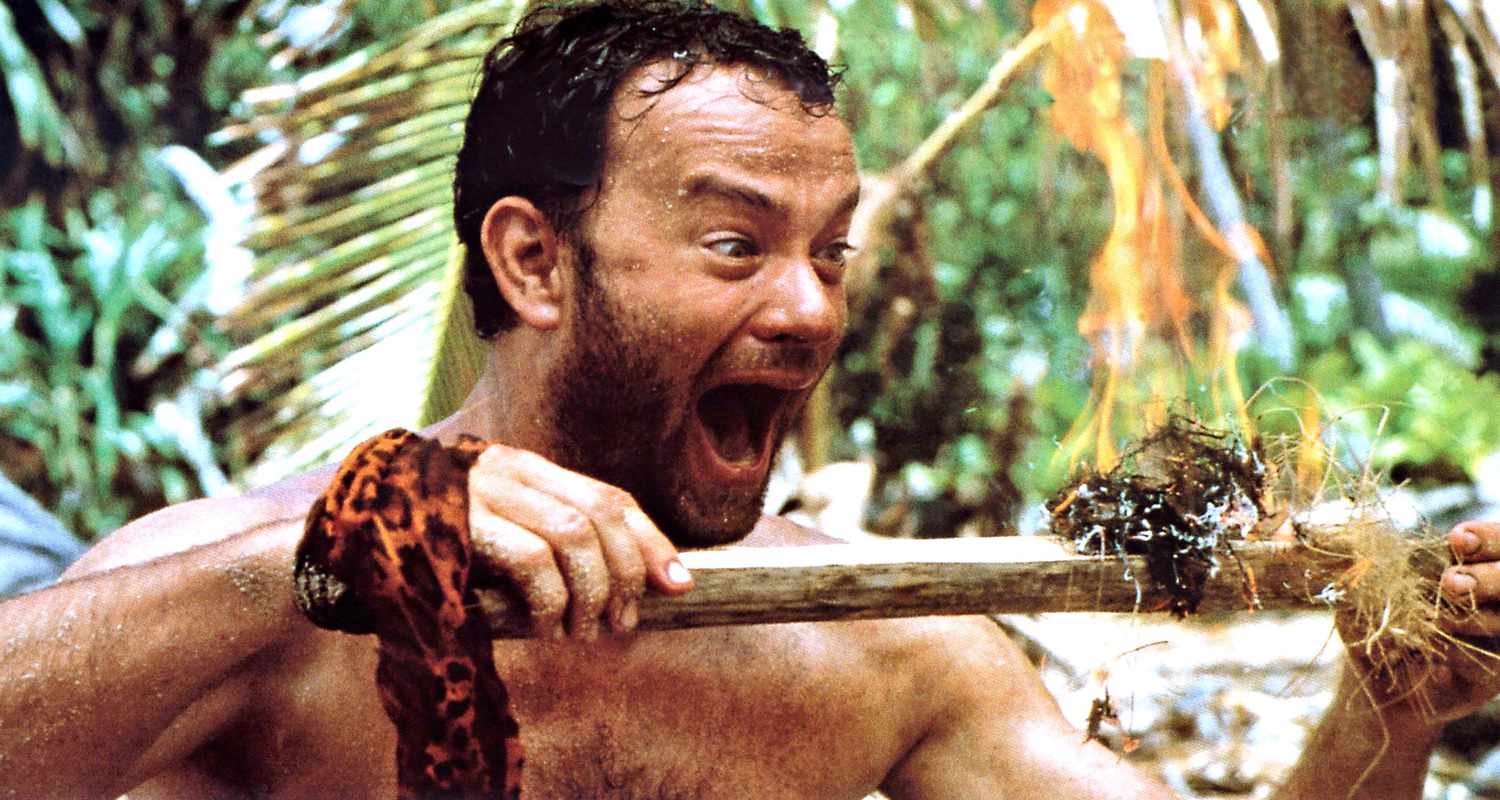
Remote and mysterious, whether hostile or enticing, infernal microcosms or dreamed worlds, islands have long captivated the imaginations of filmmakers. By their very isolated nature, they often serve as metaphoric or literal settings of loss and introspection, inviting exploration and oblivion. Enclosed by water, they provide ideal backdrops for intimate dramas and intense adventures, their geography shaping the narrative. As many real-world islands face existential threats, we invite you to explore a few fictional isles where cinema has found its enchanting refuge along the shore.
Golden Globe Award for Best Actor in a Motion Picture – Drama Winner for Tom Hanks
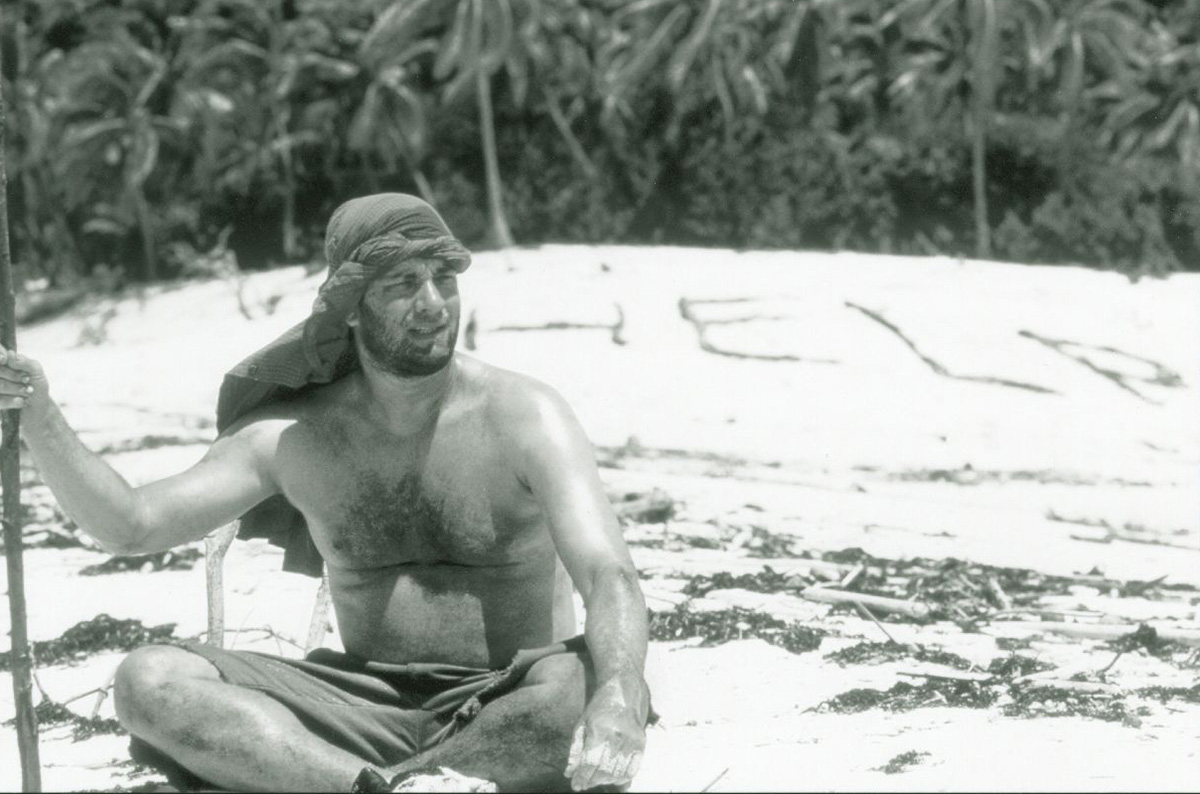
Chuck, an employee of the FedEx freight company, is called in at the last minute on Christmas Eve to accompany a flight. But the plane crashes into the Pacific Ocean and Chuck, the only survivor, is stranded on a deserted island. He learns to survive and watches the years go by. His only companion is a volleyball he founds in the cargo and names Wilson.
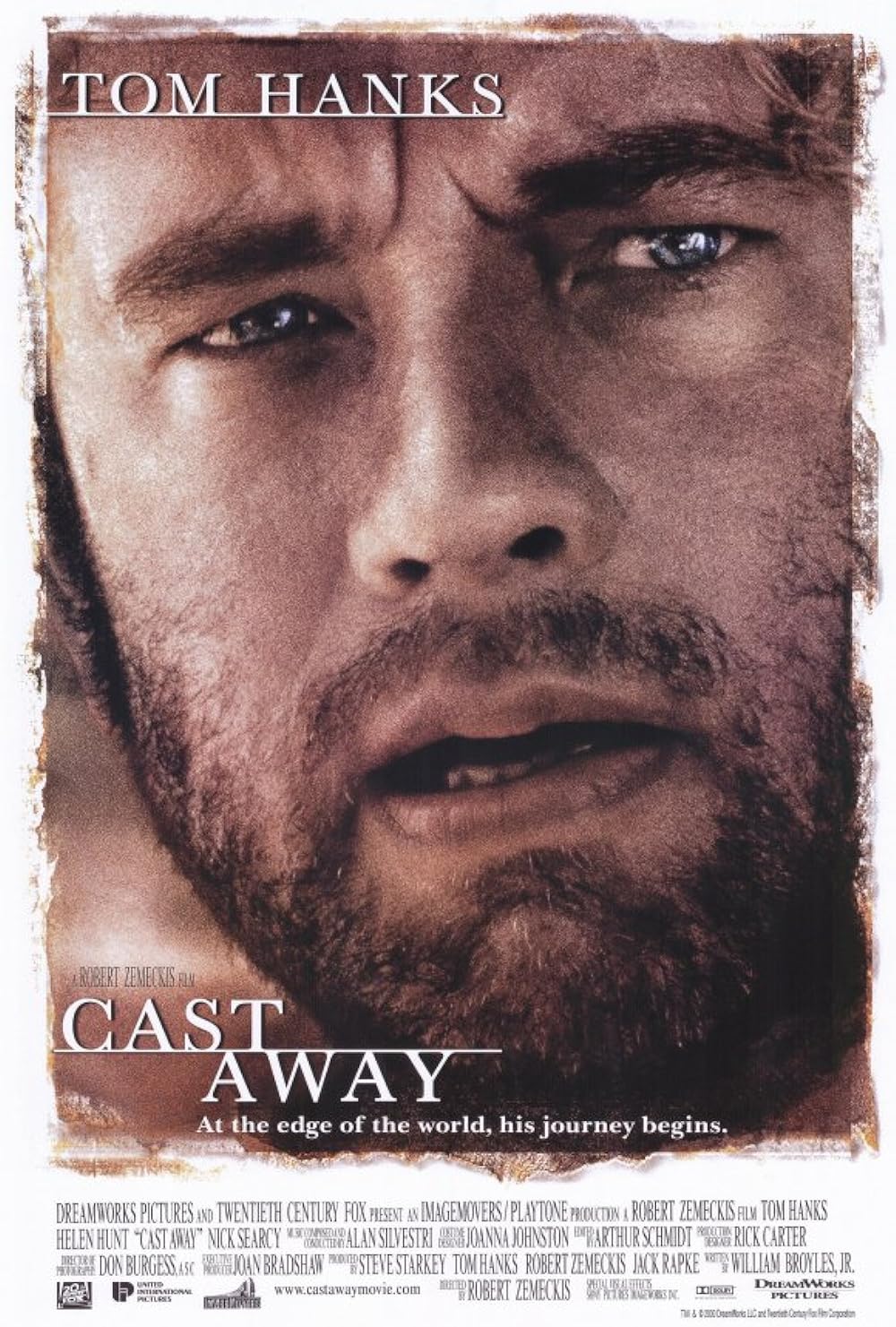
Robert Zemeckis
Robert Zemeckis is an American director, producer, and screenwriter. After winning a Student Academy Award for his short film A Field of Honor, he caught the attention of Steven Spielberg, who produced his first two films. He gained wider recognition with the adventure film Romancing the Stone, where he collaborated with composer Alan Silvestri, who provided the score for all of his subsequent films. This success propelled him to direct the Back to the Future trilogy (1985-1990) and the groundbreaking Who Framed Roger Rabbit (1988), where he perfected a technique blending animation with live-action shots, earning the film four Academy Awards. In 1994, Zemeckis triumphed again at the ceremony with Forrest Gump, winning Best Director. The film ultimately received 6 Academy Awards, including Best Picture. Following another hit with Tom Hanks in Cast Away (2000), he pioneered a new motion capture technique, radically changing by freeing them from the constraints of reality. He directed films like The Polar Express (2004), Beowulf (2007), and A Christmas Carol (2009) using this technology before returning to more traditional filmmaking.

_(cropped).jpg)