Chez nous, c'est chez nous
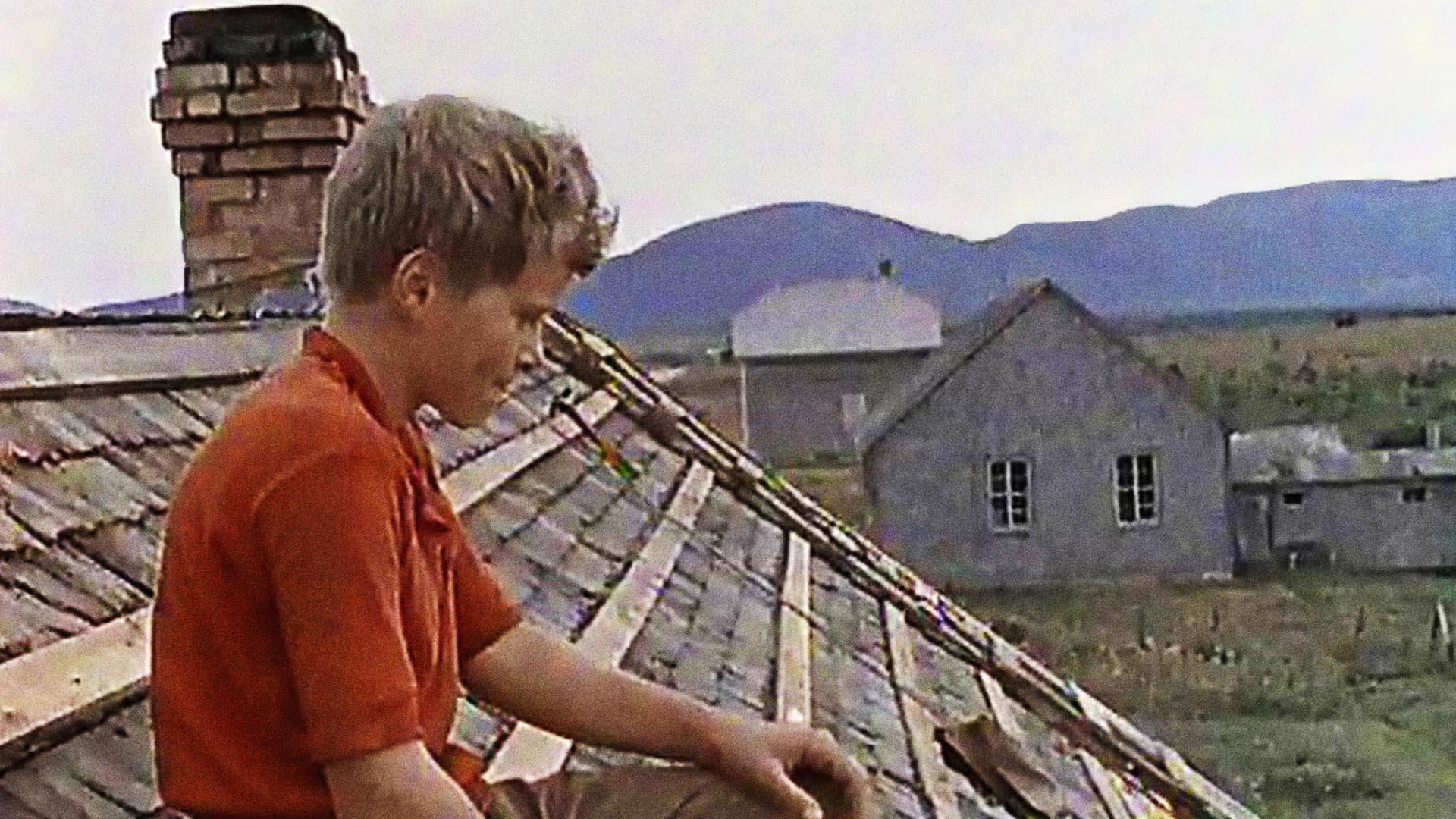
This short program revisits a specific moment in Quebec history by bringing together three films that are virtually the only ones to have addressed it: the forced closure of villages in the Gaspé Peninsula in the early 1970s. Part of the Bureau d’aménagement de l’Est du Québec (BAEQ) regional development plan, these closure were met with resistance from the “Opérations dignité”. On the documentary side, Félix Lamarche’s Terres fantômes returns to these ghostly places, echoing Marcel Carrière’s firsthand account in Chez nous, c’est chez nous. On the fiction side, Jean-Claude Labrecque‘s Les smattes draws on this trauma to tell a story of exile, both geographical and mental.
Preceded by short film Terres fantômes
In the presence of Félix Lamarche
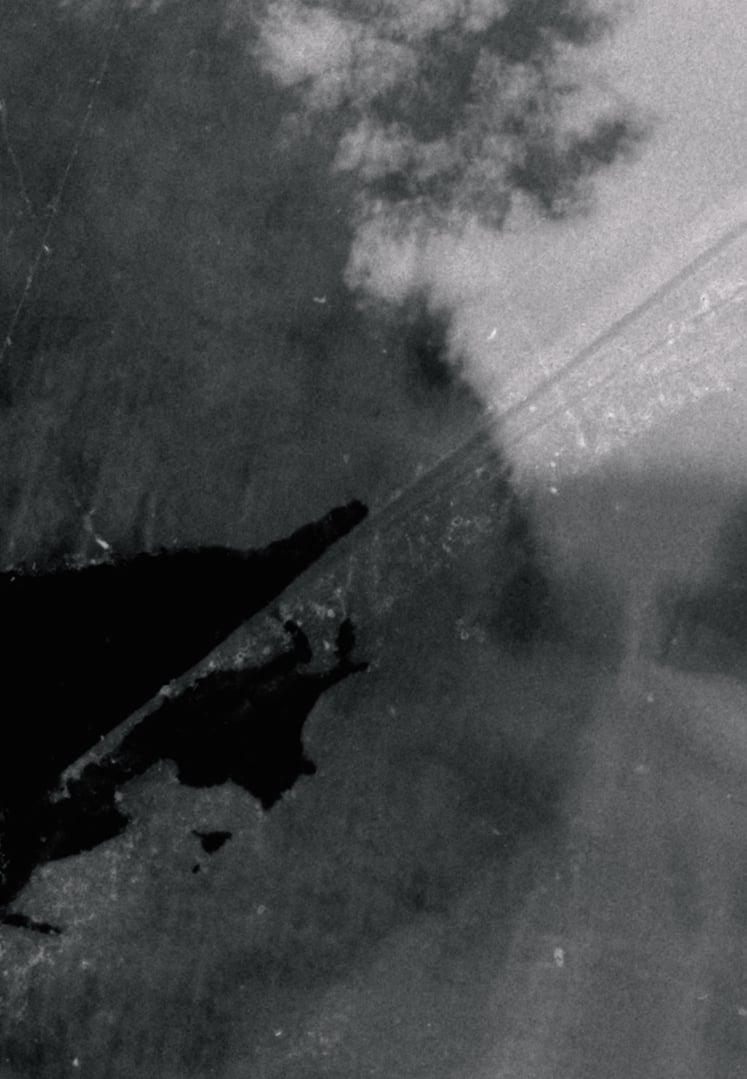
In the 1970s, a new planning policy forced residents of several villages in the interior of Gaspésie to leave their homes and move to the coast. The film explores the consequences of this brutal, disturbing event. While the episode is now largely forgotten, it had a profound impact on those who lived through it. The filmmaker records their stories and recollections, giving them substance through ghostly images of the forests, buildings and landscapes from which they were uprooted. Félix Lamarche's experimental approach emerges as the only way to do justice to a bygone era and people’s deep attachment to their land.
Traveling to the region where the ARDA-BAEQ experiment took place, the filmmaker bears witness to the implementation of one of the measures resulting from this socio-economic redevelopment plan in Quebec: the demolition of 11 villages in the Bas-Saint-Laurent and the Gaspé Peninsula, as experienced in Saint-Octave-de-l'Avenir.
Marcel Carrière
Marcel Carrière is a Québec filmmaker, screenwriter, editor, sound engineer, and cinematographer. He began his career in the cinema industry in 1956 as a sound engineer for the National Film Board of Canada (NFB) and participate on the sound in more than one hundred of their productions. In the late 1970s, the NFB appointed him director of the NFB's French Program Committee. He also contributed to the creation of the Institut national de l'image et du son (INIS) and the Phonothèque québécoise. He his considered a pioneer of synchronous sound recording techniques in documentary filmmaking. During the filming of Pour la suite du monde (1963), he introduced numerous innovations in both recording practices (such as clip-on microphones) and the equipment used (the Nagra III tape recorder). His contribution to the film was so significant that his name appears in the credits alongside Pierre Perrault and Michel Brault.