Chroniques labradoriennes + Le révolutionnaire
Cycle devoted to the representation of the FLQ in Quebec cinema, programmed by Sylvain Garel, on the occasion of the publication of his extensive book on the subject with éditions Somme toute.
Introduced by Sylvain Garel, with André Forcier in attendance
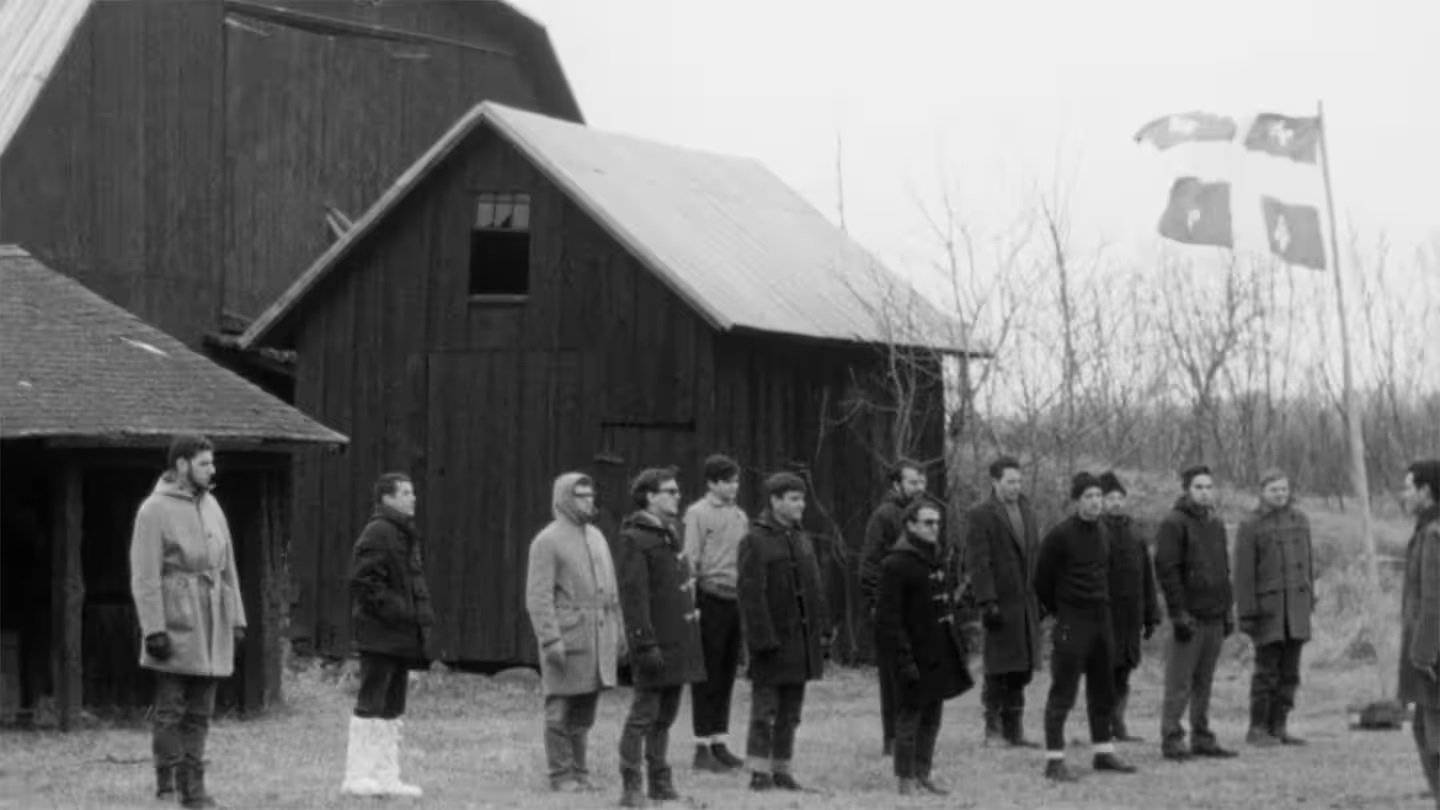
André Forcier's second movie, in which he plays one of the main roles, is a delirious pochad mixing archival images, fictional shots in color and black and white. It is about betrayal, Labrador and free Quebec.
This film was digitized and restored as part of a project initiated by the Cinémathèque québécoise using elements held in its collections. This initiative is part of the implementation of a measure of the Plan culturel numérique du Québec.
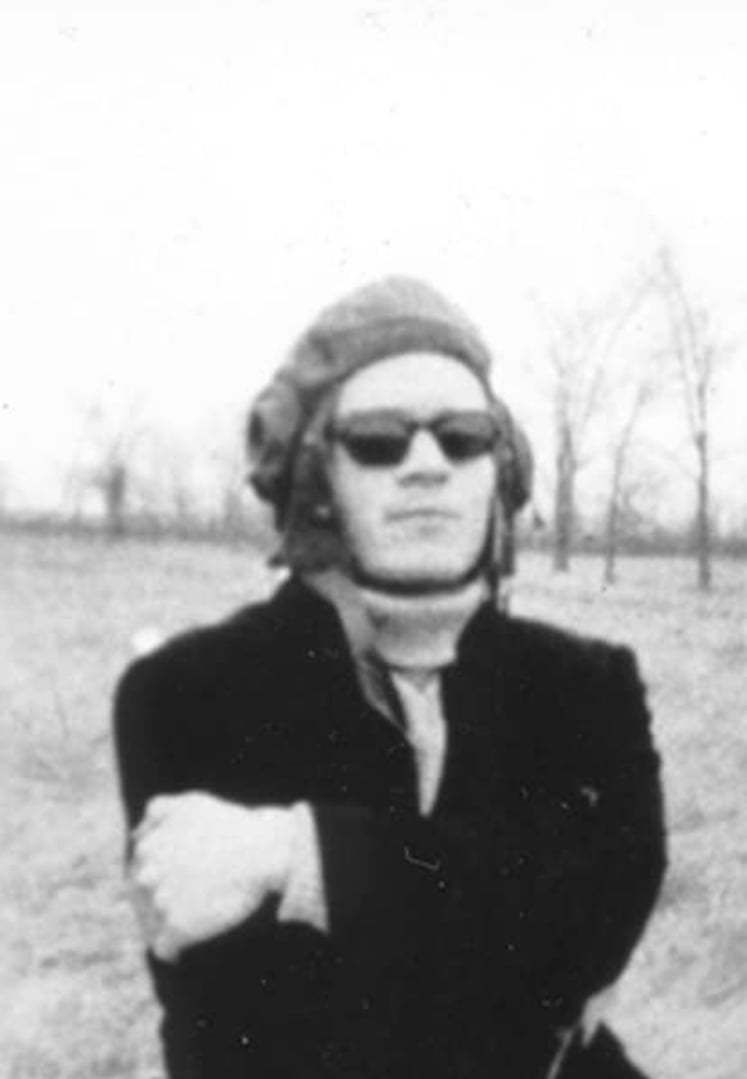
A group of isolated young people in the countryside prepare for revolution. In retrospect, Jean Pierre Lefebvre's enigmatic first feature echoes the social upheavals of Quebec in the late '60s and early '70s.
André Forcier
André Forcier is a Quebecois filmmaker and screenwriter, born on July 19, 1947, in Montreal. His body of work, often associated with South American magical realism due to its elements of fantasy, is nevertheless deeply rooted in Quebec’s reality. In fact, it can be more accurately seen as one of the few existing links between Quebec’s popular oral culture and its national cinema. Unlike Pierre Perrault, who observed the ways, language, and mannerisms of a proud, independent, and deeply rural Quebec in order to ennoble them, Forcier embraces the North American "bastardization" of his society, while highlighting the vitality of popular imagination. André Forcier’s cinema is widely recognized both in Canada and abroad. A pioneer, he was the first Canadian filmmaker to be honored with a retrospective at the Cinémathèque française (1987). In 2003, he received the Prix Albert-Tessier, Quebec’s highest distinction for lifetime achievement in cinema. In March 2010, he was awarded the Governor General’s Award in Media Arts, the highest honor of its kind in Canada. Forcier’s exceptional career has been celebrated with the Iris Tribute Award from Québec Cinéma for his 50 years in film (2018), and the Louve d'honneur from the Festival du Nouveau Cinéma for his lifetime achievements (2019). In 2024, Ababouiné brilliantly closed the Fantasia Festival, where Forcier was honored with both a career tribute and the Audience Award. This recognition continued at Les Percéides in Gaspésie, where he again received a lifetime achievement award, and Ababouiné won the Audience Award, confirming his status as an emblematic figure of Quebec cinema.
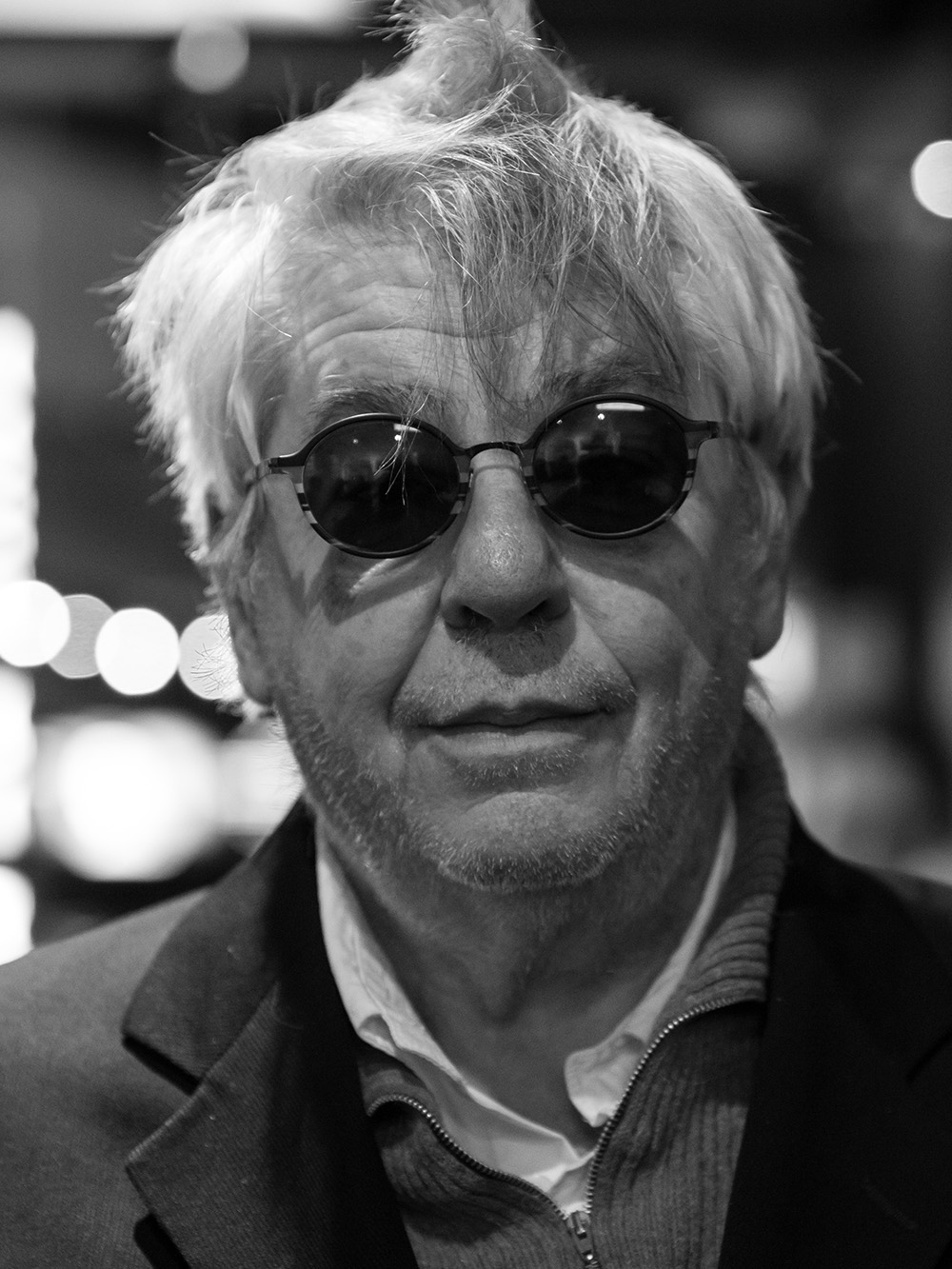
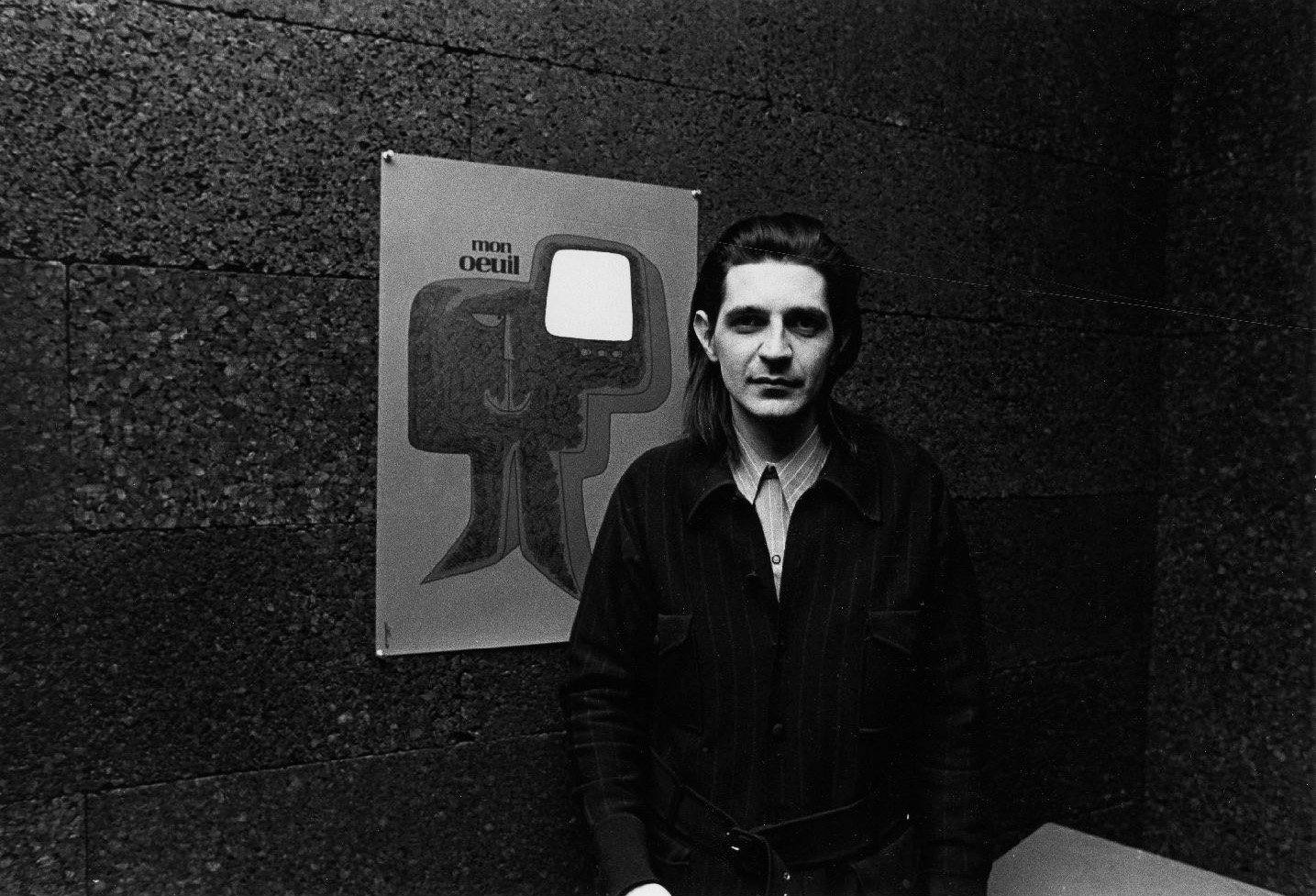
Jean Pierre Lefebvre
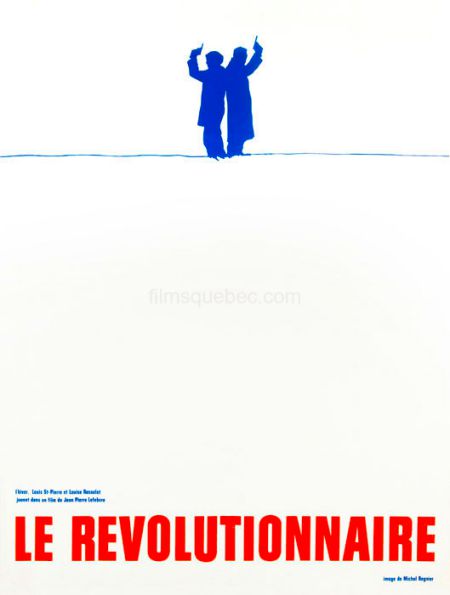
Jean Pierre Lefebvre is a Québécois filmmaker, screenwriter, editor, and producer. He studied literature at the Université de Montréal, and worked as a film critic for Séquences and Objectif. He directed his first film, a short drama, L'homoman, in 1964. The following year, Lefebvre directed, wrote, and produce his first feature film, the satirical comedy Le révolutionnaire, filmed in six days. He then directed the comedy drama Il ne faut pas mourir pour ça, starring Marcel Sabourin, who also co-wrote the film. In 1969, Lefebvre film Jusqu'au cœur was invited to the inaugural Directors' Fortnight at the Cannes Film Festival. Until the mid-1980's, he is quite prolific, shooting quickly and usually on modest budgets. Eleven of his feature films have been selected for various sections of the Cannes Film Festival. His work oscillates between subversive pamphlets and more intimate works. The former category include films such as Q-bec my love, a satire of erotic cinema, Mon œil, a critical look at Québec television, and Les maudits sauvages, an iconoclastic vision of Québec history. His more intimate works include La chambre blanche, Les dernières fiançailles, and Les fleurs sauvages. He received the Prix Albert-Tessier in 1995 and the Governor General's Performing Arts Award in 2013.
Photo: Collections de la Cinémathèque québécoise