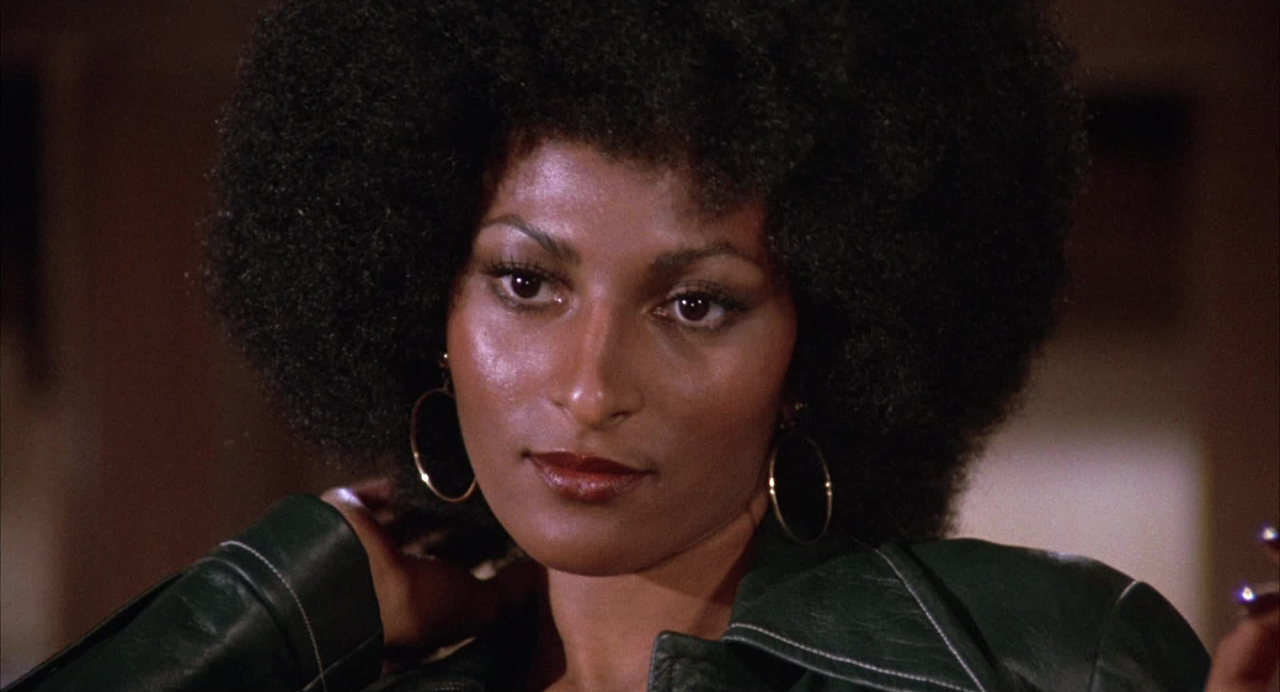
To celebrate Black History Month, the Cinémathèque québécoise will be screening 15 iconic Blaxploitation movies. This genre, that hit its peaks in the 70s in the US, in a volatile and dissenting political, economical and social context, broke the color codes. The outdated portraits gallery which reduced Black people to servile objects is being replaced by a new esthetic of identy empowerment. This movie cycle intends to shed light on a rich and heteroclite filmography where various sub-genres intersect (action, martial arts, horror, western, drama) to disrupt the essentialist perception of Afro-American (life) experiences.Pam Grier, Tamara Dobson, Diahann Carroll, Richard Roundtree, Sidney Poitier, Harry Belafonte are showing, to those willing to see, that Black is beautiful!
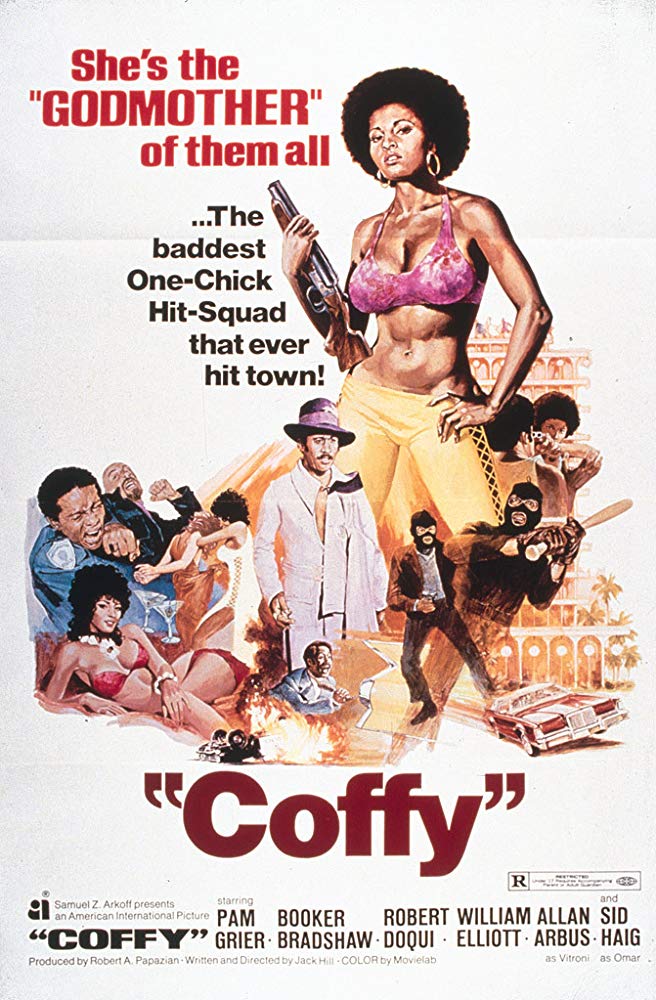
Coffy is a nurse by day and a vigilante by night. When she discovers that a drug dealer has dragged her young sister into the ruthless world of drugs, she not only puts an end to the criminal's miserable existence, but also resolves to follow his trail in order to trace him back. Coffy's thirst for revenge will never cease, but she will realize that appearances are sometimes deceiving... The film is famous for its soundtrack by vibraphonist Roy Ayers.
Jack Hill
Jack Hill is an American filmmaker, known for his work in the exploitation genre. He was an early associate of Francis Ford Coppola and Roger Corman, and worked on many films during the 1960s and 1970s. His directorial works include Spider Baby (1967), Pit Stop (1969), The Big Doll House (1971), Coffy (1973), Foxy Brown (1974), and Switchblade Sisters (1975). He is also credited with helping cultivate the careers of actors Pam Grier, Sid Haig, and Ellen Burstyn. Quentin Tarantino described him as “the Howard Hawks of exploitation filmmaking”.