Tribute to Sylvie Groulx
This program showcases seminal works and sometimes lesser-known gems from Québec's cinematic heritage.
There will be an intermission between The Big Sweep and Chronique d'un temps flou
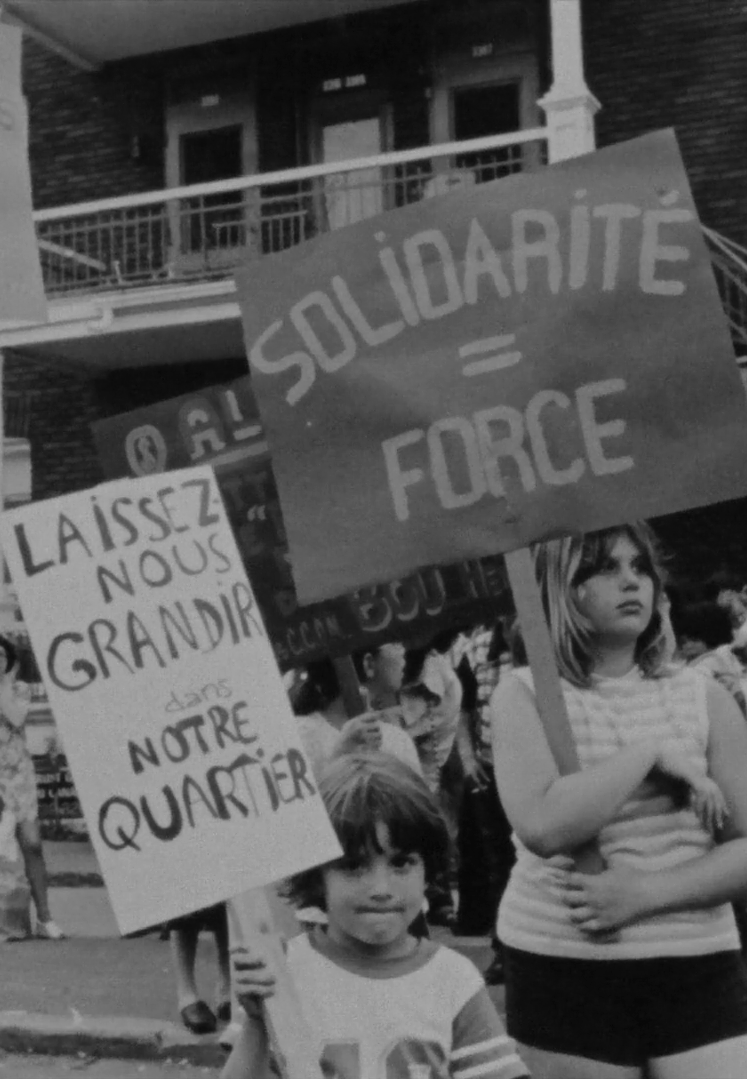
A documentary on housing issues in Montreal and the large-scale demolitions that took place in working-class neighborhoods, particularly on Saint-Jacques and Saint-Norbert streets.
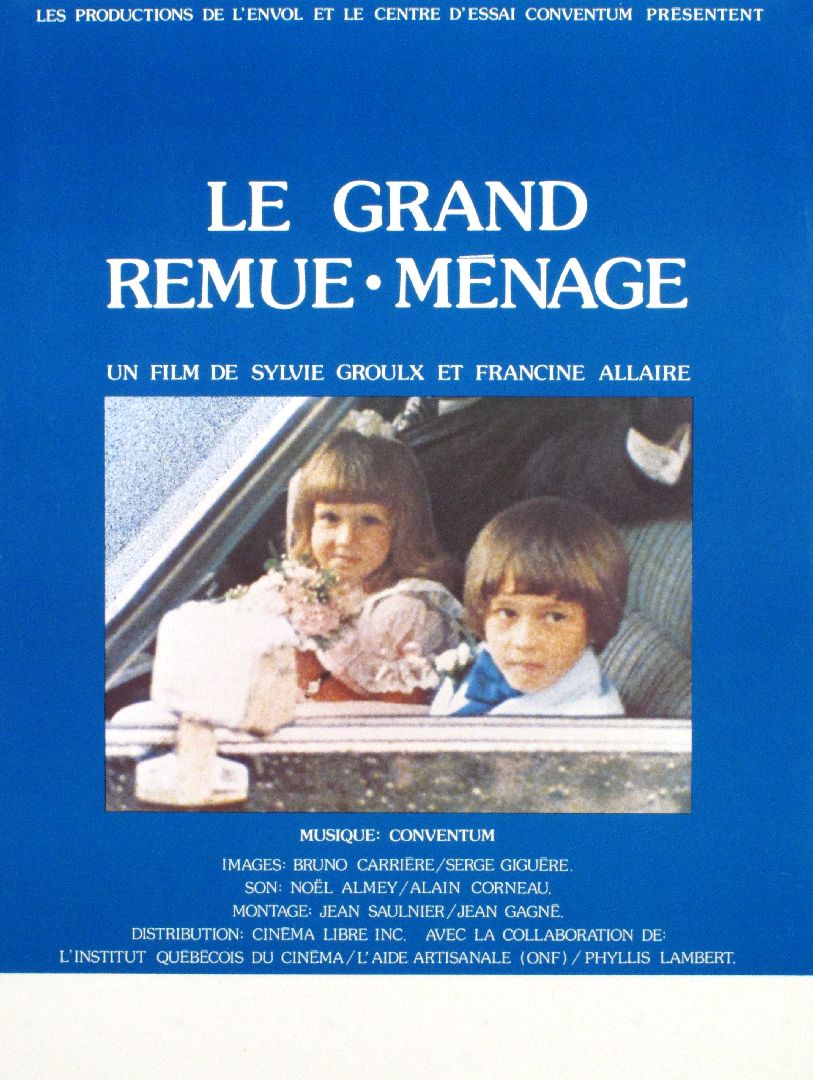
Directed by two young women involved in the founding of distributor Cinéma Libre, The Big Sweep is an excellent example of a social intervention film designed to provoke debate. Their project consists in observing the impact of social conditioning on sexual stereotypes: how do education and society determine relations between men and women?
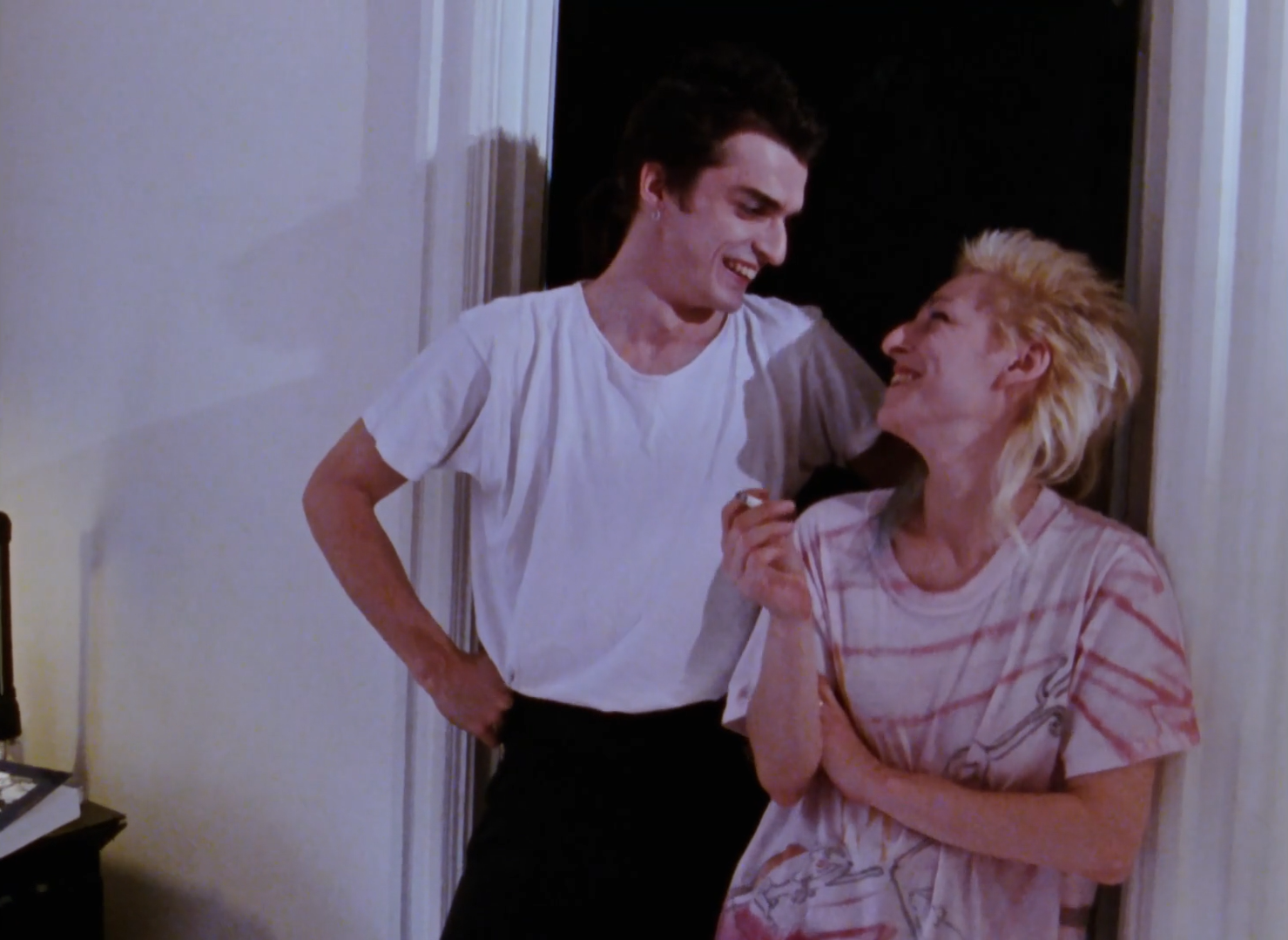
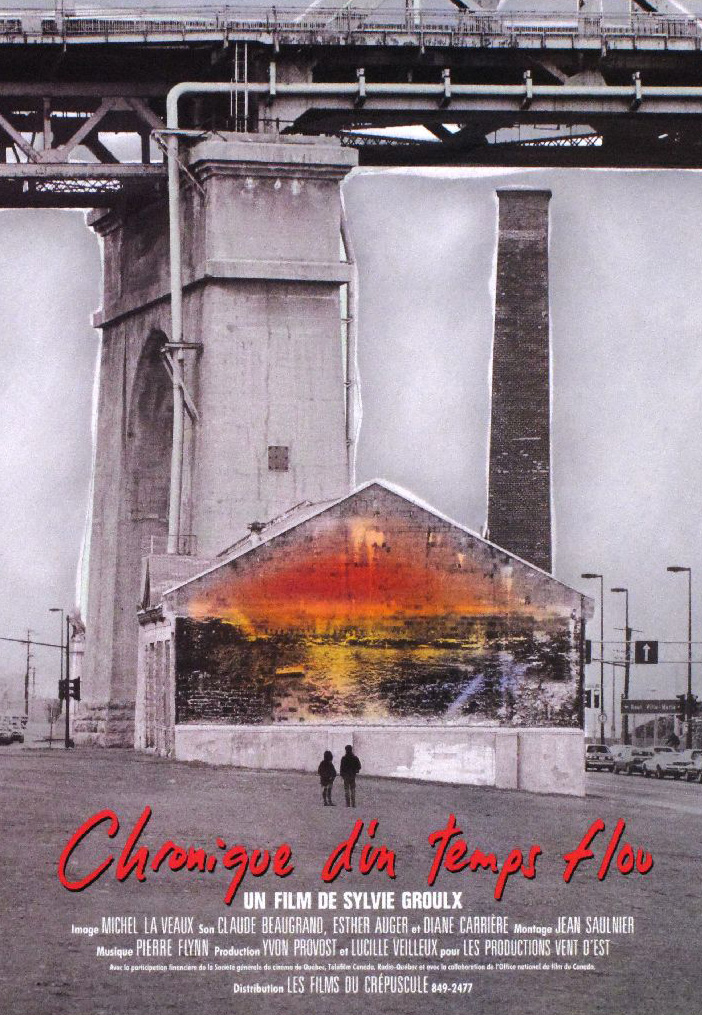
Through portraits, questions, and concerns of young Quebecers aged 20 to 25, this documentary prompts – often with humor – reflection on contemporary Quebec society: family, relationships, work, unemployment, creativity, politics, the future, and more. The director, for her part, represents the 35-and-older generation and thus helps gauge how far we’ve come since the late 1960s.
Sylvie Groulx
Long embedded in a tradition of socially engaged documentary filmmaking, Sylvie Groulx enjoys debating broad issues that affect society as a whole. From Le grand remue-ménage (1978) to the essential À l’ombre d’Hollywood (2000), via Chronique d’un temps flou (1988), the common thread running through her work is perhaps the loss of reference points—and, consequently, the confusion of values. She has never feared questioning preconceived ideas, but always does so with a gentle and thoughtful touch. Her cinema has a distinct perspective, but it remains that of a free-thinking woman. Sylvie Groulx has the ability to immerse audiences in major issues through insightful and well-researched documentaries, devoid of sensationalism or vengeful militancy. Her rare ability to engage viewers in deep reflection while appealing to their intelligence sets her apart. Her camera is patient, attentive, and perceptive, and her approach does not exclude moments of cinematic brilliance.

This restoration is part of the implementation of a measure in Quebec's Digital Cultural Plan.

Presented in collaboration with