Collateral
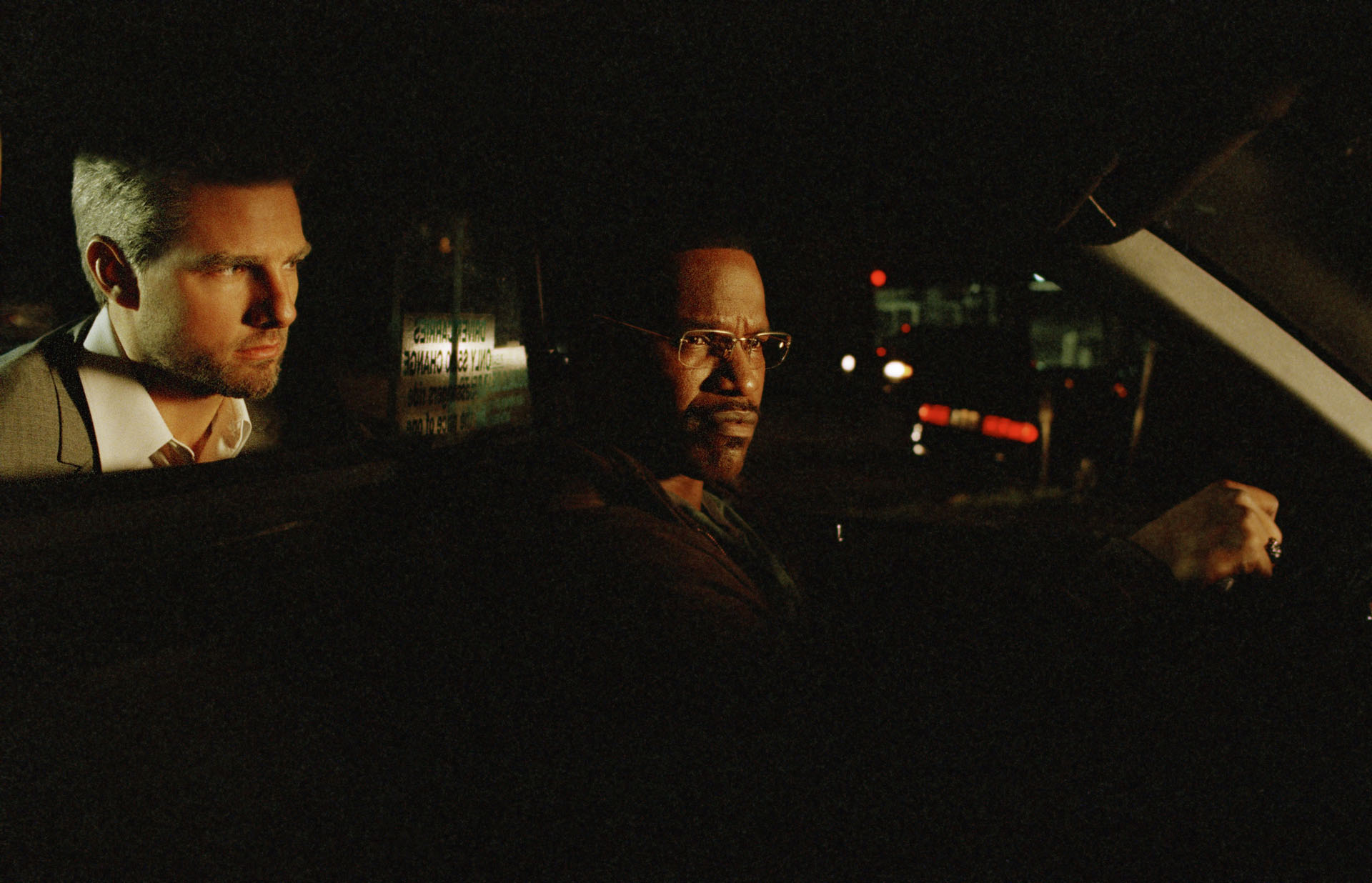
This program brings together several film duos, exploring the unique dynamics of face-to-face encounters. These interactions can take the form of a chase, a direct confrontation, a tense meeting behind closed doors, or a spectacular final showdown. Antagonists, doubles, adversaries, or alter egos: these are all troubled relationships that unite and tear apart the protagonists, between fascination and aversion.
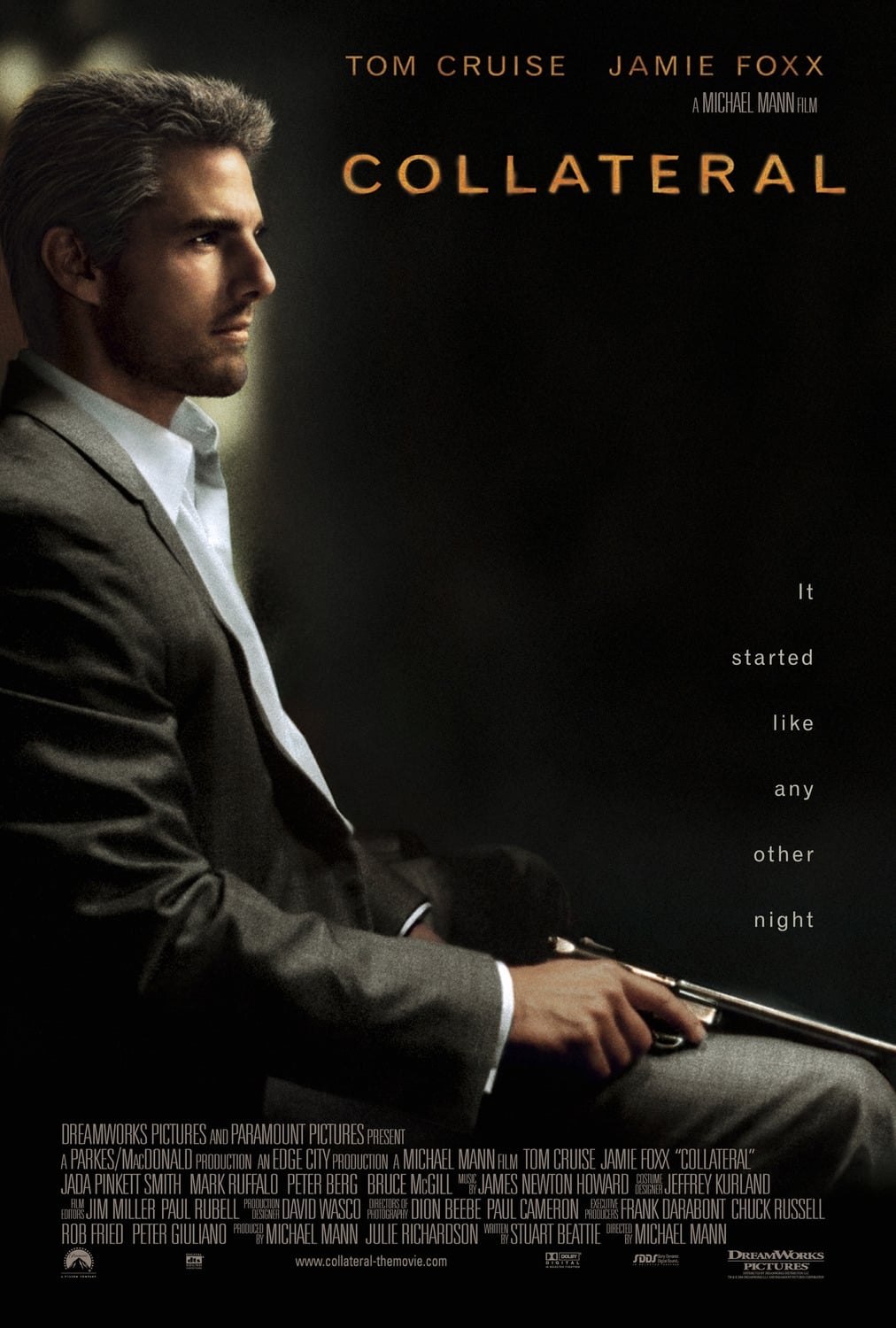
Max, a cab driver in Los Angeles, is forced by a mysterious hitman to act as his chauffeur for a night during which he has several contracts to fulfill.
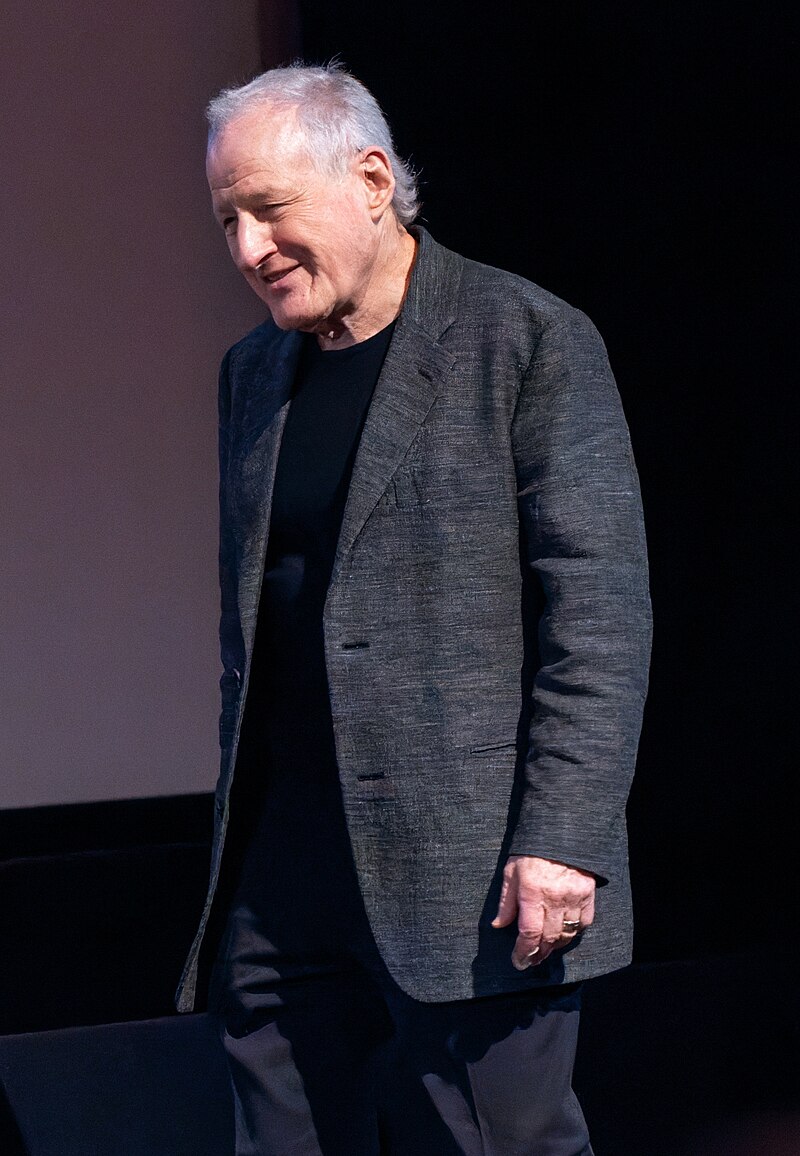
Michael Mann
Michael Mann is an American film director, screenwrieter, and producer. His documentary short film Jaunpuri won the Jury Prize at the 1970 Cannes Film Festival. Robert Lewin gave him a shot and a crash course on television writing and story structure on the Starsky & Hutch and Vega$ series. Mann's debut feature in cinema, Thief, was selected at Cannes in 1981. In the 1980s, he produced television series such as Miami Vice and Police Story, before shifting his focus entirely to filmmaking in the next decade, delivering three standout works that garnered widespread acclaim from cinephiles and filmmakers alike: the historical epic The Last of the Mohicans (1992), the gripping crime thriller Heat (1995), and the investigative drama The Insider (1999). Following a biopic about Muhammad Ali, Mann took on Collateral (2004), a crime thriller that became his biggest success at the box office. He then adapted Miami Vice (2006) to the big screen, explored the life of gangster John Dillinger, and directed Ferrari, with Adam Driver portraying the legendary automaker. Mann's trademarks include powerfully-lit nighttime scenes and unusual scores, such as Tangerine Dream’s score for Thief. His films are frequently praised for their dynamic energy, meticulous craftsmanship, and psychological depth.


_(53377274329).jpg)