Fleischer's Color Classics
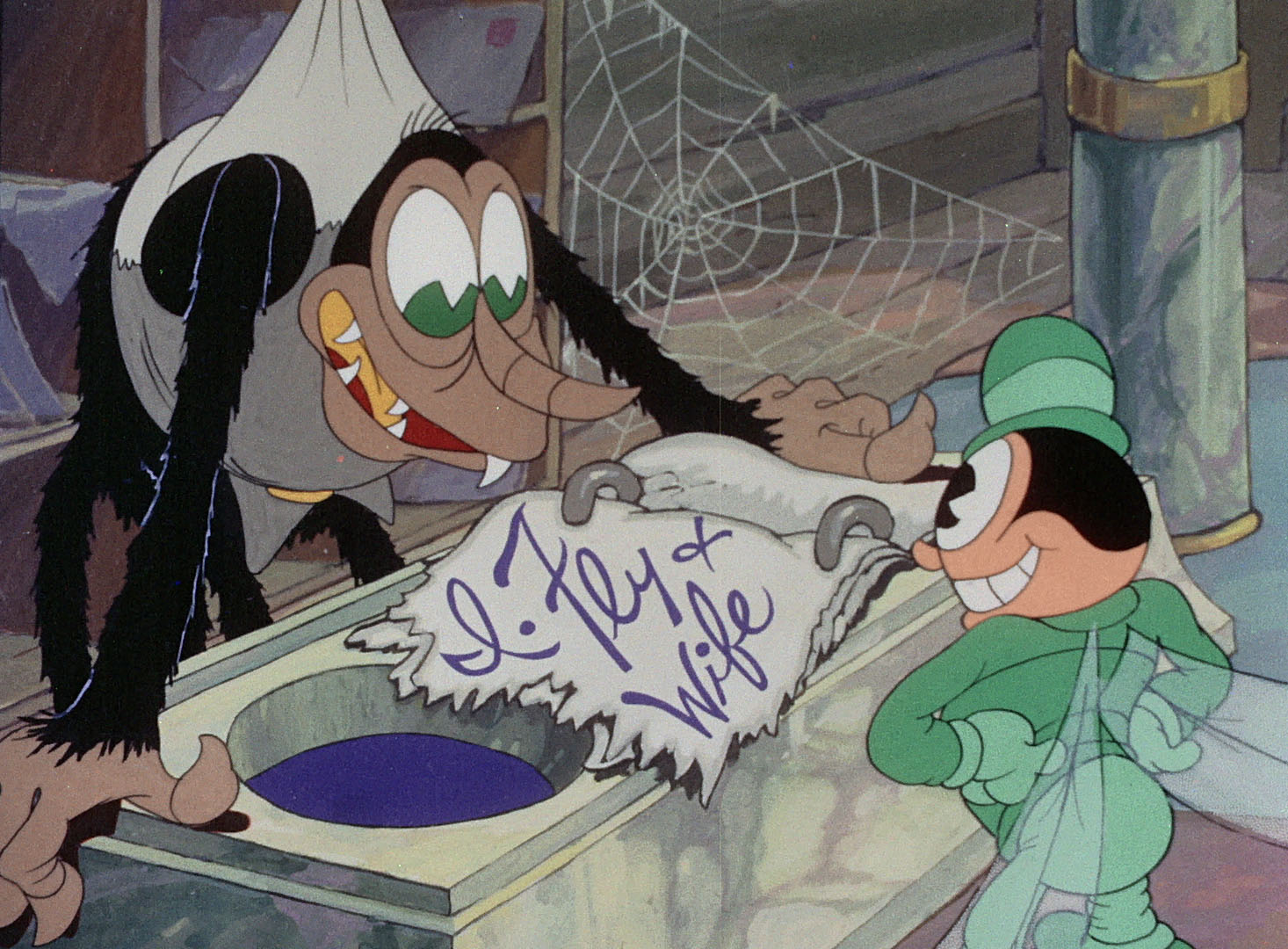
Max and Dave Fleischer’s work shines in the history of American animation from the 1920s and 1930s. It stands out for its unique aesthetic, bold themes, and numerous technical innovations, such as the rotoscope. It also gave life to unforgettable characters – Koko the Clown, Betty Boop, Popeye – whom you can now rediscover thanks to restorations led by Max Fleischer’s granddaughter, Jane Fleischer.
A selection of color films.
The Cobweb Hotel, Dave Fleischer
[É.-U., 1936, 8 min, num., VOA]
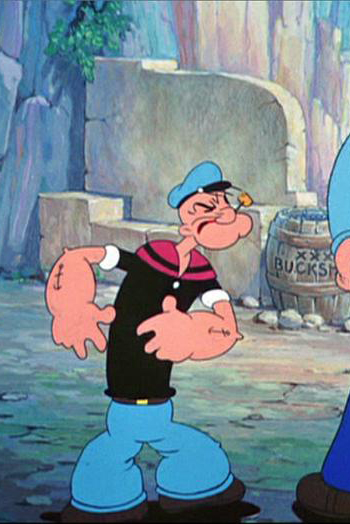
Popeye the Sailor Meets Sindbad the Sailor, Dave Fleischer
[É.-U., 1936, 17 min, num., VOA]
Fire Cheese, Dave Fleischer
[É.-U., 1941, 7 min, num., VOA]
Poor Cinderella, Dave Fleischer
[É.-U., 1934, 10 min, num., VOA]
Play Safe, Dave Fleischer
[É.-U., 1936, 8 min, num., VOA]
The Kids in the Shoe, Dave Fleischer
[É.-U., 1935, 7 min, num., VOA]
Small Fry, Dave Fleischer
[É.-U., 1939, 8 min, num., VOA]
Dave Fleischer
Dave Fleischer was an American director, producer, screenwriter, actor, and composer, best known for his work in animation. Along with his older brother, Max Fleischer, he helped shape the early animation industry, competing directly with Disney Studios in the 1920s through their Fleischer Studios. The brothers co-created iconic characters like KoKo the Clown and adapted popular comic strip figures such as Popeye and Betty Boop into animated films. Dave directed the majority of their productions. The Fleischers were also pioneers in technical innovations, experimenting with clay animation (a precursor to modern stop-motion) and blending live-action with animation, a technique that would later be famously used in Who Framed Roger Rabbit.
Max Fleischer
Max Fleischer was a Polish-American animator and studio owner. Born in Kraków, Poland, Fleischer immigrated to the United States where he became a pioneer in the development of the animated cartoon and served as the head of Fleischer Studios, which he co-founded with his younger brother Dave. He brought such comic characters as Koko the Clown, Betty Boop, Popeye, and Superman to the movie screen, and was responsible for several technological innovations, including the rotoscope, the "follow the bouncing ball" technique pioneered in the Koko Song Car-Tunes films, and the "stereoptical process". Film director Richard Fleischer was his son.