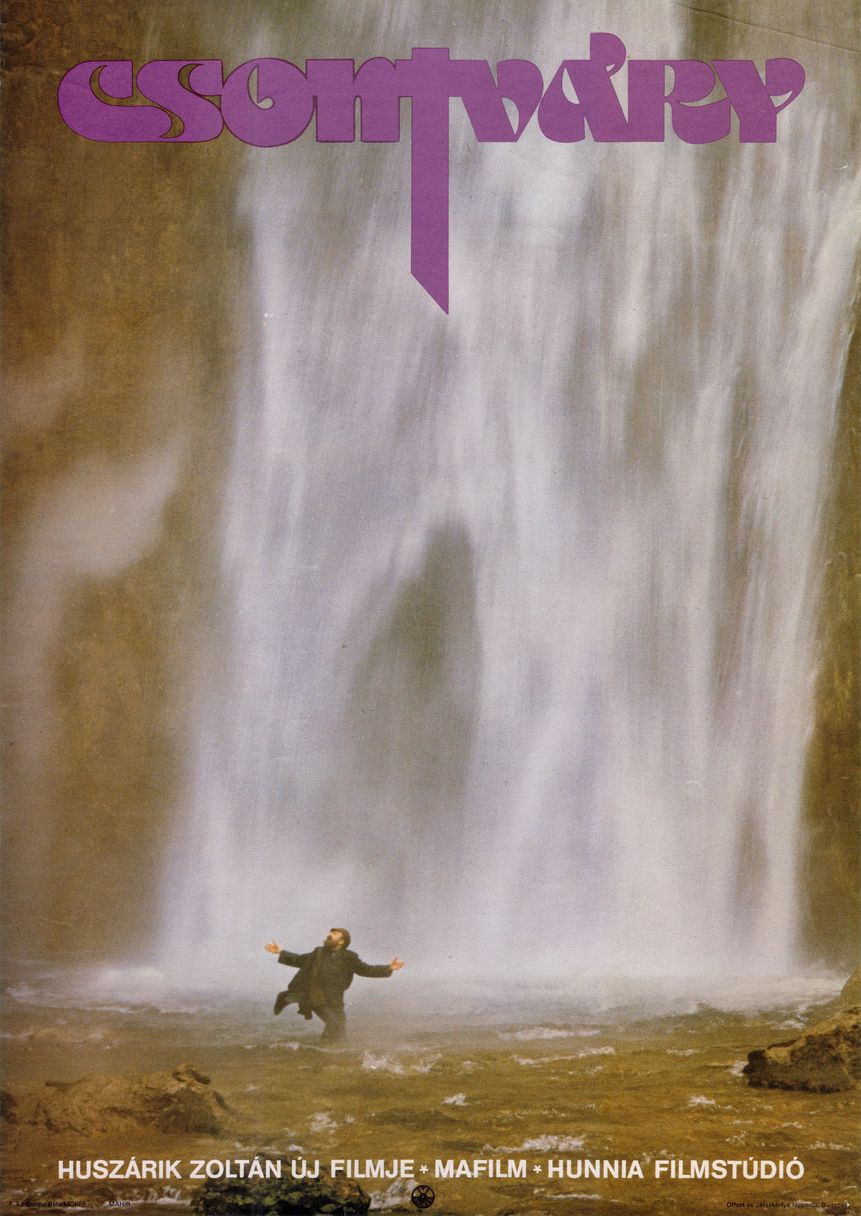
Csontváry

In the extensive restoration program of Hungarian film heritage led by the National Film Institute of Hungary (NFI), the films of these two filmmakers stand out for their uniqueness. After a few formidable offerings inspired by cinéma vérité, the former turned to a type of cinema influenced by American westerns, to the point of becoming the leader of a subgenre: the Goulash Western. The latter made a handful of magnificent experimental films and a masterpiece: Sinbad.
Zoltán Huszárik created an iconic work with his very first feature film, Sinbad. Unfortunately, the superbly talented director only made one more feature: after several failures, he was able to finalize this monumental cinematic epic on the independent-minded genius of Hungarian painting, Tivadar Csontváry Kosztka. It is by no means a biographical work but rather a poetic confession on the essence of art, on the relationship between creative man and reality, in which the path of the film director, the painter and the actor playing Csontváry are projected onto each other to attain an understanding of the artistic vision. (National Film Institute Hungary)
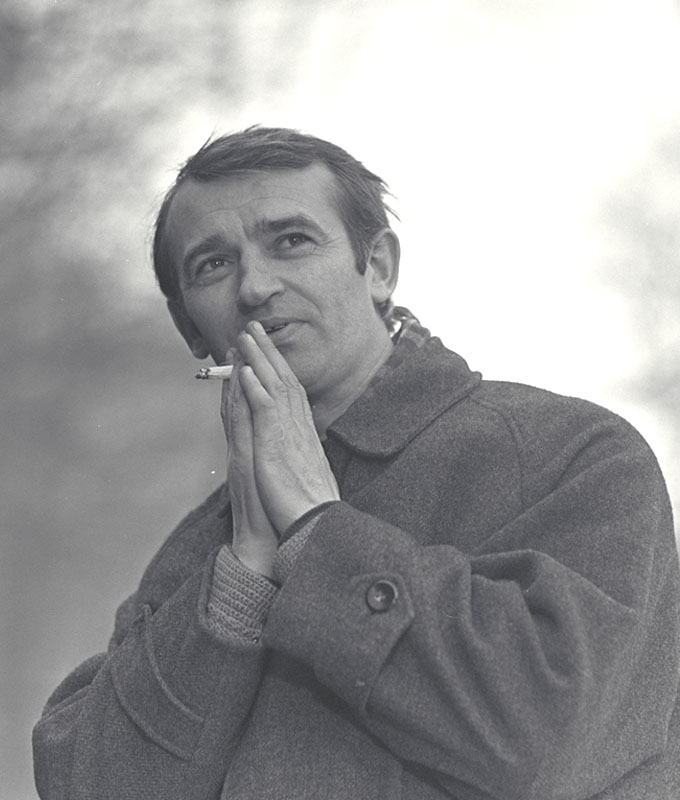
Zoltán Huszárik
Zoltán Huszárik was a Hungarian film director and screenwriter. He graudated from the Hungarian School of Film and Theatrical Arts in Budapest in 1962. He exemplifies a trend in Hungarian cinema rooted in the pictorial arts. A painter and illustrator, he considered his films to be the culmination of his plastic art. His filmography also draws on deep-seated aspects of national tradition. Thus, his first short film, Elegy (1965), presents itself like a visual poem on the cycle of life and death of one of Hungary's ancient symbols: the horse. This work earned him international recognition. In Sinbad (1971), his first feature film, Huszárik brings back the main character from the works of the great Hungarian writer Gyula Krúdy and his quest for love. Csontváry (1980) is a moving tribute to the Hungarian naïve painter, Tivadar Kosztka Csontváry.
Explore
Presented in collaboration with