Giants, fairies, magicians, ghosts, dragons, and monsters of all kinds… Here’s what your Cinémathèque has in store this summer! Since Méliès, filmmakers have embraced the fanstastic potential of cinema, creating infinite phantasmagorias and extraordinary spectacles where the unreal becomes real. Step into a world of fantasy and boundless imagination: whatever your generation, the monsters and wonders that once filled your childhood dreams are back this summer 2025!
Accompanied on the piano by Roman Zavada
Preserved in our collections
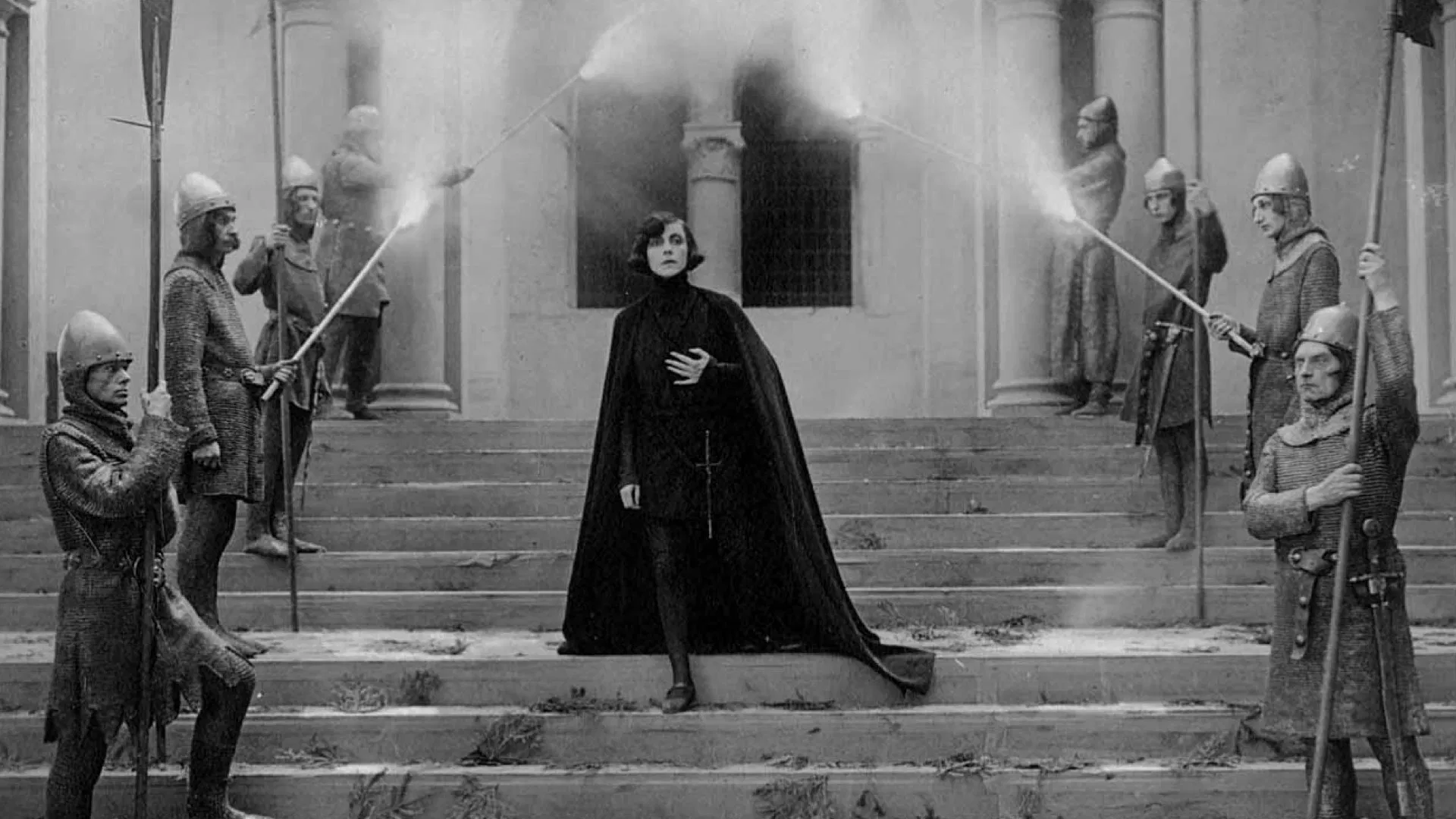
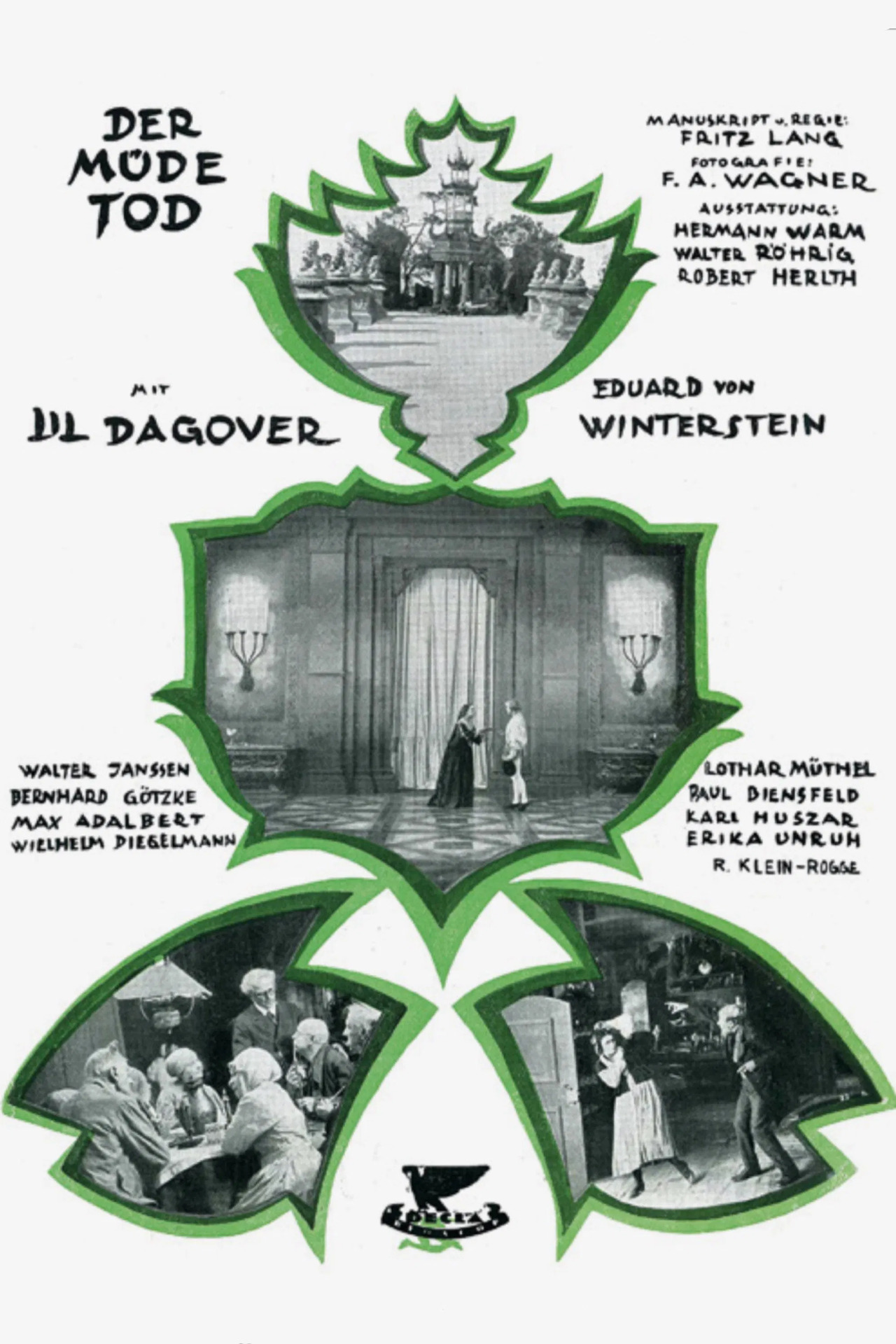
While a young couple are resting at a village inn, the man is kidnapped and held captive by Death. Death agrees to return her fiancé to her on condition that she travels back in time three times.
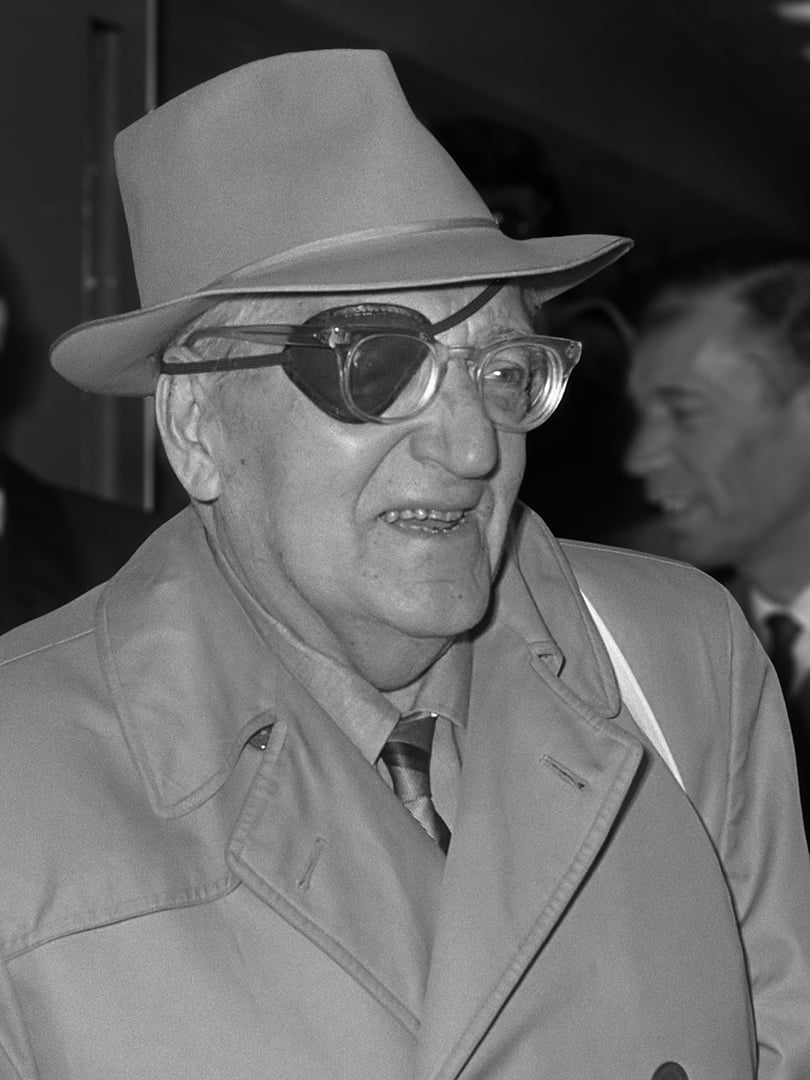
Fritz Lang
Fritz Lang was an Austro-Hungarian director who became a German national through marriage in 1919 and was naturalized as an American citizen in 1935. As the inventor of many innovative techniques that became industry standards and earned him the title of "Master of Darkness," he introduced an expressionist aesthetic to cinema as early as 1919, which set a trend and particularly inspired film noir. His work is characterized by recurring themes: revenge, the death drive that undermines both the individual and society, the manipulation of crowds by a superhuman figure, the struggle for power, man's violence against man, and freedom for evil. The theme of the double, an image of uncanny strangeness, is present in almost all of his films. Lang's most celebrated films include the groundbreaking futuristic science-fiction film Metropolis (1927) and the influential M (1931), a film noir precursor. His 1929 film Woman in the Moon showcased the use of a multi-stage rocket, and also pioneered the concept of a rocket launch pad and the rocket-launch countdown clock. The restored and reconstructed version of Metropolis has been classified in the UNESCO Memory of the World Register since 2001.
.jpg)