En la palma de tu mano
Inspired by North American cinema, we look at a forgotten body of work, buried in our archives: Mexican melodramas, made in the 1940s and 1950s. With it's many stars (especially Maria Felix), Mexico has established a real system, driven by a very cinematic vibe : the excess of feelings. The rarity of those gems is the reason why most of them will be presented in french.
Programmed with the collaboration of Marie-Laure Poiré Bleau.
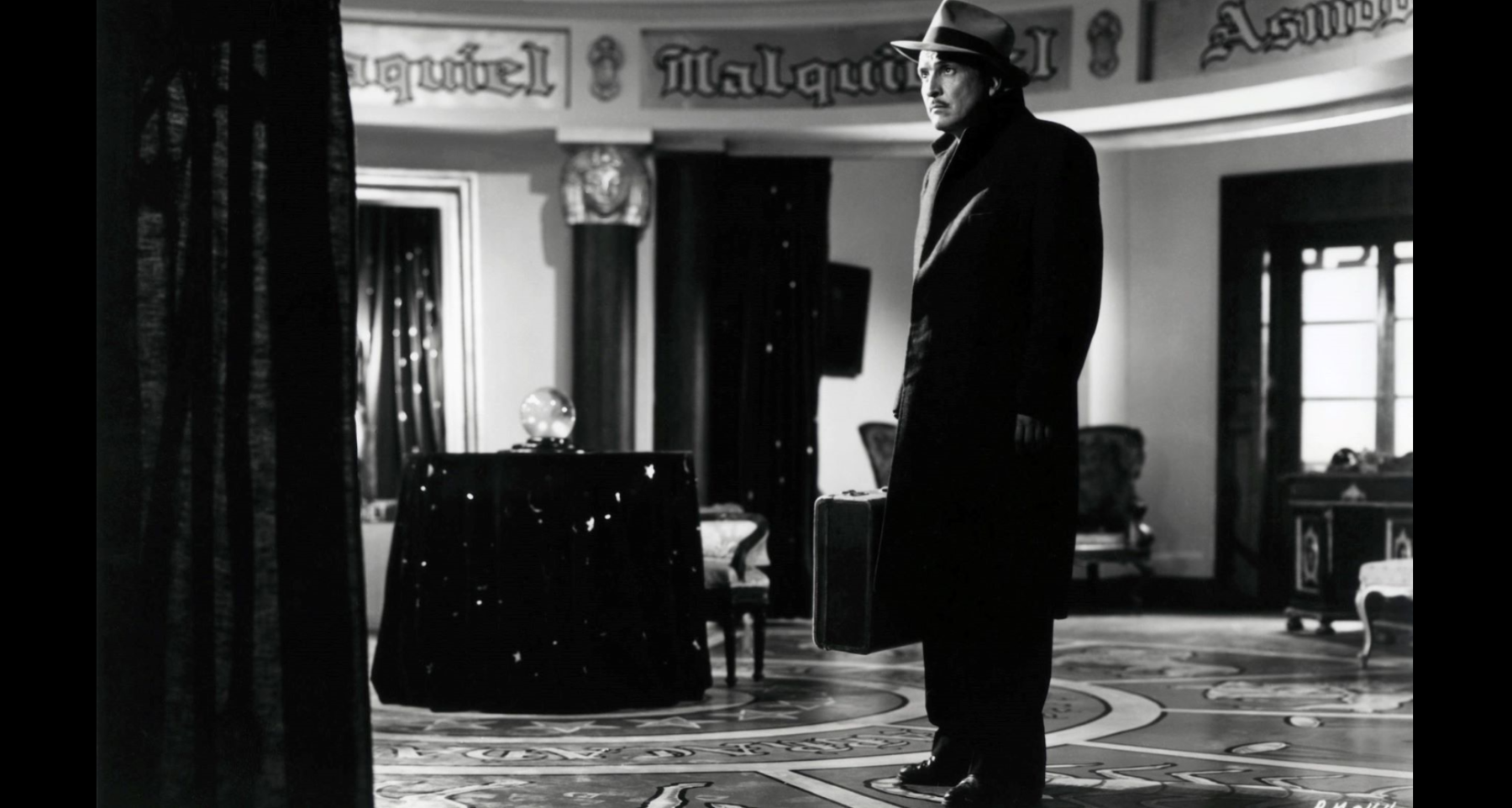
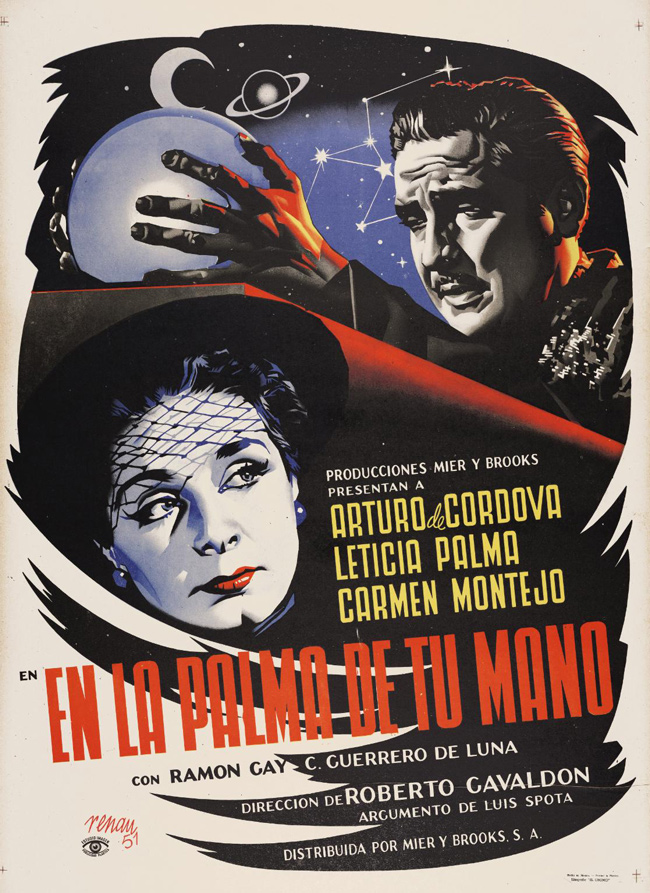
The charlatan Jaime Karín pretends to be a clairvoyant in order to swindle the clients of the beauty salon where his wife works. He tries to blackmail one of them whom he suspects of having killed her husband.
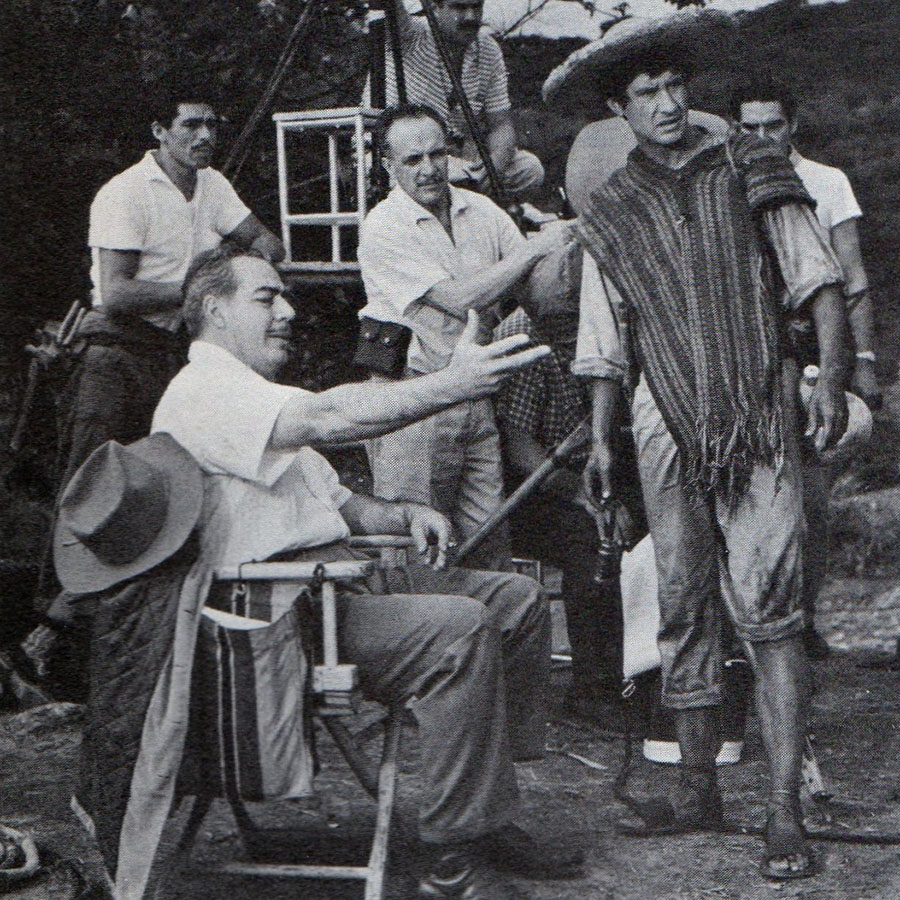
Roberto Gavaldón
Roberto Gavaldón was a Mexican actor, director, screenwriter, and film producer. He won three Ariel Awards and the Salvador Toscano Medal. After a brief stint in the United States, where he met Emilio Fernández and Chano Urueta, he returned to Mexico to learn the filmmaking craft. He worked in various roles such as an extra, props assistant, editing assistant, and assistant director. From his first feature film, La barraca (1945), Gavaldón demonstrated clear technical prowess. This film, adapted from a novel by Vicente Blasco Ibáñez, had strong social connotations. However, he would ultimately be recognized as a master of melodrama. According to Gustavo García, Gavaldón's melodramas are perfect, spectacular, intense, and humorous. While his work is influenced by the best of American cinema, his originality and creativity should not be underestimated. His best films were well-received by both the public and critics: The Other (1946), The Kneeling Goddess (1947), In the Palm of Your Hand (1951), Rosauro Castro (1950), Soledad’s Shawl (1952), Macario (1960), and The Golden Cockerel (1964). According to Ariel Zúñiga, recurring themes in Gavaldón's work include the lost territory of childhood, otherness, and death. His films also reflect socio-political concerns. As a union leader and federal deputy, he was well aware of historical vicissitudes. His film The White Rose (1961) was banned at the time.