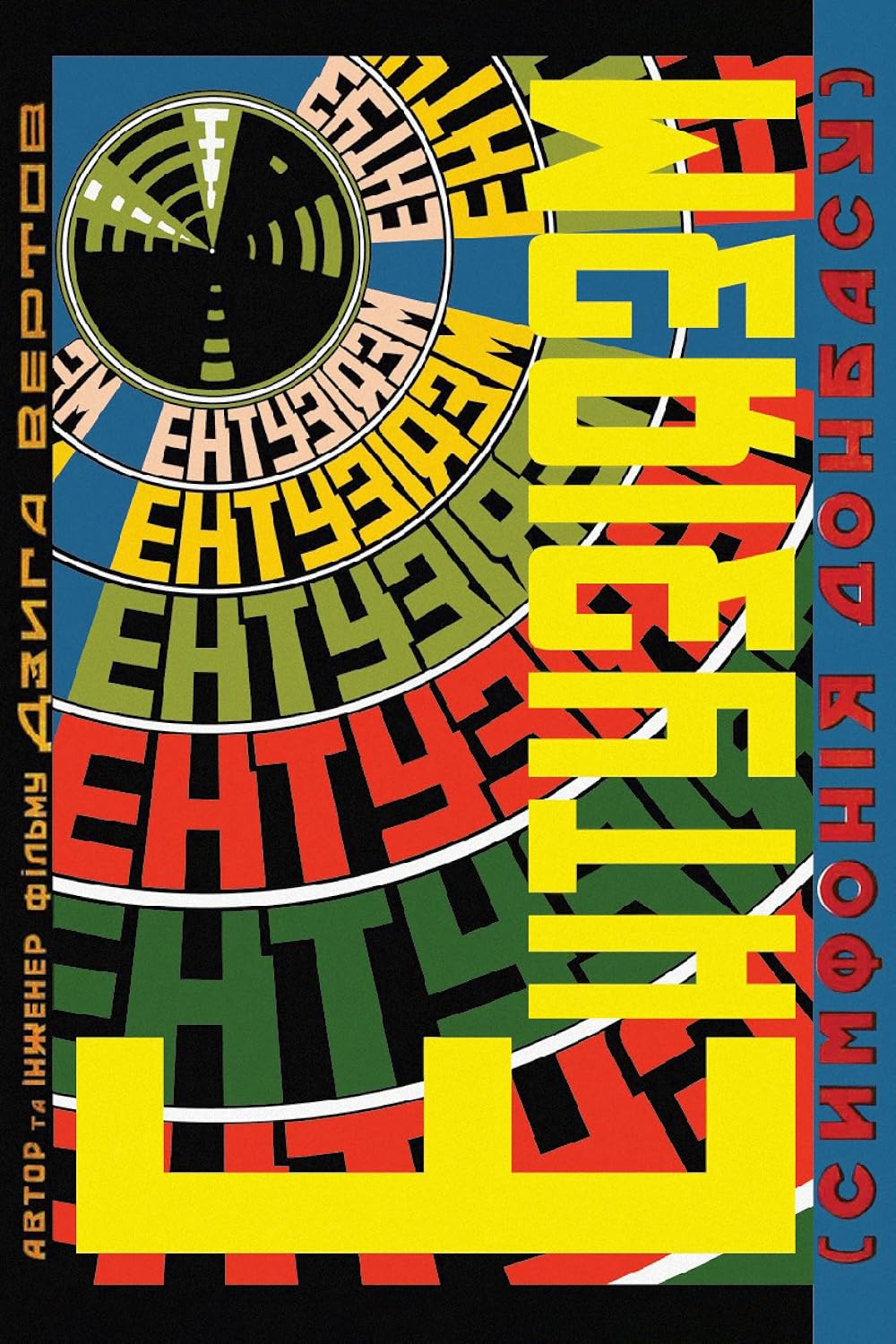
Enthusiasm: The Symphony of Donbas
In collaboration with Ukrainian-Canadian programmers Alina Senchenko and Iryna Borzilova, we are presenting a comprehensive overview of Ukrainian film history, spanning nearly a century, from the Soviet era to the present day. A portion of the proceeds from this series will be donated to victims of the war in Ukraine through the Maple Hope Foundation.
The screening will be introduce by Club Ukrainien de Montréal
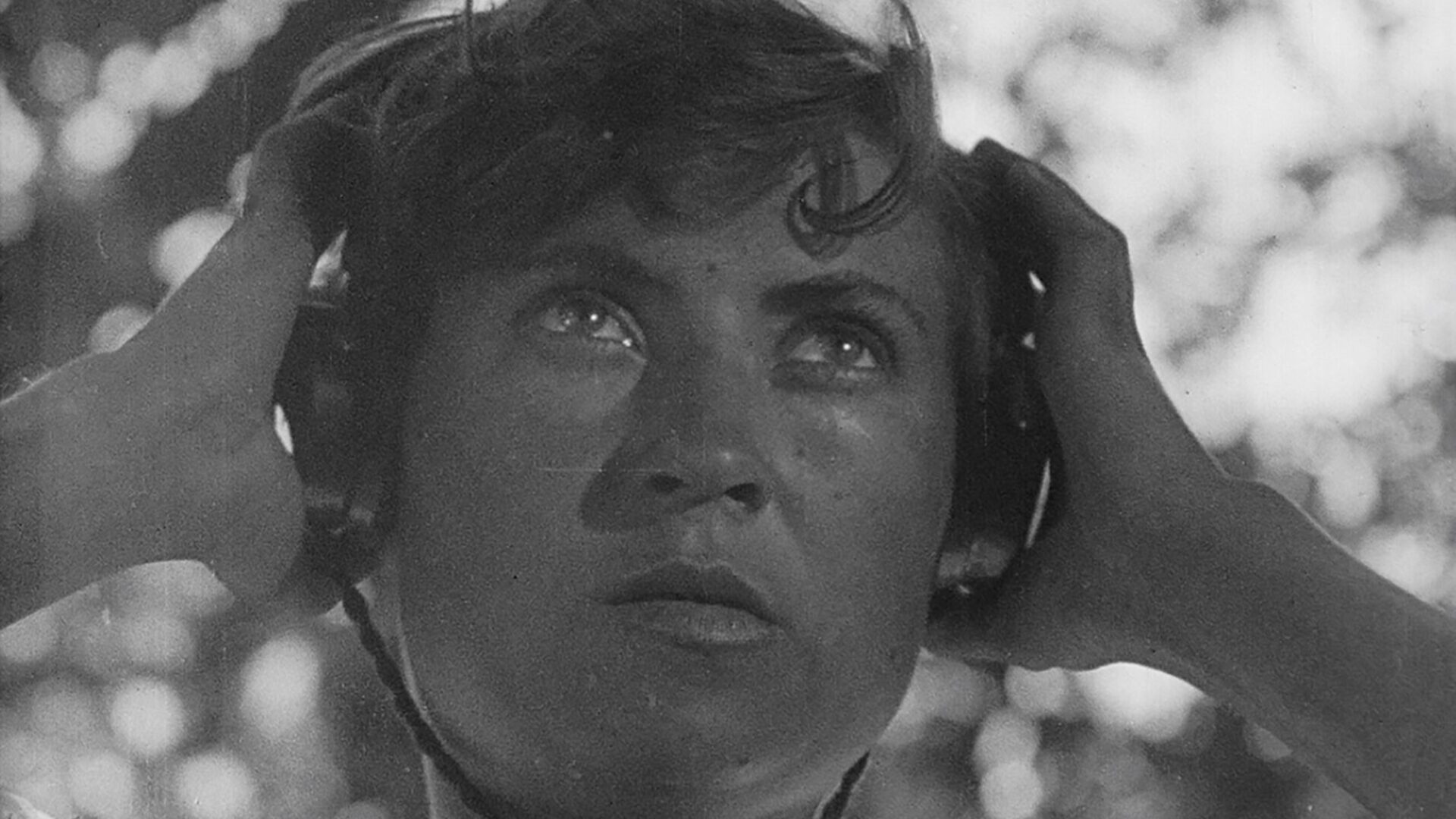
Widely renowned for his film Man with a Movie Camera (1929), Dziga Vertov here captures aspects of life in the Donbas region, located in the eastern part of Ukraine. Not long after the film was released, this region suffered intensely from the man-made Great Famine (Holodomor) of 1931 and 1932, a horror that killed millions. In 2014 the region was occupied by armed separatists supported by Russia, initiating a war that is ongoing today. Although Enthusiasm was intended as propaganda in support of forced agricultural collectivization and industrialization, Vertov, whether consciously or unconsciously, incorporated many images that subtly challenged the authority of the regime. Through an amazing montage of industrial sounds and imagery, Vertov mounts a “symphony” of Ukrainian-Soviet coal, steel, and agriculture.
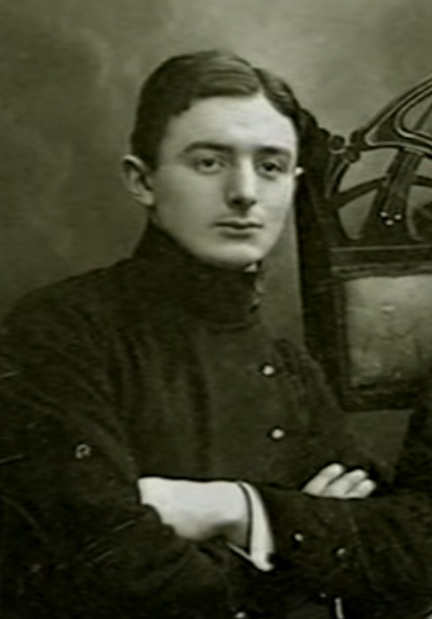
Dziga Vertov
Dziga Vertov was a Soviet pioneer documentary film and newsreel director, as well as a cinema theorist. Although influenced by futurism and constructivism, he became isolated due to his attachment to documentary filmmaking, which was considered excessive. He opposed filmmakers like Sergei Eisenstein, whom he accused of making spectacle cinema, because of their use of fiction. In the late 1920s, his work was labeled as formalist by the Stalinist regime, forcing him to gradually fade into obscurity, much like many other avant-garde filmmakers who deviated from the new official doctrine of socialist realism. His filming practices and theories influenced the cinéma vérité style of documentary filmmaking and the Dziga Vertov Group, Jean-Luc Godard and Jean-Pierre Gorin's radical cooperative. He worked with his brother Mikhail Kaufman and his wife Yelizaveta Svilova on his most famous film, Man with a Movie Camera (1929), which is now considered one of the greatest films of all time. His two brothers, Boris and Mikhail Kaufman, as well as his wife, were also noted filmmakers.
Explore
Presented in collaboration with





_1913.jpg)