Excalibur
Giants, fairies, magicians, ghosts, dragons, and monsters of all kinds… Here’s what your Cinémathèque has in store this summer! Since Méliès, filmmakers have embraced the fanstastic potential of cinema, creating infinite phantasmagorias and extraordinary spectacles where the unreal becomes real. Step into a world of fantasy and boundless imagination: whatever your generation, the monsters and wonders that once filled your childhood dreams are back this summer 2025!
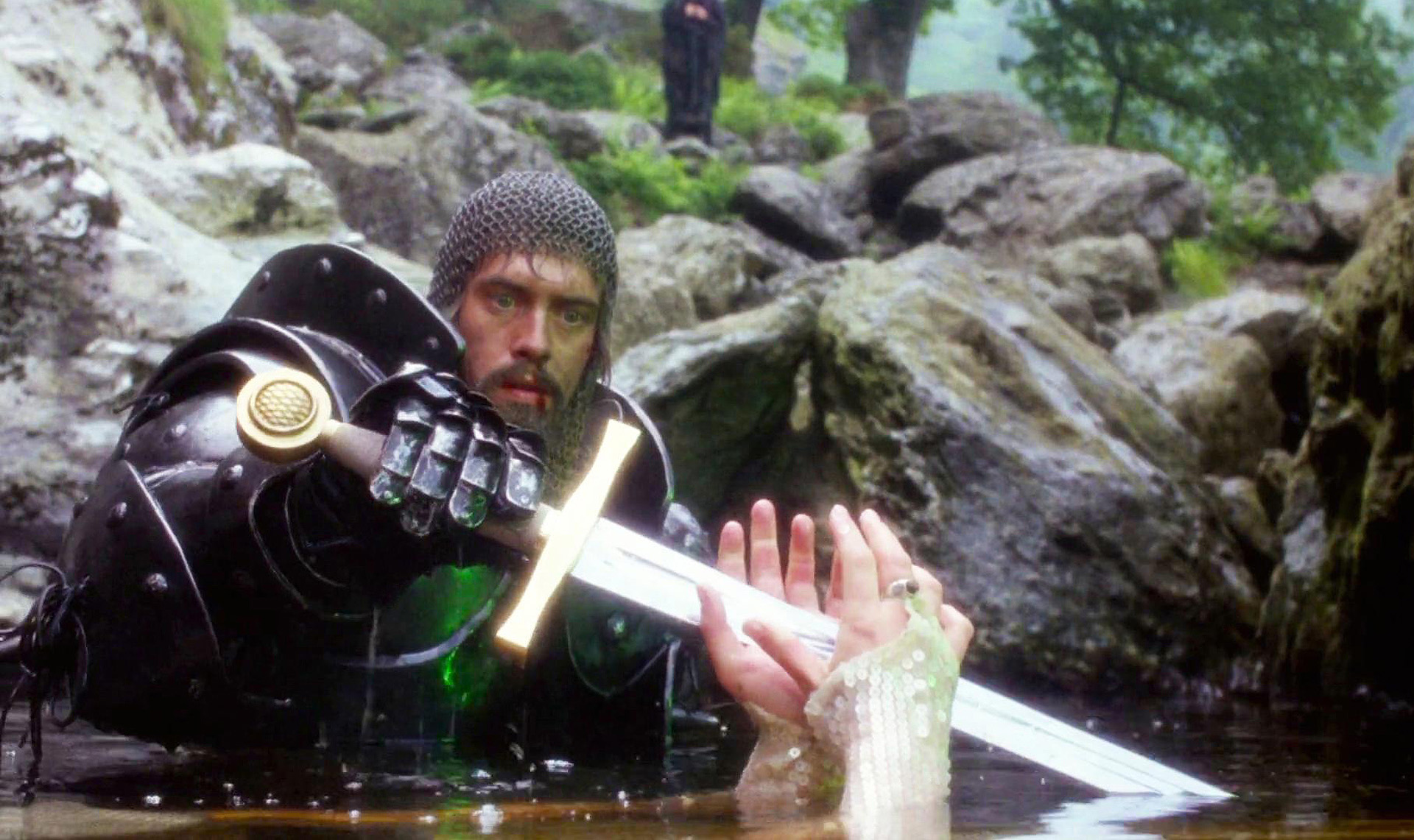
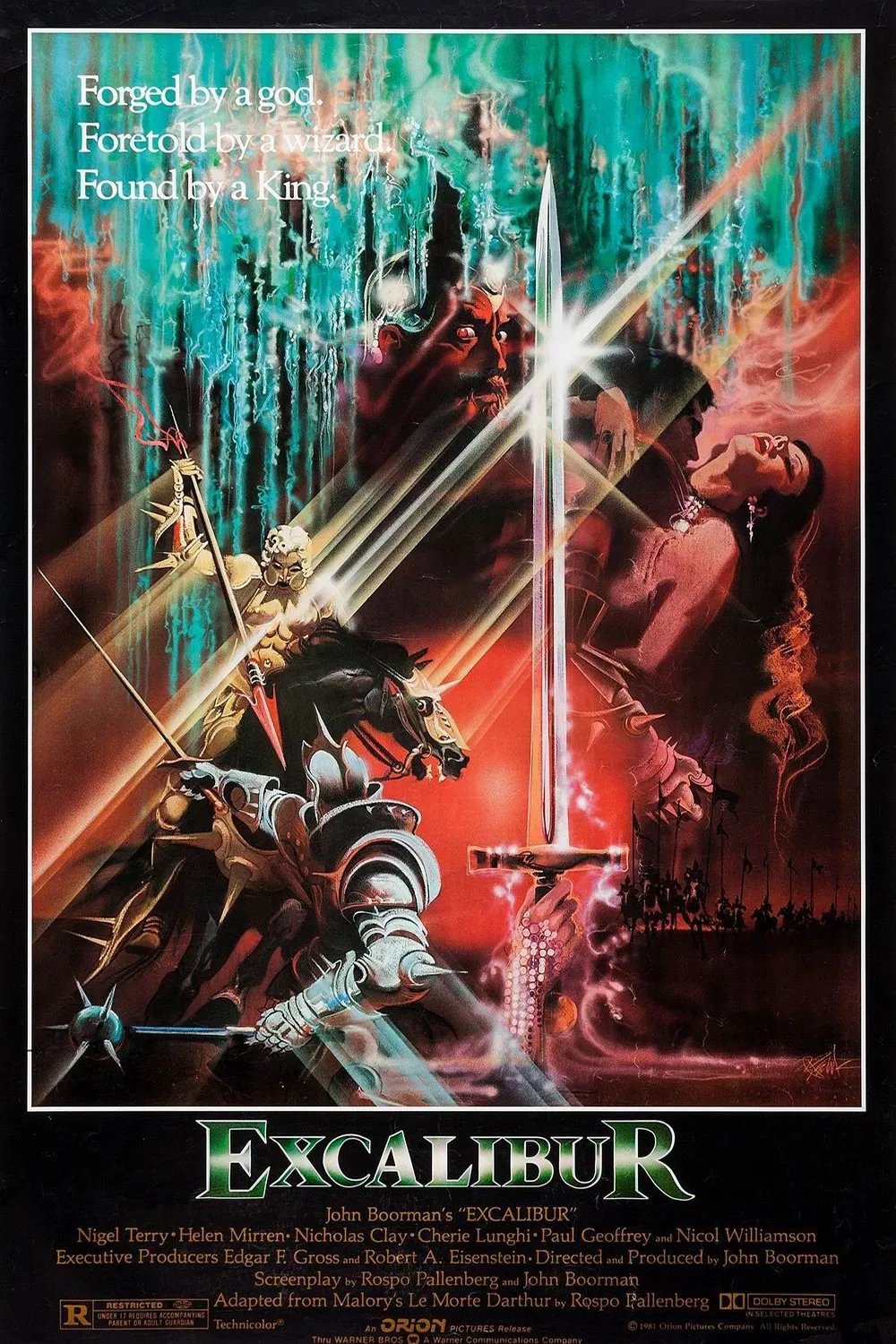
John Boorman's approach to the legend of King Arthur is based on Thomas Malory's book Le morte d'Arthur, whose lyricism is heightened by a generous and stylistic style. The opulent imagery he employs is in stark contrast to the works Bresson and Rohmer devoted to the same legend. For Boorman, magic is at the heart of Arthurian mythology, with Merlin the Enchanter and Morgana playing major roles in the story.
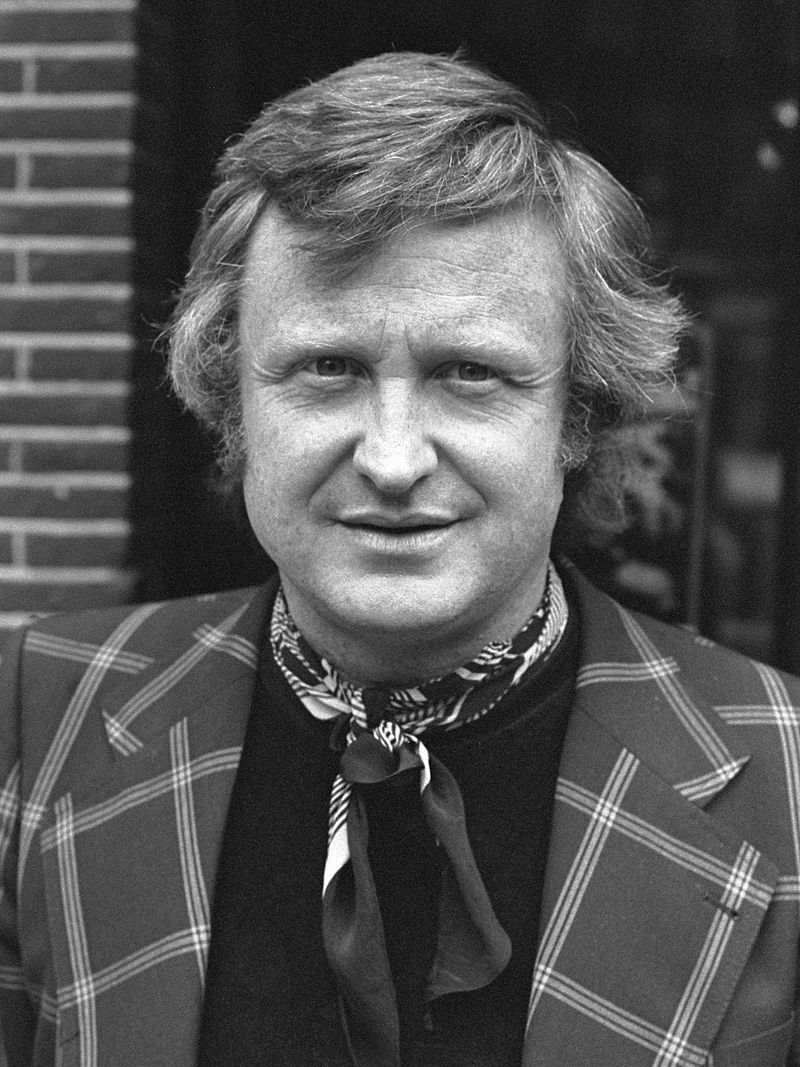
John Boorman
John Boorman is a British director, producer, screenwriter, and actor. His youth was marked by the bombings of World War II, an ordeal he later recounted in his film Hope and Glory (1987), which earned him three Academy Awards nominations, including Best Picture. His first feature film, Catch Us If You Can (1968), was a success that allowed him to go to the United States to make two films that subsequently gave him international recognition: Point Blank (1967) and Hell in the Pacific (1968). In 1970, with the dramatic comedy Leo the Last, he won the award for Best Director at the Cannes Film Festival. His next film, Deliverance (1972), also received two Academy Awards nominations. Boorman then ventured into science fiction with Zardoz, starring Sean Connery, a futuristic variation on the theme of The Wizard of Oz, for which he also wrote the screenplay. These films cemented his reputation as a great director, developing a personal, violent, and pessimistic cinema that, from fantasy to science fiction to realism, depicted a godless world where man, condemned to wander, is constantly confronted with evil. He continued to direct until 2014 with Queen and Country, the sequel to Hope and Glory, once again drawing inspiration from his youth.
.jpg)