Eyes Without a Face
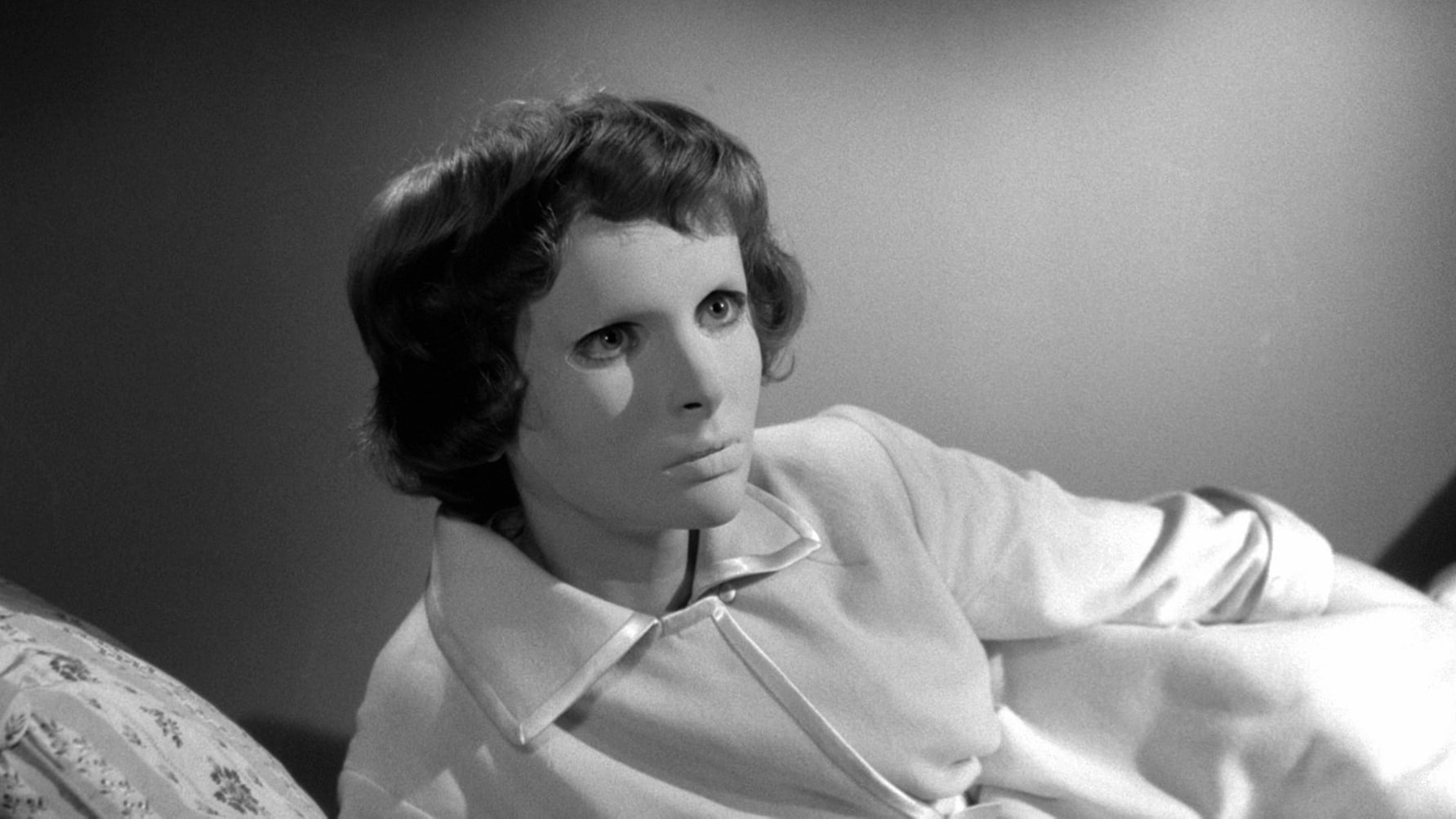
Cinema is a screen onto which we can project our fears, torments and the monstrosities of the world. The screen protects us from what we see, but cinema has also permanently anchored our nightmares around a few powerful images (empty houses, hostile attics and basements, demonic masks, bloodcurdling grimaces, disturbing postures). Throughout the summer, the Cinémathèque québécoise will be presenting a series of films encompassing more than one hundred and twenty years of horror, reminding us that what scares us most is to make the deepest of our fears tangible and credible.
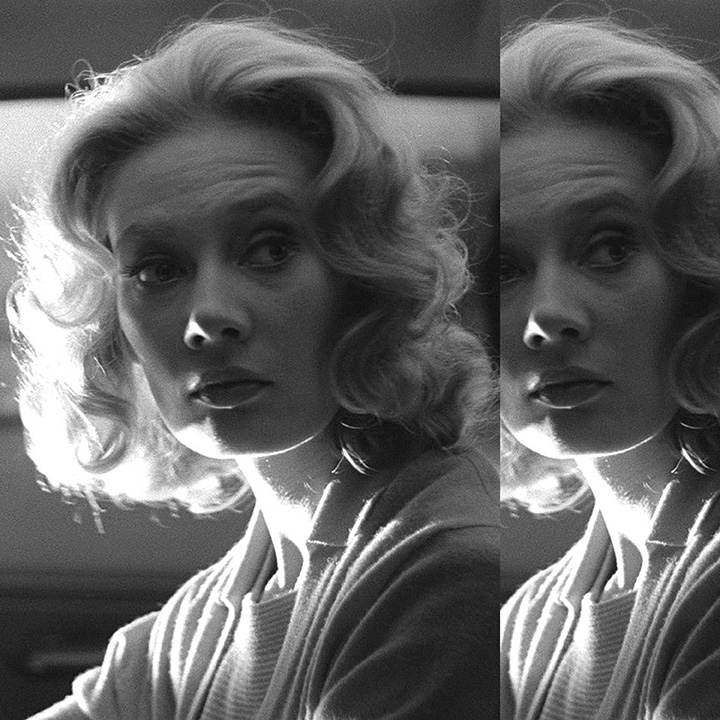
A surgeon tries to restore the face of his daughter, disfigured in a serious accident. His obsession leads him to criminal means. Franju's second feature remains his most famous.
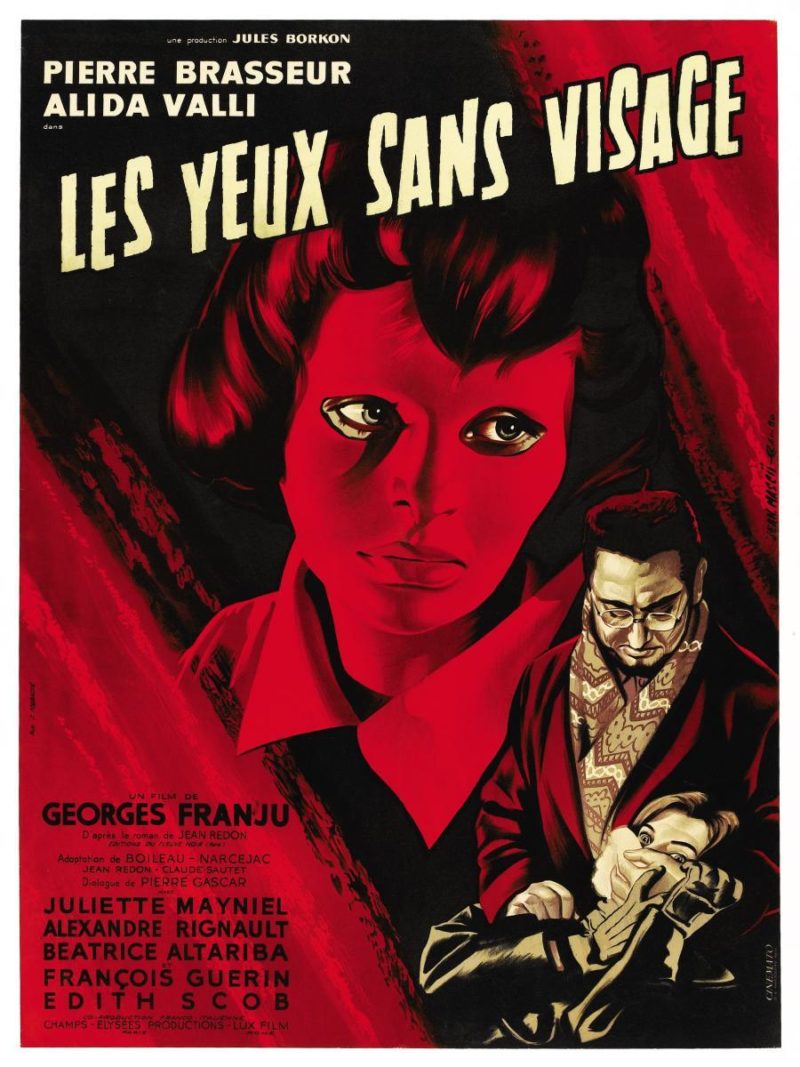
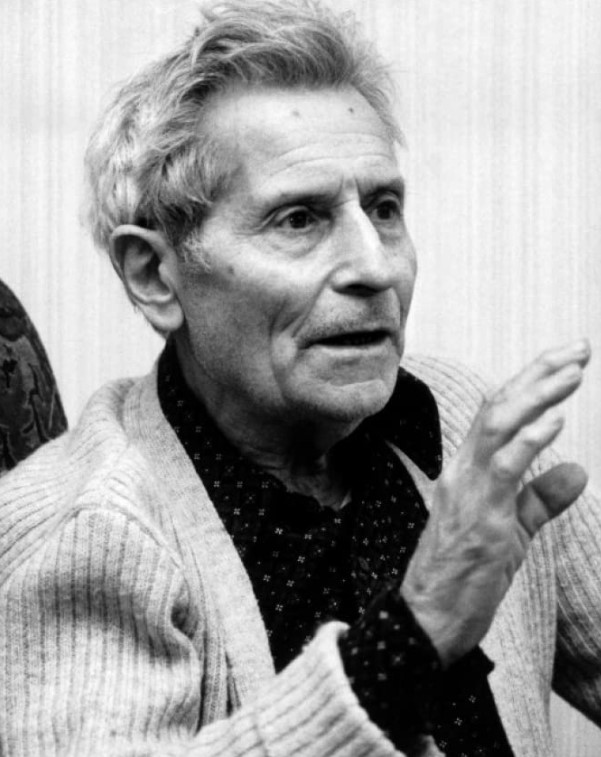
Georges Franju
Georges Franju is a French filmmaker. He directed his first short film, Le métro, alongside Henri Langlois in 1935. The following year, he co-founded the Cinémathèque française with Langlois, benefiting from the support of Paul-Auguste Harlé. In 1938, he became the executive secretary of the International Federation of Film Archives (FIAF). After World War II, Franju made a name for himself with short documentaries marked by uncompromising realism, yet featuring brief surrealist and poetic moments, such has Le sang des bêtes, set in the world of slaughterhouses, En passant par la Lorraine, depicting the steel mills of the Moselle region, and Hôtel des Invalides, about the absurdity of war. Franju's cold, poetic, slightly fantastical directorial style is also evident in his feature films, such as La tête contre les murs (1958), set in a psychiatric hospital, and his masterpiece Les yeux sans visage (1960), an authentic horror film with scenes that foreshadowed the gore genre. In 1963, in Judex, he displayed a penchant for the unusual and affirmed his taste for expressionist staging. He also adapted François Mauriac's Thérèse Desqueyroux (1962) and Émile Zola's La faute de l'abbé Mouret (1970).