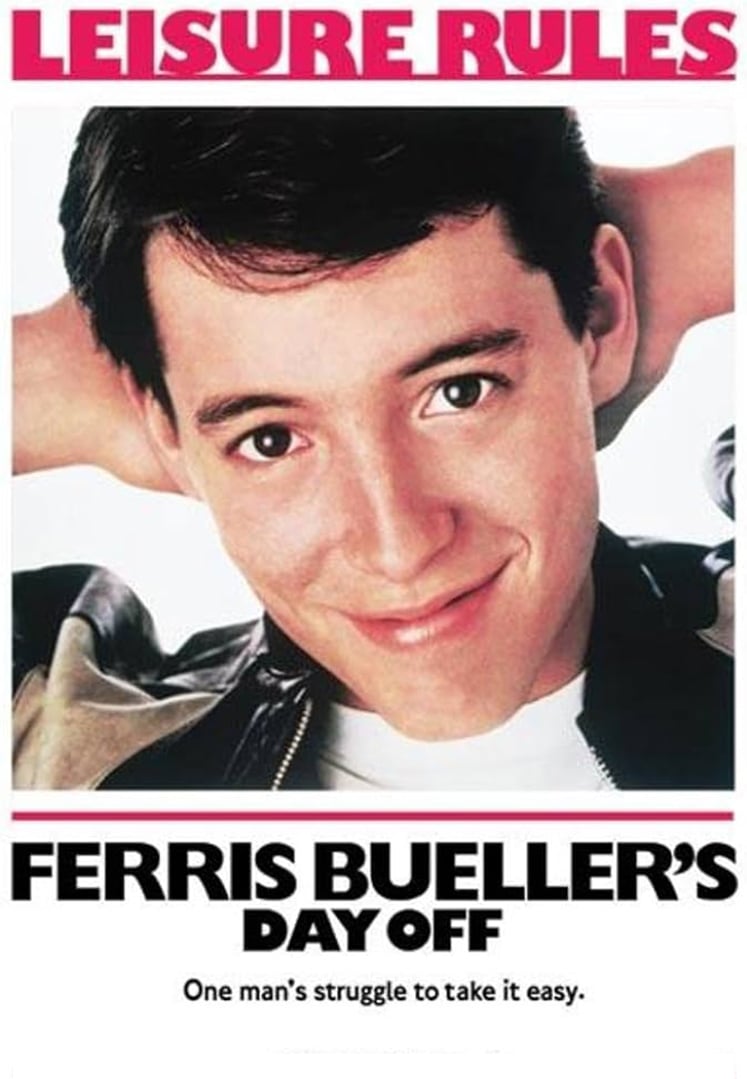
Ferris Bueller's Day Off
Pleasure can be a form of dissidence, as shown by this cycle, opening up this new year with a playful and impertinent philosophical tone. The modern heirs of Diogenes, the tramp Boudu and the punks of Not Dead dynamite the bourgeois order or the consumer society. Very Happy Alexander and The Big Lebowski make a few enemies by establishing the pleasures of laziness as an art of living. Children rebel against their school's authority figures in the libertarian Zero for Conduct, while Ferris Bueller prefers to play hooky to discover the world in a different way. In Hal Ashby's Harold and Maude, life becomes a marvelous game of defying convention and death, while Mr. Chance in Being There becomes a political oracle by simply explaining how to cultivate his garden. The final word goes to the decadent intellectuals of The Decline of the American Empire and their dizzying introspection on the exhausting quest for happiness.
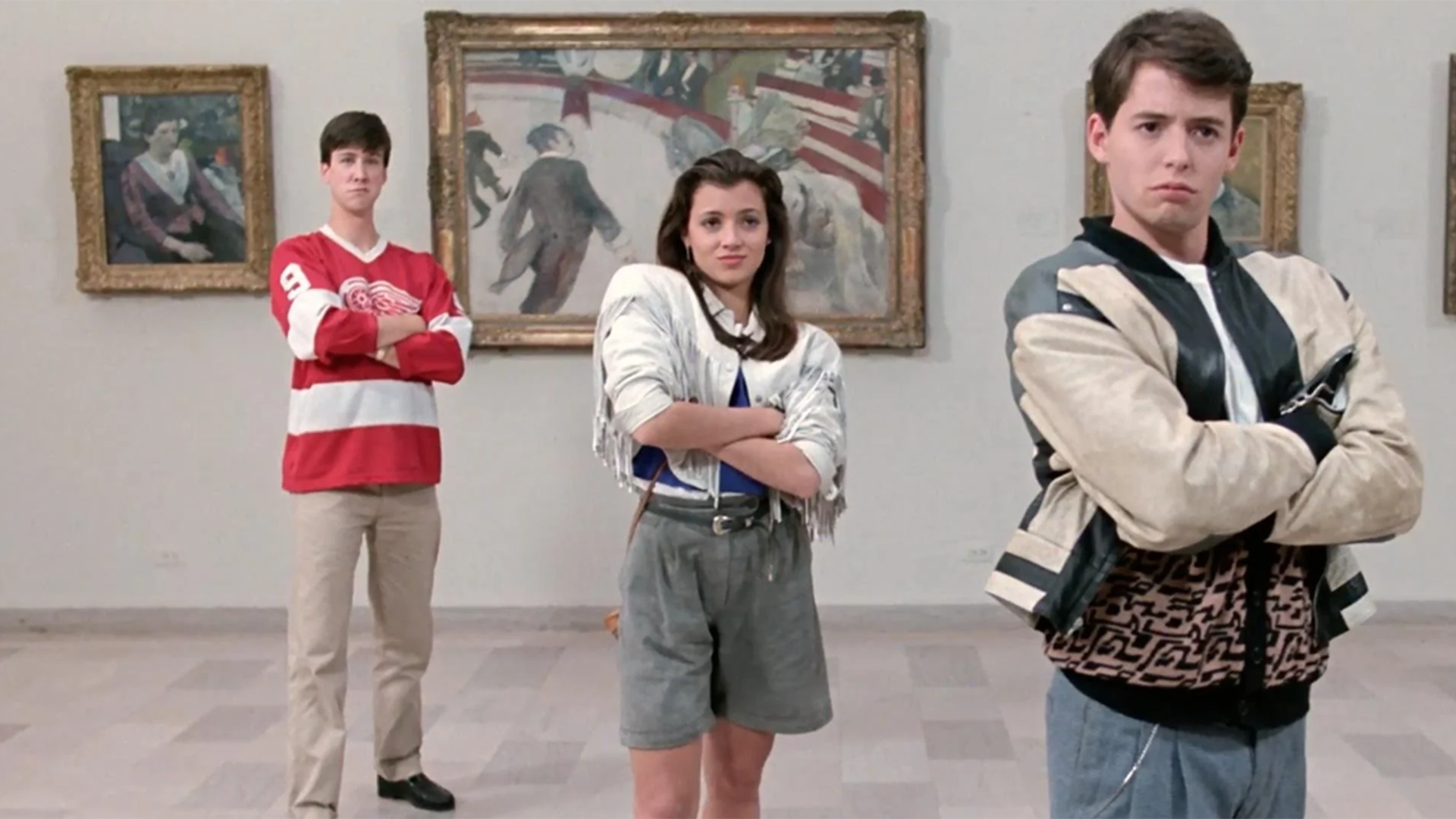
You can't be serious when you're 17: popular, nonchalant Ferris Bueller leads his best friend Cameron and girlfriend Sloane to skip school for a day of freedom.
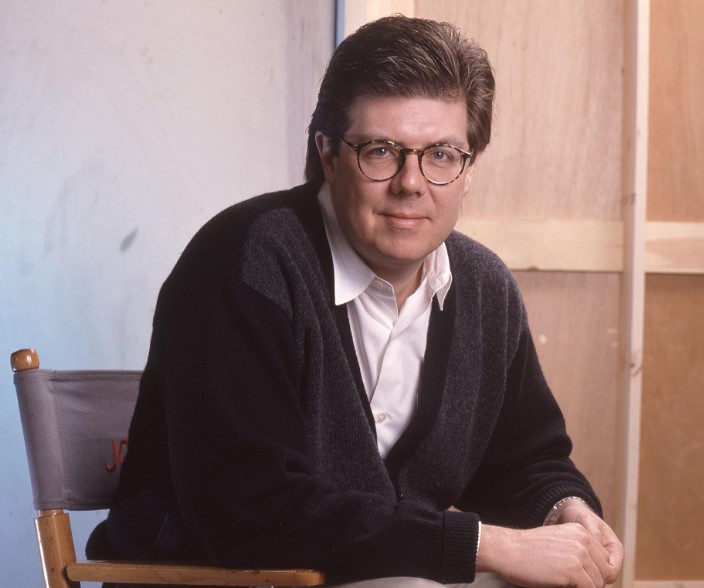
John Hughes
John Wilden Hughes Jr was an American filmmaker. Hughes began his career in 1970 as a writer of essays and humorous stories for National Lampoon magazine. He then moved to Hollywood to write, produce and sometimes direct some of the most successful live-action comedy films of the 1980s and 1990s, such as National Lampoon's Vacation, The Breakfast Club, Ferris Bueller's Day Off, Pretty in Pink, Some Kind of Wonderful, Home Alone, Beethoven, Dennis the Menace and Baby's Day Out.
Most of Hughes' work is set in the Chicago metropolitan area. He is best known for his teen comedy films that honestly portray the lives of suburban youth. Many of his most memorable characters from these years were written for Molly Ringwald, who was Hughes' muse.