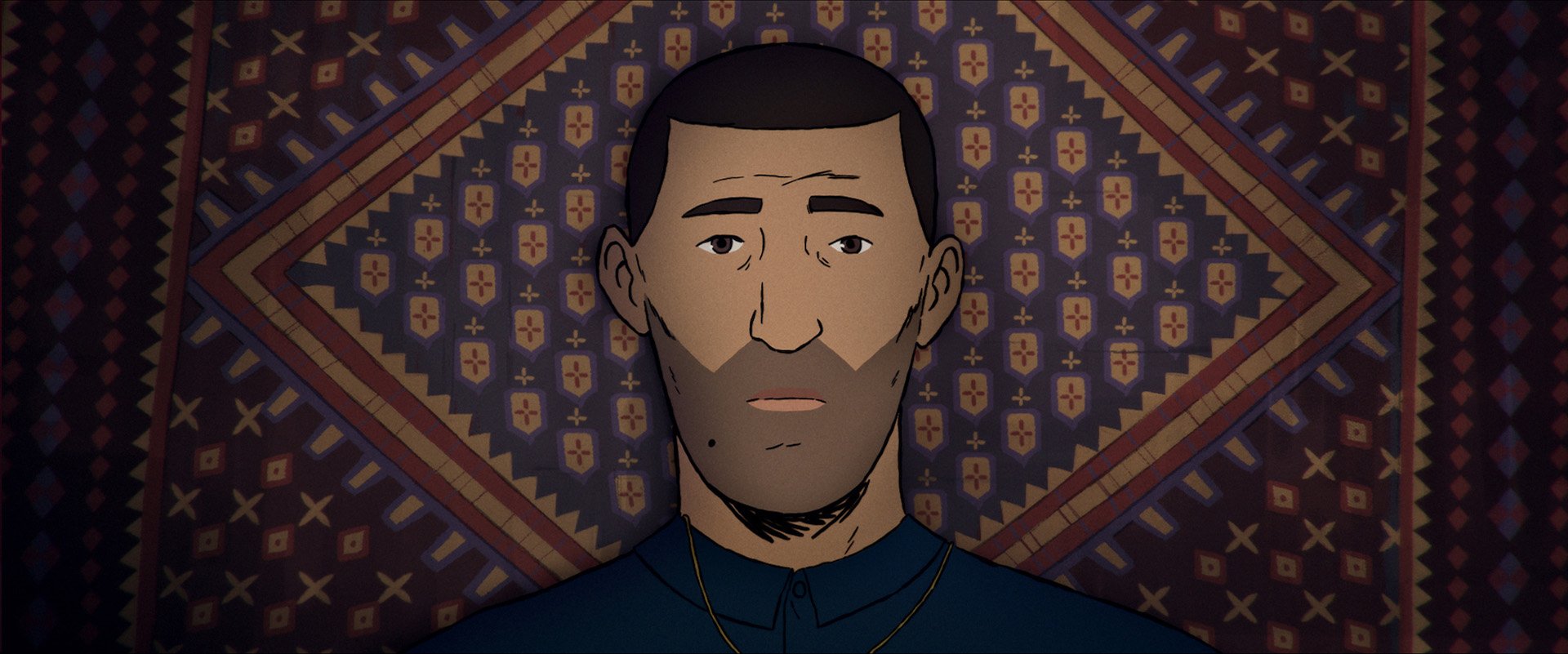
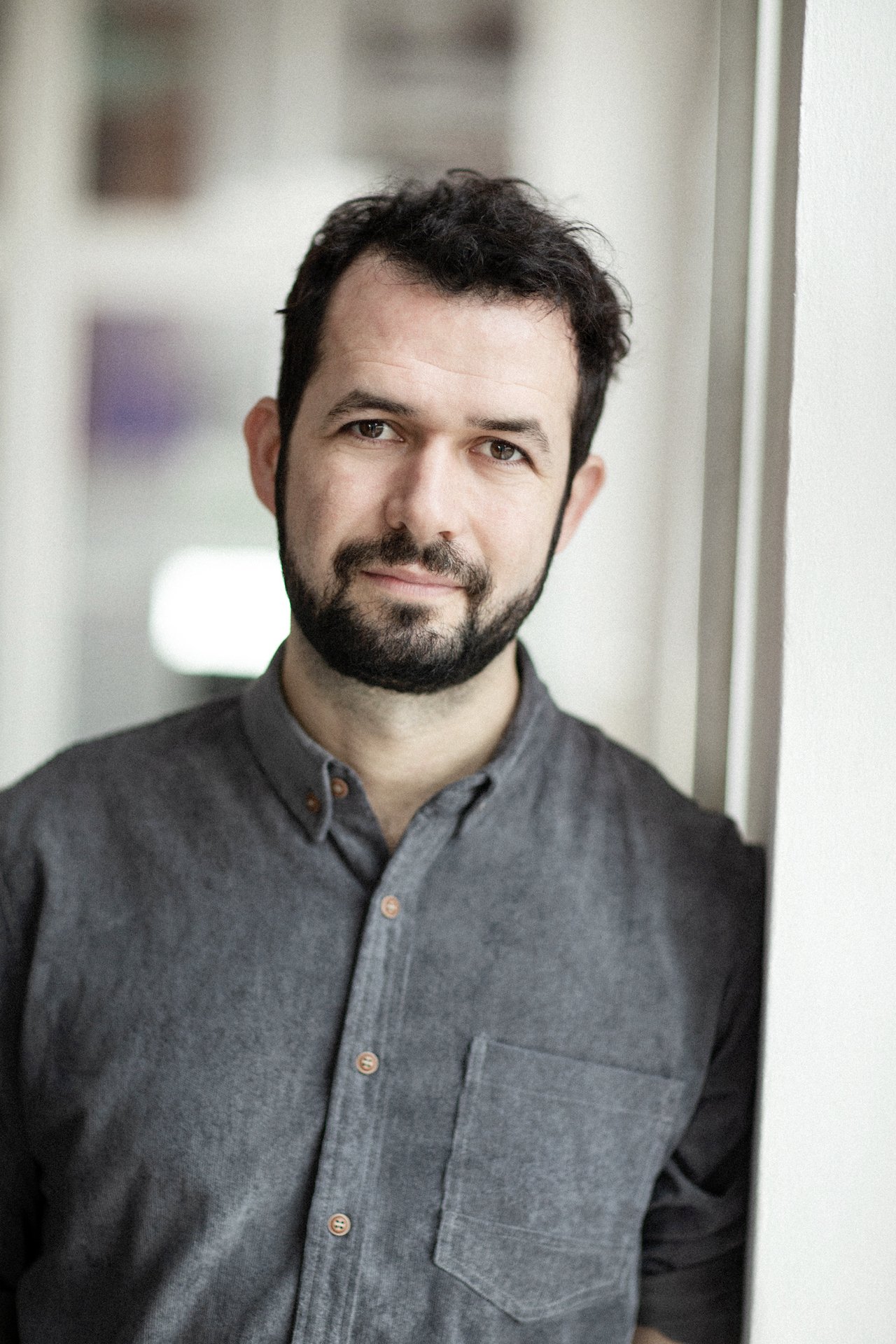
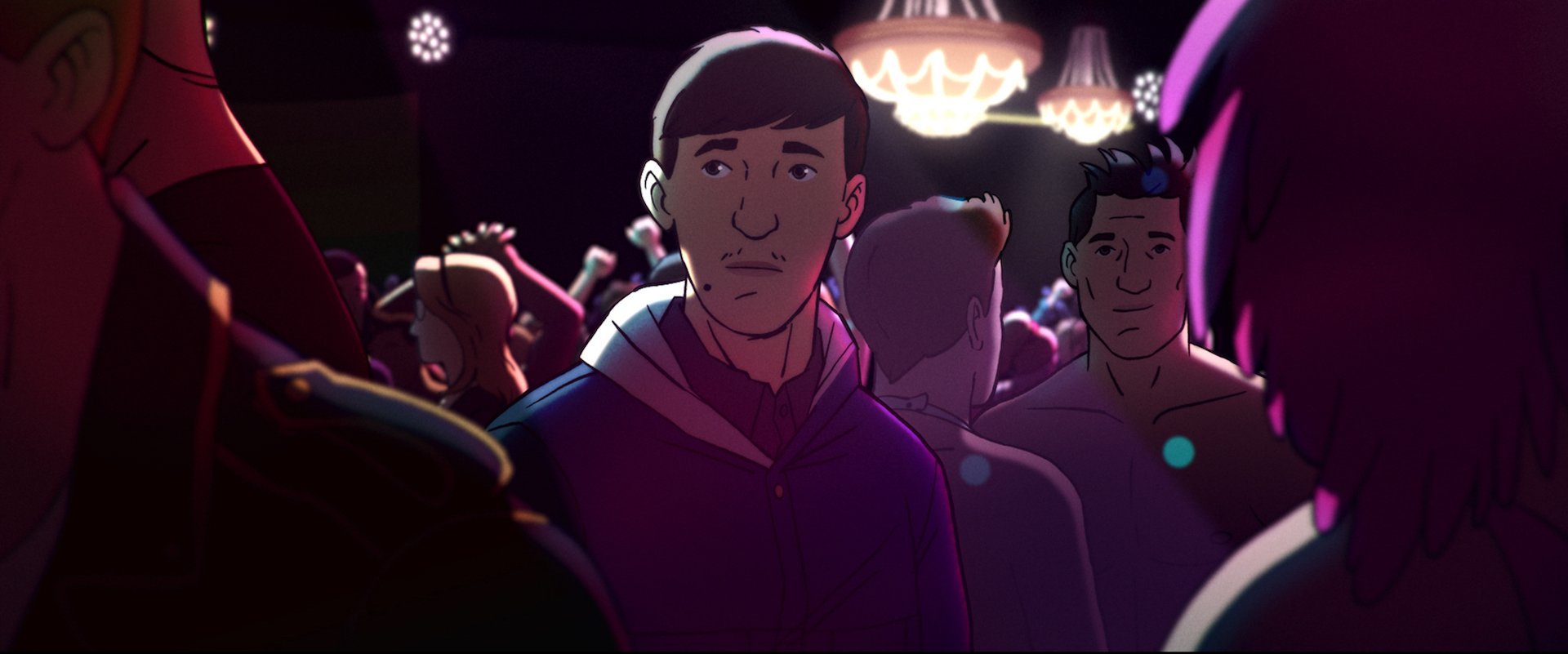
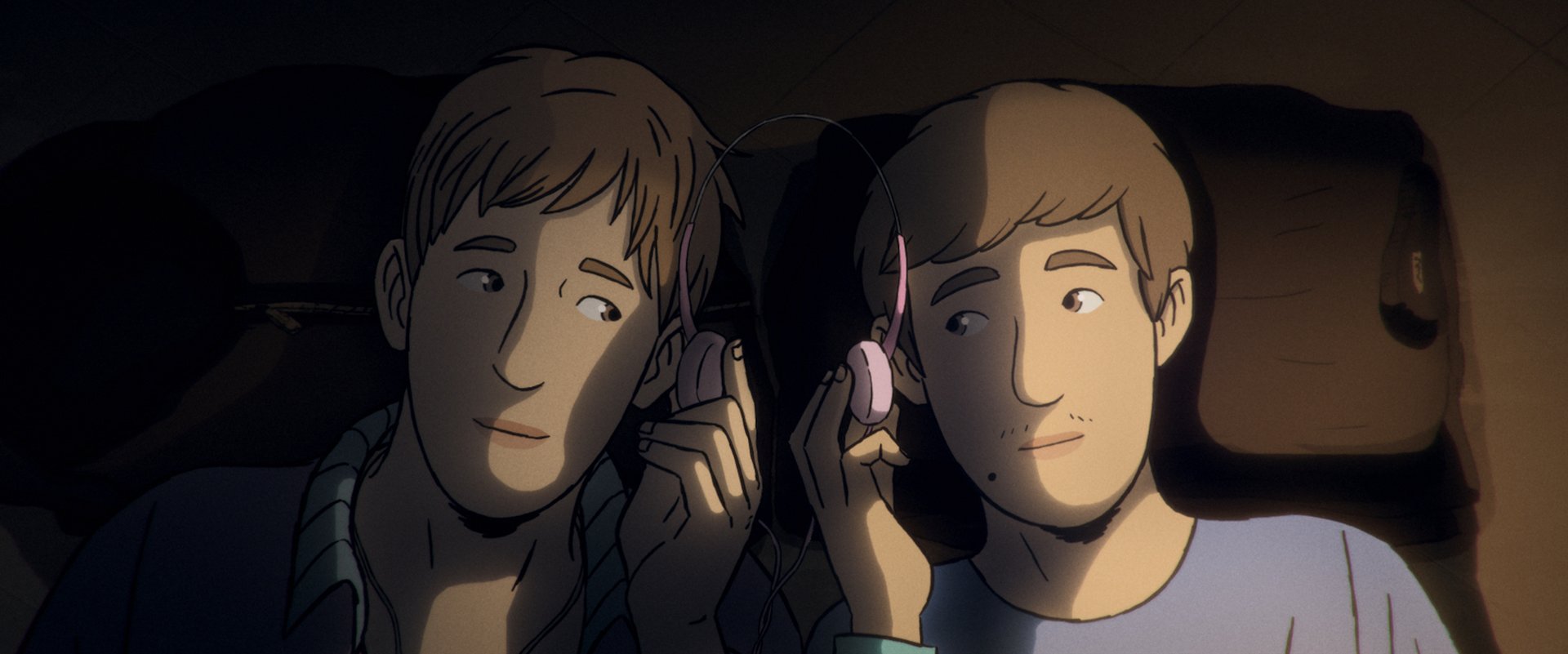
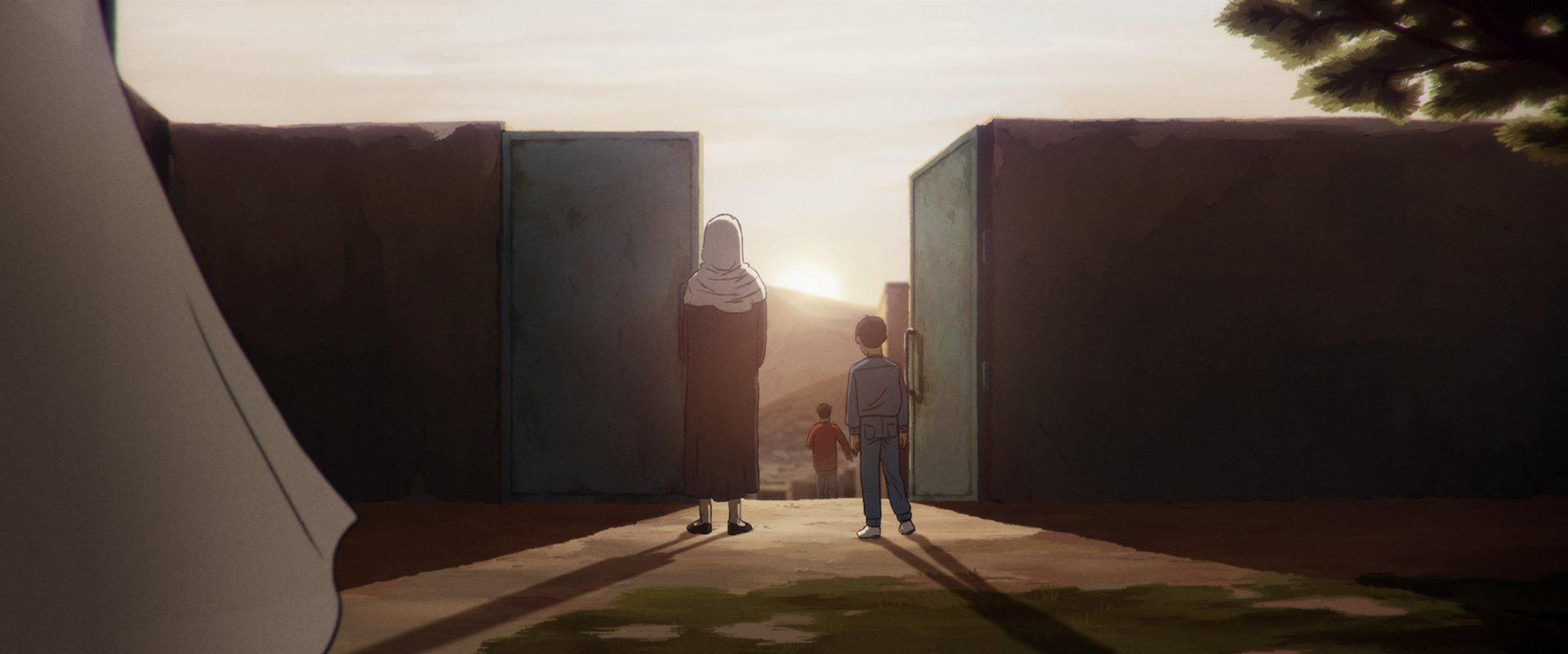
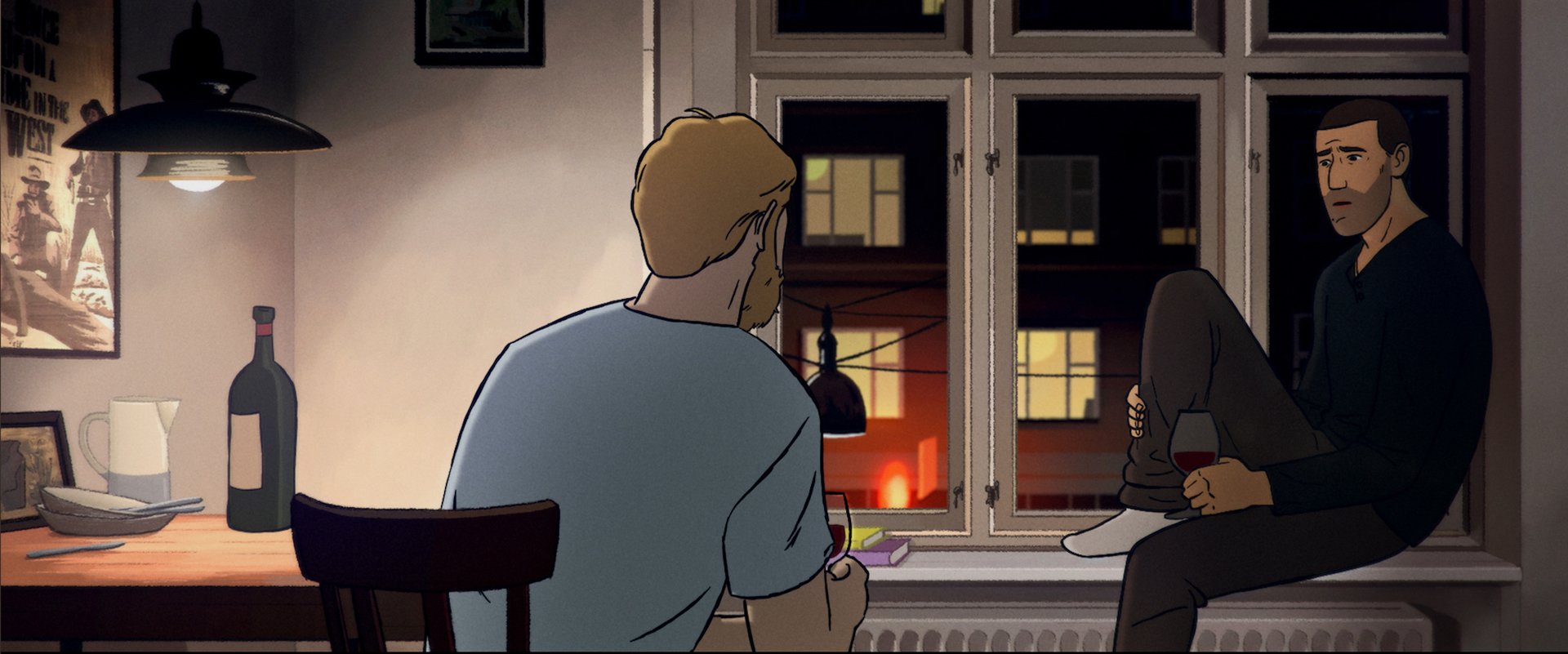
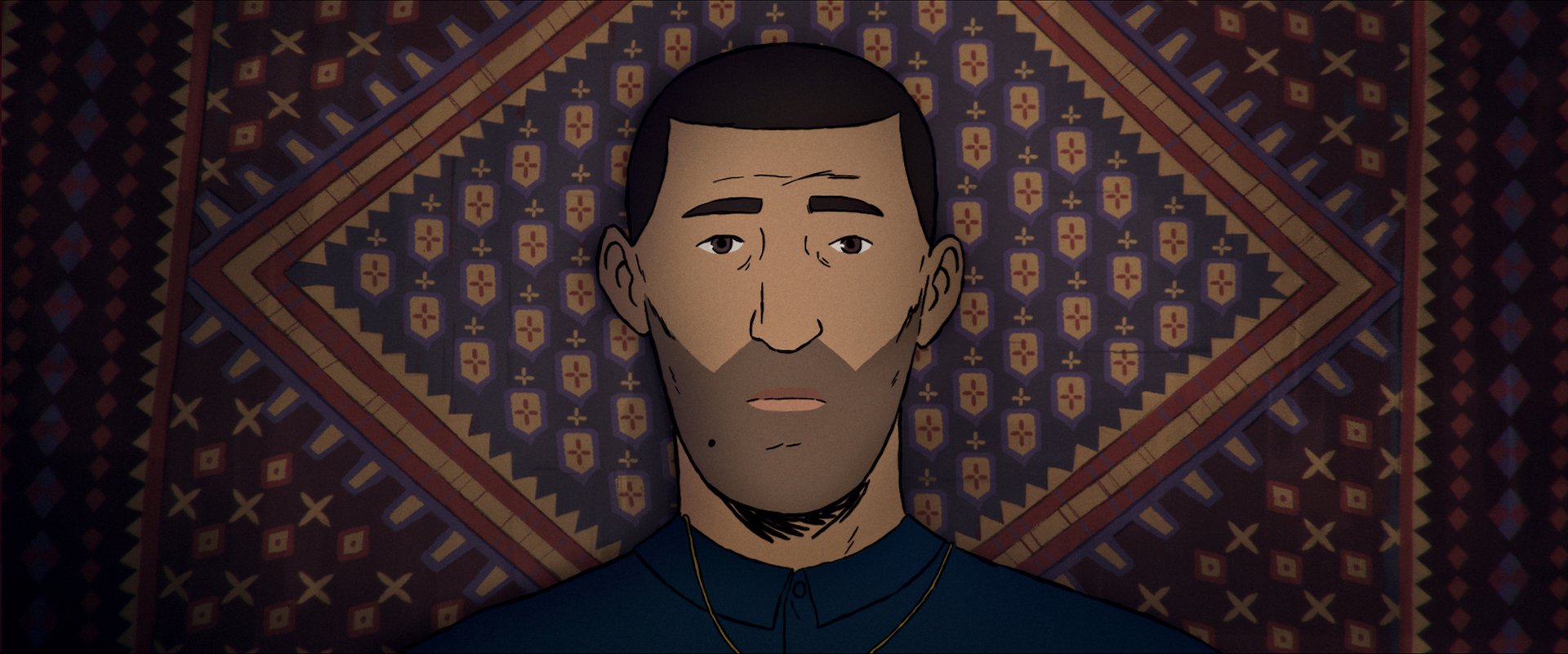
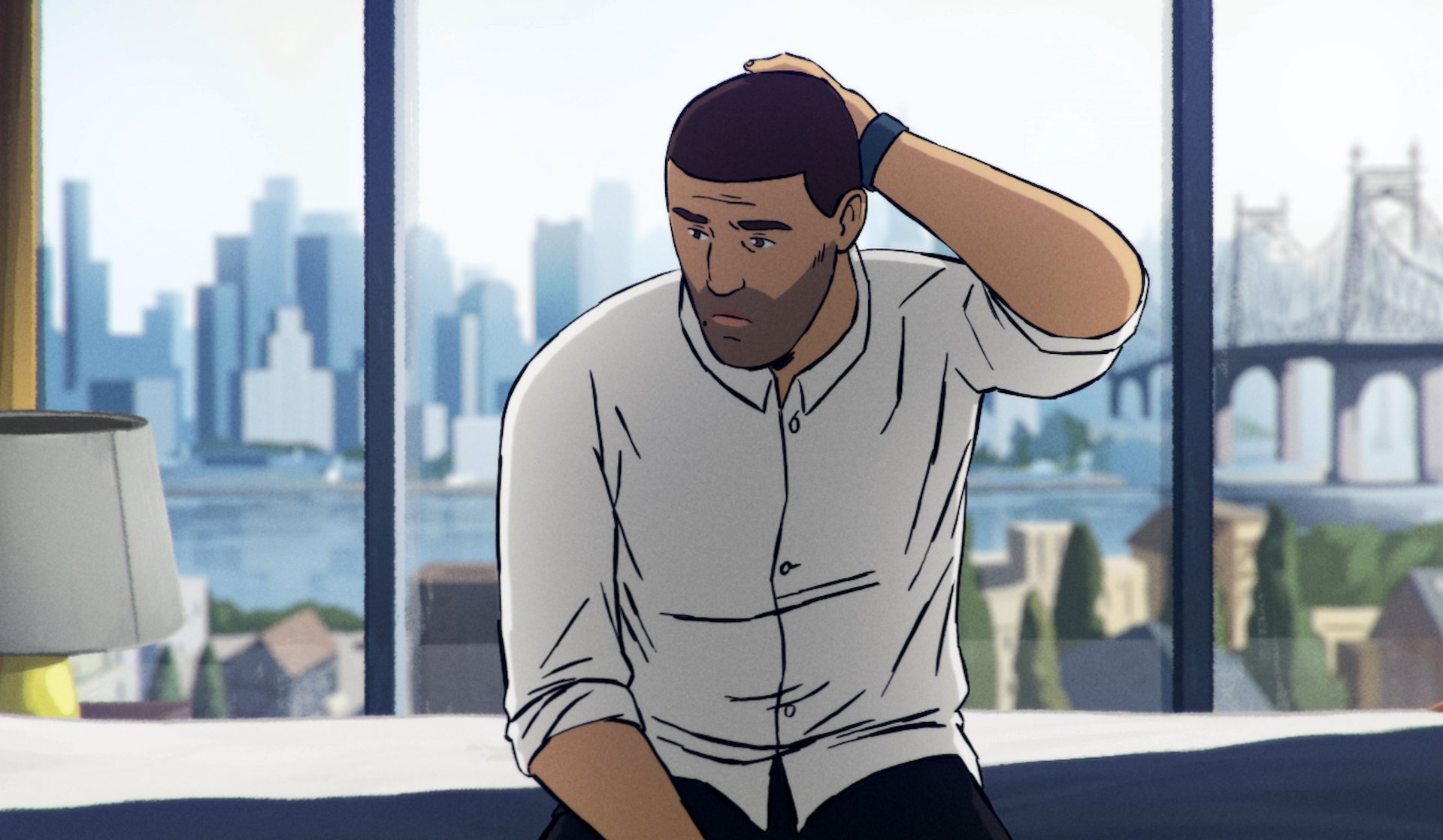
Growing up in a very liberal home, I was always taugh tto be respectful, open-minded, and curious about the people around me, despite their past, political beliefs, or whatever else they might have stood for. Meeting people whoever they are and wherever they are in life is one of my core approaches to directing my documentary films. My goal is to make honest and real connections in a trusting environment, since that will help me reach their most intimate stories. I try to understand their nuances and complexities, including the vulnerable or ugly sides, and even themost inhumane facets of their lives. In the process of telling these intimate stories, I always try to explore new ways and approaches to share my stories. I seek ways to twist the format of the film, so that it fits with the story being told. I have worked with theater reenactments and fictional/documentary hybrids. Now with FLEE, I’ve introduced animation to my repertoire. I aim to create a compelling and inviting narrative in order to give testimonies so generously shared with me by my subjects the platform they deserve. Coming from a Jewish family, the theme of flight and dislocation is especially important to me. My ancestors fled Russia in the early 20th century to escape persecution and pogroms. Like Amin, theprotagonist of FLEE, they sailed across the Balticto Denmark. This was where my grandmother was born, in a hotel close to the central train station in my current hometown of Copenhagen. Her family – my family – applied for asylum, but they were denied, so they were forced to move again, this time to Germany. As a primary school student in Berlin, my grandmother was forced to stand before her classmates with a yellow star displayed prominently on her chest. Soon, she had to flee again, this time to England. It happened almost a century ago, but the story of her forced displacement and dislocation still hangs over my family. I was 15, when Amin first showed up in my sleepy Danish hometown. He arrived from Afghanistan all by himself and lived in a foster home, right around the corner from where I lived. We met every morning at the bus stop, on our way to high school, and we slowly became close friends. That was 25 years ago. In all that time, he never told me about how or why hecame to Denmark. In fact, he never told anyone. Since I was just a teenager then, I never really probed him about his past. It didn’t really concern me. I just liked having a gym buddy. I liked having someone around that I could talk to. Over the years, however, I started hearing whispers of some of what he’d been through... before he showed up at my bus stop.For at least half his life, Amin avoided telling anyone his story. Imagine how excited I was, when he finally agreed to open up to me. He was willing to tell mee verything. How different our lives were... and how similar! We are about the same age, we both listened to the same music, watched the same movies, and enjoyed sports. He loved playing volleyball in Kabul, while I loved playing soccer in Denmark. But then his life took a drastic turn. He spent five years living on the run, before he finally arrived – all alone – in my town.
Making FLEE gave me new insights into the drastic consequences of fleeing home, especially as a child, like Amin... like my grandmother. I began to understand the difficulties that children like them face, when their past and present are so disconnected. I understood why they tended to look ahead to the future, while keeping a safe distance from the people around them. I understood what it’s like to have a deep secret that you cannot share with anyone, but which will always be a silent presence in that person’s relationships and in life in general. As for Amin, I realized that this feeling of displacementstill was very present in him, even after all these years. I believe it is because he never had the chance to confront his past and share his story, the story of FLEE.