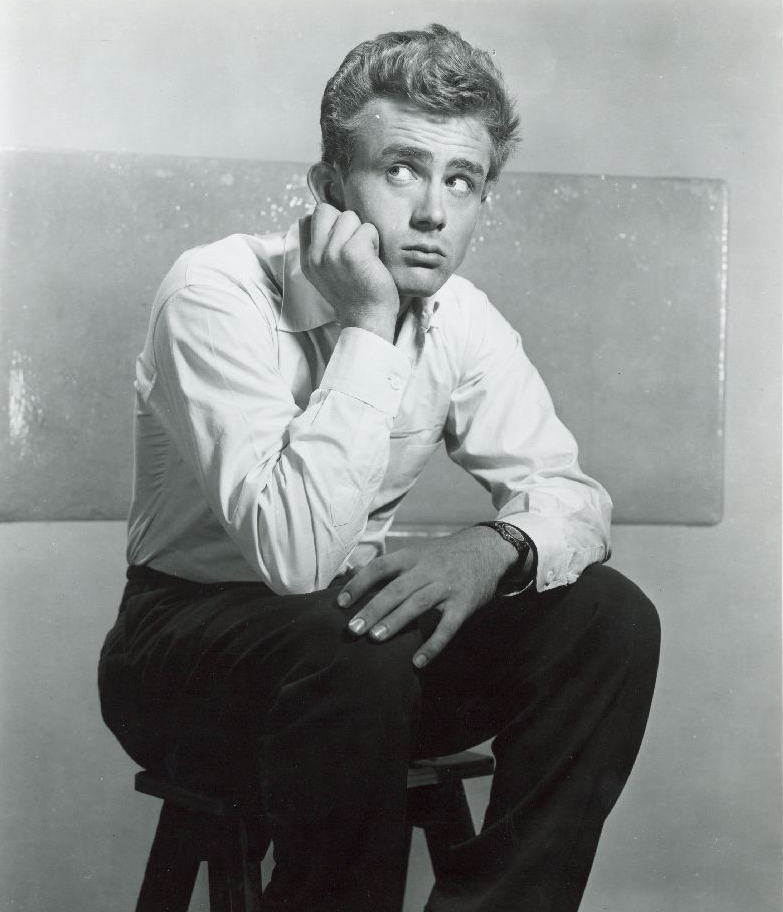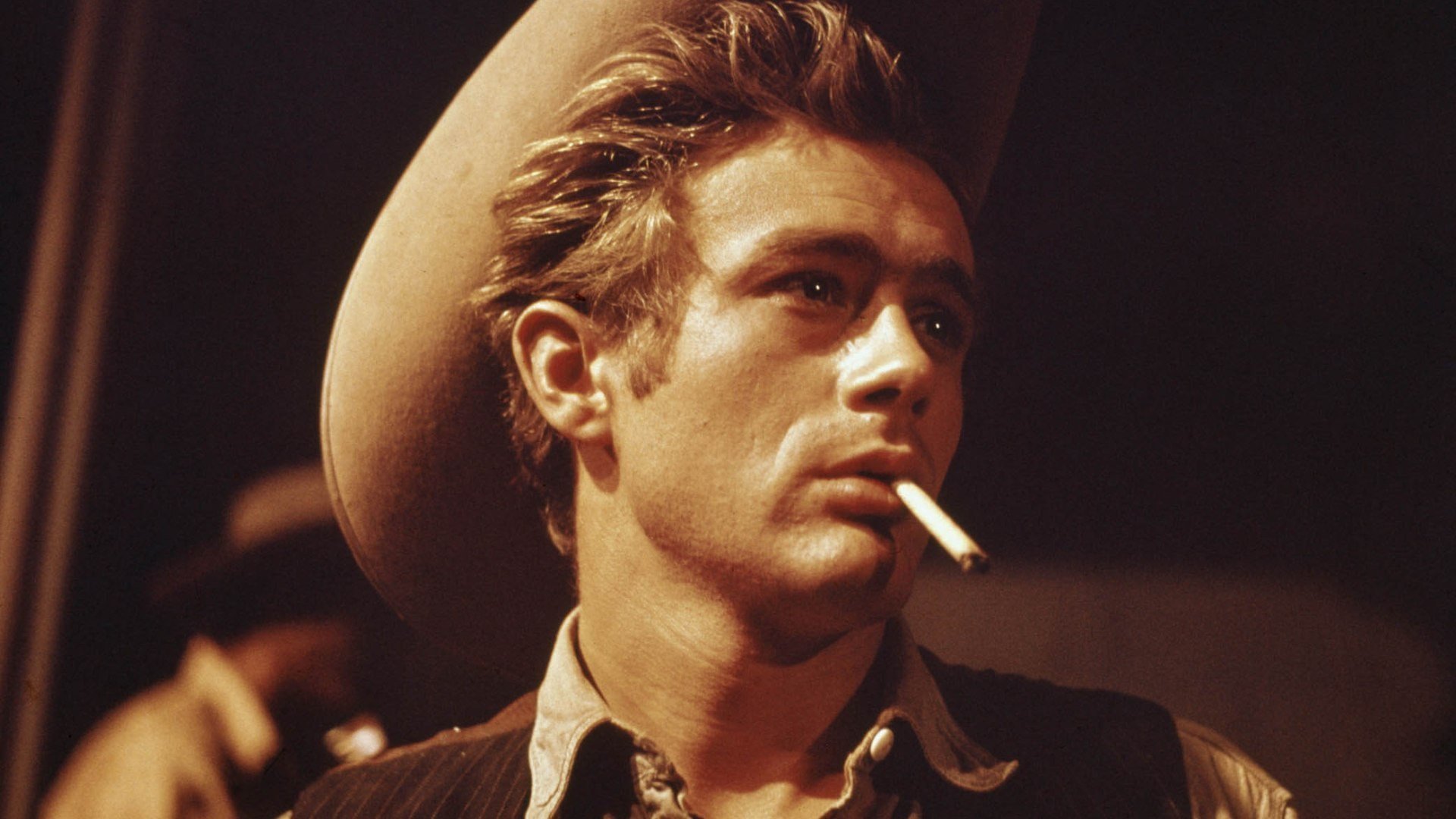
An incandescent, meteoric apparition in the history of cinema and the firmament of stars: does James Dean, whose early demise cemented his myth, even need an introduction? Casual, mischievous, rebellious, he embodied the youth of an era. In just over a year, he delivered three unforgettable performances for three great directors, making these films masterpieces and himself an icon with an aura of eternity.
Winner of the Academy Award for Best Director for George Stevens in 1957
Giant chronicles a 30-year period in the life of the Benedict family, whose patriarch Jordan, a wealthy Texas landowner, married Leslie, who was born in Maryland. Jett Rink, taking advantage of the oil industry boom, causes them considerable trouble.
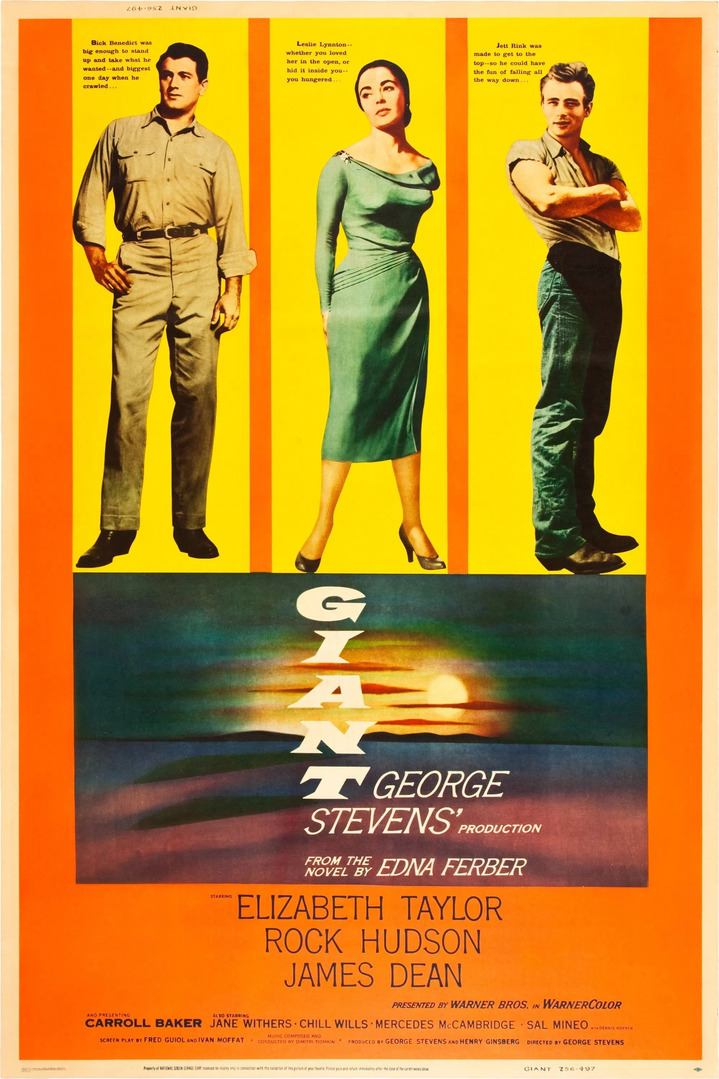
George Stevens
George Stevens was an American film director, producer, screenwriter and cinematographer. He won the Academy Award for Best Director for A Place in the Sun (1951) and Giant (1956). Born in Oakland, California, he worked in his parents' West Coast touring stock theater company as a child actor and stage manager. When cinema was replacing live theater, Stevens's parents relocated to Los Angeles. At the age of 17, he was hired as an assistant cameraman, working on several Western films produced by Hal Roach. Within three years, he became a cameraman on the Our Gang series. Impressed with his visual knowledge, Roach then appointed him to direct installments of The Boy Friends series. Stevens next moved to Universal Pictures, and then RKO Pictures. There, he directed several genre films, including Alice Adams (1935) starring Katharine Hepburn; Swing Time (1936) starring Fred Astaire and Ginger Rogers; and Gunga Din (1939) starring Cary Grant. In 1941, during World War II, Stevens joined the U.S. Army Signal Corps and headed a film unit. Using his personal 16 mm film camera, he shot color footage of the Liberation of Paris and the entry of American soldiers into the Dachau concentration camp. He then returned to Hollywood and directed more serious films, starting with I Remember Mama (1948). Between 1951 to 1956, he directed his American Trilogy, which includes A Place in the Sun (1951), Shane (1953), and Giant (1956), before he directed widescreen biographical films, The Diary of Anne Frank (1959) and The Greatest Story Ever Told (1965). His final film was The Only Game in Town (1970) starring Elizabeth Taylor and Warren Beatty.

James Dean
James Dean was an American actor. He became one of the most influential figures in Hollywood in the 1950s, despite a career that lasted only five years. His impact on cinema and popular culture was profound, even though he appeared in just three major films. Rebel Without a Cause (1955), in which he portrayed a disillusioned and rebellious teenager, East of Eden (1955), which showcased his intense emotional range, and Giant (1956), a sprawling drama, have all been preserved in the United States National Film Registry by the Library of Congress for their "cultural, historical, or aesthetic significance". He was killed in a car accident at the age of 24 in 1955, leaving him a lasting symbol of rebellion, youthful defiance, and the restless spirit. Dean was the first actor to receive a posthumous Academy Award nomination for Best Actor for his role in East of Eden. The following year, he earned a second nomination for his performance in Giant, making him the only actor to receive two posthumous acting nominations. Dean's film roles and style had a strong impact on Hollywood, capturing the spirit of 1950s youth and creating an enduring legacy that shaped American pop culture and defined rebellious, countercultural attitudes for generations.
Photo: Collections de la Cinémathèque québécoise