Gone with the Wind
Making lists is an activity moviegoers are fond of. Every year, the same ritual: compilation of the ten best films, with comparative analyses, debates, heated discussions. But what about the ultimate list of the most outstanding films in the history of cinema? That is to say, those films that must be seen, those that have forever transformed the art of cinema, but also our way of seeing a culture, of understanding the world as well as our own lives? This program aims to tackle this challenge with nearly eighty films, produced between 1916 and 1960, while waiting for your lists!
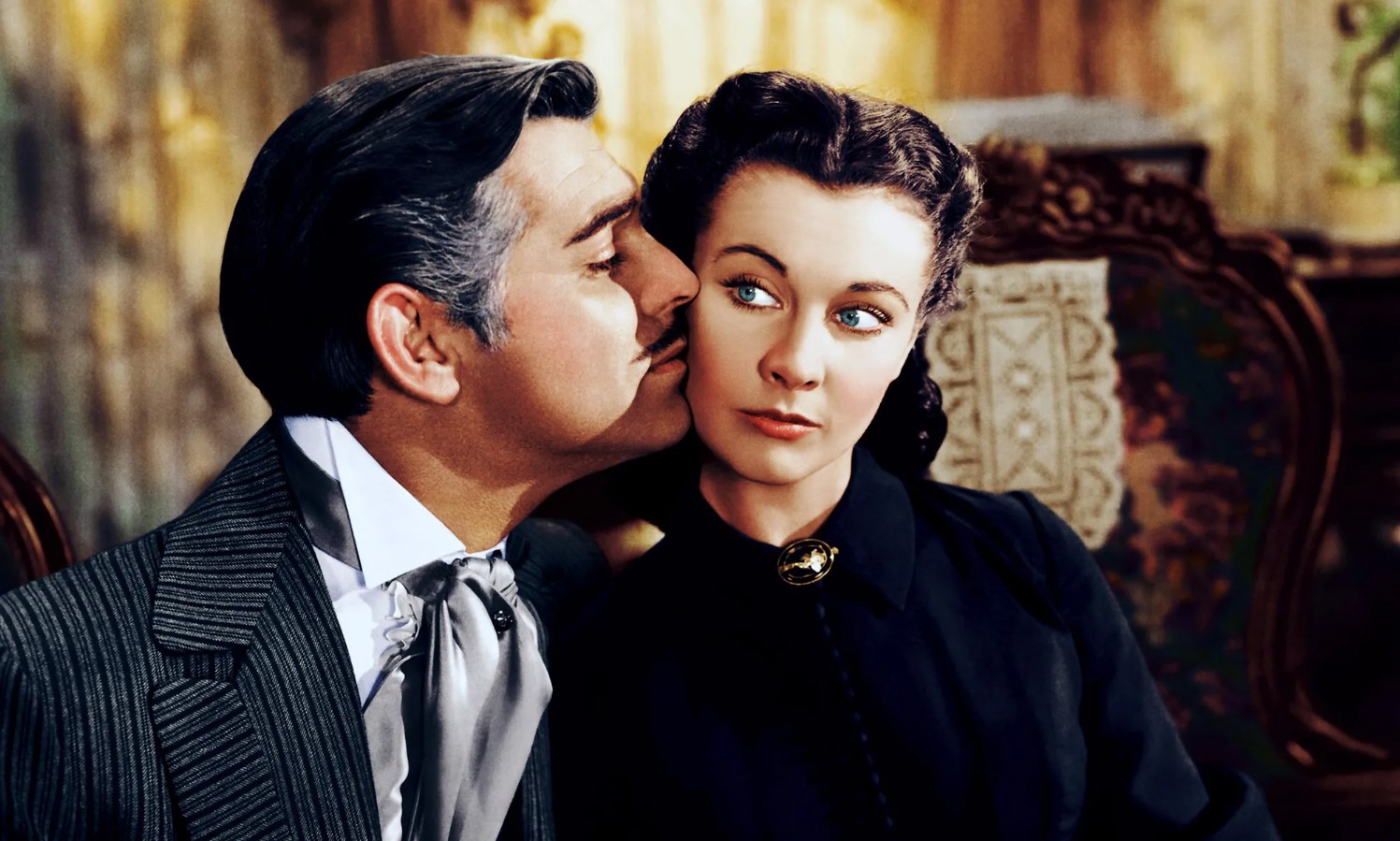
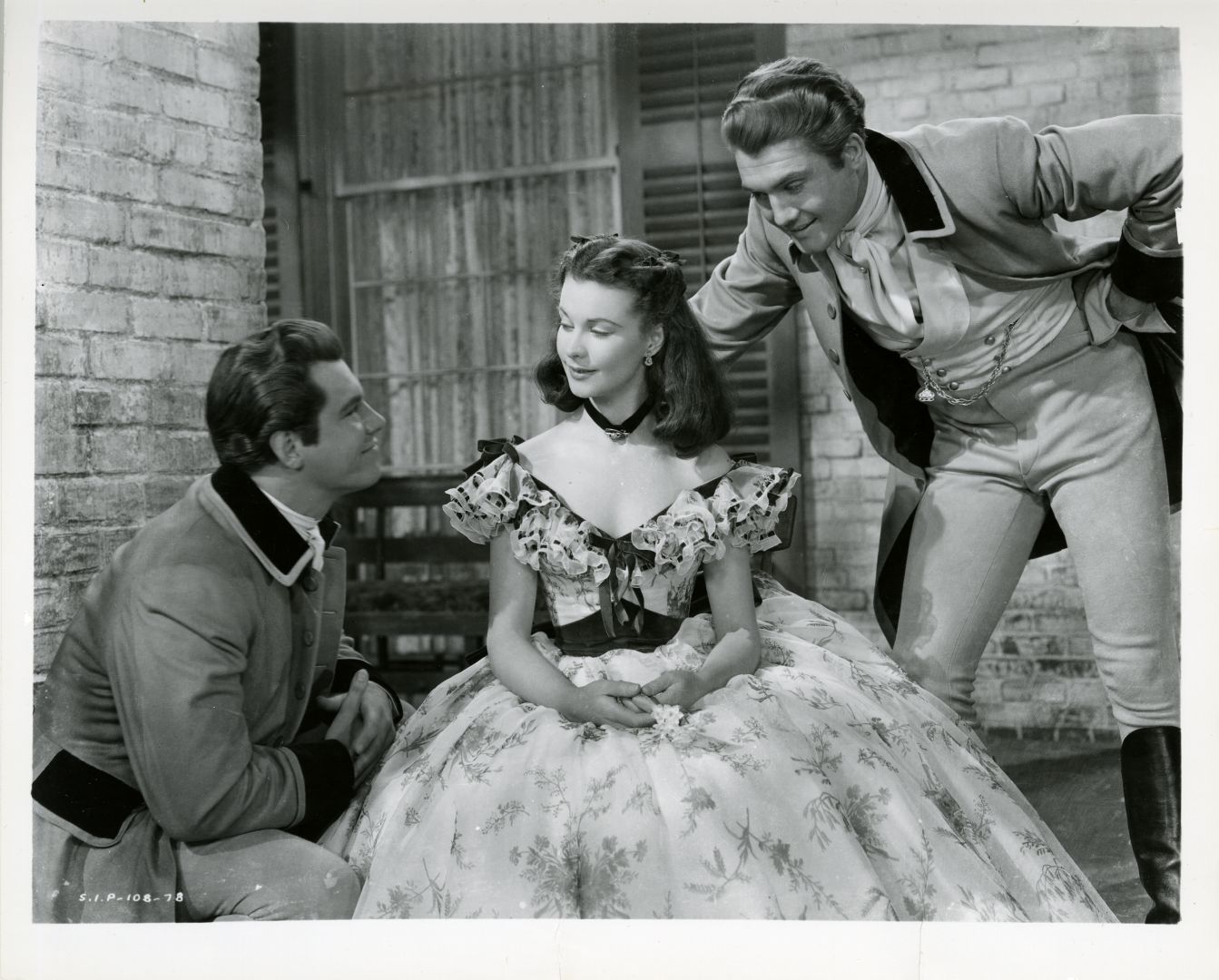
The tumultuous love affair of Scarlett O'Hara, the wealthy heiress of a Southern plantation, against the backdrop of the Civil War. The famous adaptation of Margaret Mitchell's 1937 Pulitzer Prize-winning novel.
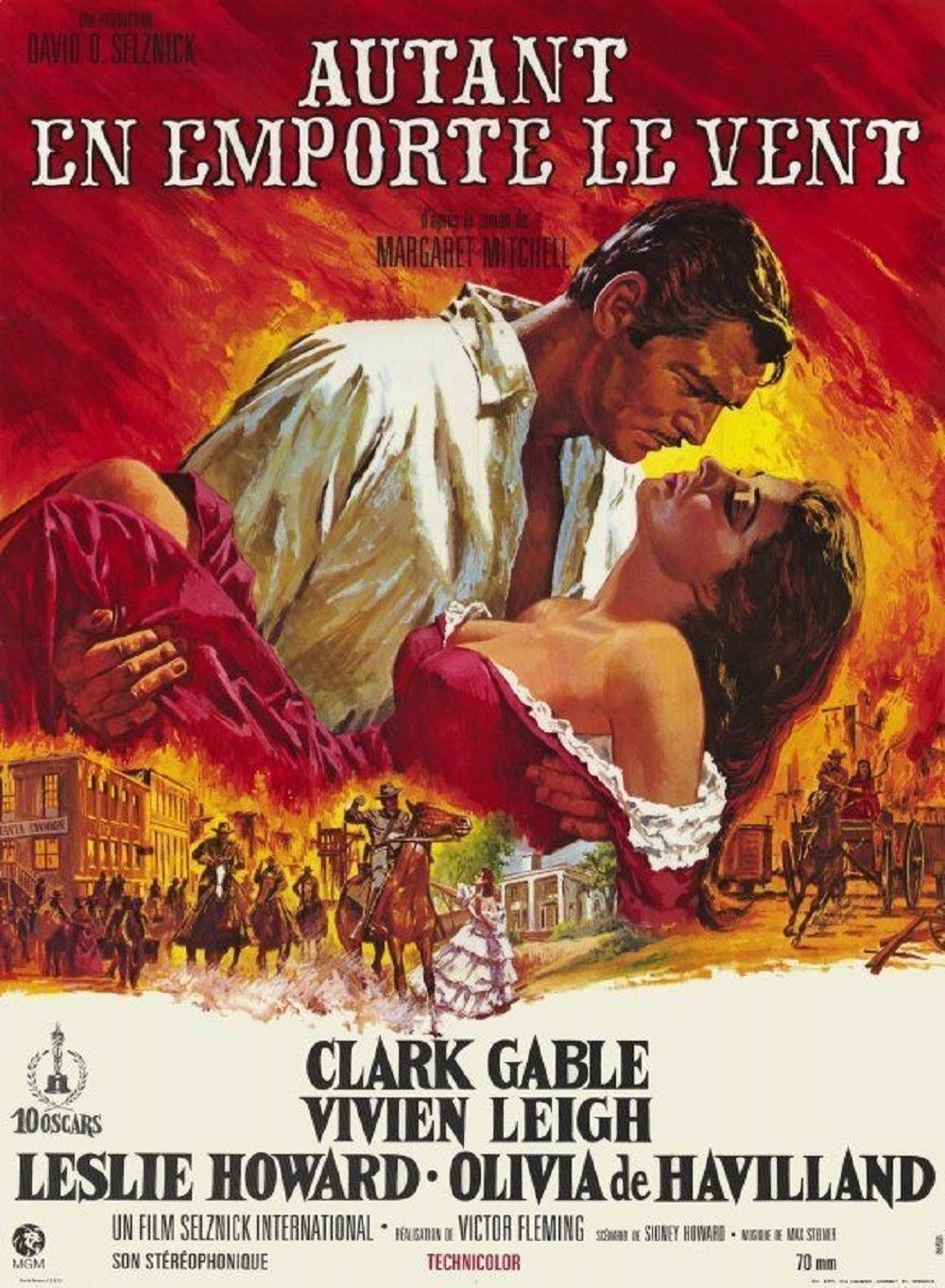
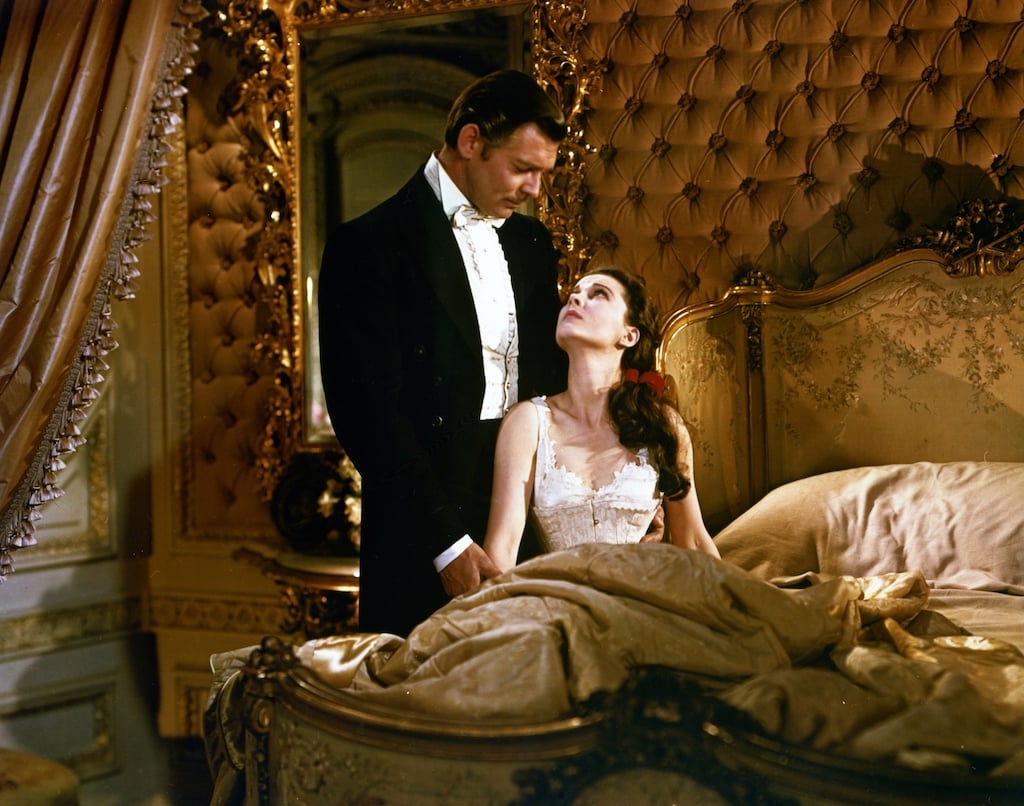
Trailer in English, film presented in English with French subtitles.
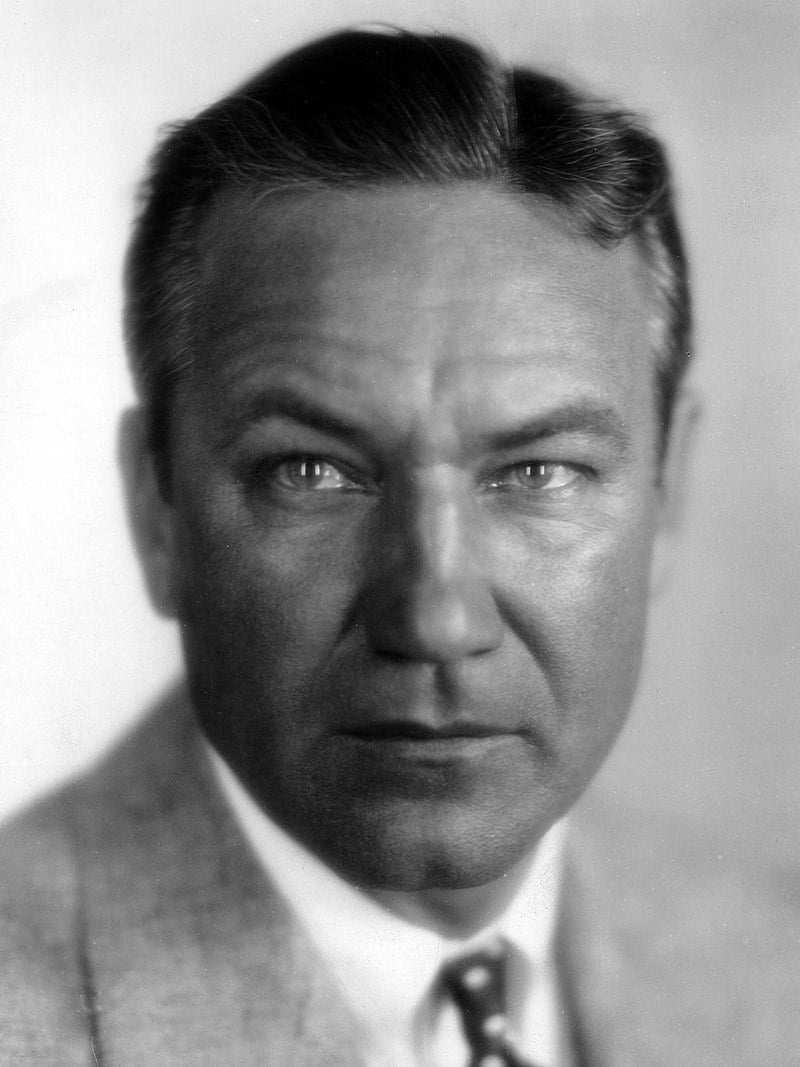
Victor Fleming
Victor Fleming was an American filmmaker. After graduating from high school in Los Angeles, he entered the film industry and gradually worked his way up. Starting as an operator, then cinematographer for D. W. Griffith in 1915, he crossed path with Douglas Fairbanks, who helped him transition into directing. A lieutenant during World War I, he became a war reporter in 1918, filming President Woodrow Wilson's trip to Europe on behalf of the army. Back in America, he made his first two films, When the Clouds Roll By (1919) and The Mollycoddle (1920), with Fairbanks' support. In 1938, he was chosen by David O. Selznick to succeed George Cukor and Sam Wood as director of the celebrated adaptation of Margaret Mitchell's novel Gone with the Wind. He won the Academy Award for Best Director for this film in 1940. That same year, he also directed The Wizard of Oz, starring Judy Garland, for MGM. In 1941, he adapted Robert Louis Stevenson's novel in Dr. Jekyll and Mr. Hyde. His final film, released at the end of the decade, starred Ingrid Bergman as Joan of Arc.
.jpg)