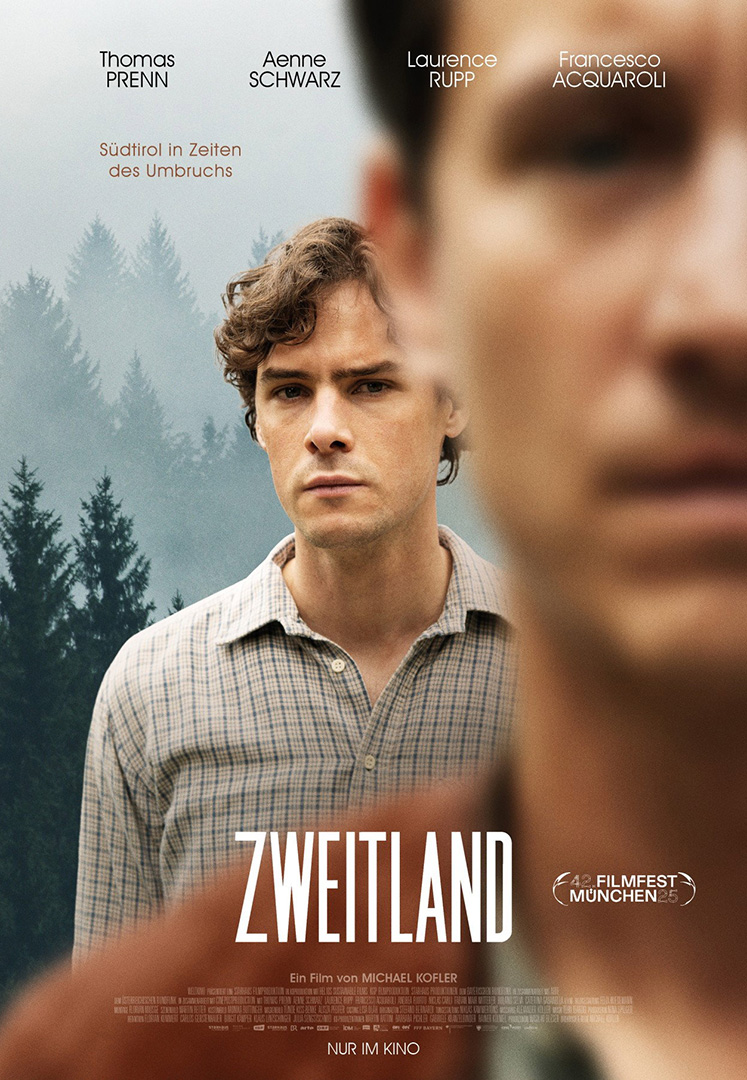
Harakiri
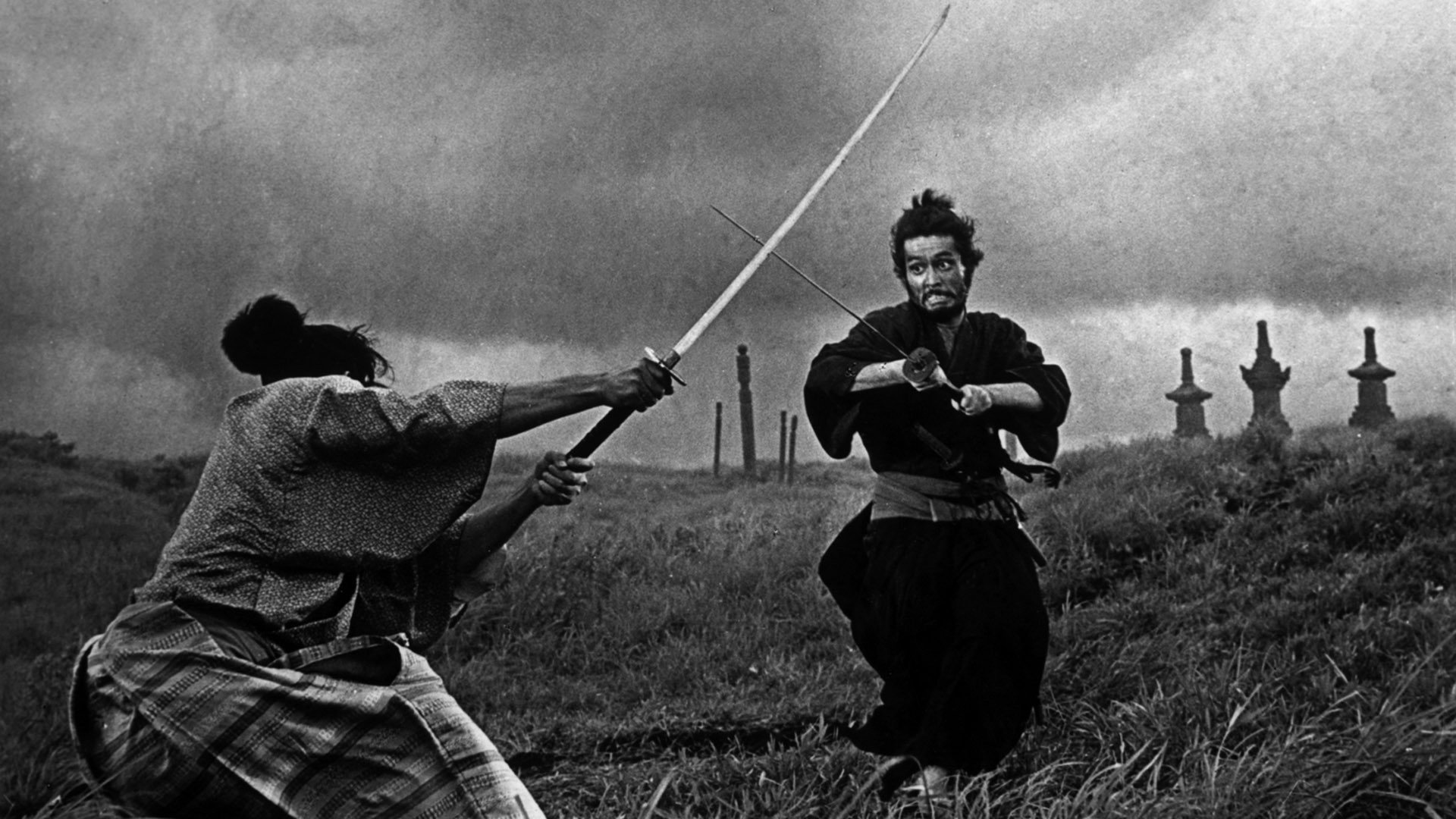
Action! If there’s one word associated with cinema, the tension of movie sets, and the focus of attention, it’s this one. Action is very often at the heart of popular cinema: Harold Lloyd hanging from the clock hands in Safety Last! (1923), Cary Grant threatened and strafed by a plane in North by Northwest (1959), Franka Potente gasping for air in Run Lola Run (1998)... Westerns, swashbuckler films, martial arts or adventure flicks, thrillers, all these genres rely on action—sometimes frenetic, sometimes meticulously measured.
From movies by Sergei Eisenstein to Gilles Carle, from John Ford to John Boorman and Werner Herzog, via Paul Verhoeven, Kathryn Bigelow, Park Chan-wook, Érik Canuel, and Nicolas Winding Refn, this series will take you through the full range of emotions, from laughter to thrills, from fear to satisfaction.
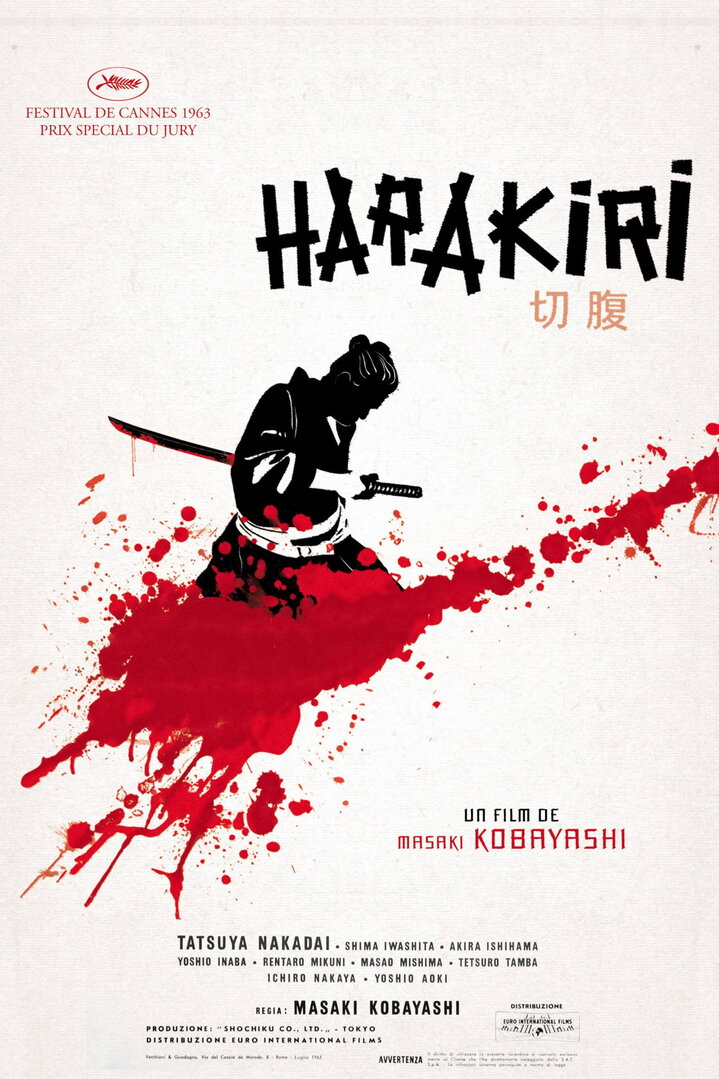
Winner of the Jury Special Prize, 1963 Cannes Film Festival
A young samurai is forced to commit harakiri with a bamboo sword. Upon hearing the news, his brother decides to avenge him.
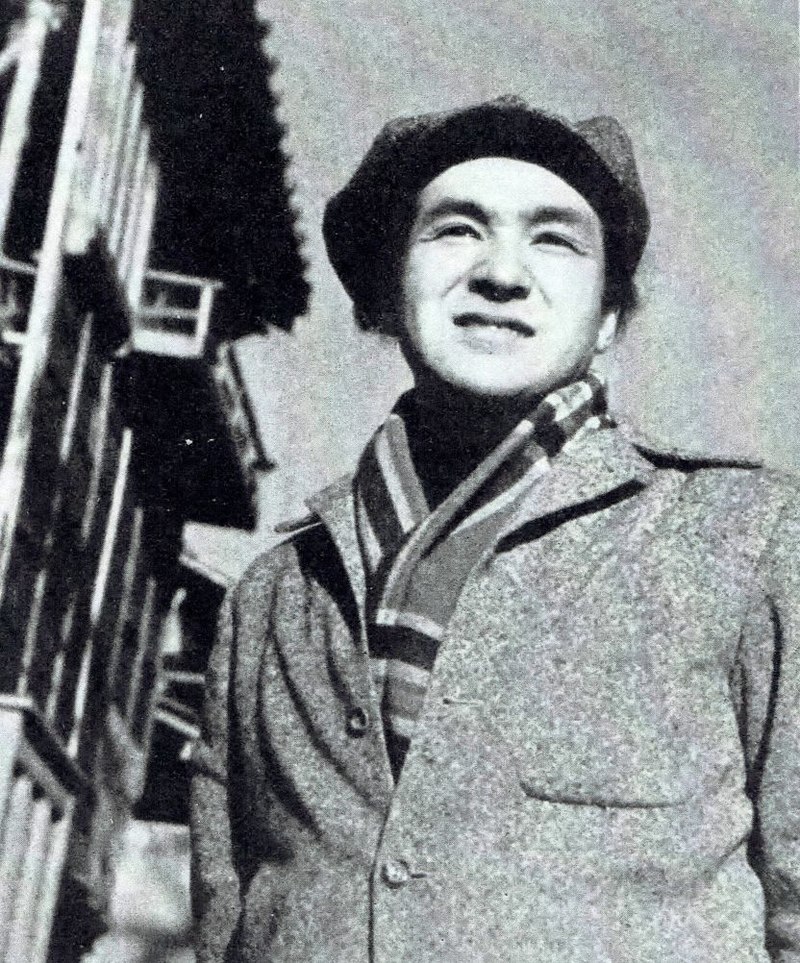
Masaki Kobayashi
Masaki Kobayashi was a Japanese film director and screenwriter, best known for the epic trilogy The Human Condition (1959–1961), the samurai films Harakiri (1962) and Samurai Rebellion (1967), and the horror anthology Kwaidan (1964). Senses of Cinema described him as "one of the finest depicters of Japanese society in the 1950s and 1960s." Today, several of his films are being ranked as some of the greatest films ever made.